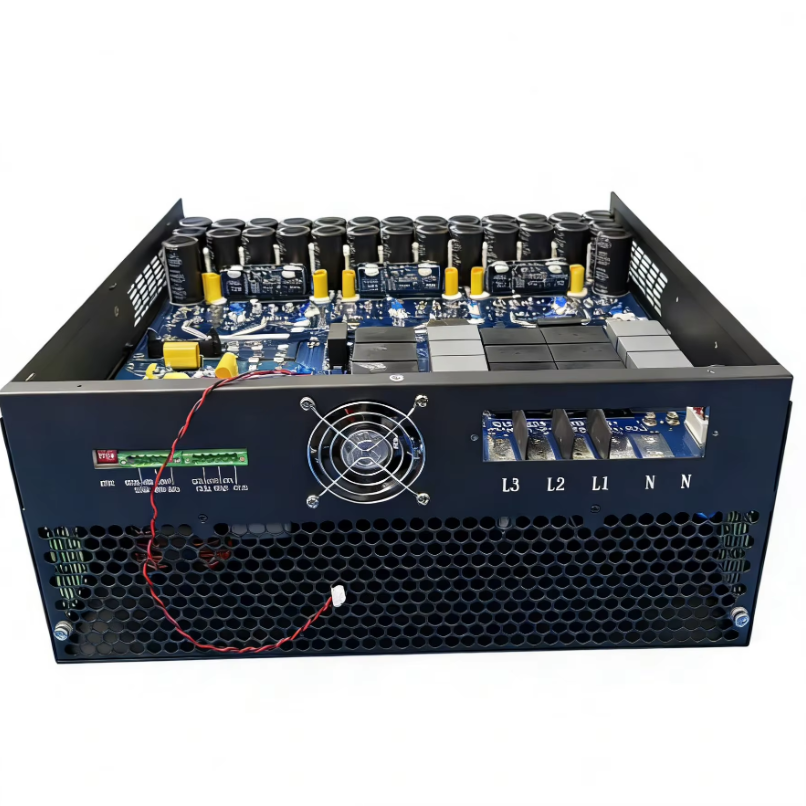
active power filter 400V modular APF
- Fast Delievery
- Quality Assurance
- 24/7 Customer Service
Product Introduction
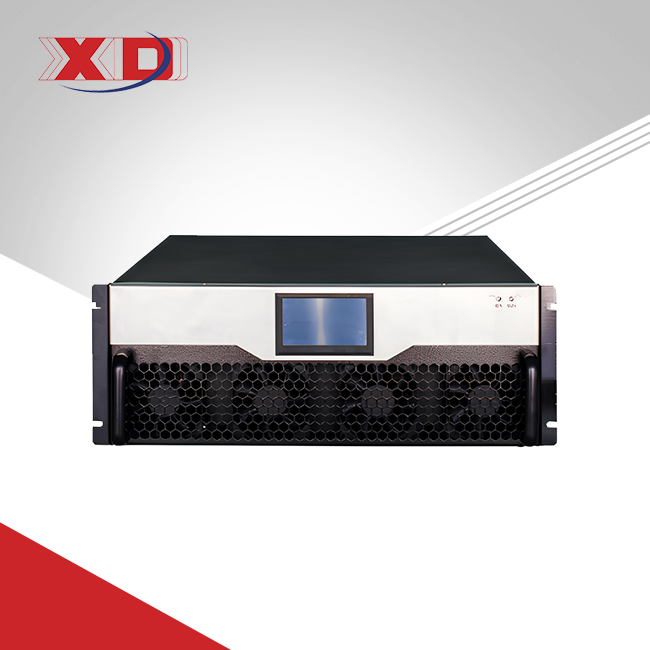
Active Power Filter 400V Modular APF Rack-Mount System
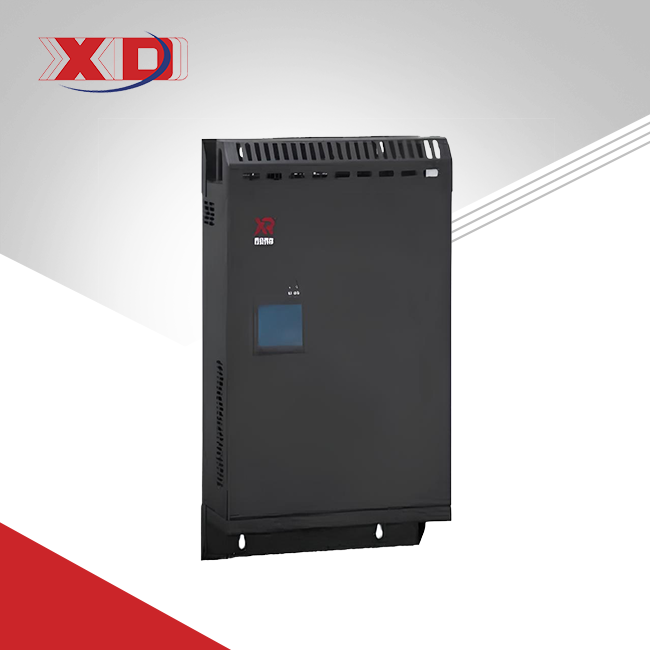
For plants using VFDs, rectifiers and UPS systems, Xi'an Xikai Medium & Low Voltage Electric Co., Ltd. supplies the active power filter 400V modular APF for harmonic filtering and reactive compensation. Its rack-mounted design uses 25, 50, 75, 100 and 150A modules to support capacity planning as loads change. The system combines an IGBT-based inverter with DSP control and offers per-order filtering adjustment. Review your measured harmonic demand, cabinet arrangement and maintenance requirements before selecting modules. Confirm the applicable performance conditions and the conflicting response-time figures with the supplier before approval.
Product Specifications
The table below reproduces the supplied Product Specifications without changing parameter values or adding information from other sections. These are supplier-stated specifications, not independently verified test results. Parameters absent from the supplied specification data are omitted rather than inferred.
| Parameter | Specification |
|---|---|
| Architecture | Modular rack architecture |
| Rated modules | 25, 50, 75, 100 and 150A |
| Voltage | 400V |
| Parallel expansion | unlimited |
| Cabinet builds | 200-600A and beyond |
| Inverter | IGBT-based inverter |
| Controller | DSP controller |
| Harmonic compensation | 2nd-50th-order |
| Harmonic correction rate | over 92% |
| Filtering adjustment | per-order adjustable filtering rate |
| Reactive compensation | bidirectional reactive compensation |
| Power factor | PF 0.99 |
| Voltage THD | under 3% |
| Full response, Advantage statement | within 10ms |
| Full response, FAQ three-phase statement | under 40ms |
| Power modules | Hot-swappable |
| Redundancy | N+1 |
| Efficiency | At least 97% |
| Communication | dual RS485 (GPRS/WiFi) |
| Cooling | forced-air cooling |
| Noise | around 60-65dB |
| Ambient | down to -10 and up to 50 degrees C with derating above 40 |
| Extended function | corrects three-phase unbalance |
| Protection | overload, software and hardware overcurrent, grid over/under voltage, supply fault, overtemperature, frequency abnormality and short circuit |
| Three-phase monitoring | grid voltage imbalance |
| Factory testing | 100+ test stages including thermal cycling, surge immunity and vibration trials |
| Technical assistance | 24/7 |
Response-time clarification: The supplied specifications contain two different full-response figures: within 10ms and under 40ms for the three-phase statement. Confirm which figure applies to the proposed configuration and request its definition and test conditions before technical approval.
Harmonic Filtering and Reactive Compensation
The DSP controller samples distorted current and directs the IGBT-based inverter to inject anti-phase compensation. Filtering covers the 2nd through 50th harmonic orders, with adjustment available for individual orders.
Per-order adjustment allows commissioning settings to reflect the measured harmonic spectrum. The product information identifies the 5th, 7th, 11th and 13th orders as common targets associated with six-pulse drives; site measurements should determine the actual priorities.
The system also provides bidirectional reactive compensation and an extended function for three-phase unbalance correction. The stated harmonic correction rate, power factor and voltage THD figures should be reviewed against the proposed installation conditions rather than treated as guaranteed outcomes for every network.
Modular Capacity and Maintenance
The active power filter 400V modular APF uses independent modules installed in a rack or cabinet. Available module ratings allow buyers to plan initial compensation capacity and consider later additions as measured demand changes.
The specifications describe unlimited parallel expansion and cabinet builds of 200-600A and beyond. Before relying on these statements for a project, confirm the proposed module arrangement, controller coordination and cabinet configuration with the supplier.
Hot-swappable modules and N+1 redundancy support maintenance planning. Confirm the replacement procedure and the compensation capacity that will remain available when a module is removed. A maintenance arrangement should be assessed against the site's actual filtering requirement, not only the number of installed modules.
Protection, Cooling and Monitoring
The listed protections cover overload, software and hardware overcurrent, grid overvoltage and undervoltage, supply faults, overtemperature, abnormal frequency and short circuits. Three-phase monitoring includes grid voltage imbalance.
Dual RS485 communication with GPRS/WiFi is listed in the specifications. The product information describes access to harmonic data, compensation current and alarm history. Confirm the communication arrangement and compatibility with your plant monitoring system before integration.
Forced-air cooling is specified, with noise stated at around 60-65dB. The ambient range extends from -10 to 50 degrees C, with derating above 40 degrees C. Include the expected installation temperature in the enquiry so the proposed capacity can be reviewed accordingly.
Applications and Site Assessment
The active power filter 400V modular APF is intended for industrial power-quality applications involving VFDs, rectifiers and UPS systems. Changing production loads and additional charging equipment make measured compensation demand an important selection input.
A site power-quality survey should establish the harmonic spectrum before module selection. Commissioning targets can then be assessed against the relevant project requirements, including applicable IEEE 519 or IEC 61000 criteria. Mentioning these standards does not establish blanket product or installation compliance.
Provide the following information for configuration review:
- Site harmonic measurements and the recorded load conditions.
- Required compensation current, if already established.
- Cabinet arrangement and available installation drawings.
- Expected future loads or planned equipment additions.
- Ambient conditions relevant to temperature derating.
- Monitoring and maintenance requirements.
If an input is unavailable, identify it as unknown and ask what assessment is needed. Do not substitute assumptions for measured demand.
Manufacturing and Technical Documents
Xi'an Xikai Medium & Low Voltage Electric Co., Ltd. supplies electrical equipment and project-specific power distribution integration. Its broader portfolio includes switchgear, transformers, circuit breakers, prefabricated substations and power electronics. Those product families do not establish additional ratings for this APF.
The APF specifications list 100+ factory test stages, including thermal cycling, surge immunity and vibration trials. Request available reports that identify the relevant product configuration and test conditions.
The product information also refers to 3C/CE/UL documentation and an MTBF-certified design. Confirm the exact documents, issuing bodies and configuration coverage before using these references in procurement or compliance decisions. Company management certifications should be reviewed separately from product-specific approvals.
Configuration Review and Project Supply
For an active power filter 400V modular APF quotation, submit the site measurements and drawings needed to review module count, cabinet configuration and future capacity requirements. The supplier offers project-specific power distribution integration alongside equipment supply.
Before approving the order, obtain confirmation of:
- The module selection and proposed cabinet arrangement.
- The applicable response-time specification.
- The conditions supporting the stated performance figures.
- The proposed expansion and redundancy arrangement.
- The temperature derating applicable to the installation.
- Available product-specific test and compliance documents.
- Delivery timing and the scope of technical assistance.
Lead time is confirmed after module count and drawings are agreed. The supplied specifications list 24/7 technical assistance; clarify the support channels and commissioning or replacement scope during the enquiry.
FAQ
How should the initial module count be selected?
Use measured harmonic demand and the required compensation current to review module count with the supplier. Planned future loads can inform expansion planning, but should not replace the initial site assessment.
Which response time should be used for approval?
The supplied specifications conflict: one states within 10ms, while the three-phase statement gives under 40ms. Obtain configuration-specific clarification before accepting either figure as the project requirement.
Can compensation continue during maintenance?
Hot-swappable modules allow remaining modules to continue filtering. Confirm whether the remaining capacity and proposed N+1 arrangement meet the site's requirements during replacement.
Does the page establish standards compliance?
No. Standards references and documentation claims require verification against the ordered configuration and the installation requirements. Request applicable documents during technical review.
Contact Us
Email xaxd_electric@163.com for configuration review and a quotation. Send harmonic measurements, compensation requirements and cabinet drawings, and identify any missing site data.
Send Inquiry