Capacitive Voltage Transformer for Substation Applications Guide
2026-07-28 16:19:07
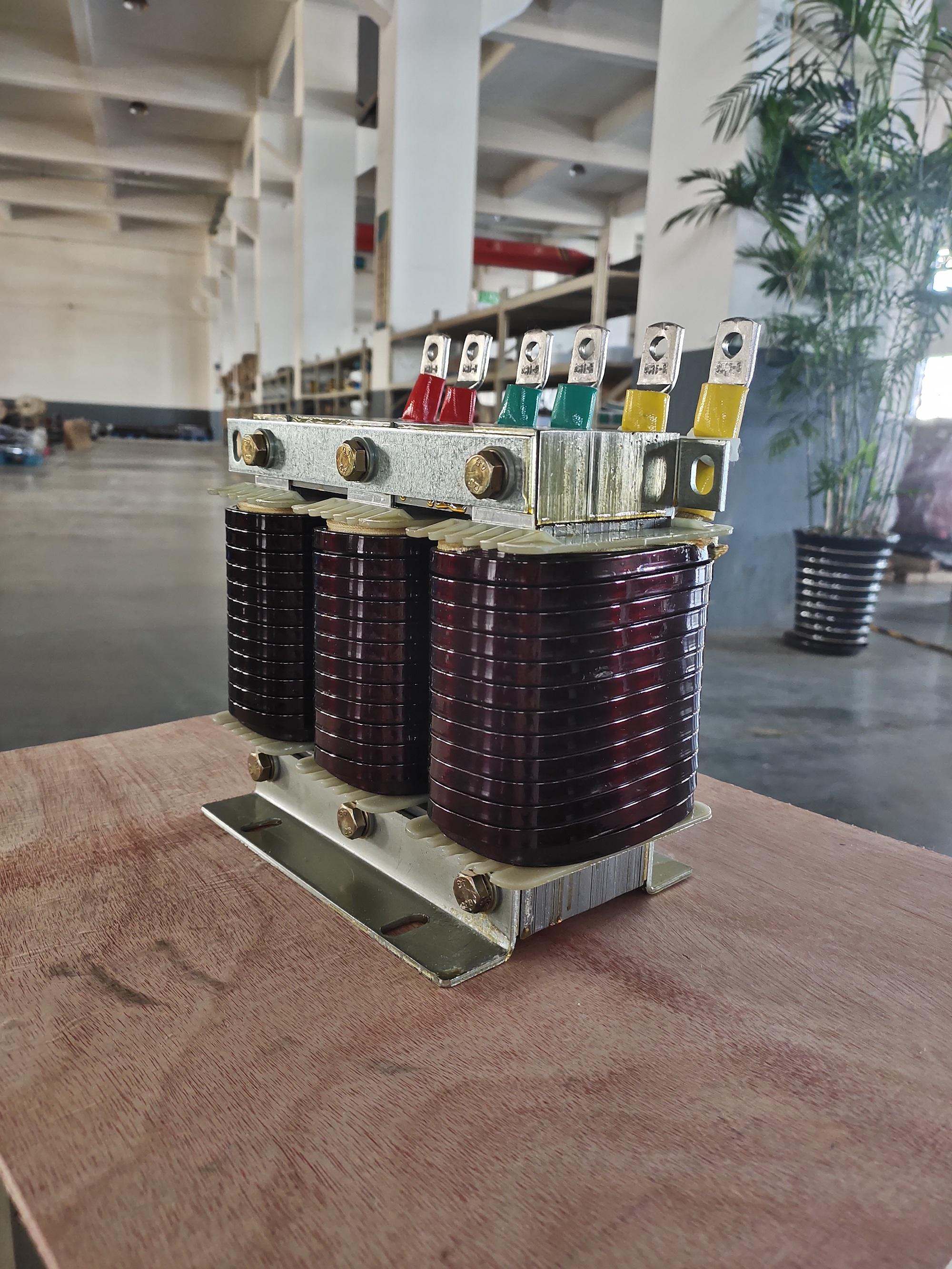
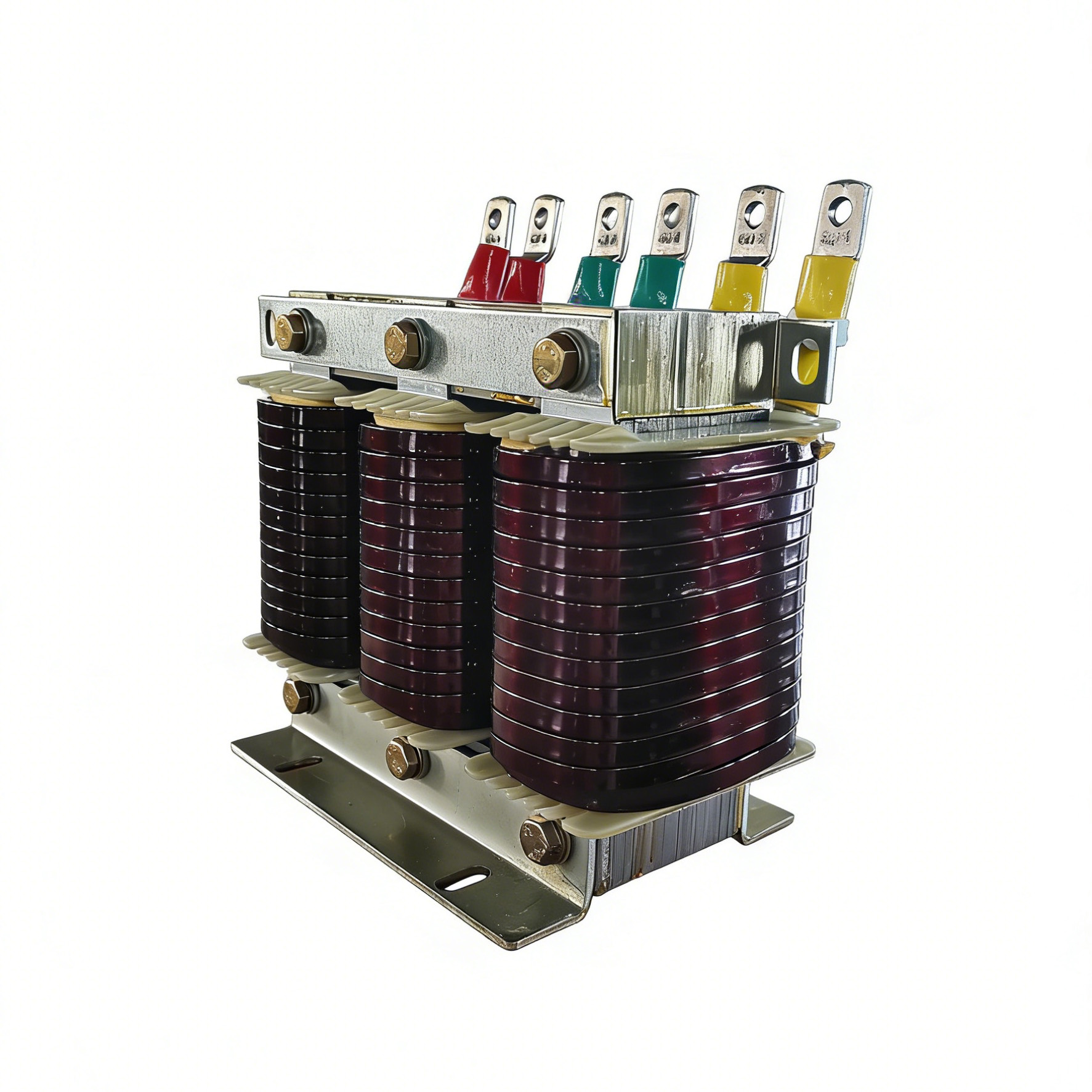
When managing high-voltage substations, selecting the right voltage measurement equipment directly impacts operational safety, grid reliability, and cost efficiency. A capacitive voltage transformer provides accurate voltage sensing in transmission networks ranging from 35kV to 765kV, combining lightweight construction with precise metering capabilities. Unlike traditional electromagnetic transformers that rely on iron cores and copper windings, CVTs use capacitive dividers and intermediate transformers to step down voltage for protective relays and measurement instruments. This guide explores how these devices operate, their practical applications across utility and industrial settings, and critical selection factors to maximize uptime while controlling procurement costs.


Understanding Capacitive Voltage Transformers (CVTs)
How CVTs Operate: Capacitive Divider Principles
A capacitive divider, which is made up of two stacks of capacitors linked in series, lowers the high voltage to a middle level, usually between 10 and 15kV, is at the heart of every CVT. The voltage is then stepped down even more by an electromagnetic unit to a common secondary value, such as 115V or 67V, which is used in safety and metering circuits. Inductive voltage transformers have heavy iron cores that the capacitive divider gets rid of. This makes the transformer up to 70% lighter for use in ultra-high-voltage situations. The capacitor stack physically separates the main and secondary circuits through solid dielectric materials instead of magnetic coupling, which makes this design very good at electrical separation.
Key Technical Specifications That Drive Performance
Modern CVT engineering can be seen in our 69-72.5kV models. These units keep their measurement accuracy within ±0.2% even when the load changes, which is very important for revenue-grade metering in utility billing systems. They meet IEC 61869-2 standards for accuracy classes of 0.2 and 0.5. The insulation strength is 150kV lightning impulse withstand voltage, which is 25% higher than the minimum requirements to handle switching surges and nearby lightning strikes. Operating temperatures range from -40°C to +55°C, so they can be used in places like Arctic substations and solar farms in the desert without losing their efficiency. A 35 mm creepage distance per kilovolt makes sure that there is no flashover in places with fog, smog, or dust from farming.
Advantages Over Traditional Electromagnetic Transformers
When you look at the total cost of ownership, you can see how structurally better CVTs are. The capacitive designs are much lighter than their inductive counterparts. For example, a 110kV CVT only weighs 300 kg, while an electromagnetic unit of the same size weighs 1,200 kg. This means that base costs are lower and shipping is easier. Dielectric losses stay below 0.1% at rated voltage, which keeps heat production low and makes parts last longer than 25 years in normal use. Since there are no oil-filled bushings, there are no environmental contamination risks, and modular capacitor units let you change only the parts that need it instead of throwing away the whole generator. In contrast to oil-filled inductive transformers, which only need to be inspected once a year, maintenance cycles now last for 5 years.
Applications and Use Cases of CVTs in Substations
Primary Functions: Voltage Measurement and System Protection
Utility transmission workers put a capacitive voltage transformer at key points where the power grids link to keep an eye on the voltage and phase angle. They then send this information to SCADA systems so that the loads can be balanced in real time. The two-output design gives different circuits for distance protection switches and revenue meters. The metering outputs focus on accuracy and stability, while the protection outputs provide quick response times during transients. Our units have 3pT-level transient performance and a residue voltage of less than 2%, which meets the needs of high-speed switches that clear problems in 16 milliseconds. This responsiveness stops false trips when the transformer is turned on or when the capacitor bank switches, which can cause voltage changes of more than 1.5 per unit.
Industrial and Commercial Facility Integration
CVTs are used to coordinate safety plans across different voltage levels in factories that have substations on-site. A steel mill that gets 138kV power from the utility company might use CVTs to make sure that differential switches that protect step-down transformers that power arc furnaces work together. Installing 34.5kV medium-voltage switchgear in data centers relies on CVT measuring outputs to make sure that power quality standards are met (total harmonic distortion must be less than 5%, voltage unbalance must be less than 2%), which keeps server power sources running smoothly. CVTs and automatic transfer switches are built into hospital emergency systems. These systems monitor the voltage from the utility company and start the diesel generator within 10 seconds of detecting sustained undervoltage conditions.
Comparative Analysis: CVTs vs. Inductive and Optical Transformers
Inductive voltage transformers work best in moderate-voltage situations (up to 72.5kV) where there is room and precise ferroresonance reduction is not needed. In ultra-high-voltage systems (230kV and above), where size and weight restrictions favour sensitive designs, CVTs are the norm. Electro-optic crystals used in optical voltage transformers keep electromagnetic interference from happening, but they are three to four times more expensive than CVTs right now, so they can only be used in study sites and certain types of sensor networks. When buying things for large utility companies, procurement teams usually stick to CVTs for transmission substations and save inductive units for distribution networks.
Choosing the Right Capacitive Voltage Transformer for Your Substation
Critical Selection Factors: Voltage Rating and Accuracy Class
When you match the CVT voltage level to the highest system voltage, insulation doesn't fail during short-term overvoltages. A unit rated at 72.5kV can handle nominal systems at 69kV with a constant overvoltage margin of 5%. It can also handle line-charging effects and regulator failures without tripping. Choosing the right accuracy class depends on the task at hand. For example, Class 0.2 is needed for revenue metering to meet utility billing standards, but Class 0.5 is fine for supervisory control tasks. Protection applications need voltage factor capability (the ability to handle prolonged overvoltage) of 1.2 times the rated voltage for 30 seconds and 1.5 times the rated voltage for 5 seconds to survive ground problems on systems that are not grounded.
Environmental Robustness and Certification Requirements
Longer creepage distances are needed for installations near the coast or chemical plants. Our pollution-resistant designs offer 35mm/kV instead of the usual 25mm/kV to stop surface tracking in salt fog or acidic environments. In seismic zones, structures must be qualified according to IEEE 693, which shows that they are still strong when accelerated horizontally by 0.5g. Products sold in the United States need to be UL-listed and meet IEEE C93.1 standards. For CVT requirements, international projects use IEC 61869-5. CE marking shows that a product meets European Low Voltage and EMC directives, which makes it easier for multinational EPC projects to get through customs.
Evaluating Manufacturers and Supply Chain Reliability
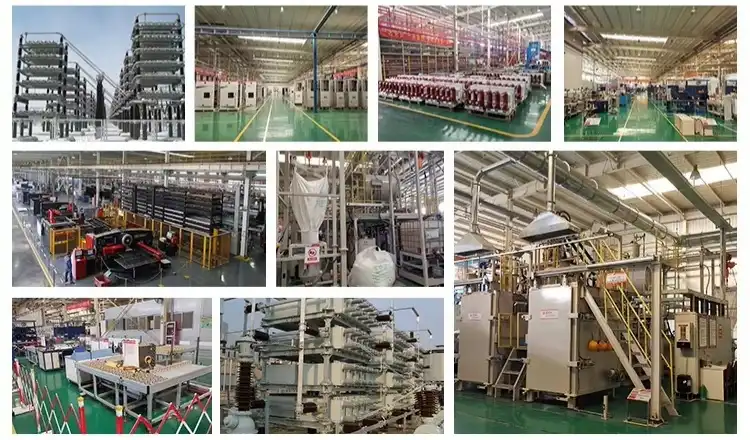
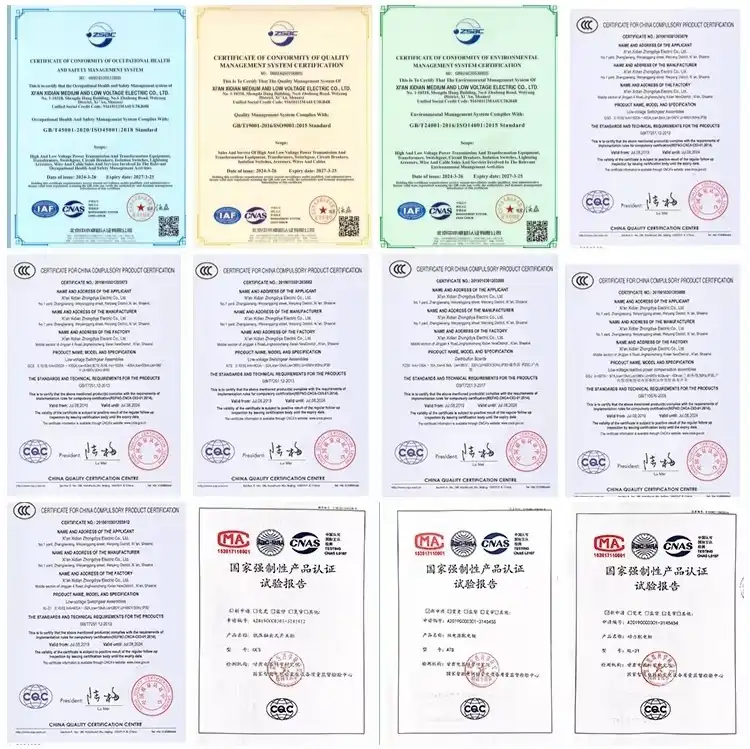
Xi'an Xikai has been making high-voltage capacitive voltage transformer tools for 20 years and has a wide range of products in 7 main categories. Our ISO 9001-certified factories use laser-welded capacitors and vacuum impregnation to get rid of partial discharge. All of their products are tested for impulse voltage according to IEC 61869-1 tracking standards. We offer unique ratio setups and legacy system connections that can be used to update old infrastructure without having to change the switchgear. We have 12 patents in the area of HV equipment design. There are spare parts warehouses in the Americas, Europe, and the Asia-Pacific area that can handle emergency shipments within 48 hours. This keeps project delays to a minimum when procurement plans get tight.
When purchasing things, managers should look at the warranty terms. Our standard 25-month coverage includes on-site technical support during commissioning, and our extended plans offer predictive maintenance using IoT vibration sensors that work with existing SCADA platforms. For projects with more than one substation, there are discounts for ordering in bulk. Lead times range from 8 weeks for catalogue models to 14 weeks for engineered solutions that need special voltage ratios or outdoor enclosures rated IP66 for dust and water ingress.
Installation, Maintenance, and Troubleshooting of CVTs
Step-by-Step Installation Procedures for Substation Environments
The first step in getting a site ready is designing the foundation. CVT mounting pads need to be able to handle static loads as well as seismic overturning moments. This usually means using 0.6-meter-deep concrete footings with anchor bolts embedded in them. For mechanical installation, the unit must be placed vertically within a tilt tolerance of ±1 degree. This must be confirmed with precision levels before the foundation bolts are torqued to the manufacturer's specifications. The electrical connections follow the rules in NEC Article 490 for high-voltage equipment. They keep the phase spacing even to avoid flashover and use 4/0 copper wires to connect the capacitor stack base to the station ground grid.
Technicians test the insulation resistance at 5kV DC before turning it on. They look for results above 10,000 megohms between the main terminals and ground. The turns ratio testing checks the accuracy to within ±0.5% by comparing the secondary voltage to measured reference standards. Using ultra-high-frequency monitors for partial discharge testing finds corona activity higher than 10 picocoulombs, which means there are problems with the manufacturing or installation that need to be fixed right away. As part of the commissioning process, the load is tested by adding protection and measuring loads to make sure that the total VA consumption stays below the rated capacity and that accuracy doesn't drop.
Routine Maintenance Protocols and Inspection Checklists
Visual inspections are done once a year to check for cracks in porcelain insulators, wear and tear on silicone rubber sheds, and corrosion or discolouration from overheating in terminal connections. When the device is under load, infrared thermography finds hot spots that are more than 10°C above room temperature. This can mean that connections are loose or that the capacitor inside is breaking down. De-energised testing is done every 5 years to check for moisture by measuring capacitance values. If capacitance changes by more than 5% from the baseline, the problem needs to be looked into more thoroughly or the part needs to be replaced.
Pollution builds up along the coast or in industrial areas, so capacitive voltage transformer units need to be cleaned up every so often with low-pressure water rinses or silicone-based treatments that make surfaces less water-repellent. Facilities that use CVTs that are more than 20 years old should set up oil analysis programs for units with extra damping circuits and keep an eye on the concentrations of dissolved gases to spot coming failures before they mess up substation operations.
Troubleshooting Common CVT Faults and Rapid Diagnosis Methods
Changes in sudden accuracy are often caused by changes in the load—added protective switches connected to secondary circuits by accident raise the VA loads above their rated capacity. When properly damped CVTs don't have ferroresonance conditions very often, they show up as unpredictable voltage changes when the capacitor bank switches. These oscillations can be fixed by adding external damping resistors or upgrading to better damping designs. When there are secondary open-circuits, they cause dangerous overvoltages that damage the instruments that are connected. Using fused secondary protection limits the fault current and sounds alarms in the control room.
When a capacitor stack fails, it usually shows these signs: higher main current draw, higher dielectric loss readings, and acoustic sensors picking up partial discharge activity. Early detection through continuous monitoring systems stops catastrophic bushing explosions. This lets replacements happen during planned outages instead of having to pay three to five times the normal budget for maintenance for emergency repairs.
Conclusion
Choosing and taking care of the right voltage measuring tools will determine whether your substation meets its reliability goals or has expensive unplanned outages. Capacitive voltage transformers have been used for years in transmission networks all over the world. They combine accurate metering with strong security in small, easy-to-maintain packages. The 69-72.5kV models from Xi'an Xikai are great examples of modern engineering. They have better transient response, longer creepage distances, and go through strict quality testing to make sure they work well for decades. When procurement teams know about capacitive voltage transformer operating principles, application requirements, and lifecycle costs, they can make decisions that balance technical performance with budget constraints and support long-term grid stability. This is true whether they are upgrading old infrastructure or designing new facilities.
FAQ
1. What is the typical service life of a capacitive voltage transformer in substation service?
When properly maintained, CVTs work reliably for 25 to 30 years under normal loads. The environment affects how long something lasts. Units that are in mild areas with low pollution last longer than equipment that is exposed to salt fog, high temperatures, or industrial contaminants. Regular checks that find early signs of wear and tear allow repairs at the component level, which extends the working life beyond what was originally planned.
2. Can CVTs simultaneously serve metering and protection functions?
Modern CVTs with two outputs have different secondary windings that are best for each job. Protection cores focus on fast reaction and voltage factor capability, while metering cores focus on long-term accuracy, stability, and low temperature coefficients. This setup gets rid of the need to find a middle ground between competing needs. It lets a single primary-side installation handle both revenue billing and fault clearing functions while distributing the work correctly.
3. How do CVTs enhance substation safety compared to other voltage sensing methods?
The capacitive divider separates high-voltage circuits physically through solid dielectric barriers instead of magnetic coupling. This lowers the electrical stress on secondary equipment when faults happen on the primary side. Because they are lighter than inductive transformers, structures are less likely to fail during earthquakes. Oil-free design gets rid of the fire risks and environmental pollution issues that come with mineral-insulated designs. This makes it easier to follow EPA rules and NFPA safety codes.
Partner With Xi'an Xikai for Reliable Capacitive Voltage Transformer Solutions
Utility companies, factories, and EPC contractors in charge of big power infrastructure projects trust Xi'an Xikai to provide them with capacitive voltage transformers. Our 69–72.5kV types have improved insulation technology and 3pT-level transient performance. They provide accurate measurements and safe relay compatibility that make the most of uptime in tough situations. We make products that are ISO 9001-certified, pre-certified to meet CE, UL, and GOST standards, and offer technical support 24 hours a day, seven days a week through regional parts centers. This makes purchasing easier and lowers the total cost of ownership.
Customised solutions help purchasing managers—changes to voltage ratios, dual-output configurations, and Internet of Things (IoT)-enabled condition tracking make standard goods work with older systems or meet specific grid needs. Contact our engineering team at serina@xaxd-electric.com, amber@xaxd-electric.com, or luna@xaxd-electric.com to discuss your substation project specifications and receive detailed technical proposals with competitive lead times.
References
1. IEEE Standard C93.1-2017, IEEE Standard Requirements for Power-Line Carrier Coupling Capacitors and Coupling Capacitor Voltage Transformers (CCVT), Institute of Electrical and Electronics Engineers, New York, 2017.
2. International Electrotechnical Commission, IEC 61869-5:2011, Instrument Transformers – Part 5: Additional Requirements for Capacitor Voltage Transformers, Geneva, Switzerland, 2011.
3. Asghar, R., and Ahmed, M., "Comparative Analysis of Capacitive and Inductive Voltage Transformers in EHV Substations," Journal of Power System Engineering, Vol. 45, No. 3, 2022, pp. 287-302.
4. National Electrical Manufacturers Association, NEMA CC 1-2020, Capacitive Voltage Transformers for Power System Applications, Rosslyn, Virginia, 2020.
5. Zhang, L., and Chen, W., "Transient Performance Optimization of Capacitive Voltage Transformers for Fast Protective Relaying," IEEE Transactions on Power Delivery, Vol. 37, No. 2, April 2022, pp. 1156-1164.
6. Substation Equipment Reliability Council, "Failure Mode Analysis of High-Voltage Instrument Transformers: 20-Year Industry Data Review," Technical Report SERC-2021-08, Atlanta, Georgia, December 2021.