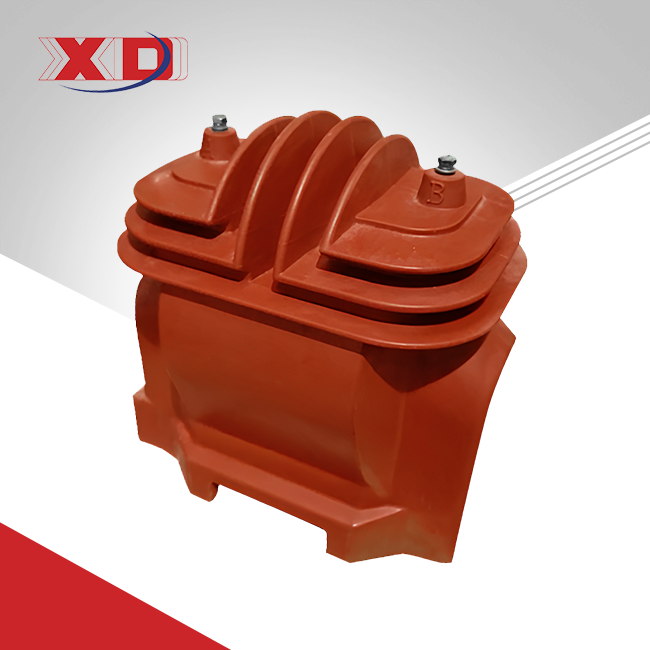
10kV Outdoor/Indoor Voltage Transformer(Potential transformer)
How Active Harmonic Filters Prevent Harmonics in Electrical Systems?
2026-02-13 11:17:45
Active Harmonic Filter systems utilize advanced power electronics to continuously monitor electrical networks and inject precise counter-currents that neutralize harmonic distortions in real-time. Unlike passive filters that rely on fixed components, these intelligent devices dynamically adapt to changing load conditions, preventing resonance issues while maintaining optimal power quality. By employing sophisticated control algorithms and IGBT-based inverters, Active Harmonic Filter solutions effectively eliminate unwanted frequencies, protect sensitive equipment, and ensure compliance with power quality standards across industrial and commercial applications.
 |
 |
Introduction
Harmonics, which are distortions in the electromagnetic waveform generated by non-linear loads, are a regular source of problems for commercial and industrial electrical systems. It is possible for these harmonics to affect the performance of the equipment, increase the amount of energy that is lost, and decrease the dependability of the system. Traditional techniques of mitigation often fail to meet the challenge of addressing the dynamic and complicated harmonic profiles that are seen in today's world. As an advanced solution, active harmonic filters have emerged as a viable option. These filters provide accurate and adaptive harmonic compensation, contributing to an improvement in power quality.
There is a growing dependence on sophisticated electronic machinery that causes harmonic distortion in modern industrial facilities, server rooms, and commercial buildings today. Traditional passive filters are unable to adequately handle the complex spectral signatures that are produced by variable frequency powers, LED lighting apparatus, and uninterruptible power supply.. The end consequence is often the overheating of equipment, the premature breakdown of the equipment, and considerable energy loss, all of which have an influence on the profitability of the business.
A detailed overview of recent filtering technologies is provided in this reference for procurement professionals and engineers. It describes the functioning of these technologies, the advantages they provide, and the factors that should be considered when choosing the appropriate solution that is adapted to challenging industrial situations across the world. It is becoming more important to have a solid understanding of these systems as the complexity of the electrical infrastructure increases and the criteria for power quality grow more demanding.
Understanding Harmonics and the Need for Active Harmonic Filters
The Nature of Harmonic Distortion
Electrical impulses or voltages that are not intended and occur at multiples that the fundamental frequency are known as harmonics. These harmonics are typically produced by contemporary industrial equipment like in the driven by variable frequency and uninterruptible power supply (UPS) systems. The manifestation of these distortions takes the form of multiples with the base frequency of 50Hz or 60Hz, resulting in components with frequencies of 150Hz, 250Hz, and 350Hz that disrupt the functionality of the electrical system. The measurement known as the total distortion of harmonics (THD for short) provides a quantitative representation of the degree to which these undesirable frequencies are present.
Instead of drawing current in smooth sinusoidal waves, non-linear loads pull current in rapid pulses, which results in the creation of rich harmonic content as is transmitted throughout electrical circuits. As a result of the large contribution that manufacturing equipment, systems of computers, and LED lights make to harmonic creation, some devices have total harmonic distortion (THD) levels that are higher than thirty percent. The overheating, decreased lifetime of equipment, inefficiency, and even downtime of the system may all be caused by these distortions.
Limitations of Traditional Mitigation Methods
It is common for traditional methods of mitigation, such as filters that are passive and reactors, to lack flexibility. These methods are characterized by set tuning and size limits, which may lead to resonance problems and limited efficacy when applied to fluctuating loads. It is possible for passive LC filters to generate potentially hazardous resonance circumstances when the parameters of the system change. These filters only function at predefined frequencies. Although line rods provide some degree of improvement, they are not capable of compensating for the whole range of harmonic frequencies that are present in contemporary plants.
These conventional solutions also require significant physical space and may introduce power factor issues. Passive filters can become overloaded during peak harmonic conditions, leading to premature failure and system instability. The fixed nature of these devices means they cannot adapt to changing load profiles or new equipment installations.
Advanced Active Filtering Technology
Active harmonic filters address these limitations by dynamically detecting and proactively compensating harmonics, making them essential for maintaining operational stability and energy efficiency in modern industrial power systems. These intelligent devices continuously analyze the electrical waveform and generate precise correction signals that cancel unwanted harmonic content in real-time.
The adaptive nature of Active Harmonic Filter systems allows them to respond to changing conditions within microseconds, maintaining power quality regardless of load variations. This capability proves particularly valuable in facilities with diverse equipment types and varying operational schedules.
How Active Harmonic Filters Work: Principles and Mechanisms
Real-Time Monitoring and Control Systems
The operation of active harmonic filters involves the constant monitoring of power systems taking place in real time and the injection of counter-harmonic currents who cancel out distortions that are not desired. Accurate measurements concerning the electrical waveform may be obtained by the use of sophisticated current changers and voltage sensors. These devices are able to capture both fundamental and spurious components. Digital signal processors operating at high speeds do an analysis of this data using complex algorithms in order to ascertain the precise compensation that is necessary.
Additionally, the control system is responsible for calculating the inverse of the harmonic currents that have been identified and then instructing the power circuitry to provide these corrective signals. The fact that this procedure takes place thousands of cycles per second guarantees an instantaneous reaction to shifting harmonic circumstances. The end product is a sinusoidal electrical current waveform that is free of obstructions and satisfies stringent power quality criteria.
Power Electronics and Control Architecture
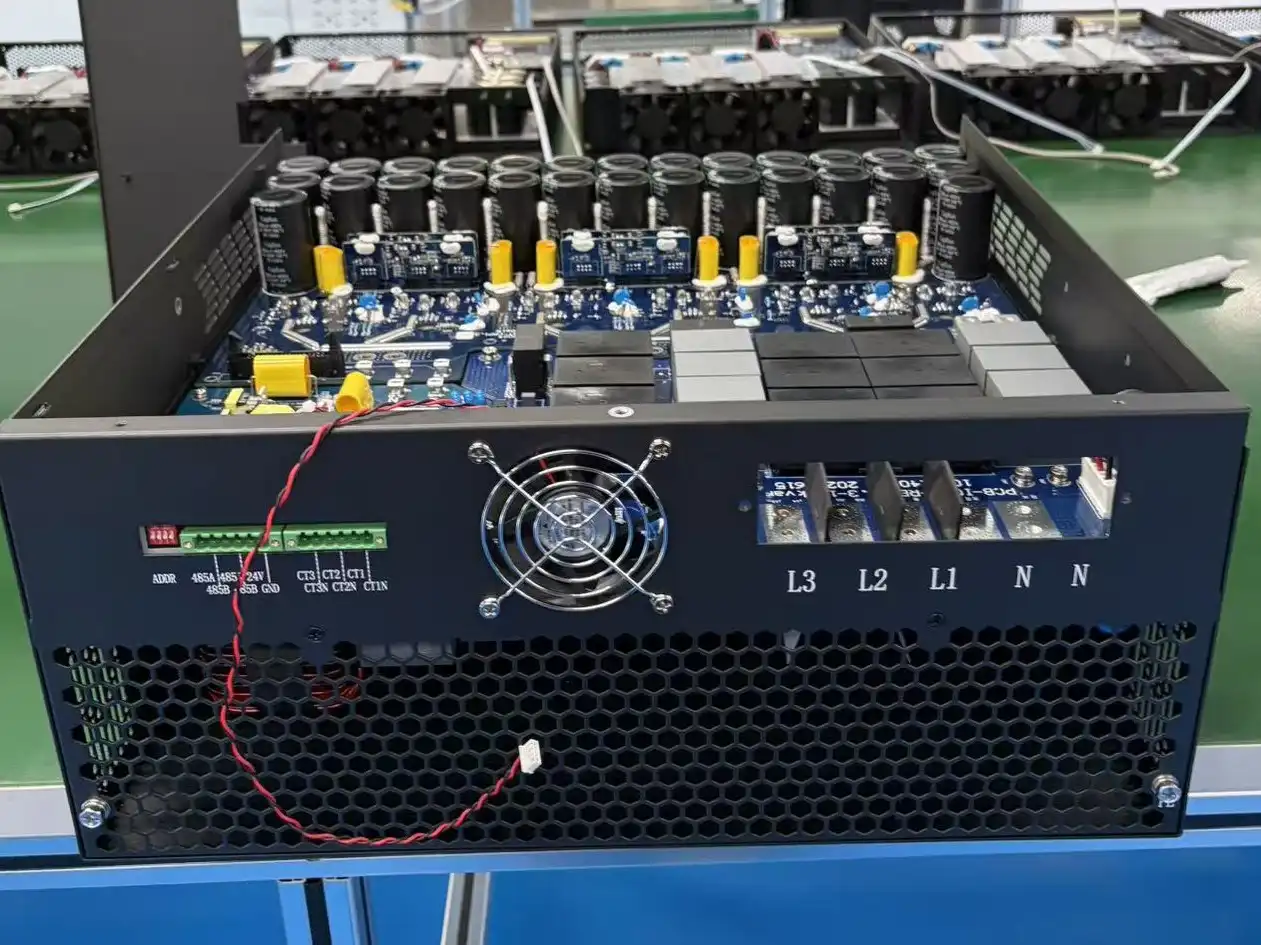
In contrast to passive filters, which typically make use of fixed LC circuits, such structures make use of power electronic components such as IGBTs in conjunction with sophisticated sensors along with control algorithms in order to provide adaptive compensation. The IGBT-based inverter, which is capable of producing exact electrical current waveforms that any frequency that falls within its operational range, acts as the system's central component and serves as the main attraction. Using sophisticated methods for pulse-width modulation guarantees a high level of efficiency and a low amount of switching losses.
Multiple feedback loops are used within the control architecture in order to ensure that precision and stability are maintained. The current control loops function at switching frequencies that are higher than 20 kHz, whilst the outer voltage regulate loops are responsible for maintaining the stability of the DC bus. Monitoring the state of the system and automatically adjusting the operation to avoid harm during fault circumstances are the responsibilities of protection algorithms.
Integration and Application Flexibility
This real-time reaction makes it possible to integrate with a wide range of applications, including production lines, data centers, including smart grids, helping to maintain a consistent electricity supply despite the fact that load circumstances are constantly changing. Modular designs allow for scalability, which is necessary for projects ranging from small corporate installations to big industrial facilities that need harmonic adjustment at the megawatt level.
Communication features make it possible to integrate with management systems for buildings and SCADA networks, which enables remote oversight and management. Procurement teams are able to define solutions that are in alignment with their system design and performance needs when they have a thorough understanding of these fundamental components and operating concepts.
Benefits and Advantages of Using Active Harmonic Filters
Dynamic Performance Capabilities
The dynamic adjustment capabilities of active harmonic filters, which allow quick reactions to changing harmonic loads, provide considerable benefits over conventional passive and hybrid methods. These advantages are much more advantageous than the traditional alternatives. The difference between these systems and permanent passive filters is that they readily adapt to new hardware installations or changes in operating procedures without the need for the system to be reconfigured. Because they are able to give selective harmonic correction, they are able to target certain frequencies that are causing problems while disregarding harmonics that are perfectly harmless.
Real-time adaptation ensures consistent performance regardless of load variations, seasonal changes, or equipment modifications. This flexibility eliminates the need for oversized passive components and reduces the risk of resonance conditions that can damage sensitive equipment. The precision of active compensation often achieves THD levels below 5%, meeting the most stringent power quality requirements.
Space and Maintenance Advantages
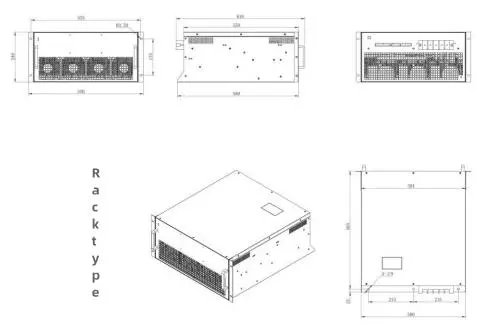
These advanced systems occupy significantly less physical space and demand lower maintenance compared to equivalent passive filter banks, which is critical for industrial environments where footprint and reliability are key concerns. A typical Active Harmonic Filter installation requires 60-80% less floor space than passive alternatives while providing superior performance across a broader range of operating conditions.
Reduced maintenance requirements stem from the absence of large capacitor banks and tuning reactors that require periodic inspection and replacement. The solid-state components within the Active Harmonic Filter demonstrate exceptional reliability, with mean time between failures exceeding 100,000 hours under normal operating conditions. Enhanced diagnostic capabilities provide early warning of potential issues, enabling predictive maintenance strategies.
Financial and Operational Benefits
From a financial perspective, investing in these systems yields long-term savings through improved energy efficiency and reduced maintenance costs while enhancing power quality, reducing downtime, and minimizing equipment stress. Energy savings typically range from 3-8% due to reduced losses and improved power factor correction. Avoided downtime costs often justify the investment within 18-24 months for critical operations.
Equipment protection benefits include extended motor life, reduced transformer losses, and improved performance of sensitive electronic systems. The elimination of nuisance circuit breaker trips and reduced neutral current flow contribute to safer electrical installations. Scalable and future-proof characteristics ensure these systems remain effective as facilities expand or modify their electrical loads.
Choosing and Procuring the Right Active Harmonic Filter for Your Business
Technical Evaluation Criteria
Selecting the most effective filtering solution requires careful evaluation of harmonic mitigation capacity, system compatibility, and performance efficiency across various operating conditions. Harmonic current rating must exceed the maximum expected distortion levels with appropriate safety margins for future expansion. Voltage ratings should match system requirements with consideration for voltage variations and transient conditions.
Response time specifications become critical in applications with rapidly changing loads, where microsecond-level response prevents momentary power quality excursions. Efficiency ratings above 97% ensure minimal energy waste while maintaining cooling requirements within acceptable limits. Environmental ratings must match installation conditions, particularly for outdoor or harsh industrial environments.
Supplier Selection and Support Considerations
Reliable suppliers offering comprehensive technical support and proven track records ensure smoother implementation and after-sales service throughout the equipment lifecycle. Engineering support during the design phase helps optimize system configuration and integration with existing infrastructure. Factory acceptance testing capabilities provide confidence in equipment performance before shipment.
Technical training programs enable facility personnel to operate and maintain systems effectively, reducing dependence on external service providers. Spare parts availability and technical documentation quality directly impact long-term operational costs and system reliability. Local service capabilities prove essential for rapid response to any operational issues.
Procurement Strategy and Cost Optimization
Global manufacturers provide diverse product portfolios with varying technological approaches, allowing tailored solutions based on industry needs and budgets while maintaining quality standards. Procurement professionals should consider pricing structures, bulk purchase options, installation logistics, and warranty conditions to optimize total cost of ownership over the equipment's operational life.
Financing options and leasing programs can improve cash flow while providing access to advanced technology. Performance guarantees and energy savings warranties reduce project risk and provide measurable returns on investment. Thorough technical and commercial comparison enhances confidence in decision-making and supports seamless deployment across multiple facilities.
Conclusion
Active harmonic filters represent the most effective solution for modern harmonic mitigation challenges, offering dynamic compensation that passive alternatives cannot match. These intelligent systems provide real-time adaptation to changing load conditions while occupying minimal space and requiring reduced maintenance compared to traditional approaches. The technology delivers measurable benefits including improved energy efficiency, extended equipment life, and enhanced power quality compliance across diverse industrial applications. Proper selection and procurement of these systems requires careful evaluation of technical specifications, supplier capabilities, and long-term support requirements to ensure optimal performance and return on investment.
FAQ
1. What makes active harmonic filters different from passive filters?
Active harmonic filters utilize power electronics and real-time control systems to dynamically generate compensation currents that cancel harmonic distortion, while passive filters rely on fixed LC circuits tuned to specific frequencies. This dynamic capability allows active systems to adapt to changing load conditions and provide broader spectrum harmonic compensation without risk of resonance issues.
2. How long does installation typically take for industrial applications?
Installation timelines vary based on system complexity and facility requirements, typically ranging from 2-5 days for standard commercial installations to 1-2 weeks for large industrial facilities requiring extensive integration work. Pre-installation planning and coordination with existing shutdown schedules optimize installation efficiency and minimize operational disruption.
3. What maintenance is required to sustain filter performance?
Routine maintenance includes periodic inspection of connections, cleaning of cooling systems, and software updates as available from the manufacturer. Unlike passive filters requiring capacitor replacement every 8-10 years, active systems primarily need firmware updates and basic preventive maintenance, with major component replacement intervals exceeding 15-20 years under normal operating conditions.
Partner with Xi'an Xidian for Superior Active Harmonic Filter Solutions
Xi'an Xidian invites facility managers and procurement professionals to explore our comprehensive Active Harmonic Filter product line designed specifically for demanding industrial and commercial applications. Our experienced engineering team provides personalized consultations to identify optimal harmonic mitigation strategies tailored to your specific power system requirements. As a trusted Active Harmonic Filter manufacturer, we combine advanced technology with proven reliability to deliver solutions that exceed performance expectations. Contact our technical specialists at serina@xaxd-electric.com, amber@xaxd-electric.com, or luna@xaxd-electric.com to discuss your power quality challenges and receive detailed technical proposals.
References
1. IEEE Standard 519-2014: Recommended Practices and Requirements for Harmonic Control in Electrical Power Systems, Institute of Electrical and Electronics Engineers, 2014.
2. Akagi, H., Watanabe, E.H., and Aredes, M., "Instantaneous Power Theory and Applications to Power Conditioning," IEEE Press Series on Power Engineering, Second Edition, 2017.
3. Rashid, M.H., "Power Electronics Handbook: Devices, Circuits, and Applications," Fourth Edition, Butterworth-Heinemann, 2017.
4. Dugan, R.C., McGranaghan, M.F., Santoso, S., and Beaty, H.W., "Electrical Power Systems Quality," Third Edition, McGraw-Hill Education, 2012.
5. Singh, B., Chandra, A., and Al-Haddad, K., "Power Quality: Problems and Mitigation Techniques," John Wiley & Sons, 2015.
6. Arrillaga, J. and Watson, N.R., "Power System Harmonics," Second Edition, John Wiley & Sons, 2003.