How Active Harmonic Filters Enhance Power Quality in Industrial Settings?
2026-02-13 11:17:47
Active Harmonic Filter technology transforms industrial power systems by eliminating harmful electrical distortions that compromise equipment performance and energy efficiency. These intelligent devices continuously monitor electrical networks, detecting and neutralizing harmonic currents in real-time through advanced signal processing. Unlike traditional passive solutions, active harmonic filters adapt dynamically to changing load conditions, ensuring optimal power quality across diverse industrial applications while significantly reducing operational costs and extending equipment lifespan.
 |
 |
Understanding Active Harmonic Filters and Their Role in Power Quality
When it comes to the management of energy quality in contemporary industrial settings, active harmonic filters are an innovative technique. Harmonic distortion, which is induced by nonlinear loads including variable frequency motors, rectifiers, and shifting power supplies, is one of the greatest persistent issues that facility operators face in the modern day. These advanced devices handle this difficulty.
The Science Behind Harmonic Mitigation Technology
It is the capacity of active harmonic filters to create compensatory currents that properly cancel out harmonic aberrations that is the basic concept behind their functioning. In the event that nonlinear loads pull distorted electric currents out the electrical wiring, these devices instantaneously detect harmonic elements and inject currents that are equivalent but opposite to the distorted currents in order to make the distortion disappear. Real-time compensation is achieved by means of highly developed digital signal processors, which perform an analysis of electrical waveforms at a rate of thousands of cycles per second.
Several contemporary manufacturing facilities are significantly dependent on machinery that creates harmonic currents, which results in major difficulties with power quality. There are a number of factors that contribute to harmonic pollution, including motor drives, welding accessories, and computer systems. Harmonic pollution may result in voltage distortion, greater heating in transformers, even premature failure of very sensitive electronic components. These filters have the capacity of dynamic compensation, which guarantees that the power quality will stay continuously high regardless of the load circumstances that are changing.
Comprehensive Benefits for Industrial Operations
The installation of technology that utilizes active harmonic filters results in quantifiable benefits across a variety of operational domains. Capabilities for power factor adjustment assist facilities in avoiding fines imposed by utilities while also lowering their use of reactive power. Increases in energy efficiency are the consequence of reducing losses in power distribution systems, which ultimately results in significant cost savings over the course of time.
Improvements in equipment dependability are another significant advantage, as the use of clean electrical power improves the amount of time that motors, drives, and managerial systems can continue to function effectively. Harmonic distortion is successfully managed, which results in fewer unanticipated closure and a reduction in the amount of maintenance that is required for facilities. Furthermore, enhanced power quality makes it possible for delicate instrumentation and precise industrial equipment to function with greater accuracy.
Comparing Harmonic Filter Solutions for Industrial Applications
Industrial facilities have several options for addressing harmonic distortion, each with distinct advantages and limitations. Understanding these differences enables procurement teams to select the most appropriate solution for their specific operational requirements.
Active vs. Passive Filter Technologies
Passive harmonic filters utilize inductors and capacitors tuned to specific frequencies to provide harmonic mitigation. While these solutions offer simplicity and lower initial costs, they have significant limitations in dynamic environments. In contrast, the Active Harmonic Filter offers dynamic, adaptive mitigation by continuously monitoring and injecting opposing harmonic currents, effectively addressing a wide spectrum of harmonics in real-time. Unlike passive solutions, the Active Harmonic Filter can only address predetermined harmonic frequencies and may create resonance issues when system conditions change.
By using clever, real-time correction, active harmonic filtering technology is able to circumvent these constraints. The capability of these systems to automatically change their response in accordance with the real harmonic content enables them to provide greater performance throughout a broad frequency range. Scalable solutions that may expand in accordance with the requirements of the facility are made possible by the modular architecture of current active filters.
The goal of hybrid systems is to strike a compromise between performance and cost concerns by combining active and passive components. When it comes to large harmonic components, these systems make use of passive filters, while active technology is used for dynamic correction and fine-tuning.
Performance Characteristics and Selection Criteria
When making selections about filter selection, load characteristics are an extremely important factor. Due to the adaptable characteristics of active filter technology, facilities that experience significantly varying loads are the ones that gain the most from it. Applications that are suited for these dynamic systems include manufacturing facilities that are equipped with CNC machines, manufacturing facilities that are equipped with variable frequency moves, and data centers that are equipped with switching power supply.
The degree of harmonic distortion is another factor that plays a role in the choosing of technology. under settings when the overall harmonic distortion levels are more than 5%, active harmonic filters perform very well, but passive solutions may not be sufficient under these circumstances. The comprehensive protection against power outages that these systems provide is made possible by their ability to tolerate surge currents that are up to one hundred times their rated capacity.
Practical Insights: Design, Installation, and Maintenance of Active Harmonic Filters
The deployment of active resonance filter systems demands careful design and skilled execution in order to be successful. A well-designed system optimizes performance while reducing the amount of complexity involved in installation and the amount of continuous maintenance that is required.
System Design and Engineering Considerations
An in-depth sinusoidal analysis of the current electrical system is the first step in the process of designing efficiently effective filters. Design considerations are impacted by a variety of factors, including load profiles, harmonic resonances, and future expansion plans. Engineers are need to take into consideration a variety of elements while defining equipment layouts, including the available space, the altitude, and the ambient temperature.
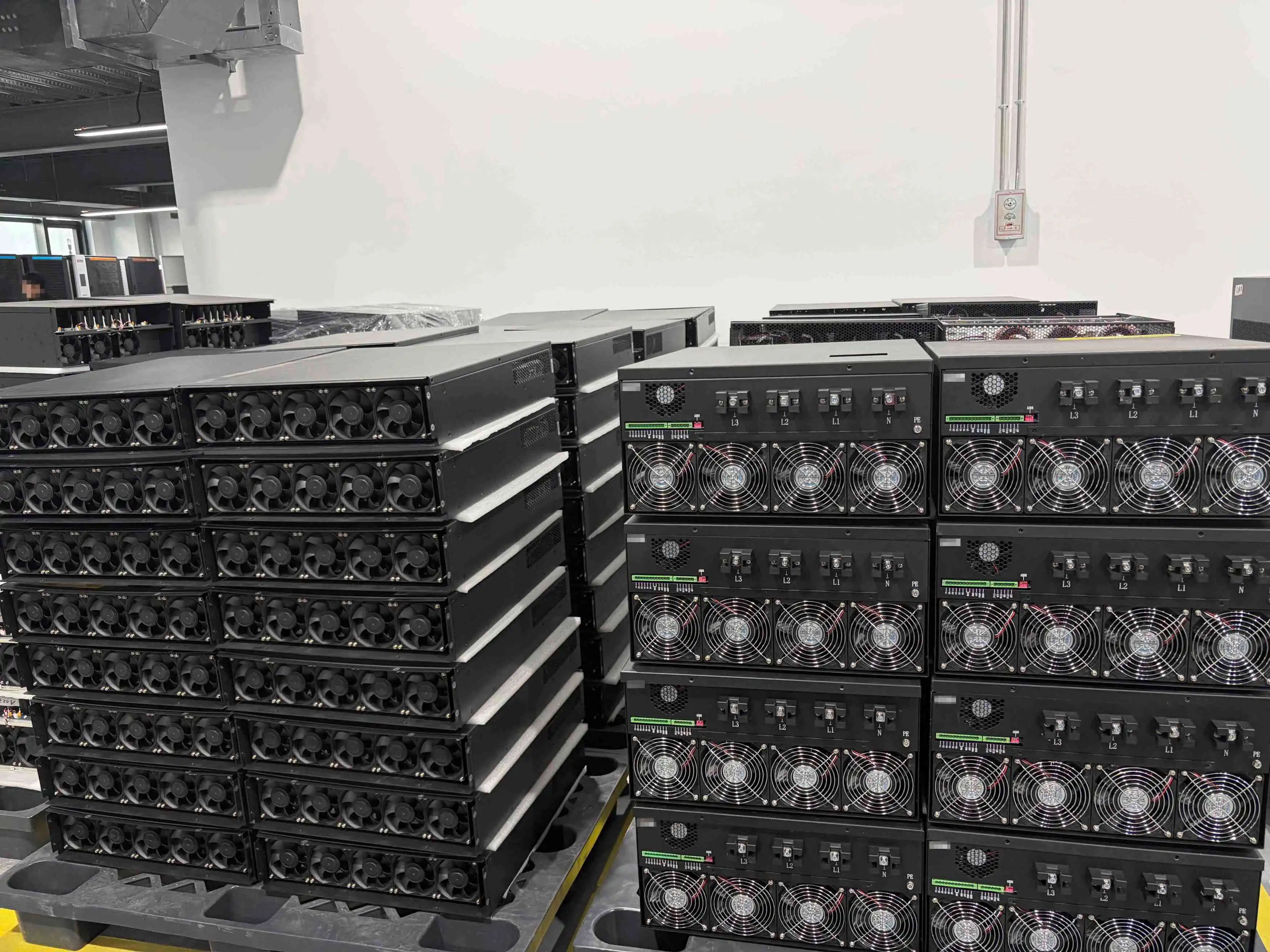
Rack-mounted and wall-mounted setups are both viable options for modern active harmonic filters due to their modular construction, which allows for flexibility. This adaptability makes it possible to install things in places with limited space while yet allowing maintenance tasks to be performed easily. By ensuring that the size is correct, suitable compensatory capacity may be achieved, together with proper safety tolerances for load increase.
Integration with existing electrical infrastructure, including the Active Harmonic Filter, requires careful coordination with facility electrical systems. Proper grounding, adequate short-circuit protection, and appropriate conductor sizing all contribute to successful installations that meet safety standards and performance objectives.
Installation Best Practices and Quality Assurance
Professional installation practices minimize commissioning time and ensure reliable long-term operation. Comprehensive site assessments identify potential installation challenges and ensure compliance with applicable electrical codes. Safety protocols protect personnel and equipment during installation activities.
Quality control measures during installation include verification of electrical connections, commissioning tests, and performance validation. Advanced active harmonic filter systems undergo rigorous factory testing, including 72-hour aging tests and 100% load validation before shipment. These quality measures ensure reliable operation from initial startup.
Procurement Guide for Industrial Buyers of Active Harmonic Filters
Industrial procurement teams face numerous considerations when selecting harmonic mitigation solutions. Balancing performance requirements with budget constraints requires thorough evaluation of available options and supplier capabilities.
Cost Considerations and Value Analysis
While active harmonic filter systems typically require higher initial investment compared to passive alternatives, their operational benefits often justify the additional cost. Energy savings from improved power factor and reduced losses can provide payback periods of two to four years in many applications.
Total cost of ownership analysis should include energy savings, reduced maintenance costs, and improved equipment reliability. Facilities avoiding utility power factor penalties can realize immediate monthly savings that contribute to project economics. Extended equipment life and reduced downtime provide additional value that may exceed the initial filter investment.
Supplier Selection and Risk Management
Reputable manufacturers provide crucial support for successful filter implementations. Established companies offer comprehensive technical support, training, and warranty coverage that protects facility investments. Supplier evaluation should consider manufacturing quality, certification compliance, and local service capabilities.
Lead time management becomes critical for projects with tight schedules or equipment replacement requirements. Working with suppliers who maintain inventory and can provide expedited delivery helps minimize operational risks. Extended warranty terms and responsive after-sales support ensure continued system reliability throughout the equipment lifecycle.
Xi'an Xidian: Advanced Active Harmonic Filter Solutions for Industrial Excellence
Xi'an Xidian Medium & Low Voltage Electric Co., Ltd. delivers cutting-edge active harmonic filter technology designed specifically for demanding industrial applications. Our comprehensive product portfolio addresses diverse harmonic challenges across manufacturing, utility, and commercial sectors with proven reliability and performance.
Innovative Technology and Superior Performance
Our active harmonic filter systems incorporate advanced signal processing technology that prevents resonance and harmonic amplification while maintaining efficiency even under challenging low-voltage conditions. The dynamic harmonic suppression capability adapts continuously to changing load conditions, ensuring consistent power quality across diverse operational scenarios.
Resistance to grid fluctuations represents a key advantage of our filter technology, providing stable operation despite utility voltage variations and transient conditions. This robust performance characteristic proves especially valuable in industrial environments with challenging power quality conditions or areas with less stable electrical infrastructure.
Energy cost reduction capabilities deliver measurable operational savings through improved power factor correction and reduced electrical losses. Our systems, particularly the Active Harmonic Filter, help facilities avoid utility penalties while optimizing overall energy consumption. The rugged reliability of our designs ensures consistent performance in harsh industrial environments with minimal maintenance requirements.
Real-World Applications and Proven Results
Industrial plants benefit significantly from our active harmonic filter solutions, which eliminate power factor penalties associated with CNC machines and automated assembly lines. Our systems handle surge currents up to 100 times their rated capacity, providing exceptional protection against electrical disturbances that could damage sensitive manufacturing equipment.
Substation applications leverage our technology to stabilize voltage against harmonics generated by renewable energy inverters and other intermittent generation sources. This capability proves increasingly important as facilities integrate solar panels, wind generators, and energy storage systems into their electrical infrastructure.
Commercial buildings, including hospitals and shopping centers, successfully retrofit aging electrical systems with our silent operation filters that generate less than 45dB noise. Our flame-retardant capacitors meet NFPA 70 fire codes, ensuring safety compliance in occupied buildings while providing superior harmonic mitigation performance.
Manufacturing Excellence and Quality Assurance
Our commitment to manufacturing excellence ensures every active harmonic filter meets the highest quality standards. Comprehensive certifications including ISO 9001, ISO 14001, CE, UL, and CCC demonstrate compliance with international quality and safety requirements.
Rigorous quality control processes include 72-hour aging tests and 100% load validation before shipment, ensuring reliable performance from initial installation. Our plateau-type equipment meets operational requirements at altitudes up to 4,000 meters while maintaining full technical specifications, making our solutions suitable for diverse geographic locations.
Multiple patented technologies incorporated in our designs provide competitive advantages and superior performance characteristics. Our solutions serve State Grid systems, power engineering projects, steel and metallurgy facilities, petrochemical plants, rail transportation systems, and renewable energy installations throughout global markets.
Conclusion
Active harmonic filter technology provides essential power quality management for modern industrial facilities facing increasing harmonic distortion challenges. These intelligent systems deliver superior performance compared to passive alternatives while providing operational flexibility and long-term value. Proper selection, installation, and maintenance ensure optimal results that improve equipment reliability, reduce energy costs, and enhance overall operational efficiency. Industrial facilities investing in quality active harmonic filter solutions position themselves for sustained operational excellence in increasingly complex electrical environments.
FAQ
1. What performance improvements can facilities expect from active harmonic filter installation?
Facilities typically experience total harmonic distortion reduction from 15-20% to below 5%, meeting IEEE 519 standards. Power factor improvements often reach 0.95 or higher, eliminating utility penalties. Energy savings of 3-7% are common through reduced electrical losses and improved system efficiency.
2. How often do active harmonic filters require maintenance?
Routine maintenance every 6 to 12 months ensures optimal performance and reliability. Maintenance activities include cleaning air filters, checking electrical connections, updating firmware, and verifying calibration settings. Well-maintained systems provide 15-20 years of reliable service with minimal downtime.
3. Are active harmonic filters compatible with existing industrial equipment?
Modern active harmonic filter systems integrate seamlessly with existing electrical infrastructure and nonlinear loads including motor drives, welding equipment, and UPS systems. Proper sizing and configuration ensure compatibility across diverse industrial applications without requiring equipment modifications.
Partner with Xi'an Xidian for Superior Active Harmonic Filter Solutions
Xi'an Xidian combines decades of electrical engineering expertise with innovative active harmonic filter technology to deliver unmatched power quality solutions. Our experienced technical team provides personalized consultations and customized recommendations tailored to your facility's specific requirements. As a leading Active Harmonic Filter manufacturer, we ensure reliable, energy-efficient harmonic mitigation that reduces operational costs while extending equipment lifespan. Contact our specialists at serina@xaxd-electric.com, amber@xaxd-electric.com, or luna@xaxd-electric.com to discover how our proven solutions can enhance your facility's electrical performance and operational reliability.
References
1. Institute of Electrical and Electronics Engineers. "IEEE Recommended Practice and Requirements for Harmonic Control in Electric Power Systems." IEEE Standard 519-2014.
2. International Electrotechnical Commission. "Electromagnetic Compatibility - Environment - Compatibility Levels for Low-Frequency Conducted Disturbances and Signalling in Public Low-Voltage Power Supply Systems." IEC 61000-2-2.
3. Singh, Bhim, et al. "A Review of Active Filters for Power Quality Improvement." IEEE Transactions on Industrial Electronics, vol. 46, no. 5, 1999, pp. 960-971.
4. Akagi, Hirofumi. "Active Harmonic Filters." Proceedings of the IEEE, vol. 93, no. 12, 2005, pp. 2128-2141.
5. Das, Jitendra C. "Power System Harmonics and Passive Filter Designs." John Wiley & Sons, Industrial Power Distribution Engineering, 2018.
6. Moreno-Munoz, Antonio. "Power Quality: Mitigation Technologies in a Distributed Environment." Springer-Verlag London, Power Systems Series, 2007.