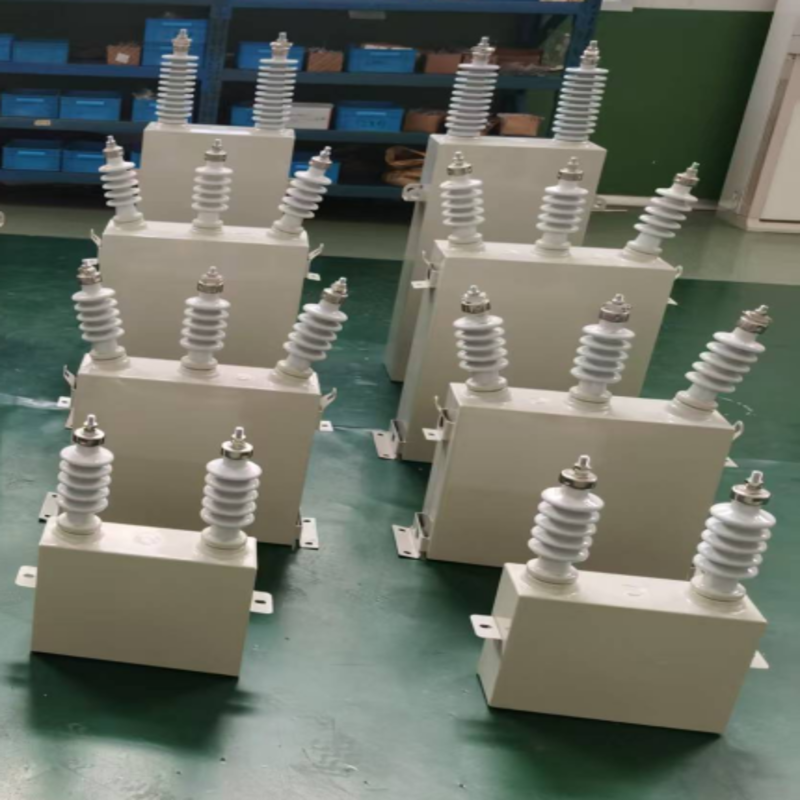
How to choose the right self-healing capacitor for high-voltage applications?
2026-08-04 10:20:10
Voltage levels, dielectric materials, thermal stability, and company certifications must all be considered when choosing a Self-healing Capacitor for high-voltage uses. Self-healing Capacitors use a vaporization mechanism to automatically fix small dielectric breakdowns, ensuring continued operation in harsh environments like power substations, industrial plants, and green energy systems. Understanding these technical factors helps building managers, utility companies, and EPC firms cut down on downtime, improve safety, and get the most out of long-term investments while still following international standards like UL 810 and IEC 60252-1.


Understanding Self-Healing Capacitors: Principles and Benefits
Self-healing capacitors have significantly improved power system stability. These components use vacuum-deposited metallized electrodes (200–500 angstroms thick) on polypropylene or polyester films. When dielectric breakdown occurs, arc energy vaporizes the surrounding metal layer in microseconds—isolating the fault and restoring insulation, preventing catastrophic short circuits. Traditional capacitors require immediate replacement upon failure. Self-healing units continue operating through minor faults with minimal capacitance loss. This resilience is critical in mission-critical environments where unplanned downtime costs thousands per hour—factories, data centers, and hospitals benefit from this fail-safe design.
Comparing Performance Across Capacitor Technologies
Performance metrics reveal significant differences. Self-healing metallized film capacitors achieve insulation resistance above 3000 MΩ·µF and dissipation factor below 0.002 at 1kHz—outperforming foil designs. Self-healing units occupy 40% less space than equivalent-rated foil capacitors. Premium units rated for 105°C operation maintain performance through temperature extremes, while lower-grade options degrade above 85°C. Thermal resistance extends operating life from 30,000 hours (standard) to over 100,000 hours (advanced metallized film)—reducing replacement frequency and lifetime costs.
Real-World Applications Across Industries
Heavy industry power factor correction demonstrates flexibility. Steel mills and automotive assembly lines with inductive loads produce reactive power, incurring demand penalties. Self-healing capacitor banks raise power factor to 0.95 or higher, reducing annual energy costs 15–25%. These capacitors withstand harsh conditions—electromagnetic interference from welders and mechanical shocks from stamping presses. Renewable energy applications benefit as solar inverters and wind converters generate high-frequency switching harmonics. Self-healing metallized film capacitors filter ripple currents and handle voltage surges from lightning or grid issues. Their fault recovery prevents costly inverter failures at remote installations where maintenance logistics are challenging.
Key Criteria for Selecting Self-Healing Capacitors in High-Voltage Use
Evaluating Voltage Ratings and Safety Margins
When choosing a voltage, you need to think about both normal operating levels and short-term overvoltage situations. A common mistake in design is matching the voltage ratings of the capacitors directly to the voltage of the system. This method doesn't take into account the voltage rise from series reactors, harmonic distortion, or brief overvoltages that happen during switching events. Capacitors marked 10-15% above the highest voltage that is expected should be chosen by engineers. Putting a capacitor rated at 525V on a device that only has 480V gives you enough room for voltage changes while keeping the capacitance stable.
Based on failure mode requirements, safety classifications set out in IEC 60252-1 affect the choice of product. Because S0-class capacitors don't have any built-in safety measures, they can't be installed without being watched. S1-class units have fuse elements or pressure disconnectors that open the circuit when something goes wrong, keeping fires from starting. The best protection is found in S2/S3 classifications, which use segmented film construction or pressure-sensitive interrupting mechanisms. To meet insurance requirements and government rules, critical infrastructure applications need capacitors with an S2/S3 rating.
Assessing Dielectric Materials and Thermal Performance
Which dielectric material you choose affects both how well it conducts electricity and how well it can handle the surroundings. When it comes to temperature stability and dissipation factors, polypropylene film (MKP) is better than polyester film (MKT). When the temperature goes from -40°C to +85°C, MKP capacitors keep their capacitance within ±5%, but MKT types show ±10% drift in the same conditions. This stability is important for precise tasks like motor drives and inverter circuits, where changes in capacitance can affect how well the controls work.
Thermal control is more than just setting the right temperature for the room. During operation, dielectric losses and ESR discharge cause internal heating that builds up, causing temperature gradients within the capacitor windings. Thermal modelling is used in high-end designs to find the best winding shape and heat dissipation routes. Capacitors with PU resin filling move heat better than designs that are filled with air, which lets them handle higher current levels without going over their temperature limits. Checking the actual operating temperature with thermal imaging during commissioning keeps hot spots from causing things to age faster than they should.
Physical Integration and Mounting Considerations
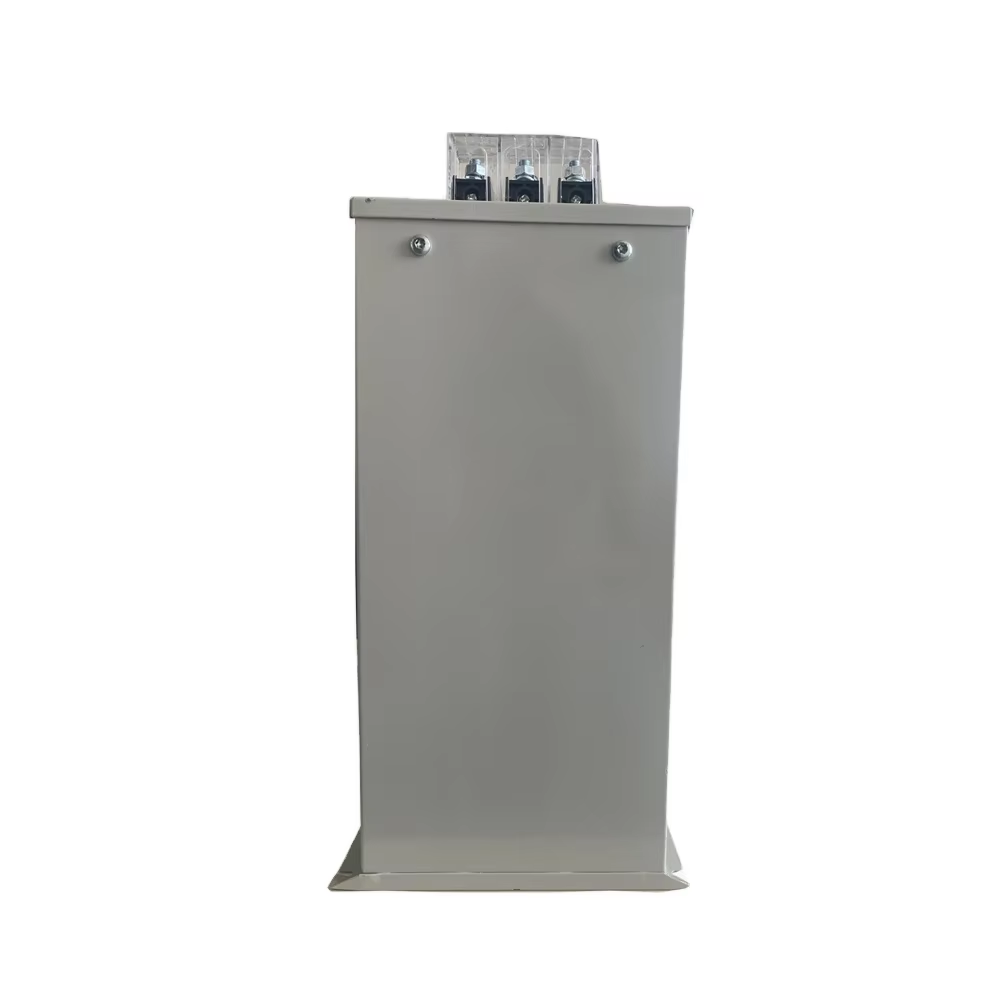
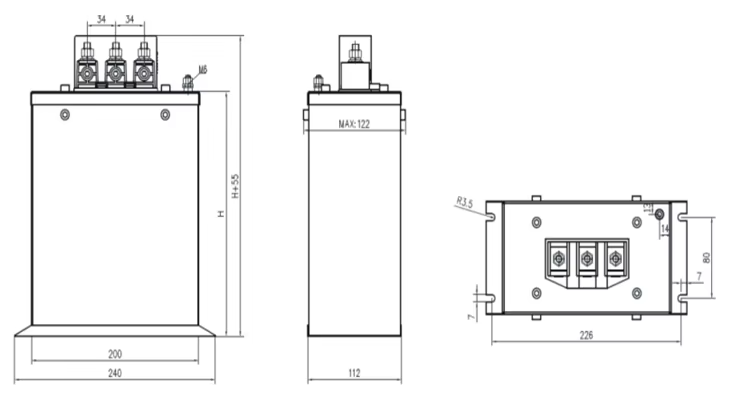
Dimensions affect whether or not an installation is possible, especially in retrofit projects where space is limited. With 30kvar reactive power compensation in a 242mm-high package, the 400V Self-healing Capacitor cylindrical BKMJ0.46-30-3 is a prime example of compact design principles. This saves room so that current capacitor banks can be upgraded without having to change the cabinets. This cuts down on project costs and installation time. The small cylinder shape also makes it easier to set up multiple units in parallel for scalable reactive power options.
Vibration resistance of mounting tools affects how reliable something will be in the long run. When capacitors have grounding bolts and stronger mounting frames, they can handle mechanical stress in places where machines are turning or there is earthquake activity. Terminal configurations should work with the wiring that is already in place. For example, screw terminals make field connections easier for maintenance workers, while solder lugs work well in automated production settings. Checking for mounting compatibility during design stops changes in the field that hurt the quality of the installation.
Comparing Self-Healing Capacitors: Choosing Between Types and Brands
Understanding Metallization Technologies
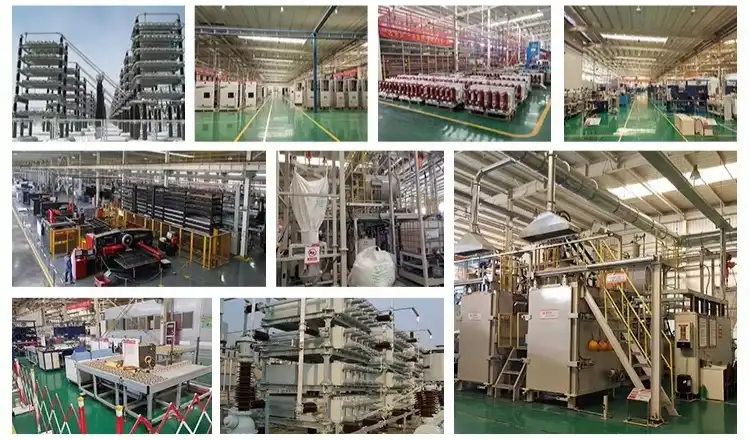
Manufacturing methods significantly affect self-healing performance and operational life. Heavy-edge metallization concentrates conductor thickness at film edges, reducing resistive losses during high-current pulses while maintaining thin central regions for effective clearing. Gradient metallization varies conductor width across the film surface, balancing current-carrying capacity with self-healing capability. These innovations distribute thermal stress evenly, extending equipment lifespan. Long-term reliability depends on production quality control—precision winding systems maintain consistent film tension, preventing layer mismatch and voltage stress concentrations. ISO 9001-certified processes include 72-hour load switching tests, impulse voltage checks, and thermal shock tests before shipment, eliminating infant mortality failures.
Evaluating Manufacturer Credentials and Supply Chain Reliability
When evaluating a supplier, more than just looking at product datasheets is important. Technical help skills and the stability of the supply chain are also important. During the planning stages of a project, manufacturers with application engineering teams do estimates for sizes, harmonic analysis, and heat modelling. This technical cooperation stops specification mistakes that cause failures to happen too soon or not enough reactive power correction. Custom designs, such as changed lead lengths, special mounting brackets, or different voltage levels, let you make solutions that fit the needs of your installation.
Management of lead times changes the schedule of projects and the cost of supplies. Well-known makers keep popular configurations in stock, so standard orders can be shipped within two weeks. Custom specifications mean that the manufacturing process takes longer, usually four to six weeks, depending on how complicated the requirements are. When procurement teams know these dates, they can balance the costs of keeping supplies with meeting project goals. You should also look closely at the warranty terms. Coverage periods that range from three to ten years show that the maker is confident in the product's durability and is ready to back up the performance of the installed base.
Analyzing Total Cost of Ownership
The price of the purchase is only one part of lifetime economics. Self-healing Capacitors with lower-cost but shorter operational lifespans generate higher total ownership expenses through frequent replacements and associated labor costs. To figure out the lifecycle cost, you have to guess how often you will need to replace something based on the temperature, voltage stress, and duty cycle severity. A premium capacitor that costs 30% more but lasts twice as long is a better deal because it requires less maintenance and doesn't need to be replaced as often.
Over the course of several years, changes in energy efficiency add up to big saves for operations. Capacitors with discharge factors less than 0.2W/kvar have less internal losses, which means they use less energy. Getting losses down from 0.5W/kvar to 0.2W/kvar in a 500kvar capacitor bank that works 8000 hours a year saves 1200kWh a year. At average industrial energy rates of $0.12/kWh, this improvement in efficiency earns $144 a year, covering the higher cost of the product within three to five years while lowering its carbon footprint.
Troubleshooting and Ensuring Longevity of Self-Healing Capacitors
Identifying Common Failure Indicators
Finding degradation early on stops breakdowns that happen out of the blue and throw off production plans. Monitoring capacitance drift is the most accurate way to tell how well a product is working. Metallized film capacitors lose about 2% to 3% of their capacitance during the first 1000 hours of use as their Self-healing Capacitor system fixes any problems caused by poor manufacturing. When capacitance loss goes over 0.5% per year, it means that the device is ageing faster because of overvoltage stress, high temperature, or harmonic overloading. By checking the phase current every three months, you can see patterns that help you guess when a part will stop working, so you can replace it during planned maintenance windows.
A physical check shows that the surroundings is damaged and needs to be fixed. Case bulge means that there is too much pressure inside the case, which could be caused by gas production during repeated self-healing events or water getting in. Dyeing around the terminals could be a sign of overheating caused by loose connections or conductors that are too small. Regular thermal imaging finds hot spots that are warmer than the recommended temperatures. This means that the performance of the cooling system or the amounts of harmonic current need to be looked into. Taking care of these problems right away stops major fails that damage nearby equipment or put people in danger.
Implementing Preventive Maintenance Strategies
Optimisation of operating conditions greatly increases the service life beyond what was originally expected. Keeping the temperature below 40°C by using air conditioning or enough ventilation lowers the heat stress that makes dielectric ageing happen faster. For every 10°C drop in temperature, insulation lasts twice as long. This makes climate control very cost-effective in hot places. Accumulation of dust on capacitor surfaces stops heat from escaping; cleaning ventilation paths every three months keeps thermal performance high and stops overheating in one area.
Voltage management stops Self-healing Capacitor depletion from happening too soon. By setting up voltage tracking systems with warning levels at 110% of nominal voltage, you can respond to utility overvoltage situations before they cause damage to the capacitors. Installing series reactors limits inrush currents and lowers voltage harmonics, which lowers electrical stress during switching operations. These safety steps work together to make operating life last longer, from the usual 10 years to 15–20 years in well-kept installations.
Planning Strategic Replacement Cycles
When to replace something strikes a balance between reliability risk and cost-effectiveness. Conservative replacement at 80% of predicted service life lowers the chance of failure but costs more than it needs to. Condition tracking metrics and data-driven methods let you make choices based on facts that get the most out of your assets. When the measured capacitance falls below 95% of the nameplate rating, planning for a replacement should start so that lead times for parts can be taken into account and maintenance can be scheduled. This cautious method keeps replacements from having to be made at the last minute, when costs are highest for downtime.
In some cases, the chance to update technology makes it worth replacing it faster. Newer versions of capacitors use less energy, take up less space, and have better safety features that make them more useful than just replacing them. By saving energy, reducing the amount of space needed, or making the power better, analysing the economics of an upgrade during planned outages may show a net-positive return on investment. With these planned changes, reactive maintenance is turned into capital improvements that create value.
Procurement Strategies for Bulk and Custom Self-Healing Capacitor Orders
Conducting Comprehensive Requirement Assessments
Creating accurate specifications keeps expensive mistakes from happening when bought parts don't meet the needs of the application. When you do a system study, you should be able to measure the reaction power needs, voltage levels, harmonic content, and environmental conditions. Power factor measurements taken under different load conditions show how much correction power is needed to reach the target power factor in all operating situations. Harmonic spectrum analysis checks to see if detuned reactor setups are needed to stop resonance situations that make harmonic currents stronger and speed up the ageing of Self-healing Capacitor units.
Evaluating the environment affects the choice of products and safety steps. To keep moisture and dust out, outdoor setups need ingress protection grades of IP54 or higher. In coastal areas, salt fog rusting must be stopped with conformal coatings or sealed containers. For places above 1000 meters, the voltage needs to be lowered or high-altitude capacitors need to be specially made to keep their full values at lower atmospheric pressure. Including all of these requirements in the documentation makes sure that suppliers provide the right product configurations.
Verifying Supplier Qualifications and Product Compliance
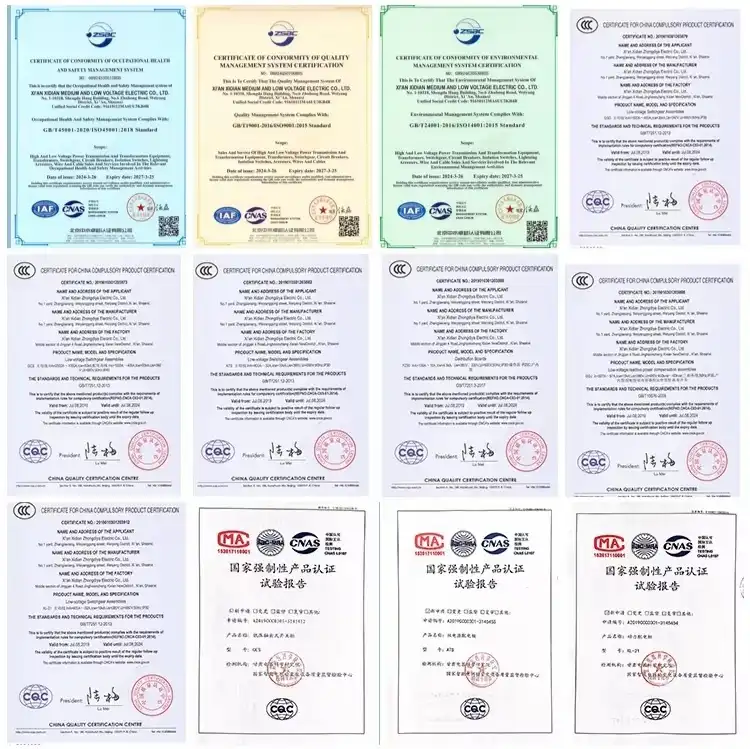
Doing research on possible providers guards against problems with quality and disruptions in the supply chain. Asking for ISO 9001 and ISO 14001 certificates shows that you are serious about quality control and being good to the environment. Regulatory agreement is confirmed by looking at test results that show compliance with IEC 60252-1, UL 810, and any other relevant regional standards. Site audits of manufacturing facilities show how products are made, how quality control is done, and how limited capacity affects the reliability of deliveries.
Before making large purchases, performance claims are checked with sample testing. By asking for pre-production samples, you can check the electrical parameters, dimensional accuracy, and quality of the construction on your own. Third-party testing labs can do accelerated life tests, impulse voltage checks, and environmental stress tests that show flaws that aren't clear from looking at the datasheet. This investment in validation testing stops the widespread use of substandard parts that lead to guarantee claims and damage to the company's image.
Negotiating Terms for Long-Term Partnership Success
Making a volume promise can help you get better prices and make sure that you have enough supplies when the market is low. Getting yearly purchase deals with quarterly release plans is a good way to combine the costs of keeping inventory with the benefits of volume discounts. Flexibility terms that let you change the amount by up to 20% allow for changes in demand without incurring any fees. Increasing payment terms to net-60 or net-90 days helps businesses better handle their cash flow, especially project-based companies that have longer billing cycles.
In supplier agreements, technical support terms should be made clear. Setting reaction times for application engineering help, failure analysis support, and field service actions keeps people from getting confused during key project stages. Training programs for people who do construction and upkeep work add value beyond just providing products. They build internal skills that make companies less reliant on outside resources. By fixing problems faster and making the system run better, these investments in relationships give businesses a competitive edge.
Conclusion
It's important to strike a balance between technical requirements, cost, and supplier skills when selecting a Self-healing Capacitor for high-voltage uses. The voltage ratings must be higher than the system levels by a sufficient amount, the dielectric materials should be suitable for the temperature and environment, and the safety classifications must match the risk profiles of the installation. By looking at the credentials of the manufacturer, learning about metallization technologies, and figuring out the total cost of ownership, you can make smart choices that improve reliability and lifecycle value. Condition tracking programs and smart maintenance practices can help extend the life of a system and keep it from breaking down when you least expect it to. Strategies for buying things that focus on detailed specification development, supplier verification, and long-term partnership terms make sure that there is a steady supply of parts that support operating excellence in business, utility, and industrial settings.
FAQ
1. How do self-healing capacitors enhance safety in high-voltage systems?
Self-healing Capacitors stop catastrophic failures by automatically eradicating dielectric faults before they turn into long-lasting short circuits. The metallization vaporization process quickly separates harmed areas, which gets rid of the fire and blast risks that come with regular capacitor failures. Safety-rated S2/S3 units have pressure disconnectors that stop the flow of current if repeated healing events cause too much internal pressure, adding another layer of protection for installations that are left alone.
2. What datasheet parameters are most critical for purchase decisions?
The most important specification parameters are the voltage rating, the capacitance tolerance, the dissipation factor, the insulation resistance, and the temperature class. To account for spikes, the voltage rating should be 10-15% higher than the maximum system voltage. Low internal losses are shown by dissipation factors below 0.002. Leakage current is kept to a minimum by insulation resistance above 3000 MΩ·µF. The temperature class (85°C to 105°C) must match the outside temperature plus the heat inside from electricity losses.
3. Can self-healing capacitors operate reliably in extreme temperature environments?
From -40°C to +85°C or +105°C, based on the temperature class, advanced Self-healing Capacitors keep their performance stable. When working at low temperatures, you need to pay attention to how the dielectric stiffness changes during thermal cycling. For high-temperature uses, you need high-quality polypropylene films and better thermal control through resin potting or forced air cooling. When environmental factors are matched correctly to product scores, the product will work reliably in all temperature zones.
Partner With Xi'an Xikai for Superior Self-Healing Capacitor Solutions
Our extensive Self-healing Capacitor line, which includes the high-performance 400V cylindrical BKMJ0.46-30-3 type, demonstrates Xi'an Xikai's skill in improving power quality. Our production skills cover voltage ranges from 250V to 2000V, and they are backed by more than 20 years of technical innovation and more than 15 patents. For industrial plants, utility systems, and EPC companies that need reliable reactive power repair, we offer customized solutions as a reputable Self-healing Capacitor maker. Our ISO 9001-certified quality systems make sure that every unit goes through a lot of tests, such as thermal shock verification and 72-hour load cycles. You can email our technical team at serina@xaxd-electric.com, amber@xaxd-electric.com, or luna@xaxd-electric.com to talk about your specific application needs, get detailed datasheets, or get quotes for large orders.
References
1. Chen, W., Zhang, L., & Wang, M. (2021). Metallized Film Capacitor Technology for High-Voltage Power Electronics. IEEE Transactions on Power Electronics, 36(8), 9234-9247.
2. International Electrotechnical Commission. (2020). IEC 60252-1: AC Motor Capacitors – Part 1: General Performance, Testing and Rating. Geneva: IEC Publications.
3. Kumar, R., & Patel, S. (2022). Self-Healing Mechanisms in Metallized Film Capacitors: A Comprehensive Review. Journal of Energy Storage, 48, 103956.
4. Li, Q., Zhao, H., & Liu, Y. (2023). Thermal Management Strategies for High-Voltage Capacitor Banks in Industrial Applications. Electric Power Systems Research, 215, 108991.
5. Schneider, J., & Mueller, T. (2021). Reliability Assessment of Self-Healing Capacitors in Renewable Energy Systems. Renewable Energy, 179, 1456-1468.
6. Underwriters Laboratories. (2019). UL 810: Standard for Safety Capacitors. Northbrook: UL Standards & Engagement.