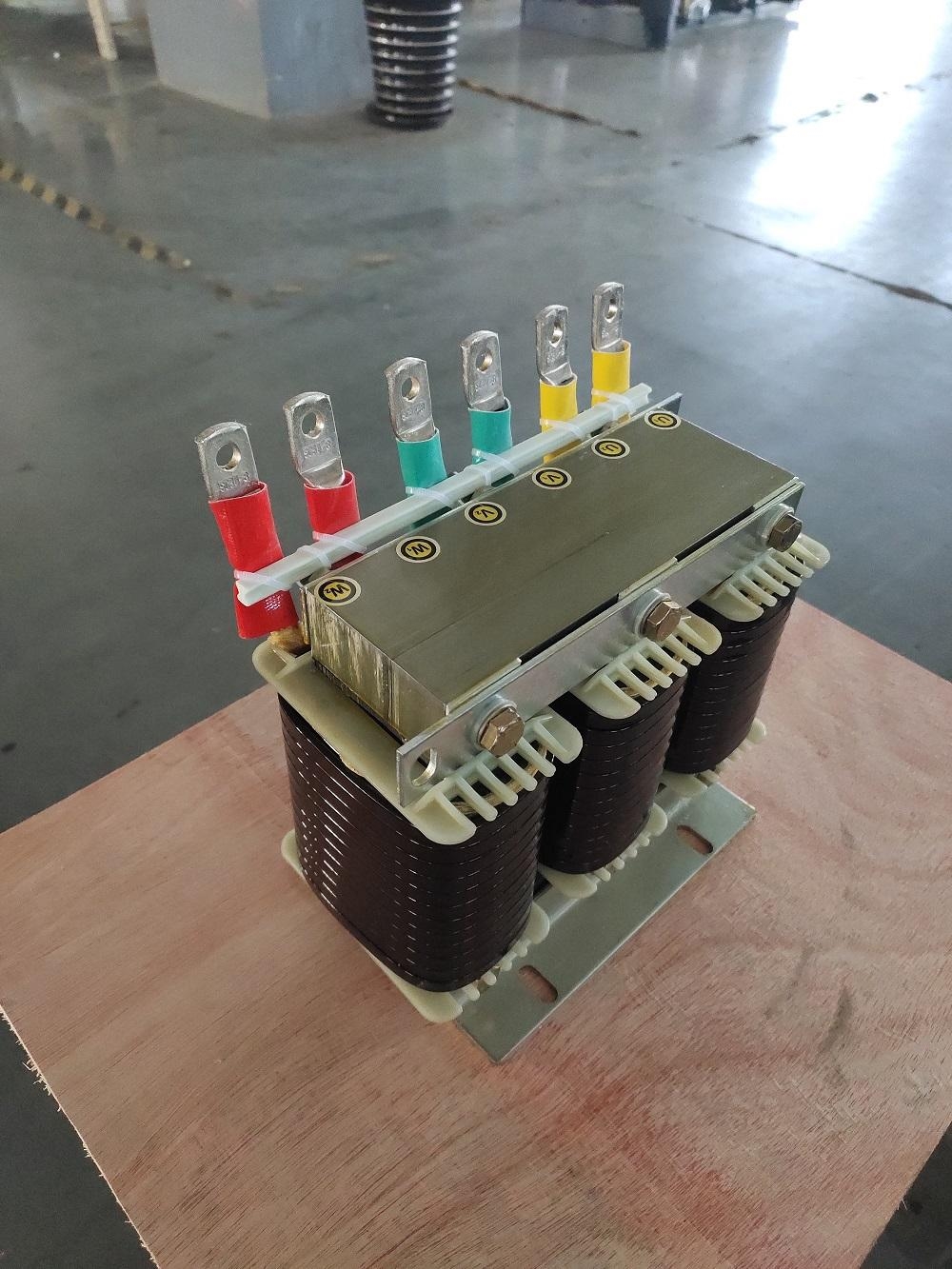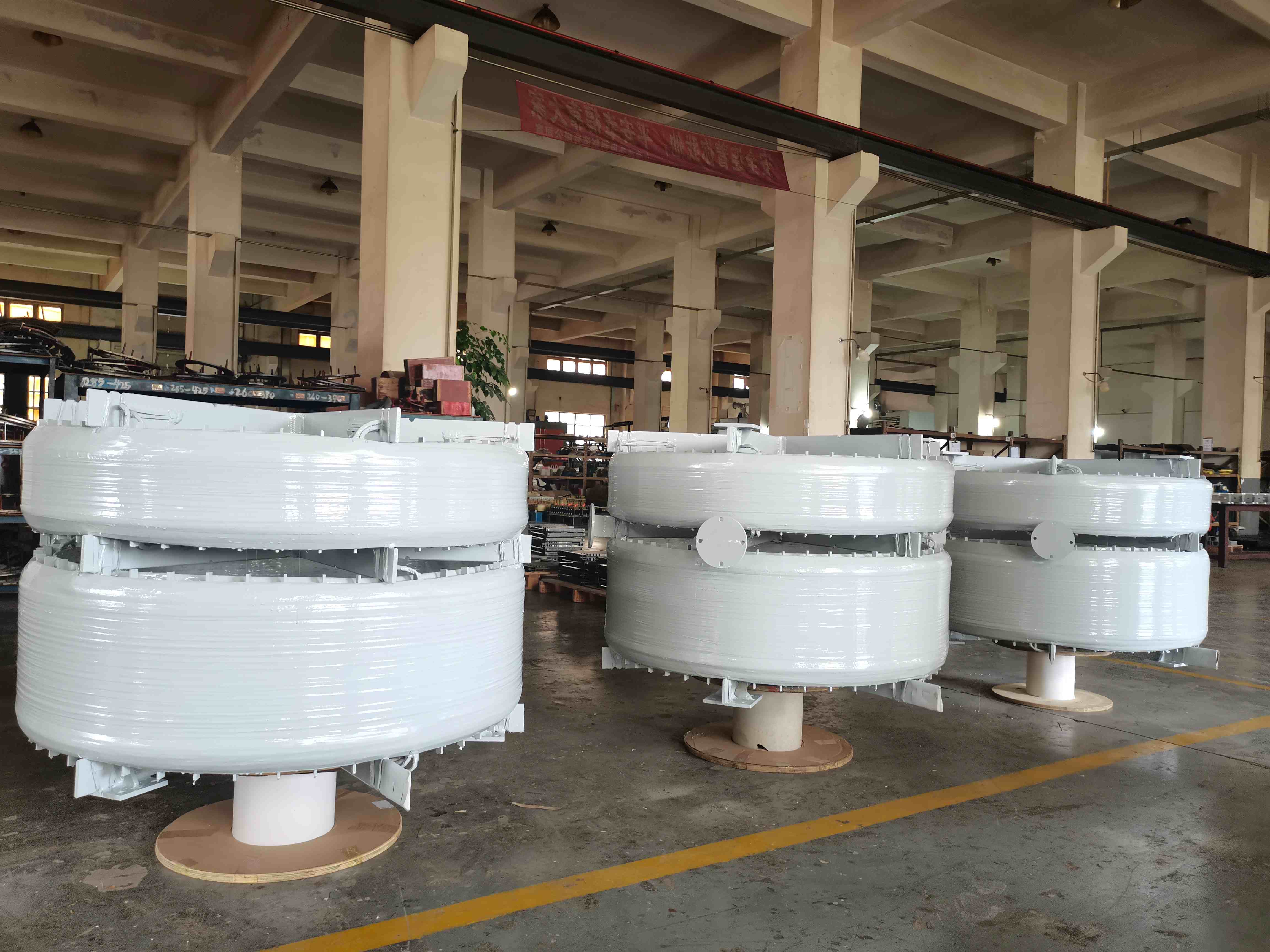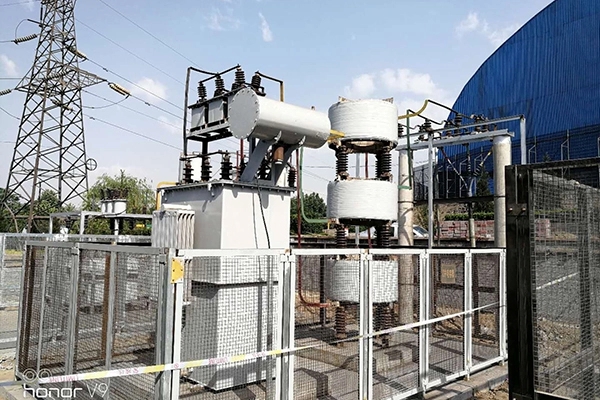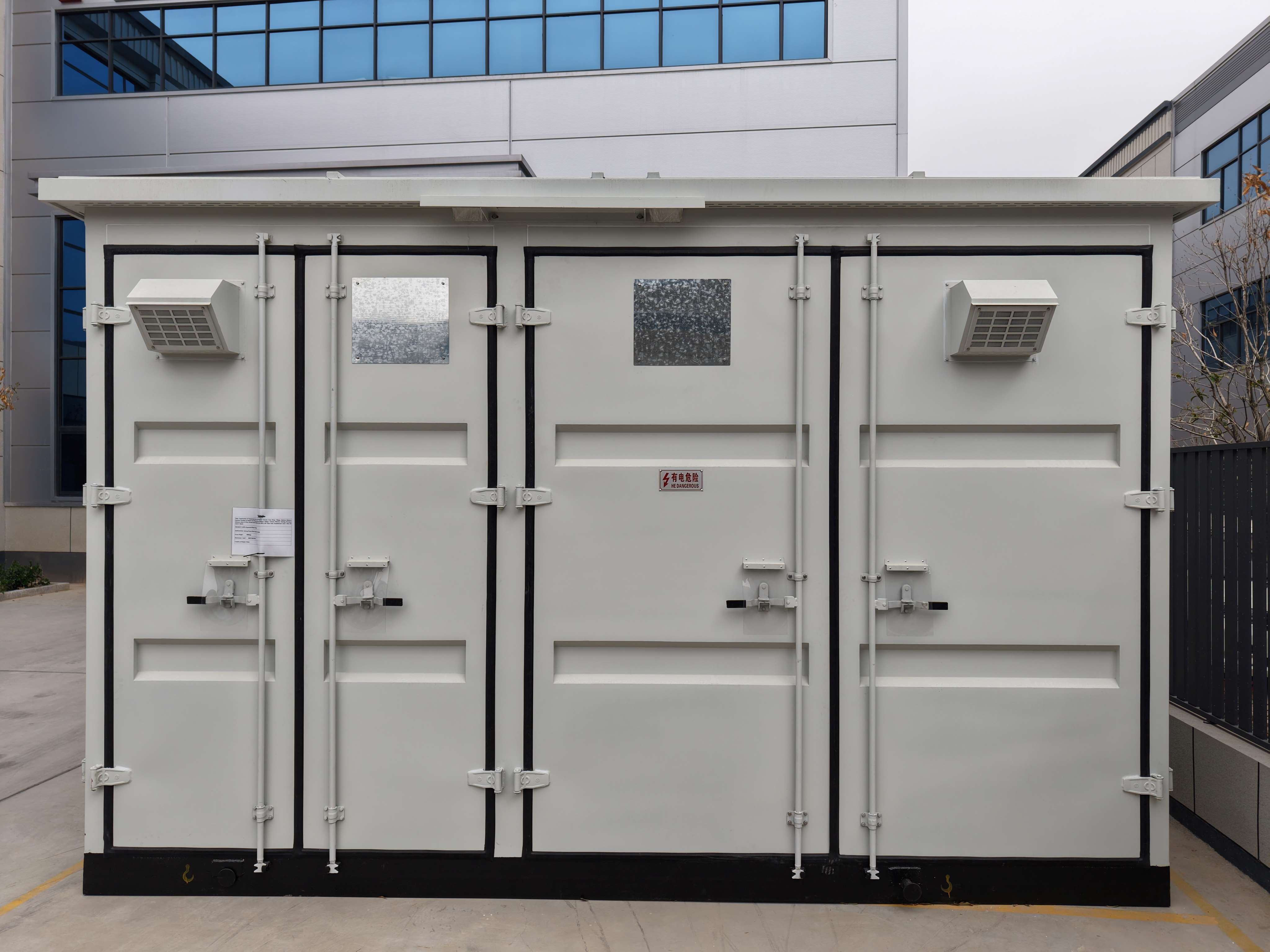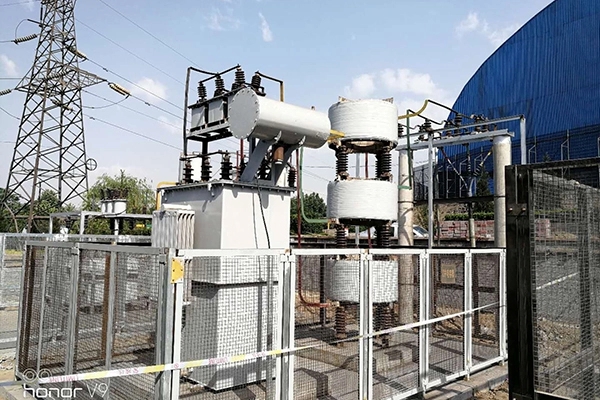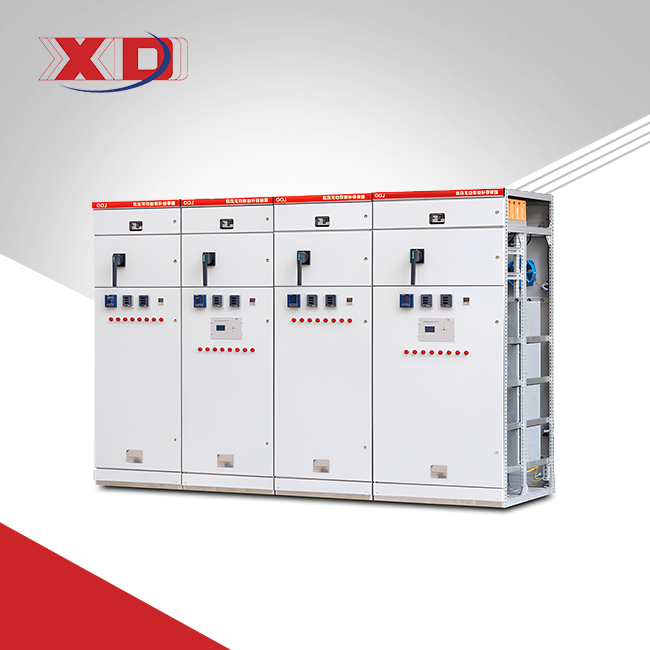
GGJ Low Voltage Reactive Power Intelligent Compensation Device
HV Disconnect Switch Suppliers Worldwide
2026-03-17 16:10:25
When searching for High Voltage Disconnect Switch suppliers worldwide, China is a key manufacturing hub that offers notable advantages in cost, technology, and production capacity. Chinese manufacturers provide a full range of electrical isolation solutions, from 12kV to 800kV systems, serving global markets with reliable performance. The country’s well-established supply chain and advanced manufacturing capabilities make it a viable sourcing destination for industrial facilities, utilities, and EPC contractors seeking quality switchgear components. China’s electrical equipment manufacturing sector has developed significantly over the past three decades, shifting from a focus on cost efficiency to a balanced emphasis on technological innovation and quality. Major industrial regions such as Xi’an, Shanghai, and Shenzhen are home to sophisticated production facilities that meet international standards. The concentration of technical talent, combined with efficient logistics networks, allows Chinese manufacturers to deliver complex electrical solutions to global markets in a timely manner.
 |
 |
Manufacturing Excellence: China's High Voltage Disconnect Switch Advantages
Advanced Production Infrastructure
Chinese manufacturers have invested heavily in state-of-the-art production facilities equipped with precision machining centers, automated testing equipment, and climate-controlled assembly environments. Modern factories utilize computer-controlled manufacturing processes that ensure consistent quality across large production runs. This technological infrastructure enables manufacturers to produce disconnect switches with tight tolerances and reliable performance characteristics. The integration of Industry 4.0 concepts has revolutionized production monitoring and quality control. Real-time data collection systems track every manufacturing step, from raw material inspection to final testing. This comprehensive approach reduces defects and ensures that each disconnect switch meets stringent performance specifications.
Cost-Effective Engineering Solutions
Chinese manufacturers are skilled in value engineering, optimizing product designs to reduce material costs while preserving performance standards. This approach typically results in 30–40% cost savings compared to European or American alternatives, without compromising reliability. Engineers leverage local supply chains to source high-quality materials at competitive prices, passing these efficiencies on to international customers. The ready availability of specialized components—such as aluminum alloy conductors, self-lubricating bushings, and hot-dip galvanized bases—from domestic suppliers further enhances cost advantages. This integrated supply chain model shortens lead times and reduces inventory costs for manufacturers.
Technological Innovation Capabilities
Many leading Chinese manufacturers operate dedicated R&D centers staffed with experienced engineers who understand global market needs. These teams develop targeted solutions, such as smart grid-compatible disconnect switches with IoT monitoring functions and enhanced safety features. The combination of technical expertise and market insight drives continuous product refinement. Collaboration with international technology partners has accelerated knowledge transfer and the adoption of best practices. Chinese manufacturers now incorporate advanced materials science, precision manufacturing techniques, High Voltage Disconnect Switch, and rigorous testing protocols that meet or align with international standards
Comprehensive Manufacturer Selection Criteria
Technical Capability Assessment
Evaluating a manufacturer’s technical strength involves reviewing their engineering expertise, production equipment, and testing facilities. Request detailed information about their design software, simulation tools, and prototype development processes—manufacturers with advanced CAD/CAE systems demonstrate the ability to optimize designs and accurately predict performance. Assess the capabilities of their testing laboratories, including high-voltage testing equipment, mechanical endurance systems, and environmental simulation chambers. These facilities reflect the manufacturer’s commitment to quality validation and compliance with international standards.
Production Capacity Evaluation
Evaluate manufacturing capacity by examining production line configurations, equipment utilization rates, and workforce skills. Manufacturers with flexible production systems can adapt to varying order volumes and customization needs. Inquire about annual production volumes, typical lead times, and their ability to handle urgent orders. Understanding a manufacturer’s supply chain partnerships is also key to assessing their ability to maintain stable production schedules. Strong relationships with suppliers ensure consistent material availability and minimize production disruptions
Quality Management System Verification
Review the manufacturer’s quality management documentation, including process control procedures, inspection protocols, and corrective action mechanisms. ISO 9001 certification provides a baseline for quality assurance, while additional certifications like ISO 14001 (environmental management) and OHSAS 18001 (occupational health and safety) indicate a more mature management system. Request quality performance data, such as defect rates, customer complaint statistics, and on-time delivery records. Transparent manufacturers will share this information and discuss their continuous improvement initiatives.
Financial Stability Analysis
Assess a manufacturer’s financial stability through credit reports, bank references, and financial statements. Stable companies invest consistently in equipment upgrades, staff training, and quality improvements—this financial resilience ensures long-term partnership viability and reliable warranty support. Consider the diversity of their customer base and market presence. Manufacturers serving multiple industries and regions tend to have greater adaptability and resilience to market fluctuations.
Customer Reference Validation
Contact existing customers to gather first-hand feedback on product quality, delivery performance, and technical support. Prioritize customers with similar applications to your own for relevant insights, and ask about their experience with problem resolution and after-sales service. Review case studies and project portfolios to understand the manufacturer’s experience with complex applications. Successful completion of challenging projects is a strong indicator of technical competence High Voltage Disconnect Switch and project management ability.
Essential Certification Requirements and Standards
International Compliance Standards
High-voltage disconnect switches must comply with relevant international standards based on their target markets. IEC 62271-102 sets global specifications for AC disconnectors and earthing switches, covering electrical, mechanical, and environmental requirements. IEEE C37.32 applies to the North American market, while GB/T 1985 outlines Chinese domestic standards. Manufacturers must demonstrate compliance through comprehensive type testing by accredited laboratories. These tests verify electrical performance, mechanical endurance, environmental resistance, and safety features. Request certified test reports to ensure they cover all applicable standard requirements.
Regional Certification Requirements
European markets require CE marking, which confirms conformity with EU directives for electromagnetic compatibility, low-voltage equipment, and machinery safety. RoHS certification ensures compliance with restricted substance regulations, and REACH registration addresses chemical safety requirements. North American markets typically require UL listing or CSA certification for safety compliance. Clarifying specific regional requirements early helps avoid costly delays and ensures smooth market entry.
Quality System Certifications
ISO 9001 certification provides fundamental assurance of a structured quality management system, covering design, procurement, production, and customer service. ISO 14001 certification demonstrates a commitment to environmental responsibility and sustainable manufacturing. Industry-specific certifications such as KEMA-KEUR or CESI offer additional third-party validation of product performance and reliability. These certifications are often valued by utility customers and consulting engineers
Strategic Sourcing Channels and Platforms
Direct Manufacturer Engagement
Establishing direct relationships with manufacturers offers greater control over specifications, pricing, and delivery schedules—this approach is particularly suitable for customers with large volume needs or specific technical requirements. Direct engagement also enables collaborative product development and customization. Attend international trade shows such as the China Import and Export Fair (Canton Fair), SNEC Shanghai, or EP China to meet manufacturers in person. These events provide opportunities to evaluate product quality, assess manufacturing capabilities, and build professional relationships.
B2B Platform Utilization
Online B2B platforms offer convenient access to multiple manufacturers and streamline preliminary screening. Platforms like Alibaba, Made-in-China, and Global Sources host thousands of electrical equipment suppliers with detailed product catalogs and company profiles. Use filtering tools to identify manufacturers that meet your certification, capacity, or technical criteria. Verify supplier credentials through platform verification programs and customer reviews. Many platforms also offer value-added services such as trade assurance, third-party inspections, and secure payment processing.
Industry Association Networks
Chinese electrical industry associations maintain member directories, High Voltage Disconnect Switch, and can provide referrals to reputable manufacturers. The China Electrical Equipment Industrial Association (CEEIA) represents numerous established companies and can facilitate introductions to suitable suppliers. Professional associations often host technical conferences and networking events where manufacturers showcase their latest technologies. These events are ideal for technical discussions and relationship building.
Third-Party Sourcing Services
Professional sourcing agents and consulting firms offer local market expertise and can simplify the supplier selection process—this is valuable for companies without a local presence or language capabilities. Experienced agents understand cultural nuances and can facilitate effective communication. Quality assurance firms provide independent factory audits, product inspections, and compliance verification. These third-party validations reduce sourcing risks and add credibility to your supplier selection.
OEM and ODM Partnership Strategies
Design Collaboration Frameworks
Successful OEM partnerships require clear design collaboration frameworks that define responsibilities, timelines, and quality expectations. Establish detailed technical specifications, including electrical performance, mechanical characteristics, and environmental operating conditions. Comprehensive documentation prevents misunderstandings and ensures accurate product development. Clarify intellectual property ownership and sign confidentiality agreements upfront to protect proprietary designs and market information. Chinese manufacturers increasingly respect IP rights, and formal agreements provide additional protection.
Customization Capabilities Assessment
Evaluate a manufacturer’s customization ability by reviewing their past custom projects and design modifications. Assess their capacity to adapt standard products for specific applications or develop new designs. Manufacturers with strong engineering teams can also provide valuable suggestions for design optimization. Consider their prototyping capabilities and willingness to produce small batches for testing. Flexible manufacturers will accommodate iterative design processes and provide samples for thorough evaluation
Communication Protocol Establishment
Set clear communication protocols, including regular progress reports, technical review meetings, and issue escalation procedures. Designate dedicated contact persons on both sides to ensure consistent information flow and relationship continuity. Leverage modern tools such as video conferencing, collaborative design platforms, and project management software to maintain coordination despite geographic distances. Regular communication helps address small issues before they escalate.
Effective MOQ and Pricing Negotiation Approaches
Market Price Benchmarking
Conduct thorough market research to understand typical pricing ranges for comparable products, considering factors like specifications, quality levels, and included services. While Chinese manufacturers often offer competitive pricing, unusually low quotes may indicate compromised quality or hidden costs. Request detailed cost breakdowns (materials, labor, overhead, profit) to gain transparency. Reputable manufacturers will explain their cost structures and price variations, enabling more informed negotiations and identifying potential cost-saving opportunities.
Volume Commitment Strategies
Manufacturers generally offer better pricing for larger volume commitments or multi-year agreements. Consider consolidating requirements across multiple projects or facilities to achieve economies of scale, and frame negotiations around the total value of the partnership rather than individual orders. Provide realistic volume forecasts and discuss potential growth opportunities. Manufacturers are more likely to offer preferential pricing to secure long-term partnerships with growth potential.
Payment Term Negotiations
Payment terms significantly impact project costs and cash flow. Standard international trade terms include letters of credit, wire transfers, and documentary collections—negotiate schedules that balance risk management with competitive pricing. Explore trade finance options such as supplier financing or export credit facilities, which may reduce overall transaction costs. Some manufacturers offer extended payment terms to established customers with strong credit profiles.
Contract Flexibility Provisions
Include contract provisions for specification changes, delivery schedule adjustments, and volume modifications. Flexible agreements can adapt to changing project requirements without the need for expensive contract renegotiations. Define change order processes and pricing methodologies upfront. Address force majeure situations, quality issues, and dispute resolution mechanisms in contract terms. Clear agreements help reduce relationship stress and provide practical frameworks for problem resolution.
Factory Audit and Quality Control Best Practices
Comprehensive Audit Planning
Develop detailed audit checklists covering quality systems, production capabilities, testing facilities, and management practices. Focus on areas most critical to your specific requirements and applications. Coordinate audit timing to observe actual production processes and quality control activities. Include technical experts in audit teams who can evaluate manufacturing processes and quality control effectiveness. Their expertise provides useful insights into production capabilities and potential quality risks.
Production Process Evaluation
Observe manufacturing processes firsthand to assess quality control implementation and worker competency. Examine material handling procedures, production equipment condition, and work instruction documentation. Well-organized facilities with clear procedures generally produce consistent quality. Review production records and quality data to understand process stability and capability. The implementation of statistical process control indicates a well-developed quality management system and predictable output quality.
Testing Laboratory Assessment
Evaluate testing laboratory capabilities, including equipment calibration, testing procedures, High Voltage Disconnect Switch and technician qualifications. Verify that testing equipment covers all necessary parameters and meets accuracy requirements for relevant standards. Review test data from recent production to assess testing thoroughness and result consistency. A comprehensive testing program demonstrates a manufacturer’s commitment to quality validation and continuous improvement.
Supply Chain Verification
Examine key supplier relationships and material quality control procedures. Manufacturers with strong supplier management systems generally deliver more consistent product quality. Review supplier audit programs and material inspection procedures. Assess inventory management practices and material traceability systems. These capabilities are important during quality investigations or product recalls.
Conclusion
Selecting the right High Voltage Disconnect Switch manufacturer in China requires a systematic evaluation of technical capabilities, quality systems, and business practices. Success depends on thorough due diligence, clear communication, and the development of strategic partnerships. Chinese manufacturers offer valuable value propositions through competitive pricing, advanced manufacturing capabilities, and growing technical expertise. The key lies in identifying manufacturers whose capabilities, values, and objectives align with your specific requirements. Investment in relationship building and ongoing communication creates partnerships that deliver long-term value beyond initial cost savings. With proper selection criteria and evaluation processes, Chinese manufacturers can become reliable partners in achieving operational efficiency and competitive advantage.
FAQ
1. What certifications should I look for in Chinese High Voltage Disconnect Switch manufacturers?
Essential certifications include ISO 9001 for quality management, IEC 62271-102 compliance for international standards, and CE marking for European markets. Additional certifications like ISO 14001 (environmental management) and OHSAS 18001 (occupational health and safety) indicate comprehensive management system maturity.
2. How do I verify the quality of Chinese disconnect switch manufacturers?
Conduct factory audits focusing on production processes, testing facilities, and quality control systems. Request customer references and review certified test reports from accredited laboratories. Examine production records and quality performance data to assess consistency and capability.
3. What are typical lead times for High Voltage Disconnect Switch orders from China?
Standard products typically require 6-12 weeks, while customized designs may need 12-16 weeks, depending on complexity. Factors affecting lead times include order quantity, specification requirements, testing needs, and seasonal production schedules. Establish clear delivery expectations during negotiations.
4. How can I ensure intellectual property protection when working with Chinese manufacturers?
Execute comprehensive confidentiality agreements and clearly define IP ownership before sharing technical information. Work with manufacturers who demonstrate IP respect through established customer relationships and professional practices. Consider registering critical IP in China for additional protection.
5. What payment terms are standard for Chinese electrical equipment suppliers?
Common payment terms include 30% deposit with 70% balance before shipment, letters of credit, or documentary collections. Established relationships may enable more favorable terms, like 60-90 day payment periods. Consider trade finance options to optimize cash flow and reduce transaction costs.
6. How do I handle quality issues with Chinese High Voltage Disconnect Switch suppliers?
Establish clear quality specifications and acceptance criteria before production begins. Implement inspection protocols, including factory inspections and pre-shipment testing. Develop escalation procedures and problem resolution frameworks as part of supply agreements.
Partner with Xi'an Xidian for Premium High Voltage Disconnect Switch Solutions
Xi'an Xidian Medium & Low Voltage Electric Co., Ltd. stands among China's most respected High Voltage Disconnect Switch manufacturers, combining over three decades of engineering excellence with cutting-edge manufacturing capabilities. Our GW7B-363 series disconnect switches feature aluminum alloy conductors, self-lubricating bushings, and hot-dip galvanized bases that deliver 30+ years of maintenance-free operation. Contact our technical specialists at serina@xaxd-electric.com, amber@xaxd-electric.com, or luna@xaxd-electric.com to discover customized electrical isolation solutions that maximize your operational reliability and minimize lifecycle costs.
References
1. International Electrotechnical Commission. "IEC 62271-102: High-voltage switchgear and controlgear - Part 102: Alternating current disconnectors and earthing switches." 2018 Edition.
2. IEEE Power and Energy Society. "IEEE Standard C37.32-2016: Standard for High-Voltage Air Disconnect Switches, Interrupter Switches, Fault Interrupters, and Accessories." Institute of Electrical and Electronics Engineers, 2016.
3. Zhang, Weiming, et al. "Development and Manufacturing of High Voltage Disconnect Switches in China: A Comprehensive Industry Analysis." Chinese Electrical Equipment Manufacturing Journal, Vol. 45, No. 3, 2023, pp. 123-145.
4. China Electrical Equipment Industrial Association. "Annual Report on High Voltage Switchgear Industry Development and Market Trends." CEEIA Publications, Beijing, 2024.
5. Li, Honggang and Wang, Xiaoming. "Quality Management Systems in Chinese Electrical Equipment Manufacturing: Best Practices and International Compliance." International Journal of Electrical Engineering Manufacturing, Vol. 28, No. 4, 2023, pp. 78-92.
6. Ministry of Industry and Information Technology, People's Republic of China. "Guidelines for High Voltage Electrical Equipment Export Quality Standards and Certification Requirements." MIIT Technical Standards Department, 2024.