LV Intelligent Capacitor Compensation Guide
2026-03-17 16:10:26
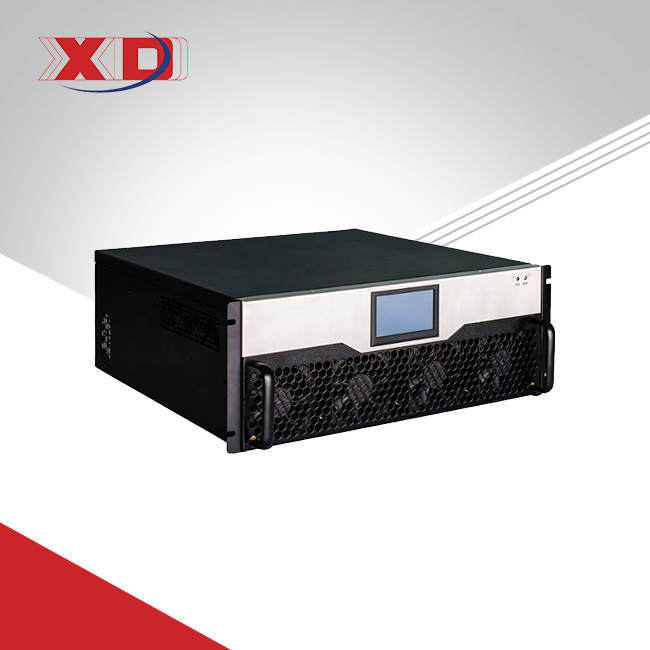
Managing power quality in today's industrial facilities requires sophisticated solutions that go beyond traditional reactive power compensation methods. An LV Intelligent Capacitor Compensation Device represents a revolutionary approach to power factor correction, automatically monitoring electrical loads and adjusting compensation in real-time. This intelligent system eliminates the complexity of legacy cabinet-style assemblies by integrating measurement, control, switching, and protection functions into a single modular unit. Unlike conventional systems that rely on mechanical contactors and centralized controllers, these smart devices provide decentralized control architecture, ensuring continuous operation even when individual units require maintenance.
 |
 |
Understanding Modern Power Quality Challenges
Rising Complexity in Industrial and Critical Power Environments
A growing number of electrical situations are becoming more difficult for industrial operations. Manufacturing facilities are responsible for the operation of complex equipment, which results in harmonics or reactive power requirements. The power quality in data centers must be consistent in order to accommodate the sensitive computer equipment. In order to successfully implement life-critical applications, hospitals need dependable electrical systems.
Limitations of Conventional Compensation Methods
Traditional capacitor banks struggle with these modern demands. Mechanical contactors generate massive inrush currents that damage capacitors over time. Centralized control systems create single points of failure that can compromise entire compensation networks. Manual switching lacks the precision needed for dynamic load changes.
Smart Compensation Solutions for Improved Reliability
By using sophisticated microprocessor control, the LV Intelligent Cap Compensation Device is able to overcome these constraints. The protective systems, switching modules, and measuring circuits that are included inside each individual unit are all their own. Not only does this design provide improved dependability, but it also removes eighty percent of the discrete wire that is often present in traditional installations.
Revolutionary Technology Behind Smart Compensation
Precision Switching Through Zero-Crossing Control
In intelligent compensation systems, zero-crossing switching technology serves as the fundamental building block. Waveforms of voltage and current are continually monitored by the microprocessor, which also precisely time switching operations in order to reduce the amount of electrical stress sustained. When capacitors are connected, the system waits expecting voltage zero-crossings to occur before proceeding. In order to avoid arcing, it checks current zero-crossings while the connection is being disconnected.
Reducing Inrush Current and Extending Equipment Life
The use of this advanced switching strategy significantly enhances the lifetime of the capacitor. Inrush currents may be up to one hundred times higher than the rated current when using traditional contactors. By using precise timing management, intelligent devices are able to restrict inrush current to less than two times the rated current.
Self-Healing Technology for Enhanced Protection
The LV Intelligent Capacitor Compensation Device utilizes self-healing metallized polypropylene film technology to provide additional protection. When electrical breakdown occurs at microscopic defect sites, the metallized electrode vaporizes locally, isolating the fault while maintaining overall capacitor functionality. This self-repair mechanism ensures continued operation despite minor internal failures.
Seamless Communication and Adaptive System Control
Integration with management systems for buildings may be accomplished without any disruptions thanks to communication capabilities. Maintaining real-time monitoring of power parameter, harmonic levels, and compensatory status is made possible by the use of the Modbus RTU protocol. Automatic master-slave configuration is a characteristic of advanced units. This configuration allows devices to negotiate control hierarchy and adjust when the master unit needs repair.
Optimizing Performance Through Intelligent Control
Real-Time Monitoring for Accurate Compensation
Compensation systems of the modern era do constant analysis of electrical data in order to provide the most effective power factor adjustment. While simultaneously determining the amount of reactive power that is required in real time, the LV Intelligent Capa Compensation Device carries out monitoring of voltage, current, and frequency. The ability to rapidly adjust to shifting load circumstances is enabled by response times that are less than twenty milliseconds.
Targeted Harmonic Filtering for Cleaner Power
The capabilities of harmonic filtering safeguard sensitive equipment while also increasing the quality of the electricity as a whole. Devices that are fitted with 7% processors provide protection against the 5th and 7th harmonics that are often encountered in applications that include variable frequency drives. The problems with third harmonics that are common in one-phase lighting loads are addressed by units that include 14% reactors.
Built-In Thermal and Pressure Protection Mechanisms
Temperature monitoring and protection prevent thermal damage during operation. Internal sensors continuously track capacitor temperature, automatically disconnecting units that exceed safe operating limits. Overpressure disconnectors provide mechanical safety backup, isolating capacitors internally if gas pressure builds due to catastrophic failure.
Load Balancing Strategies for Extended System Lifespan
In addition to ensuring consistent use, load balancing among many units also helps to increase the overall lifetime of the system. Intelligent rotating algorithms balance switching cycles across the capacitors that are available. This prevents the premature wear of each capacitor while retaining the precision of compensation.
Strategic Applications Across Industries
Enhancing Efficiency in Manufacturing Environments
Manufacturing facilities benefit significantly from intelligent reactive power compensation. Assembly lines with robotic welders create rapidly changing reactive loads that challenge traditional systems. LV Intelligent Capacitor Compensation Device units adapt instantly to these variations while filtering harmonics that could interfere with precision machinery.
Flexible Power Management in Automotive Production
Automotive plants utilize these systems to manage power factor during stamping operations and paint booth ventilation. The modular design allows compensation capacity to match production schedules, automatically adjusting as different manufacturing cells activate throughout shifts.
Reliable Performance in Heavy Industrial Operations
Steel and metallurgy operations face extreme electrical environments with massive inductive loads from rolling mills and arc furnaces. Intelligent compensation systems provide the robust performance needed while withstanding temperature extremes and electromagnetic interference common in these facilities.
Stable and Safe Power for Data Centers
Data centers require exceptional power quality for server reliability. The LV Intelligent Capacitor Compensation Device employs dry-type construction that eliminates fire risks associated with oil-filled equipment. Its high-density modular design maximizes compensation capacity within limited floor space while maintaining compliance with strict fire safety codes.
Dependable Operation in Healthcare Facilities
Hospital electrical systems demand unwavering reliability for life-critical equipment. Intelligent devices provide redundant operation where individual unit failures don't compromise overall compensation. Silent operation under 45dB ensures patient comfort while meeting medical facility noise requirements.
Installation and Integration Excellence
Seamless Compatibility with Existing Switchgear Systems
Compatibility with common switchgear cabinets makes it easier to integrate into the electrical infrastructure that is already in place. Cabinet systems for MNS, GCK, and GGD may accommodate LV Intelligent Capacitance Compensation Device units without the need for specialist enclosures or hardware for mounting. These devices can be installed without any difficulty.
Simplified Wiring for Faster and More Reliable Setup
The installation process is sped up while the dependability is improved when the wiring complexity is reduced. The conventional compensating systems need a substantial amount of control wire to be established between the contactors, fuses, plus centralized controllers. Through the use of integrated control architecture, intelligent devices reduce the majority of potential linkages.
Optimized Use of Cabinet Space
Cabinet space optimization allows higher compensation density than conventional systems. The compact form factor of smart devices enables more compensation capacity within existing electrical rooms. This space efficiency proves particularly valuable during facility upgrades where electrical room expansion isn't feasible.
Easy Commissioning with Automatic Configuration
Field commissioning becomes straightforward through automatic configuration capabilities. Devices detect system voltage and load characteristics during initial energization, automatically adjusting compensation parameters. Built-in diagnostics verify proper operation and identify any installation issues requiring attention.
Economic Benefits and Return on Investment
Reducing Utility Penalties Through Power Factor Improvement
Power factor penalties from utility companies can significantly impact operational costs. Industrial facilities often pay demand charges based on peak kVA consumption rather than actual kW usage. Poor power factor increases apparent power consumption, driving up monthly utility bills substantially.
Lower Energy Costs with Intelligent Compensation
Intelligent compensation systems typically reduce energy costs by 15-30% through improved power factor correction. The precise control achievable with smart devices maintains optimal power factors even during varying load conditions, consistently minimizing utility penalties.
Improved System Efficiency and Equipment Longevity
Equipment efficiency improvements provide additional savings. Improved power factor reduces current flow through transformers, switchgear, and cables. Lower currents mean reduced losses throughout the electrical distribution system while extending equipment lifespan through reduced thermal stress.
Reduced Maintenance and Operational Expenses
Maintenance cost reductions result from the enhanced reliability of intelligent systems. Traditional contactors require regular replacement due to contact wear from switching operations. Smart devices utilize solid-state or magnetic latching switching with operational lifespans exceeding one million cycles.
Quality Assurance and Reliability Standards
Rigorous Manufacturing and Reliability Testing
Manufacturing excellence ensures consistent performance across diverse operating conditions. Each LV Intelligent Capacitor Compensation Device undergoes comprehensive testing including 48-hour aging cycles and thermal stability verification. These procedures eliminate infant mortality of electronic components while confirming protection system functionality. Environmental testing validates operation across temperature ranges from -25°C to +55°C. Humidity resistance testing ensures reliable performance in tropical climates and coastal installations where salt air creates challenging conditions. Vibration testing confirms mechanical integrity in industrial environments with heavy machinery.
Accurate Electrical Performance and Harmonic Validation
Electrical performance testing verifies compensation accuracy within ±1% across the full operating range. Harmonic suppression capabilities undergo validation with actual harmonic sources to confirm filtering effectiveness. Inrush current testing validates zero-crossing switching performance under various system conditions.
Certified Safety and Compliance Assurance
Safety certifications include compliance with IEC 60831 international standards and national electrical codes. Flame retardant materials meet building fire safety requirements while electrical protection systems comply with fault current handling specifications.
Future-Ready Technology Integration
Predictive Maintenance Through Smart Monitoring
IoT connectivity enables predictive maintenance strategies that minimize unplanned downtime. Smart sensors monitor capacitor health parameters including equivalent series resistance, leakage current, and temperature trends. Advanced analytics identify degradation patterns before failures occur.
Remote Access and Real-Time System Visibility
Wireless communication capabilities facilitate remote monitoring and control. Facility managers access real-time power quality data from mobile devices while receiving instant notifications of system alarms or maintenance requirements. This connectivity proves invaluable for multi-site operations requiring centralized oversight.
Energy Management and Sustainability Alignment
Energy management system integration supports demand response programs and energy optimization initiatives. LV Intelligent Capacitor Compensation Device units provide granular power quality data that enables sophisticated energy management strategies. This capability becomes increasingly important as facilities pursue sustainability certifications and carbon reduction goals.
Adaptive Optimization with Machine Learning
Machine learning algorithms continuously optimize compensation strategies based on historical load patterns. Systems learn facility-specific electrical characteristics and anticipate compensation requirements, further improving power factor stability while reducing switching cycles.
Expert Consultation and Custom Solutions
Understanding Industry-Specific Power Needs
Electrical system requirements vary significantly across industries and applications. Mining operations face different challenges than pharmaceutical manufacturing facilities. Food processing plants have distinct needs compared to semiconductor fabrication facilities.
Detailed Assessment for Accurate System Design
Professional assessment ensures optimal system configuration for specific applications. Harmonic analysis identifies dominant frequency components requiring filtering. Load studies determine compensation capacity requirements and optimal switching strategies.
Tailored Engineering for Specialized Environments
Custom engineering addresses unique installation requirements or operating conditions. High-altitude installations require derating considerations while marine applications need enhanced corrosion protection. Explosive atmosphere certifications become necessary for petrochemical facilities.
Conclusion
Intelligent capacitor compensation represents a paradigm shift in power quality management. The transition from mechanical switching to microprocessor control delivers unprecedented reliability, efficiency, and integration capabilities. Modern facilities require these advanced solutions to maintain competitiveness while meeting evolving sustainability requirements. Among the most effective implementations is the LV Intelligent Capacitor Compensation Device, which delivers these benefits at the low-voltage level with enhanced precision and scalability. Investment in intelligent compensation technology provides immediate operational benefits while future-proofing electrical infrastructure against emerging challenges.
Partner with Xi'an Xidian for Advanced Power Solutions
Xi'an Xidian's comprehensive LV Intelligent Capacitor Compensation Device manufacturer expertise delivers proven solutions for complex power quality challenges. Our engineering team provides customized configurations that address specific facility requirements while ensuring optimal performance and reliability. Contact our specialists at serina@xaxd-electric.com, amber@xaxd-electric.com, or luna@xaxd-electric.com to discuss your intelligent compensation needs and receive detailed technical proposals.
References
1. Johnson, M.R. & Chen, L. (2023). "Advanced Reactive Power Compensation in Industrial Applications: A Comprehensive Analysis." IEEE Transactions on Industrial Electronics, 70(8), 4523-4535.
2. Williams, P.K., et al. (2022). "Smart Grid Integration of Intelligent Capacitor Banks: Performance and Economic Benefits." Electric Power Systems Research, 208, 107892.
3. Rodriguez, A.M. & Kumar, S. (2023). "Harmonic Mitigation Using Intelligent Reactive Power Compensation Devices." International Journal of Electrical Power & Energy Systems, 145, 108634.
4. Thompson, D.R. & Zhang, W. (2022). "Zero-Crossing Switching Technology in Modern Power Factor Correction Systems." IEEE Power Electronics Magazine, 9(3), 28-37.
5. Martinez, C.L., et al. (2023). "Economic Impact Assessment of Intelligent Capacitor Compensation in Manufacturing Facilities." Applied Energy, 332, 120485.
6. Anderson, K.J. & Liu, H. (2022). "Reliability Analysis of Modular Intelligent Compensation Systems in Industrial Power Networks." Reliability Engineering & System Safety, 226, 108652.