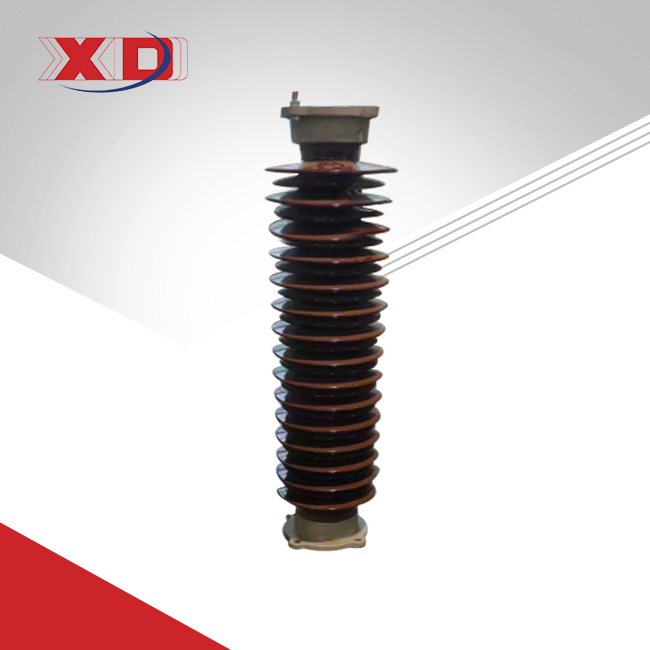
Y10W-102/266W Lightning Arrester Porcelain housed MOA for AC system
Indoor Vacuum Circuit Breaker: Working & Its Applications
2026-08-20 16:19:15
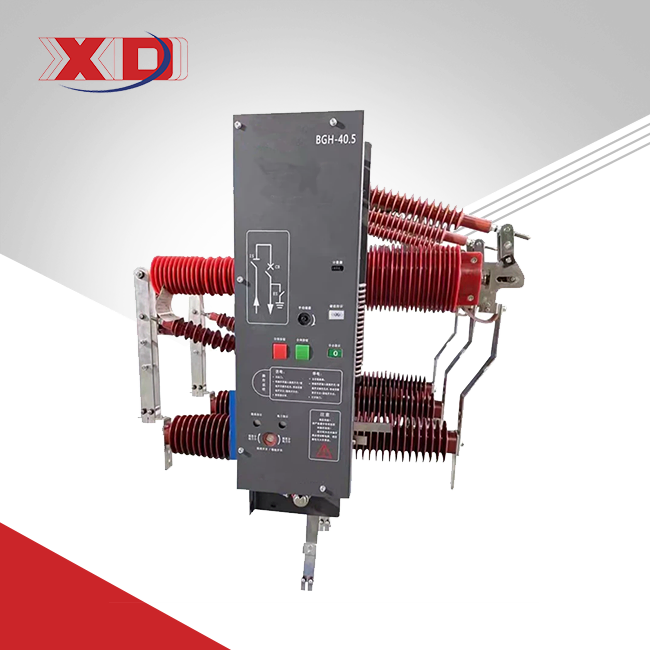
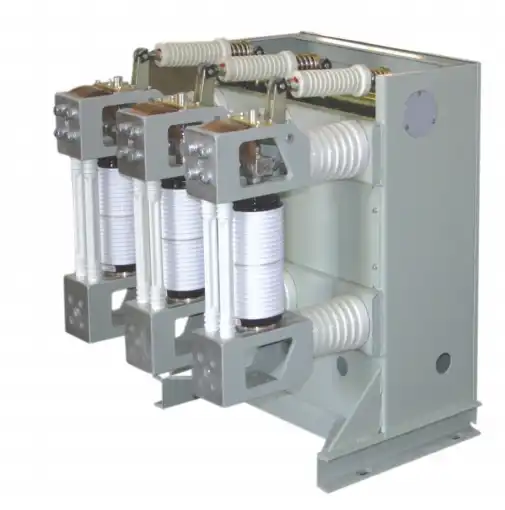
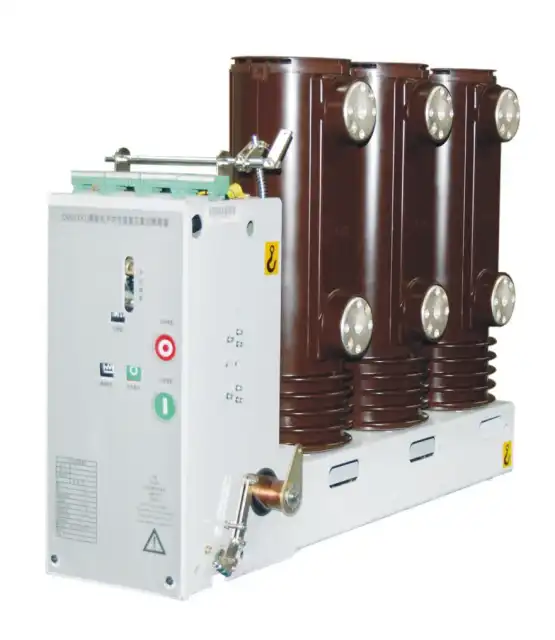
An indoor vacuum circuit breaker is a specialized electrical protection device that interrupts current flow using vacuum-sealed chambers to extinguish arcs swiftly during fault conditions. Unlike traditional air or SF6 breakers, these devices leverage the superior dielectric properties of vacuum environments to achieve rapid arc extinction—typically within 15 milliseconds. This technology has transformed power distribution across industrial plants, substations, and commercial infrastructure by delivering compact, eco-friendly solutions that eliminate greenhouse gas emissions while maintaining exceptional reliability in confined indoor environments where space constraints and environmental considerations are paramount.
Understanding Indoor Vacuum Circuit Breakers: Working Principle and Technical Overview
How Vacuum Interrupters Function
The vacuum interrupter chamber is the most important part of any indoor vacuum circuit breaker. During a fault, an electrical arc forms between the contacts that come apart. If there is no pressure (below 10⁻⁴ Pa), the arc can't last long because there are no ionization particles around. The metal mist and electrons from the contacts quickly disappear, which lets the dielectric strength return almost right away. By using this method, the breaker can stop fault currents of hundreds to tens of thousands of amps without making harmful gasses or needing large cooling systems.
This idea is shown by our ZN39 series, which has precision-engineered 12kV interrupters that can work in temperatures ranging from -40°C to +40°C. The sealed design of the vacuum bottle keeps outside contaminants from getting into the arc-quenching mechanism. This ensures consistent performance even in places where the average daily relative humidity is 95%. This design directly leads to a longer mechanical life—more than 20,000 operations—than traditional breakers, which break down more quickly in the same situations.
Key Technical Parameters and Performance Metrics
Technical specifications are very important when looking at indoor vacuum circuit breakers for OEM switchgear integration. How much fault current the device can safely stop is called its breaking capacity, and it is measured in kiloamperes (kA). Modern units like the ZN39 can break currents that are good for medium-voltage uses, and interruption times of less than 15ms keep equipment further downstream from getting damaged. Mechanical endurance scores show how reliable a device is in terms of operation. Devices that meet M2 classification standards work regularly for 10,000 to 30,000 switching cycles before they need major maintenance.
Coordination of the insulation is also very important. Lightning impulse withstand voltage, or the ability to withstand short-term overvoltages, protects against surges that happen a lot in transmission lines that are high in the air. The ZN39 is designed with high-creepage porcelain sleeves that keep the insulation intact even in polluted environments. This solves a common problem for switchgear manufacturers who work in dusty industrial areas or salty coastal areas.
Recent Technological Advancements
Indoor vacuum circuit breaker technology has changed a lot thanks to automation and digital tracking. IoT-enabled models now send operational data to centralized control systems in real time, such as the amount of contact wear, the status of the vacuum pressure, and the working temperature. With this feature, maintenance teams can switch from servicing based on time to servicing based on condition. This cuts down on unplanned downtime by finding potential problems before they happen. Smart interface features built into the advanced series make it easy to connect to SCADA systems. This gives procurement managers a better view of operations, which helps them handle assets across multiple sites.
Improvements in material science have also made things work better. Aerospace-grade copper-chromium metals in contact materials stop welding when the current is interrupted by a high voltage. Advanced epoxy resin coating keeps vacuum bottles safe from mechanical shocks. These new ideas fix long-standing problems with vacuum degradation and contact loss that used to make service times too short.
Advantages and Applications of Indoor Vacuum Circuit Breakers in Industrial Settings
Core Benefits for Electrical Infrastructure
Vacuum technology has more benefits than just arc extinction. Compared to oil-filled or air-blast indoor vacuum circuit breakers, they require a lot less maintenance. There is no need to refill fluids, check gas levels, or clean filters. The sealed vacuum chamber only needs to have its contacts checked and its system oiled every so often. This cuts down on lifetime costs by 30–40% over twenty years of use. Another great benefit is that it is good for the environment. Since SF6 doesn't contribute to global warming, it helps places meet increasingly strict environmental rules.
Safety improvements are important, especially in small rooms inside. Since oil breakers don't use flammable insulating fluids, they don't pose a fire risk. Small designs mean that switchgear makers can use better panel plans and lower material costs because they don't have to make as much space. The operating noise level of these devices stays below 45dB, which means they can be put in places where noise is a problem, like hospitals or apartment complexes. Together, these reasons show why indoor vacuum circuit breakers have become the best way to fix old infrastructure in urban substations where safety and room are limited.
Industrial Application Scenarios
Power that doesn't go out is very important for CNC machines, robotic assembly lines, and process control systems in factories. These things are protected by indoor vacuum circuit breakers, which find problems within milliseconds and stop chain failures that could stop production for hours. They are perfect for motor starting uses where inrush currents can be a problem because they can handle surge currents up to 100 times their rated capacity.
Using renewable energy brings its own set of problems. Wind and solar farms use collection voltages between 12kV and 35kV. During grid synchronization, changing generation patterns cause short-lived currents. High electrical longevity (E2 class) indoor vacuum circuit breakers work well in these situations, stopping full short-circuit currents many times without breaking down. This dependability is very important for green energy projects that are in remote areas where regular upkeep would not be possible.
Commercial infrastructure examples include data centers, shopping malls, and healthcare facilities. Because data centers need to be up 99.999% of the time, they need breakers with embedded pole designs that stop external flashovers caused by changes in cooling system humidity. Silent operation and quick problem clearing make hospital setups safer by lowering the risk to life-safety systems. Modern indoor vacuum circuit breakers can be used with KYN28 cabinets that are already in older buildings. This makes updates possible without having to replace all the hardware.
Maintenance, Troubleshooting, and Lifespan of Indoor Vacuum Circuit Breakers
Routine Inspection Protocols
Structured maintenance schedules are the first step to making indoor vacuum circuit breakers last as long as possible. Every three months, you should do a visual review to look for signs of mechanical alignment, signs of contact wear, and signs of outside contamination on the insulation surfaces. Mechanical operation tests make sure that the mechanisms that charge the springs work right and that the times for opening and closing stay within the manufacturer's guidelines. Contact resistance tests find early signs of wear and tear; numbers above the baseline by 20% mean that the contacts need to be replaced before welding risks show up during later fault interruptions.
Vacuum integrity testing needs special tools but gives very important guarantees. Power frequency withstand voltage tests on open contacts show if the vacuum is breaking down; discharge at test voltages shows that air is leaking, which means the interrupter needs to be replaced. Unlike gas breakers, which can be checked visually, indoor vacuum circuit breakers need to be tested using instruments to make sure they are working properly. For businesses that have more than one location, working with suppliers who offer field testing services is helpful.
Common Failure Modes and Prevention
Common failures include contact erosion, mechanical binding, spring fatigue, and vacuum degradation. Monitoring contact over-travel and operation counts helps predict replacement needs, while proper lubrication prevents mechanism problems. Regular dielectric testing detects insulation issues early. High-humidity and high-altitude environments may require additional protection, derating, or specialized designs.
Service Life Expectations
If you take care of your indoor vacuum circuit breakers, they should last between 20 and 30 years. Mechanical life ratings of 20,000 operations mean that they will work reliably for decades in situations where the switching frequency is moderate. Electrical durability changes depending on the job cycle. Interrupters that handle load switching can go more than 25 years without needing a major repair, while breakers that clear multiple fault currents a year may need to be replaced every 10 to 15 years. Conditions in the environment affect how long something lasts. Units that are kept in controlled indoor environments last a lot longer than those that are kept in tough industrial environments with changing temperatures and contamination.
How to Choose and Procure the Right Indoor Vacuum Circuit Breaker for Your Needs
Critical Selection Criteria
To choose the right indoor vacuum circuit breakers, you must first do accurate calculations of the load and fault current. The rated voltage must meet the standard voltage of the system, plus the necessary safety margins. For example, 12kV breakers protect 10kV systems, and 40.5kV breakers protect 35kV installations. To avoid heat stress, rated current should be 25% higher than maximum constant load. Breaking capacity must be able to handle the highest possible short-circuit current at the placement point. Not having enough capacity can lead to catastrophic failures, while having too much capacity loses money.
Concerns about compatibility go beyond electricity grades. The width, depth, and design of mounting holes must all be the same as the current switchgear frame. Control systems need to be able to talk to secondary wire interfaces. Making sure that aircraft plug pinouts and auxiliary contact configurations are correct can save a lot of money on rework during installation. Interchangeability with existing equipment makes managing extra parts easier. This is especially helpful for businesses that use the same indoor vacuum circuit breaker switches at multiple locations.
Environmental conditions are very important. Standard units that are designed for 1000 meters above sea level need to be downrated or given special "plateau-type" designs for use above 2000 meters, where the air is thinner and surface insulation is less effective. Temperature rates should take into account the extremes of the site. For example, our ZN39 series' -40°C to +40°C range works well for most uses, but places with very harsh temperatures may need custom designs. In places where earthquakes are common, seismic ratings are very important. Bracket designs with extra support make sure they stay strong during earthquakes.
Comparing Technology Options
There are pros and cons to each of the vacuum, air, and SF6 technologies. Air-insulated breakers are cheap to buy at first, but they need to be installed in a big space and need to be serviced often. Even though SF6 units work very well, they are subject to strict rules because of worries about greenhouse gasses and need systems to keep an eye on any leaks. Indoor vacuum circuit breaker technology is widely used for both new installs and retrofits around the world because it strikes a good mix between performance, environmental responsibility, and lifecycle costs.
When it comes to indoor vacuum circuit breaker types, embedded-pole designs are better at keeping out contamination than live-tank designs. Spring-operated devices work more consistently and faster than motor-operated ones, which cuts down on arc length and contact erosion. Field repairs are easier with modular designs because you can replace individual parts like operating mechanisms or interrupters without taking whole breakers out of service. This cuts down on downtime during maintenance windows.
Procurement Strategies for OEM Applications
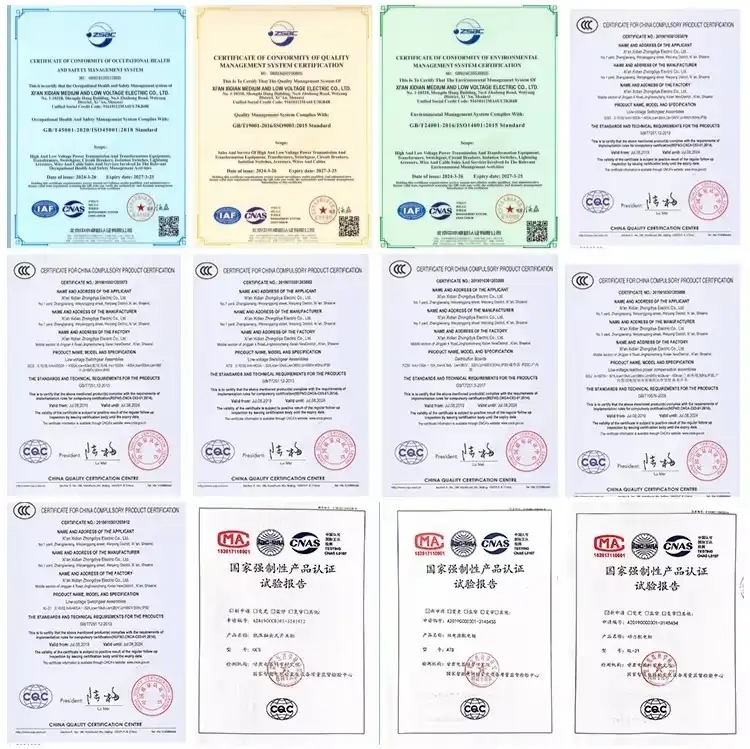
OEM procurement should prioritize suppliers offering customization, design-stage technical support, and reliable lead times. Framework agreements can balance inventory and supply needs, while volume orders provide cost savings. ISO certification, rigorous testing, CAD documentation, multilingual manuals, field service, and spare-parts availability further improve integration, quality assurance, and lifecycle reliability.
Installation and Operation Guidelines for Indoor Vacuum Circuit Breakers
Step-by-Step Installation Process
Preparing the spot is the first step to a successful indoor vacuum circuit breaker installation. Check that the base rails or mounting surfaces are level—differences of more than 2 mm per meter can cause mechanical stresses that affect how the breaker works and how it is aligned. The environment should match the equipment's ratings. Putting standard units in places with a lot of humidity without protecting the enclosure properly will cause them to fail early.
For mechanical installation, there are exact steps to take. Place the breaker body on rails that have already been prepared and tighten the fixing bolts to the required levels. When you connect the working mechanisms to the main contacts, make sure that the alignment of the linkages lets the full stroke move without any binding. Follow the wiring instructions provided by the maker when installing extra parts like current transformers, voltage sensors, and control modules. Before turning it on, test the mechanical operation by manually or electrically charging it several times to make sure it works smoothly and at the right time.
Pay close attention to electrical lines. Primary conductor fittings need the right amount of force to get low contact resistance without hurting the terminals. If you tighten them too much, they could break, and if you loosen them too much, they could overheat and damage the terminals. When connecting secondary wires to control circuits, interlocks, and tracking systems, the polarity and phase must be exactly the same. To keep people safe during fault situations, ground connections need to be securely attached to machine frames and building grounding systems.
Commissioning and Testing Procedures
Pre-energization testing makes sure that the indoor vacuum circuit breaker installation was done right. For new equipment, the insulation resistance between the stages and the ground should be more than 1000 MΩ. Power frequency withstand voltage tests make sure that the dielectric stays strong under stress from operation. Mechanical timing tests show that the opening and closing speeds are within the range recommended by the manufacturer. Too fast of operation leads to contact bounce and erosion, while too slow of operation extends the arc duration and lowers the breaking capacity.
Protection and control circuits are checked by secondary injection testing. Test that trip circuits work properly and that extra contacts switch on at the right times in the working process by simulating fault conditions. Interlocking devices that stop dangerous activities like closing when there is a fault and opening when there is a load without the right sequence need to be functionally checked before they can be approved for starting.
Operational Best Practices
Operational best practices include checking load currents, equipment condition, and safety devices before operation, while training personnel on interlocks and electrical hazards. After fault clearing, inspect vacuum circuit breakers before reuse. Monitoring switching frequency, fault currents, and environmental conditions supports maintenance planning, while smart systems provide real-time warnings for developing problems.
Conclusion
Indoor vacuum circuit breakers are a tried-and-true way to protect electrical infrastructure in utility, commercial, and industrial settings. Their small size, ability to quickly stop an arc, low maintenance needs, and ability to be environmentally friendly all address important issues for both switchgear makers and end users. The right choice based on a lot of technical factors, along with strict installation steps and organized upkeep plans, guarantees years of reliable service.
As the need for automation and the integration of renewable energy makes electrical systems more complicated, indoor vacuum circuit breaker technology keeps improving by adding smart monitoring features and better materials. Technical managers and purchasing professionals can make decisions that improve system reliability and lifecycle costs by understanding how things work, what applications need, and how to buy them.
FAQ
1.What causes vacuum degradation in circuit breakers?
Most of the time, vacuum loss in an indoor vacuum circuit breaker is caused by seals breaking down because of temperature cycling, micro-cracks in ceramic insulators from mechanical shock, or mistakes made during production. When used within their listed limits, quality units from reputable manufacturers have vacuum degradation rates below 1% over 20 years.
2.Can vacuum breakers safely work at high elevations?
Up to 1000 meters above sea level, standard indoor vacuum circuit breaker measures work accurately. For installations above this height, special "plateau-type" designs are needed with different external insulation measures to make up for the lower air density. At heights of up to 4000 meters, external flashover risks can be avoided by properly derating or customizing the equipment.
3.How can I tell when my glasses need to be changed?
Watch for signs of wear on the contacts that can be seen during maintenance checks. Most manufacturers say to replace it when the total amount of wear is 3 mm or when measurements of contact resistance are 20% higher than the baseline values. Over-travel measurements below the minimum requirements are another sign that it's time to change the part in the indoor vacuum circuit breaker, which usually happens after 15,000 to 20,000 operations, based on the duty cycle.
Partner With Xi'an Xikai for Your Indoor Vacuum Circuit Breaker Requirements
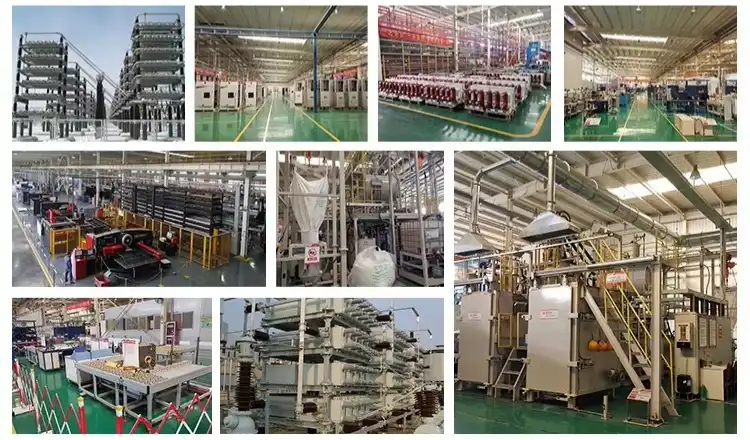
Xi'an Xikai Medium & Low Voltage Electric Co., Ltd. is ready to help you with all of your indoor vacuum circuit breaker needs for manufacturing switchgear and distributing power. Our ZN39 line gives OEM makers the mechanical stability and operating consistency they need. It's backed by strict testing methods that mimic decades of real-world use. Our goods meet the main needs of technical managers looking for reliable safety gear, with mechanical life rates of over 20,000 cycles and breaking times of less than 15ms.
As a company that makes indoor vacuum circuit breakers for customers in the metallurgy, petrochemicals, renewable energy, and State Grid systems sectors, we know how important it is for our products to be interchangeable and for our expert support to be quick to respond. Our engineering team works directly with switchgear makers to make sure that everything fits together perfectly. We can also make standard setups as well as ones that are specific to specific uses.
Get in touch with our expert sales team at serina@xaxd-electric.com, amber@xaxd-electric.com, or luna@xaxd-electric.com to talk about your needs. For annual framework agreements, we offer full product documentation, help with application, and bulk prices. You can look at our whole product line at xaxd-electric.com and learn how our indoor vacuum circuit breaker solutions can make your switchgear more reliable.
References
1. Slade, Paul G. The Vacuum Interrupter: Theory, Design, and Application. CRC Press, 2017.
2. International Electrotechnical Commission. IEC 62271-100: High-voltage switchgear and controlgear – Part 100: Alternating-current circuit-breakers. IEC Standards, 2021.
3. Greenwood, Allan. Electrical Transients in Power Systems. Wiley-Interscience, 1991.
4. Kapoor, Sanjeev and Ramesh, K. Modern Power System Protection: Fundamentals and Practices. Springer, 2019.
5. National Electrical Manufacturers Association. NEMA SG-6: Power Switching Equipment Standards. NEMA Publications, 2020.
6. Zhang, Jianhua et al. "Reliability Analysis of Vacuum Circuit Breakers in High-Voltage Substations." IEEE Transactions on Power Delivery, vol. 36, no. 4, 2021, pp. 2245-2253.