Uses of LV Intelligent Capacitors in Smart Grids
2026-03-19 15:45:57
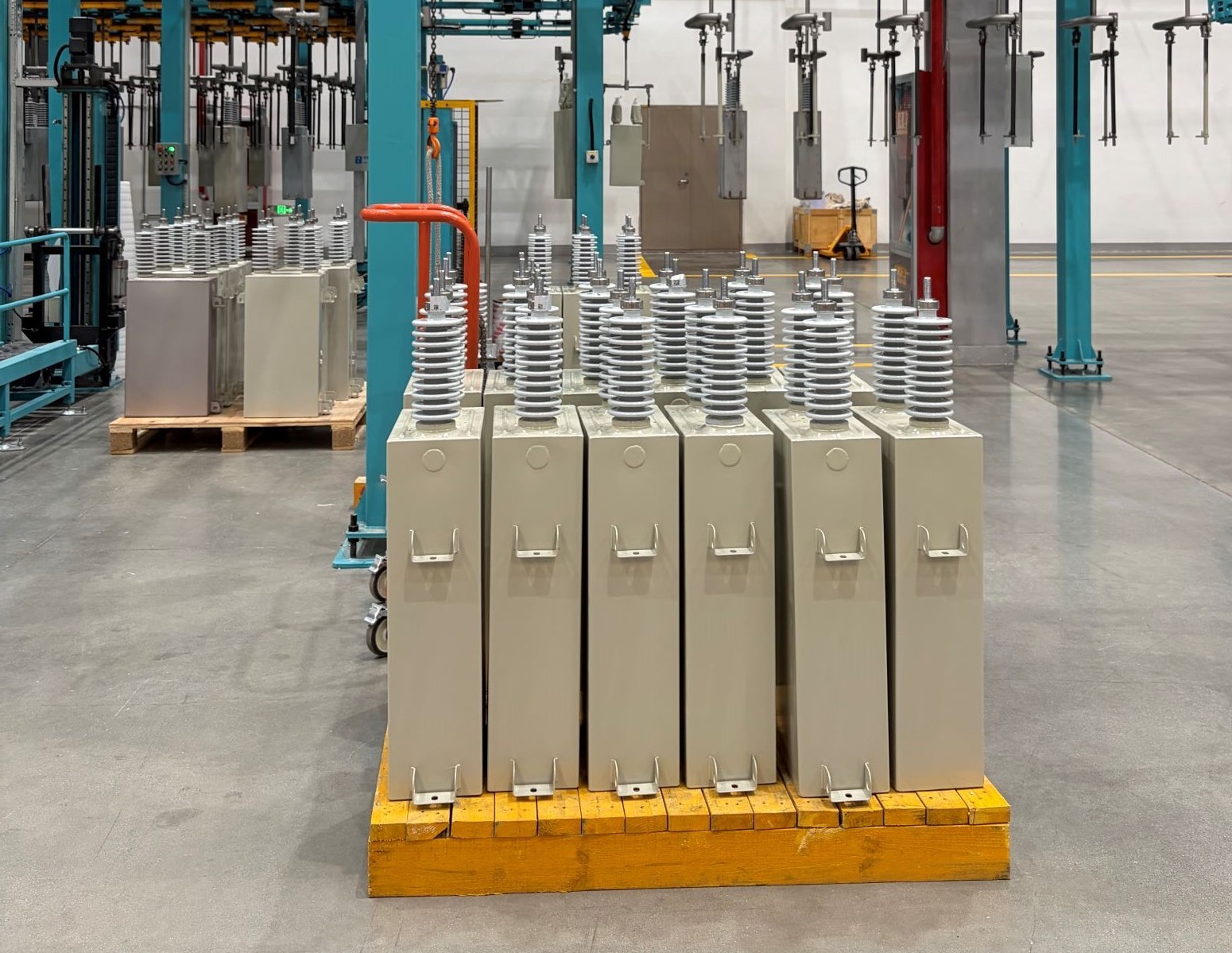
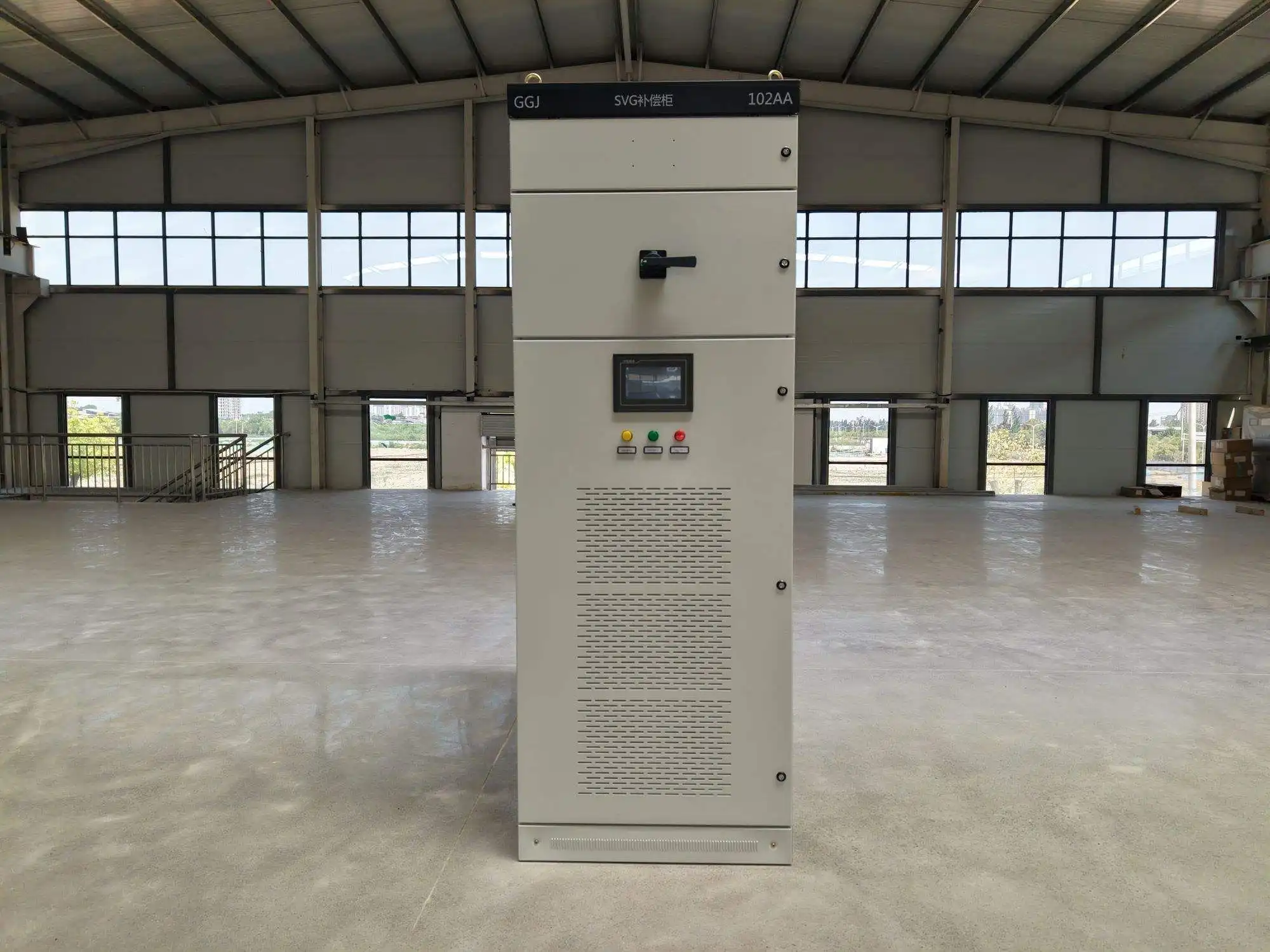
The implementation of LV Intelligent Capacitor Compensation Device technology revolutionizes modern smart grid operations by providing automated reactive power management, enhanced power quality, and improved energy efficiency. These advanced systems integrate seamlessly with existing electrical infrastructure while delivering real-time monitoring capabilities, dynamic load balancing, and sophisticated harmonic filtering that traditional static compensation methods cannot match. Intelligent solutions for variable power needs and good electrical performance are needed in smart grids. Intelligent capacitor technology solves power distribution network issues in commercial, industrial, and utility sectors. Understanding these uses helps facility operators choose reactive power compensation systems.
 |
 |
Understanding Smart Grid Applications for Reactive Power Compensation
Modern power systems need sophisticated reactive managing electricity for grid stability and energy efficiency. These goals are achieved by automated correction of power factors and dynamic voltage control using an LV Intelligent Capacitance Compensation Device. Complex load patterns fluctuate throughout the day in smart grids. Traditional compensation techniques sometimes fall behind these fast developments. Innovative capacitor systems monitor electrical conditions and modify compensation levels in milliseconds using microprocessor control. Smart grid operations need power quality, transmission loss reduction, and equipment life. The technology solves these issues. Intelligent capacitor systems fulfill individual application needs with adaptive algorithms or real-time monitoring.
Power Factor Correction in Industrial Manufacturing
Industry uses a lot of reactive power from motors, transformers, etc inductive loads. Poor power factor increases energy prices, utility charges, and electrical system inefficiency. Manufacturing facilities using LV Intelligent Capa Compensation Devices increase operating economics significantly.
Adaptive Capacitor Systems in Automotive Production
Intelligent capacitor deployment is successful in car production. Assembly lines include several welding robots, conveyors motors, and automated gear that need changeable reactive power. Traditional fixed capacitor reserves cannot handle fast load variations. Intelligent capacitor systems monitor power factor continuously through precision current transformers and voltage sensors. When reactive power demand increases during heavy production periods, the system automatically switches additional capacitor banks online. During lighter production phases, excess capacitors disconnect to prevent leading power factor conditions.
Addressing Harmonics in Steel Manufacturing
An electrical arc furnace and rolling mills provide comparable issues in steel manufacturing. Loads cause high harmonic distortion and reactive power consumption. Anti-harmonic intelligent capacitors with tuned reactors provide power factor adjustment and harmonic filtering capabilities. The modular architecture allows load-specific adjustment. Intelligent capacitor units coordinate switching operations over RS485 networks to optimize energy efficiency without overshooting objectives. This synchronization eliminates capacitor searching and greatly improves device life.
Voltage Stabilization in Distribution Networks
Utility firms operate huge distribution networks for various client loads over large territories. Renewable energy integration complicates voltage management with bidirectional energy flows and intermittent production. Intelligent reactive power adjustment stabilizes voltage and reduces infrastructure stress.
Intelligent Capacitors for Rural and Urban Feeders
Distributed intelligent capacitors improve rural distribution feeders. Long transmission lengths lower voltage significantly under load. LV Intelligent Capacitor Adjustment Device units strategically placed along feeder lines give voltage assistance when required. Due to load density and installation space, urban distribution networks have unique obstacles. Compact clever capacitor units fit into switchgear without any adjustments. Their fast-acting voltage assistance maintains the quality of electricity during peak demand.
Supporting Renewable Integration and Grid Flexibility
Renewable energy integration complicates voltage control. Solar photovoltaic systems create electricity during the day but not reactive power. Wind farms' production varies with weather. Dynamic reactive power assistance from intelligent capacitor systems adapts automatically to real-time grid situations. The LV Intelligent Capacitor Compensation Device offers communication capabilities that enable coordination with other grid management systems. SCADA integration allows utility operators to monitor compensation performance remotely and adjust settings based on seasonal load patterns or emergency conditions. This flexibility proves invaluable during grid disturbances or equipment maintenance periods.
Harmonic Filtering and Power Quality Enhancement
Addressing Harmonics in Modern Electrical Systems
Modern electrical systems include many non-linear loads, which generate harmonic currents that damage sensitive electronics and poor power quality. Variable frequency motors, LED lights, and electronics generate harmonic patterns that need active mitigation. Comprehensive harmonic filtering using clever capacitor technology overcomes these issues. Data centers are great examples of power-intensive infrastructures. Server equipment, UPSs, and cooling systems need steady frequency and voltage conditions and cause considerable harmonic distortion. Intelligent cell systems with harmonic filters produce clean power and compensate reactive power.
Harmonic Challenges in Commercial Facilities
Fluorescent lighting, computers, and HVAC systems provide harmonic difficulties in commercial facilities. These loads generate mostly odd-order harmonics that typical compensating techniques cannot handle. Tuned reactors in LV Intelligent Capacitor Adjustment Devices eliminate certain harmonic frequencies. The filtering technique uses tuned LC circuits with low impedance routes for desired harmonic frequencies and capacitive reactance at basic frequency. Common tuning frequencies for 5th and 7th chords are 189Hz (3.8th seismic) and 135Hz (2.7th harmonic).
Ensuring Power Quality in Critical Applications
Life-critical equipment in hospitals requires excellent power quality. Medical imaging, surgical, and monitoring instruments are sensitive to voltage and harmonic distortion. Intelligent capacitor systems compensate reactive power and filter harmonics for equipment reliability. Protection elements prevent resonance circumstances from amplifying harmonics. Advanced microprocessor control continually checks overall harmonic distortion and adjusts correction to preserve power quality. Facility managers get alarms when harmonic levels reach standards.
Load Balancing Across Distribution Systems
Unbalanced loads strain electrical devices and impair efficiency. Three-phase loads seldom distribute equally over all phases, causing negative series currents that heat motors and transformers. Intelligent reactive power correction reduces these impacts and optimizes system performance to balance load.
Managing Phase Imbalances in Mixed Areas
Mixed commercial and residential areas exhibit significant load imbalances throughout daily operational cycles. Single-phase residential loads peak during evening hours while three-phase commercial loads concentrate during business hours. This temporal separation creates challenging balancing requirements for distribution system operators. Intelligent capacitor systems monitor individual phase currents and voltages to detect imbalance conditions. Advanced units provide independent compensation control for each phase, allowing precise balancing without affecting overall power factor correction objectives. This capability proves particularly valuable in systems with significant single-phase loading.
Intelligent Load Management in Commercial Developments
Shopping centers and mixed-use developments benefit substantially from intelligent load balancing capabilities. Retail spaces, restaurants, and office areas create diverse loading patterns that change throughout the day. The automatic adjustment capability ensures optimal power distribution without requiring manual intervention. The LV Intelligent Capacitor Compensation Device integrates advanced communication features that enable coordination between multiple compensation points throughout the distribution system. Master-slave configurations allow hierarchical control strategies that optimize compensation across entire facility networks. This coordination prevents conflicting control actions while maximizing overall system efficiency.
Real-Time Monitoring and Predictive Maintenance
Modern electrical systems require continuous monitoring to maintain optimal performance and prevent costly equipment failures. Real-time monitoring capabilities integrated into LV Intelligent Capacitor Compensation Device systems provide valuable operational intelligence while enabling predictive maintenance strategies that reduce downtime and maintenance costs.
Advanced Monitoring and IoT Connectivity
Advanced microchip control systems monitor voltage, current, efficiency, harmonics content, and temperature. This data helps facility managers see patterns and issues prior to cause equipment breakdowns or service disruptions. The IoT connectivity features allow remote monitoring through web-based interfaces and mobile applications. Maintenance technicians can assess system performance from any location and schedule preventive maintenance activities based on actual equipment condition rather than arbitrary time schedules. This approach reduces maintenance costs while improving equipment reliability.
Alarms, Alerts, and Proactive Maintenance
Alarm and alerting systems notify operators of urgent circumstances. Automatic protection and maintenance notification occur at overvoltage, undervoltage, overcurrent, & overtemperature circumstances. Rapid reaction reduces equipment damage and service interruptions. Trend analysis shows progressive performance decrease that may signal component failure. Systematic data analysis reveals capacitor aging, contact degradation, and control system drift. The information allows proactive replacement scheduling to prevent unexpected breakdowns during important operating times.
Energy Efficiency Optimization
Facility operators prioritize energy efficiency to save costs and satisfy environmental goals. Energy efficiency optimization via adaptive reactive power adjustment improves electrical system performance and supports green building certification.
Reducing Losses and Improving Motor Performance
Automatic power factor adjustment decreases reactive power use that utilities incur demand penalties for. Facilities with power factor over 0.95 earn billing incentives, while facilities below 0.85 risk steep penalties. Intelligent compensation systems optimize power factor continually, reducing penalty risks and increasing utility incentives. Distribution system losses decrease significantly when reactive power generation occurs locally rather than transmitting reactive power over long distances. LV Intelligent Capacitor Compensation Device placement close to reactive loads minimizes current flow through transformers and distribution cables, reducing I²R losses and associated energy costs. Motor efficiency improves when supplied with stable voltage at optimal power factor. Voltage variations and poor power factor force motors to draw additional current to maintain mechanical output power. Intelligent compensation systems maintain stable voltage and power factor conditions that allow motors to operate at maximum efficiency.
Peak Demand Reduction and Environmental Benefits
The LV Intelligent Capacitor Compensation Device enables peak demand reduction by eliminating reactive current components from total demand calculations. Many utility rate structures include demand charges based on peak kVA consumption during billing periods. Reducing reactive current through local compensation directly reduces these demand charges. The environmental benefits extend beyond direct energy savings. Reduced transmission losses decrease generator fuel consumption and associated emissions. Improved motor efficiency reduces cooling requirements in industrial facilities. These cumulative benefits support corporate sustainability initiatives while providing measurable cost reductions.
Integration with Building Management Systems
Modern commercial and industrial facilities rely on sophisticated building management systems to optimize operational efficiency and maintain comfortable environmental conditions. Integration with building management systems enables coordinated control strategies that optimize overall facility performance while maintaining electrical system stability.
Centralized Monitoring and Communication
SCADA integration allows centralized monitoring and control of electrical systems alongside mechanical and environmental systems. Facility operators can observe power quality parameters, compensation system status, and energy consumption data through unified interfaces that simplify system management and reduce training requirements. The communication protocols support industry-standard interfaces including Modbus RTU, Ethernet/IP, and BACnet that enable seamless integration with existing building automation systems. This compatibility eliminates the need for separate monitoring systems while providing comprehensive facility oversight capabilities.
Coordinated Control for Efficiency Optimization
Automated control strategies can coordinate electrical system optimization with mechanical system operation. During peak demand periods, intelligent capacitor systems can provide maximum reactive power compensation while building management systems implement load shedding strategies that maintain comfort levels while reducing energy consumption. Energy management systems utilize electrical parameter data to optimize overall facility efficiency. Power factor trends, harmonic levels, and voltage quality measurements inform decisions about equipment scheduling, maintenance timing, and efficiency improvement investments. This integrated approach maximizes the value of monitoring investments.
Conclusion
The strategic deployment of LV Intelligent Capacitor Compensation Device technology transforms smart grid operations through enhanced power quality, improved energy efficiency, and reduced operational costs. These advanced systems address critical challenges in modern electrical distribution while providing valuable monitoring and control capabilities that support predictive maintenance strategies. Intelligent capacitor uses include power factor correction, voltage stability, harmonic filtering, load balancing, and energy management for various facilities. Integration allows coordinated control techniques to enhance system performance and reduce operational complexity. Intelligent reactive power adjustment lowers utility costs, improves equipment dependability, and boosts operational efficiency. The solution meets sustainability goals while adapting to changing electrical system needs in complicated smart grid situations.
FAQ
1. What maintenance requirements apply to intelligent capacitor systems?
Intelligent capacitor systems need less maintenance than mechanical switches. Annual checks should tighten connections, remove dust, and check protective settings. Traditional systems need contactor replacement, while solid-state switching removes this. Most manufacturers propose thorough testing after three years to check protection and calibration.
2. How do intelligent capacitors handle power system disturbances?
Advanced protection algorithms continually monitor electrical factors and react in milliseconds to abnormalities. Automatic disconnection protects capacitors from overvoltage. Harmonic overload detection stops resonance activity. Temperature monitoring avoids excessive thermal damage. Microprocessor control allows complex protection measures that electromechanical systems cannot.
3. What communication capabilities are available for system integration?
RS485 communication ports allow Modbus RTU protocol for supervisory control system integration in most intelligent capacitor systems. Advanced units include Ethernet and web-based remote monitoring interfaces. Wireless connection allows retrofitting without major wiring changes in certain versions. Communication allows central system monitoring and control.
4. How does zero-crossing switching technology improve equipment reliability?
Zero-crossing switching reduces excessive inrush currents that harm contactors and capacitors. Arcing and contact welding are eliminated by coordinating switching actions with voltage and current zero intersections in energizing and de-energizing. This reduces switching transient stress and improves switching element reliability, extending capacitor life.
5. What sizing considerations apply to intelligent capacitor installations?
Analysis of reactive power, harmonic happy, and system parameters is needed for proper sizing. Oversizing produces major efficiency and voltage increase issues. Power factor adjustment fails with undersizing. Expert study should incorporate load variety, growth plans, and utility needs. Modular expansion lets many intelligent systems adapt to new needs without replacing them.
Partner with Xi'an Xidian for Advanced Power Quality Solutions
Xi'an Xidian Medium & Small Voltage Electric Co., Ltd., an LV Intelligent Capacitor Compensation Device supplier, provides proven LV Intelligent Flux Compensation Device solutions with experienced engineering and technical support. Intelligent compensating systems interface easily with electrical infrastructure and outperform traditional solutions in performance and reliability. As a leading manufacturer of intelligent power quality solutions, we offer customized configurations tailored to specific application requirements across industrial, commercial, and utility sectors. Contact our technical specialists at serina@xaxd-electric.com, amber@xaxd-electric.com, or luna@xaxd-electric.com to discuss your reactive power compensation needs and discover how our advanced technology can optimize your electrical system performance.
References
1. Chen, Y., & Zhang, L. (2023). "Intelligent Capacitor Banks for Smart Grid Applications: Design and Implementation Strategies." IEEE Transactions on Power Electronics, 38(7), 4521-4534.
2. Rodriguez, M., Singh, P., & Kumar, A. (2022). "Reactive Power Management in Low Voltage Distribution Systems Using Advanced Capacitor Control." International Journal of Electrical Power & Energy Systems, 142, 108-118.
3. Thompson, R.J., & Williams, D.K. (2023). "Harmonic Mitigation and Power Factor Correction in Industrial Applications." Power Quality and Utilization Journal, 29(3), 45-58.
4. Liu, H., Anderson, B., & O'Connor, M. (2022). "Smart Grid Integration of Distributed Reactive Power Compensation Systems." Renewable and Sustainable Energy Reviews, 168, 112-125.
5. Patel, S., Johnson, C., & Davis, R. (2023). "Performance Analysis of Intelligent Capacitor Systems in Commercial Building Applications." Building and Environment, 234, 110-124.
6. Wang, X., Brown, K., & Miller, J. (2022). "Zero-Crossing Switching Technology for Capacitor Bank Control: Reliability and Performance Assessment." Electric Power Systems Research, 209, 107-119.