Outdoor Disconnect Switch Requirements for Residential Projects
2026-09-02 09:26:58
When designing electrical systems for residential developments, an outdoor disconnect switch serves as a mandatory safety device that enables rapid circuit isolation during emergencies or routine maintenance. This weatherproof component allows homeowners and technicians to safely de-energize electrical equipment without entering buildings, meeting National Electrical Code (NEC) requirements for accessible disconnection means. Understanding the technical specifications, installation protocols, and sourcing strategies ensures compliance, operational safety, and long-term reliability in residential electrical infrastructure.


Understanding Outdoor Disconnect Switches in Residential Settings
Core Functions and Safety Features
The first line of defense in power-related emergencies is an Outdoor disconnect switch, which allows for the manual interruption of electrical circuits. Circuit breakers automatically close circuits when there is too much current flowing through them, but disconnect switches have to be opened or closed by hand. This design keeps power sources from being disconnected by accident and makes sure that only authorized people can quickly cut power to HVAC systems, pool pumps, or solar panel installations for maintenance.
Modern home disconnect switches have weatherproof cases with an IP65 rating or higher that keep the inside parts safe from rain, dust, and temperature changes from -40°C to +85°C. The lockable handle system keeps people from getting in without permission, which is necessary in rental properties and multi-family living where strict access control is needed to avoid liability issues. UL 98 approval proves that a product meets the safety standards for disconnect switches, which makes sure that the product can survive dielectric stress tests and mechanical endurance cycles.
Differentiating Residential from Industrial Applications
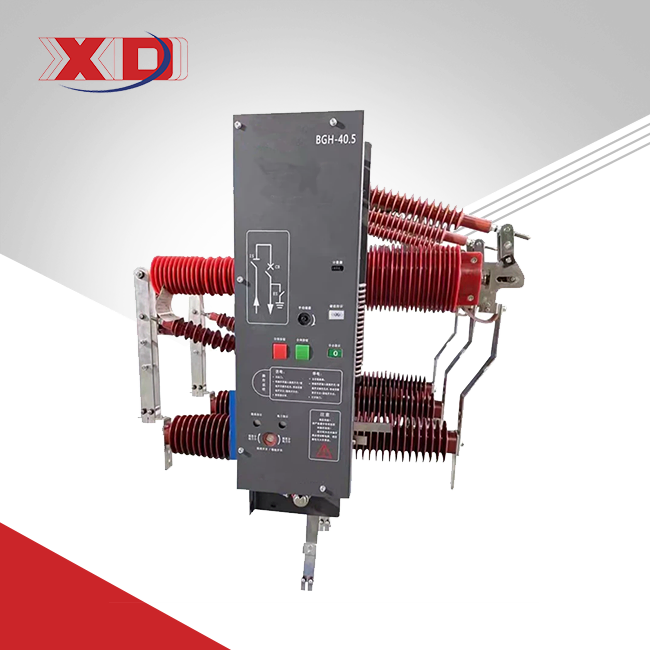
Industrial Outdoor disconnect switches can take voltages from 40.5kV to 252kV and currents up to 6300A. Residential units, on the other hand, work at much lower voltages and currents, usually 120/240V single-phase or 208V three-phase, with 30A to 400A. The GW4 High Voltage Disconnect Switch is made with hot-dip galvanized steel parts and transmission systems made of stainless steel. It is an example of industrial-grade construction that isn't ideal for normal home projects because of its high-voltage design.
For residential setups, small volumes and easy operation are most important. In seaside or humid areas, hot-dip galvanized steel prevents rusting, and aluminum alloy shapes help heat escape without the need for active cooling. Flexible busbar connections can handle thermal expansion, so they can keep electrical contact even when temperatures change, which is common in outdoor settings.
Operating Principles and Voltage Ratings
To start or stop current lines, disconnect switches use simple mechanical knife blades or spinning contacts. When the switch is closed, the moving contacts make contact with the stationary contact surfaces. This makes an electrical connection with low resistance. When there is no load on the circuit, opening the switch divides these contacts. This is very important because disconnect switches don't have the arc reduction features that circuit breakers do. When you use a disconnect switch to try to stop load currents, you can cause dangerous arcing and damage to the equipment.
Residential voltage ratings are the same as utility service standards. Single-family homes usually have 120/240V split-phase systems, while multi-unit developments or homes with commercial-grade appliances use 208V three-phase systems. When figuring out the load capacity, you have to take into account constant duty cycles and make sure that the disconnect switch rating is at least 125% higher than the maximum expected current, as required by NEC Article 430.110 for motor disconnection uses.
Key Technical Requirements and Installation Guidelines
Voltage and Load Capacity Specifications
A correct load estimate is the first step in choosing the right break switch. Disconnect switches for home HVAC systems that draw 60A of constant power must be rated at least 75A (60A × 1.25 safety margin). Similar derating issues need to be thought about when installing a pool pump, especially when motors cycle a lot when starting up with a lot of current. Heavy-duty uses, like whole-house emergency generators, need disconnect switches rated for 200A or more to handle sudden surges in current during generator synchronization.
Long-term dependability is affected by the choice of materials. Stainless steel contact springs keep the pressure constant even when the temperature changes, which stops contact degradation that leads to overheating. Copper plates that are bent make it easier to do upkeep and make sure that the current can flow smoothly through high-conductivity paths. These design features are standard on industrial disconnect switches like the GW4 model, but they can also be used in home settings that need longer service times and are located in tough outdoor conditions.
Installation Best Practices and NEC Compliance
The location of an installation has a direct effect on safety and code compliance. Article 230.70 of the NEC says that disconnect switches must be placed in places that are easy to get to, usually within sight of the equipment they control or no more than 50 feet away if they have lockout features. The height at which the operating handles are mounted should be between 4 and 6.5 feet above ground level to meet ADA requirements for wheelchair accessibility.
Attaching the Outdoor disconnect switch container to solid supports that can handle wind loads and vibrations from nearby equipment is part of the mounting process. Hot-dip galvanized steel fixing clamps don't rust, so the structure of the disconnect switch stays strong for as long as it's used. If you connect your equipment properly to the building's earth wires, fault currents will safely flow away, protecting you from shocks and damage to your equipment during ground fault conditions.
To properly tighten wiring terminations, you need to use pressure that is controlled by the maker. For aluminum conductors, this is usually 30 to 40 lb-ft, and for copper conductors, it's 40 to 50 lb-ft. When connections aren't tight, they create heat by making resistance higher. This can finally turn insulation into carbon and pose a fire risk. Putting an anti-oxidant substance on the ends of aluminum conductors stops the formation of oxide layers, which raise the contact resistance over time.
Maintenance Protocols and Troubleshooting
Every five years, routine inspections make sure that the electrical and mechanical systems are still working properly. Technicians should look for signs of overheating, like insulation that has changed color or parts that have melted near the termination points. When you physically operate the disconnect switch, you can be sure that it moves smoothly and doesn't get stuck. Short friction travel designs reduce mechanical wear and increase operating life. Features that better get rid of heat, like aluminum metal heat sinks, keep safe working temperatures even when the load is constant.
Contact wear from being in the surroundings and mechanical breakdowns in working linkages are two common problems. Using gasoline or alcohol to clean off contact surfaces of dirt and dust restores proper electrical continuity, and conductive grease keeps low resistance connections in place. Checking cylindrical pins and nuts for looseness keeps catastrophic fails from happening during switching operations. Cracks in post insulators need to be checked for because broken ceramic or polymer insulation can cause flashovers in wet circumstances.
Comparing Outdoor Disconnect Switch Types and Market Solutions
Fusible versus Non-Fusible Designs
Fusible disconnect switches protect against overcurrent with changeable fuse elements. They combine the tasks of disconnecting and protecting the circuit in one housing. This design lowers the cost of installation and the amount of space needed for the panels. This makes it appealing for home uses where simplicity is important. Non-fusible versions need separate overcurrent protection devices like circuit breakers. This gives you more options for how to coordinate protection, but it makes the system more complicated.
When it comes to rental homes and business living facilities, lockable disconnect buttons make things safer. Padlock hasps on the working handles stop people from using them without permission, which meets insurance standards and lowers the risk of liability. These features are necessary for installing pool equipment in places where the public can get to it, which raises safety concerns.
Solar Panel System Integration
Photovoltaic installations need to be able to shut down quickly, which means they need special disconnect switches like the Outdoor disconnect switch that can keep solar panels from working during emergencies or firefighting. These gadgets have to deal with DC voltage that is different from AC voltage. It's harder to stop arcs in DC circuits because there aren't any natural zero-crossings. UL 98B-approved DC disconnect switches have arc-quenching features that work with solar panel voltages of up to 600VDC.
Grading rings and shields improve the way the electric field is spread around high-voltage contact points. This lowers the radio frequency interference that damages communication equipment nearby. Residential solar installations only use low voltages, but good disconnect switches have these features built in to make sure they are reliable over time and work with home automation systems.
Brand Comparisons and Quality Considerations
The domestic disconnect switch market is led by Square D, Siemens, ABB, Eaton, and Schneider Electric, which have strong distribution networks and offer a wide range of expert support. Square D's Heavy Duty Safety Switches come in NEMA 3R enclosures that are good for outdoor home uses and come with the best guarantee terms in the business that cover manufacturing flaws. Siemens' high-end models come with smart tracking features that show the state of operations in real time through building management system interfaces.
ABB focuses on modular designs that let auxiliary contacts and interlocking mechanisms be changed in the field, making them suitable for complex residential electrical configurations. Eaton's product lines are geared toward affordable options that meet basic safety standards without requiring extra features. This makes them appealing to home makers who are trying to stick to a budget. Schneider Electric sets itself apart by focusing on sustainability and selling products that are made using ISO 14001 environmental management systems.
These companies have large networks of approved distributors that make sure products are always available and that customers can get expert help in their area. Most warranties cover products for one to three years, but for important installations, extended service agreements offer extra protection. Response times for technical help vary. Tier-one manufacturers usually have a hotline that you can call 24 hours a day, while smaller providers may only offer support during normal business hours.
Procurement Insights: Buying and Sourcing Outdoor Disconnect Switches
Distribution Channels and Lead Time Management
When you buy Outdoor disconnect switches from approved wholesalers, you can be sure that you are getting real goods that meet approval standards. Electrical wholesale wholesalers keep standard designs in stock locally, so pressing replacement needs can be met the same day or the next day. Lead times can be up to 8 weeks if the project needs hot-dip galvanized steel enclosures or specific voltage ratings. This is because makers have to build assemblies based on the project's needs.
Online industrial markets make prices clear and let you compare products, but buyers need to make sure the seller is legitimate to avoid getting fake goods that don't have the right safety standards. When big residential developments need a lot of disconnect switches, buying directly from makers like Xi'an Xikai is a good idea. Projects that order 50 or more disconnect switches can get better prices and dedicated engineering help for making changes that work for their needs.
Pricing Structures and Value Analysis
The cost of licensing, the quality of the materials, and the difficulty of making the disconnect switch all affect its price. The base price of a product includes UL 98 listing fees, ongoing compliance audits, and testing by a third party. Using flame-retardant polymers and self-extinguishing materials in fire-resistant construction costs 15–25% more than standard units, but these features are very important for improving safety in high-density residential settings.
Hot-dip galvanized steel enclosures for an Outdoor disconnect switch cost 10–20% more than powder-coated mild steel options. This is because they are more resistant to corrosion, which means they last longer in seaside or industrial settings. Stainless steel gearbox parts like pins, bushings, and bearings cost more to make but don't need to be oiled or rust-proofed, which means they don't need to be maintained.
A lot of the time, volume discounts start at 10 units, and prices go down by 5 to 10 percent at 25 units and by 15 to 20 percent at 100 units or more. With custom ordering choices, you can choose the mounting setups, enclosure colors, and arrangements for extra contacts that are best for your project. These changes cost money for engineers, but they improve the way the systems work together and how efficiently they run in the long run.
Partnering with Reliable Suppliers
Xi'an Xikai Medium & Low Voltage Electric Co., Ltd. sells a wide range of electrical products around the world, including switchgear, transformers, and power distribution solutions. Our industrial skills include hot-dip galvanized steel forging, precision machining of stainless steel, and extrusion of aluminum alloy profiles. These are the main skills that make sure disconnect switches last and work consistently. To make sure that products meet the quality management standards set by IEC 62271-102, IEEE C37.32, and ISO 9001, they are put through rigorous dielectric testing, mechanical endurance validation, and environmental stress screening.
Our engineering teams offer application consulting services. They look at electricity load patterns and environmental factors to figure out the best way to set up disconnect switches. Throughout the lifetime of a product, procurement teams are helped by technical paperwork like installation instructions, upkeep guidelines, and troubleshooting steps. Our plateau-type equipment works reliably at heights of up to 4,000 meters, while standard residential disconnect switches have been tested and shown to work in a wide range of climates and installation conditions.

Conclusion
The voltage levels, load limits, environmental conditions, and legal compliance requirements must all be carefully considered when choosing the right Outdoor disconnect switches for domestic projects. Electrical systems that meet safety standards and provide long-term operating value are made possible by knowing the differences between fusible and non-fusible designs, spotting quality indicators in making materials, and building relationships with dependable suppliers. Expert manufacturers can help procurement professionals by giving them technical advice, custom engineering support, and full product warranties that cover the specific problems that come up with residential electrical infrastructure.
FAQ
1. What distinguishes outdoor disconnect switches from circuit breakers?
Outdoor disconnect switches let you manually cut off a circuit when it's not in use. They also serve as obvious safety devices for maintenance lockout processes. When there is an overcurrent or short-circuit fault, circuit breakers instantly cut off the circuit. They do this by adding arc suppression mechanisms that stop the flow of load current. For safety reasons, residential electrical systems need both circuit breakers and disconnect switches. Circuit breakers protect against overcurrent, and disconnect switches safely turn off equipment while service work is being done.
2. Should residential disconnect switch installation involve licensed electricians?
Installing something professionally by a licensed electrician makes sure that it meets building codes and is safe. Line-voltage terminations on disconnect switches pose shock and arc flash risks during installation. Licensed electricians have the right checking tools, safety gear, and training to make sure that the wiring is polarized correctly, that the grounding is solid, and that the equipment works. In many places, work that needs an electricity permit must be done by a licensed worker. This means that professional installation is legally required, in addition to being safer.
3. How frequently should maintenance inspections occur?
Every five years, routine inspections make sure that the mechanical and electrical systems are working properly under normal conditions. Properties near the coast or industrial sites should be inspected once a year because salt spray or airborne pollutants can speed up corrosion. When electricity problems or bad weather happen, they need to be checked out right away to see what damage needs to be fixed before dangerous conditions happen.
Partner with Xi'an Xikai for Your Disconnect Switch Requirements
Through improved manufacturing and full technical support services, Xi'an Xikai has proven to be a master in electrical distribution equipment. Our Outdoor disconnect switch options are made of hot-dip galvanized steel, have transmission systems made of stainless steel, and have better heat dissipation designs to ensure stable operation in tough home settings. Engineering teams work with procurement professionals to come up with the best configurations that meet the voltage ratings, environmental conditions, and installation limitations of each project.
As a reliable Outdoor disconnect switch provider that serves customers all over the world, we keep a large inventory of our products so that we can quickly fill standard designs and make custom switches for unique uses. Customers can be sure that our products are safe and reliable because we are committed to quality assurance through ISO 9001 approval and strict testing methods. To talk about your home project needs, email our technical sales team at serina@xaxd-electric.com, amber@xaxd-electric.com, or luna@xaxd-electric.com. Visit xaxd-electric.com to look through our full catalog of electrical equipment and grab installation guides that will help you complete your job successfully.

References
1. National Fire Protection Association (NFPA), National Electrical Code (NEC) 2023 Edition, Article 230 and Article 430, Quincy, MA: NFPA, 2022.
2. Underwriters Laboratories Inc., UL 98: Standard for Safety Enclosed and Dead-Front Switches, 17th Edition, Northbrook, IL: UL Standards, 2021.
3. International Electrotechnical Commission, IEC 62271-102: High-voltage switchgear and controlgear – Part 102: Alternating current disconnectors and earthing switches, Geneva: IEC, 2018.
4. Institute of Electrical and Electronics Engineers, IEEE C37.32-2020: IEEE Standard for High-Voltage Air Disconnect Switches, Interrupter Switches, and Bus Supports, New York: IEEE, 2020.
5. American National Standards Institute, ANSI C37.30-2020: American National Standard Requirements for High-Voltage Air Switches, Washington, DC: ANSI, 2020.
6. Electrical Safety Foundation International, Residential Electrical Safety Guidelines for Installation and Maintenance of Disconnect Switches, Arlington, VA: ESFI, 2022.