Why an Outdoor Disconnect Switch Matters for HVAC Systems
2026-09-02 09:28:49
There is no compromise on safe electrical isolation, whether you are responsible for big scale HVAC systems across commercial buildings, industrial facilities or substation areas. The Outdoor disconnect switch is the key line of defence between live power sources and your heating, ventilation and air conditioning equipment during maintenance, emergency shutdowns or system upgrades. In addition to simple power cutoff, these devices safeguard personnel from electrical risks, avoid expensive equipment damage and comply with the severe safety rules imposed by electrical codes worldwide. If you don’t have the correct disconnection procedures in place at an easily accessible outside area (such by rooftop units or exterior mechanical rooms), your project might be subject to code violations, insurance issues, and increased workplace hazards that could shut your operations down for an indeterminate amount of time.


Understanding Outdoor Disconnect Switches in HVAC Systems
What Defines an Outdoor Disconnect Switch
An Outdoor disconnect switch physically stops the flow of electricity to HVAC equipment, leaving a gap in the circuit that techs can see and check before they start working. Circuit breakers automatically protect against overloads, but disconnect switches are controlled by hand and are meant to be used for intentional separation instead. The switch assembly usually has a rotary blade mechanism, a weatherproof enclosure with an IP65 rating or higher, and padlock features that allow the lockout/tagout procedures that are required by US OSHA rules.
The way it works depends on separating conductive contacts when there is no load. This means that HVAC compressors, fans, and controls must be turned off through upstream breakers before the disconnect is used. This stops dangerous arcing that could hurt people or break circuits. Modern designs include grounding features that safely discharge leftover electricity from capacitors and long wire runs. This fixes a common problem in big HVAC systems on rooftops where stored energy stays even after the power goes out.
Core Components Ensuring Reliable Performance
High-quality Outdoor disconnect switches have a number of special features that allow them to withstand the stresses of the climate while still keeping their electrical integrity. Fuse holders hold Class J, R, or T fuses, which protect against short circuits in addition to isolating the circuit. Enclosures made of UV-stabilized plastics or powder-coated steel that are weatherproof don't rust in seaside areas, places with dirty air from factories, or places that go through freeze-thaw cycles.
Pins, bushings, joints, and bearings made of stainless steel are used in transmissions and can last for tens of thousands of operating cycles. When used with aluminum or copper conductors, these materials stop galvanic corrosion. This is important to know because metals often break down faster in coastal installations. Flexible busbar connections allow for thermal expansion and building movements without putting stress on the terminal points. Meanwhile, externally compressed contact springs keep the pressure constant even when the temperature outside changes from -40°C to +85°C.
Outdoor Versus Indoor Applications
Whether you choose an outdoor or indoor-rated break switch depends on where it will be installed and how much it will be exposed to weather. Outdoor models have better protection against water, dust, and UV rays—usually at least IP65, and higher-end models getting IP66 or NEMA 4X ratings. Enclosures have drainage lines and doors with gaskets that keep out rainwater and keep the inside from condensation when the temperature changes.
Because electrical rooms are climate-controlled and keep the temperature fixed, indoor break switches don't have these environmental protections. The changes in ratings have a direct effect on the choice of materials. For example, outdoor units must have stainless steel tools, silicone-coated insulators, and surface treatments that stop corrosion that indoor units do not. Outdoor disconnect switches placed near rooftop air handlers make it easier to provide service and keep electrical hazards away from occupied areas in HVAC systems that serve factories, data centers, or hospitals.
Benefits and Applications of Outdoor Disconnect Switches for HVAC
Elevating Safety and Regulatory Compliance
Integrating Outdoor disconnect switches into HVAC electrical infrastructure meets basic safety requirements that facility managers and EPC contractors must meet every day. When repair workers work on the variable-speed drives that control chiller pumps or change contactor assemblies in air handling units, the disconnect makes sure that the power is turned off and can't be accidentally turned back on by someone else. This feature directly supports lockout/tagout programs that are required by occupational safety authorities. This lowers the risk of liability for engineering firms that are in charge of substation projects or plant expansions.
In an emergency, a break switch lets the power be turned off quickly when HVAC equipment problems cause fire risks, refrigerant leaks, or mechanical failures that put nearby systems at risk. The speed benefit over going to remote breaker switches can keep secondary damage from happening, which could cost hundreds of thousands of dollars in lost time and money. Following the rules set by IEC 62271-102 and IEEE C37.32 makes sure that equipment meets performance standards that are accepted around the world. This makes it easier for governments to approve international projects that involve many different countries.
Reducing Downtime Through Efficient Maintenance Isolation
Technicians can quickly separate specific HVAC zones without turning off power to whole buildings during scheduled repair windows by using an Outdoor disconnect switch, which shortens the time that operations are interrupted. In hospitals, semiconductor factories, or hotel properties where continuous environmental control preserves product quality or guest comfort, an Outdoor disconnect switch placed next to each rooftop packaged unit allows targeted isolation while keeping other climate zones operational.
When property management companies are in charge of dozens of commercial buildings, they can save time and money by having service technicians check that equipment is turned off instead of having to coordinate with on-site electricians to get to the main distribution panels. In addition to the initial hardware investment, this operational model lowers the total cost of ownership. This is especially true when disconnect switches have maintenance-free designs with sealed bearings and self-cleaning contact mechanisms that make service intervals longer.
Typical Installation Scenarios Across Commercial and Industrial Settings
Outdoor disconnect switches are evaluated by B2B buying teams in a variety of application settings, each with its own electrical and environmental requirements:
The most usual situation is for HVAC units on roofs of shopping malls, office buildings, and school grounds. Disconnect switches rated 30A to 100A at 480V three-phase are needed for these installations. The switches need to be protected from wind-blown rain and ice formation with NEMA 3R enclosures. For units that serve more than one packaged rooftop unit, gang-mounted disconnect kits may be needed to combine isolation points while keeping separate lockdown options for each circuit.
For process cooling systems and makeup air units that are exposed to corrosive vapors or conductive dust, industrial plants that work with chemicals, food, or metals need heavy-duty disconnect switches that can handle 200A to 600A loads. Explosion-proof cabinets with Class I Division 2 ratings are needed in places like oil plants and drug factories where there are flammable air currents.
Outdoor mechanical rooms at substations and power plants have the toughest conditions. They need disconnect switches that can handle high temperatures near transformer installations, operating at high altitudes above 2,000 meters, and electromagnetic interference from switchgear next to them. More and more of these systems have dual-mounting options, which give installers more freedom as site conditions change during building.
How to Choose the Right Outdoor Disconnect Switch for Your HVAC System
Evaluating Voltage and Current Specifications
The most important thing to look for in a disconnect switch is that its grades match the real load needs. The nameplates on HVAC equipment list the full-load amperage for the compressors, fans, and other loads. To find the minimum disconnect current rating, add these values together and then add 125% for safety, as required by electrical codes. Ratings that are commonly used include 30, 60, 100, 200, 400, and 600A at voltages such as 240V single-phase, 480V three-phase, and 600V three-phase, which are common in commercial installations in North America.
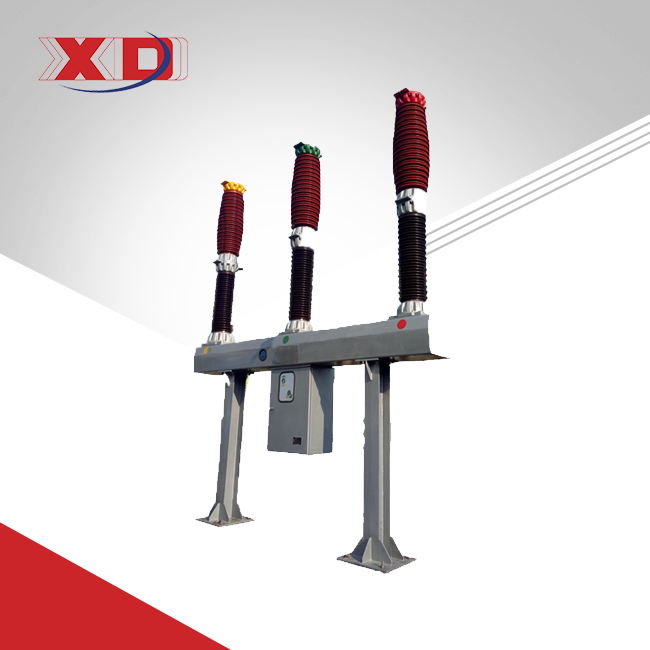
For high-voltage tasks like district cooling plants or utility-scale substations, you need special break switches that can handle voltages from 40.5kV to 252kV and currents up to 6,300A. These units have grading rings and electrostatic shields that make the distribution of the electric field better. This stops corona discharge and radio frequency interference, which can damage sensitive equipment. Hot-dip galvanized steel structures and aluminum alloy shapes give the structure the strength to hold heavy ceramic insulators and bending copper plate conductors while also getting rid of the heat that is created by running at a high current all the time.
Ingress Protection and Environmental Durability
Using the IP code system, ingress protection ratings show how well an enclosure protects against solid particles and liquids. For example, an IP65 rating shows that the enclosure is safe from dust and low-pressure water jets coming from any direction, making it good for most outdoor HVAC uses. If you are installing something near the coast or where chemicals are processed, you should get an IP66 or NEMA 4X stainless steel container that can handle being sprayed with saltwater and being cleaned with a hose.
Extreme temperatures require special consideration: standard Outdoor disconnect switches work in temperatures ranging from -40°C to +85°C, which is enough for most climates around the world. Installations in the desert or equipment that is placed near machinery that makes heat may need thermal derating or better airflow. On the other hand, internal heaters keep mechanisms from freezing up during cold starts, which is helpful in arctic uses. Polycarbonate viewing windows that are resistant to UV light let you check visual touch without opening enclosures. This lowers the risk of contamination in clean production areas.
Comparing Fusing Options and Brand Reliability
Different types of protection are used by fused and non-fused disconnect switches. Fused versions have Class J or R fast-acting fuses that protect against short-circuits and work with upstream breakers to create a double layer of defense against fault conditions that could damage expensive HVAC controls or variable frequency drives. This method makes electrical designs easier for retrofits where panel room limits the addition of circuit breakers.
Non-fused disconnect switches only act as separation devices; they depend on separate overcurrent safety upstream to keep the circuit safe. This setup makes maintenance easier because fuses don't need to be replaced unless something goes wrong. This is good for facility managers who want to keep things simple in the long term. The choice depends on the current electrical system and whether or not local electrical rules allow disconnections without fuses for certain kinds of loads.
When purchasing managers try to find the best balance between quality, wait times, and supplier dependability, they should look at well-known makers whose products are consistently made and offer good technical support. In addition to well-known names, new sources from China's electrical equipment production hubs offer great value if they have IEC 62271-102 type test certifications from approved labs and a history of working in tough environments. Xi'an Xikai has been supplying power plants and industrial complexes for 20 years, which shows that they can turn technical specifications into hardware that works in the real world.
Installation, Wiring, and Maintenance Best Practices
Site Preparation and Mounting Requirements
Preparing the base is the first step in a proper installation. Level mounting surfaces keep the insulator from being stressed and rotating contacts from being out of line. Poured concrete pads with embedded anchor bolts provide stable platforms resistant to seismic activity and wind loading for heavy-duty Outdoor disconnect switches serving high-voltage substation HVAC loads. In rooftop uses, solid steel supports are used to spread the weight of the equipment across several roof joists while also allowing the mounting hardware to expand and contract with temperature changes.
Electrical rules set minimum distances from walls, ceilings, and neighboring equipment. These distances are usually 3 feet horizontally and 6 feet vertically around disconnect switches to make sure they can be safely used and serviced. Cable trays, pipes, and structural members that block visibility or stop the blades from turning all the way must not be in these areas. Putting disconnect switches on the side of HVAC equipment with the moving contacts makes it easier to route the wires and places the operating handles where technicians normally approach the units during service calls.
Wiring Protocols and Electrical Safety Compliance
Conductor sizes for an Outdoor disconnect switch are based on ampacity tables that take into account ambient temperature correction factors and conduit fill derating. For example, a 100A disconnect switch that works at 75°C termination temperatures needs 3 AWG copper conductors in most installations, but they need to be sized up to 1 AWG when they go through thermally insulated rooftop areas. Aluminum conductors need anti-oxidant compounds to be applied at the terminal lugs to stop galvanic corrosion. Copper, on the other hand, is still chosen for important uses because it conducts electricity better and has a more reliable link.
During installation and retightening reviews, calibrated tools must be used to check the torque specs stamped on terminal blocks. When connections aren't tight enough, resistive heating happens, which causes the terminals to break. When bolts are too tight, they crack aluminum lugs or strip threads in brass inserts. It's important to pay extra attention to the ground connections that connect disconnect boxes to equipment grounding wires. Star washers and serrated lugs safely conduct fault currents by cutting through paint and corrosion films.
Routine Maintenance Schedules and Inspection Checkpoints
Periodic inspections of Outdoor disconnect switches can find wear and tear before they fail. Visual checks are done every six months to make sure that the viewing window is clear, that the padlock hasp works, and that the container seals have been compressed. During equipment breakdowns, internal checks are done to look for pitting or discoloration on contact surfaces that could mean the equipment is overheating, fix terminations that show thermal stress patterns, and clean insulation surfaces of any contaminants that have built up using approved solvents.
Testing the mechanical operation confirms that the blades rotate smoothly throughout the whole travel arc, without binding or too much friction. Bronze or brass mechanisms wear out faster than stainless steel transmission systems with short friction travel designs. This means that in moderate climates, service intervals can be extended to five years. Multimeters must be used to check the functionality of the contacts on anauxiliary switches that control interlock circuits. This is to make sure that disconnects can't close while equipment doors are open or other dangerous situations are present.
Some environmental factors that speed up the age of parts are UV light breaking down polycarbonate cases, salt spray rusting exterior hardware, and industrial air putting conductive films on insulators. Silicone-coated insulators keep dirt from building up in cement plants or coastal substations, and stainless steel hardware gets rid of rust stains that are unsightly and a sign of deeper corrosion. Taking these preventative steps will keep the equipment reliable for the 20 years that most utility-grade break switches last.


Conclusion
Outdoor disconnect switches are more than just electrical devices that are needed by code. They are also important safety hurdles that keep maintenance workers, operating assets, and business operations safe in commercial, industrial, and utility HVAC installations. When projects choose devices that are made to last in harsh environments, work well with electricity, and be easy to use, they will be able to meet regulatory and insurance requirements for decades to come. When making decisions about what to buy, it's helpful to work with manufacturers that can show they understand manufacturing, follow global standards, and offer application engineering support that can turn generic products into custom solutions that solve problems specific to the site.
FAQ
1. What safety features should procurement teams prioritize when specifying outdoor disconnect switches for HVAC systems?
The most important thing is to have lockout/tagout rules that include multiple padlock holes so that locks from different trades can be used at the same time. During pre-work verification, shock risks are lower when blade position indicators can be seen and confirm that the door is open without having to be opened. Floating voltages can't happen because of ground links that are bound to enclosures and grounding options for detachable wire assemblies. Arc-resistant container designs with built-in flaws protect people in the event of rare malfunctions.
2. How do I determine compatibility between an outdoor disconnect switch and existing HVAC electrical infrastructure during retrofits?
Check that the voltage class fits the nameplate values on the current equipment. If they don't, electrical engineering needs to look into it. Make sure the fixing size fits the space you have, making sure there is enough room for the door to swing open. Make sure that the termination lug configurations can handle the current conductor sizes and types. Check that the ratings for ingress protection meet or go beyond the levels of environmental exposure. Check the interrupt values and make sure they work with the upstream overcurrent safety devices as required by the electrical code.
3. Does weatherproof construction significantly impact long-term reliability in harsh climates?
Field data from sites on the coast and in the desert shows that properly specified Outdoor disconnect switches achieve 99.9% uptime when kept according to maker plans. Hot-dip galvanized steel doesn't rust in saltwater for decades, and UV-stabilized polymers keep the steel from breaking when it's in the sun for a long time. The extra cost of marine-grade materials usually adds 15 to 25 percent to purchase budgets, but they save money by not needing to be replaced too soon and by preventing unexpected outages that stop the facility from running.
Partner with a Trusted Outdoor Disconnect Switch Supplier
When purchasing managers and electrical engineers work on complicated substation projects or HVAC upgrades at multiple sites, they need manufacturing partners who can provide more than just catalog products for Outdoor disconnect switch components. Xi'an Xikai has been an engineer for 20 years and has worked with State Grid systems, petrochemical complexes, and foreign power projects that need custom solutions for working at high altitudes, in settings with a lot of pollution, and on short notice.
Our disconnect switches range from 40.5kV to 252kV ratings and can handle up to 6,300A of current. They have hot-dip galvanized frames, transfer mechanisms made of stainless steel, and flexible busbar connections that have been used in thousands of installs. CNC-machined parts are used in manufacturing to make sure that all the contacts are lined up perfectly, and strict testing protocols make sure that the product meets IEC 62271-102, IEEE C37.32, and regional grid codes. You can email our technical team at serina@xaxd-electric.com, amber@xaxd-electric.com, or luna@xaxd-electric.com to talk about your project needs and get personalized suggestions backed up by type test data and reference setups. You can look at our whole product line at xaxd-electric.com and learn how Xi'an Xikai's solutions improve the safety, dependability, and procurement efficiency of HVAC electrical systems around the world.

References
1. Institute of Electrical and Electronics Engineers, "IEEE Standard for High-Voltage Disconnect Switches and Associated Accessories," IEEE C37.32-2018, Standards Association, 2018.
2. National Fire Protection Association, "NFPA 70: National Electrical Code," Article 440 Air-Conditioning and Refrigerating Equipment, Quincy, MA, 2023 Edition.
3. International Electrotechnical Commission, "High-Voltage Switchgear and Controlgear - Part 102: Alternating Current Disconnectors and Earthing Switches," IEC 62271-102:2018, Geneva, Switzerland.
4. Occupational Safety and Health Administration, "Control of Hazardous Energy (Lockout/Tagout)," 29 CFR 1910.147, U.S. Department of Labor, Washington D.C., 2022.
5. American Society of Heating, Refrigerating and Air-Conditioning Engineers, "ASHRAE Handbook - HVAC Applications," Chapter 59: Electrical Considerations, Atlanta, GA, 2019.
6. Underwriters Laboratories, "UL 98: Standard for Enclosed and Dead-Front Switches," UL Standards & Engagement, Northbrook, IL, 2021 Edition.