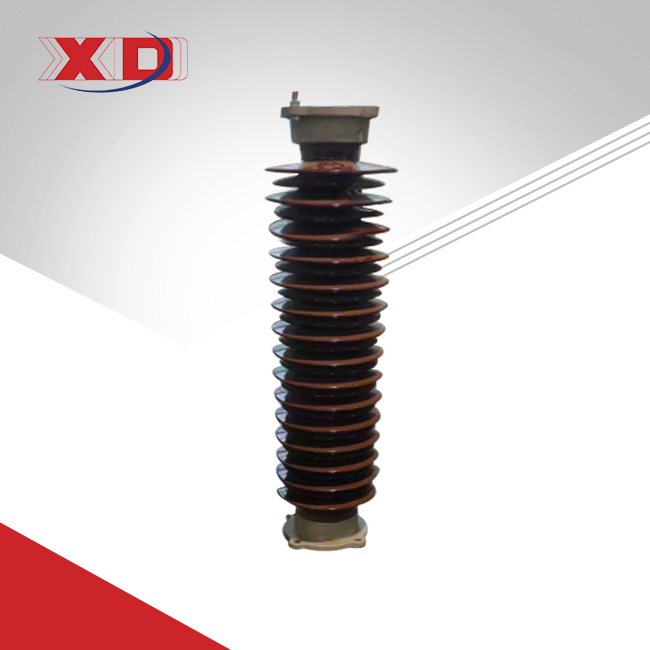
Y10W-102/266W Lightning Arrester Porcelain housed MOA for AC system
Outdoor SF6 Circuit Breaker: Complete Guide for High Voltage Protection
2026-08-07 16:49:11
When your facility depends on uninterrupted power and reliable fault protection, choosing the right high-voltage equipment becomes mission-critical. An outdoor SF6 circuit breaker combines sulfur hexafluoride gas insulation with robust outdoor-rated housing to deliver superior arc interruption, compact footprints, and long service intervals in transmission and distribution systems. This guide walks you through operating principles, maintenance strategies, technology comparisons, procurement considerations, and environmental trends—giving you the technical clarity to protect your infrastructure investment.
吗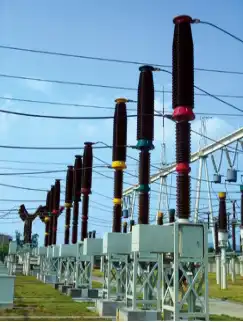

Understanding Outdoor SF6 Circuit Breakers: Working Principles and Key Features
The electrical strength of sulfur hexafluoride gas is about three times that of air at normal pressure. This makes it the best medium for high-voltage switching uses. If there is a fault in an outdoor SF6 circuit breaker, the moving contacts separate inside a chamber that is sealed off and filled with pressurized SF6. During separation, an arc forms that hits the electronegative gas molecules. The molecules quickly grab any free electrons and put out the arc within milliseconds.
Core Operating Mechanism
The interruption process depends on two effects happening at the same time: mechanical compression and thermal expansion. As the contacts separate, the arc heats the SF6 gas around them, which makes the pressure inside a puffer cylinder go up. A piston-driven device squeezes the gas even more, sending a fast blast across the direction of the arc. This does two things at once: it cools the plasma column and makes the dielectric strength between the contacts stronger faster than vacuum or air technologies can. As a result, fault currents up to 50 kA can be reliably stopped with little contact loss.
Superior Dielectric and Thermal Performance
When the temperature goes from -30°C to 50°C, SF6 stays very stable thermally and doesn't lose its insulation properties. The gas doesn't react with anything chemically and can't catch fire, so there are no fire risks like there are with oil-filled designs. Internal parts of SF6 don't rust or corrode over decades of use because it doesn't take much water. When compared to air-blast breakers, compact interrupter chambers have a 40–60% smaller physical size. This lowers the cost of substation land and makes installation easier.
Application in Demanding Environments
Outdoor-rated housings can handle UV rays, salt spray, industrial pollution, and changes in temperature. They are usually made of porcelain or composite insulators. High-voltage transmission lines (126 kV to 252 kV), industrial distribution networks, green energy substations, and mining areas where installing switchgear inside is not possible are all served by these units. Because the design is modular, phase-segregated maintenance is possible. This means that techs can work on one pole without turning off the power to the whole center.
The LW25 Outdoor Porcelain Type SF6 Circuit Breaker from Xi'an Xikai is a good example of these ideas. The "T"-shaped double-interrupter is rated at 126/145 kV and 2000–4000 A continuous current. It has three operating mechanism options: spring (a motor-charged closing spring with a self-charging opening spring), hydraulic (a disc spring energy storage with hydraulic actuation, nitrogen-free), and pneumatic (compressed air opening with spring closing). Each pole has monitoring built in that works with SCADA to see real-time SF6 pressure, contact wear, and operation cycles. This lets maintenance be planned ahead of time and cuts down on unplanned outages.
Maintaining and Troubleshooting Outdoor SF6 Circuit Breakers for Reliability
Disciplined repair habits are the first step to making equipment last as long as possible and avoiding unplanned downtime. Outdoor SF6 circuit breakers don't need to be inspected as often as oil or air-blast options, but they still need to be inspected at regular intervals.
Routine Inspection and Gas Leak Detection
To keep the ability to stop an arc, annual leaking rates must stay below 0.5 percent. Put laser imaging or quantitative halogen leak monitors on the flanges, bushings, and valve covers. Record the initial SF6 pressure; any drop of more than 1% per year suggests that the seal may be breaking down. Inside the interrupter, the amount of moisture should stay below 150 parts per million by volume. Too much water and byproducts of decomposition react to make hydrofluoric acid, which hurts contacts and insulators.
Contact and Bushing Upkeep
Use a DC micro-ohmmeter (≥100 A test current) to measure loop resistance. Values above 40–50 μΩ show that the contact isn't lined up right or that the surface is dirty. For porcelain joints, you need to look for cracks, chips, or surface tracks. Clean insulators once a year with deionized water and non-abrasive cleaners in places with a lot of grime. High-speed timing analyzers are used to check the mechanical operation features, such as opening and shutting time, speed, and three-phase synchronization. To keep the system from being overloaded, the difference in synchronization between phases shouldn't be more than 2 ms.
Common Faults and Step-by-Step Troubleshooting
- Gas Leakage: Take out the breaker, let the affected pole's pressure drop, and replace the O-rings or gaskets. After vacuuming out the air and wetness, add SF6 until it reaches its rated density.
- Control Circuit Failure: Make sure the solenoid coils, secondary switch contacts, and motor-charging circuits are all in good shape. False trip signs are often caused by loose wire terminals or microswitches that are worn out.
- Mechanical jamming: Look for rust or debris on the linkage rods, pivot bearings, and latching mechanisms. Lubricate moving parts according to the manufacturer's instructions. Synthetic grease that can be used outside is usually best.
A utility company in the Midwest had problems with their old SF6 units' trip coils over and over again. Root-cause research showed that voltage drops when the system fails, which leaves trip coils without power. The problem was fixed by adding capacitor-trip devices, showing that systematic troubleshooting keeps expensive assets from needing to be replaced.
Safety Protocols
SF6 gas is not harmful, but it can make it hard to breathe in small areas because it replaces oxygen. Always keep work areas well-ventilated, and when going into basements, always wear self-contained breathing equipment. Isolated gloves, face shields, and clothing that can handle arcs should be worn when working with live wires. When handling, filtering, and recycling gases, make sure to follow the rules set out in IEEE C37.122 and IEC 62271-100. In a digital asset management system, keep track of all upkeep tasks so that you can pass regulatory checks and warranty claims.
Comparing Outdoor SF6 Circuit Breakers With Alternative Technologies
To choose the best interruption technology, you have to weigh performance, cost, and environmental concerns. Depending on the voltage class, duty cycle, and installation location, each style has its own benefits.
Outdoor Versus Indoor Units
Outdoor designs use sealed cable boxes, UV-resistant porcelain or silicone-rubber insulators, and weatherproof ways to operate. These features make it possible to install on open-air platforms instead of spending a lot of money on buildings. Indoor units are located in climate-controlled switching rooms, which lowers exposure to pollution but raises the costs of real estate and HVAC. When land is cheap and building costs are low, outdoor SF6 circuit breakers work well in utility substations, rural green farms, and mining operations. Indoor models work well in urban substations where space is limited, and looks are important.
SF6 Versus Vacuum Circuit Breakers
Because they are small and don't need any gas for maintenance, vacuum interrupters work great in 12–40.5 kV applications. However, vacuum technology has trouble with dielectric recovery speed and interruption capacity above 72.5 kV. SF6 breakers can handle short-circuit currents of more than 40 kA and clear faults faster (usually in less than two cycles). For vacuum units, the contacts need to be replaced every 10,000 operations. With good gas control, SF6 designs can last up to 25,000 operations. When it comes to total cost of ownership over 30 years, SF6 is better for high-voltage gearboxes, while vacuum is better for distribution feeders.
SF6 Versus Air-Blast and Oil Circuit Breakers
Air-blast breakers make a lot of noise and need a lot of compressed air, so they can't be used in modern grids. Minimum oil and bulk oil designs can catch fire, need to be tested for electrical strength often, and take up a lot of space. SF6 technology gets rid of these problems: there is no risk of fire, it runs quietly, it needs little upkeep, and it saves 60% of room. SF6 breakers need less power to charge hydraulic accumulators or springs, which also makes them more energy efficient.
The LW25 line from Xi'an Xikai has been through a lot of tests that show its benefits. These tests include more than 2,000 motor operations, 40 kA short-circuit interruptions, and salt-fog corrosion tests that go beyond IEC standards. This performance guarantees that critical infrastructure will be safe even in the worst fault scenarios for utility companies, data centers, and industrial plants.
Procurement Guide: Sourcing and Purchasing Outdoor SF6 Circuit Breakers
Global buying teams have to find a balance between technical requirements, source dependability, and cost-effectiveness over the product's life. A structured evaluation process lowers risk and makes the best use of capital.
Supplier Evaluation Criteria
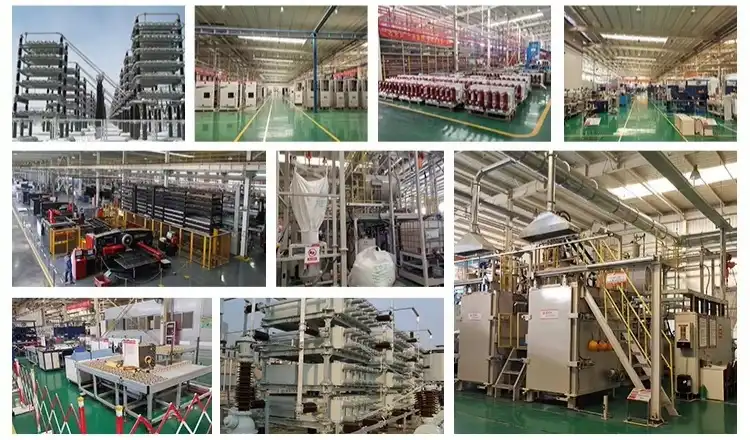
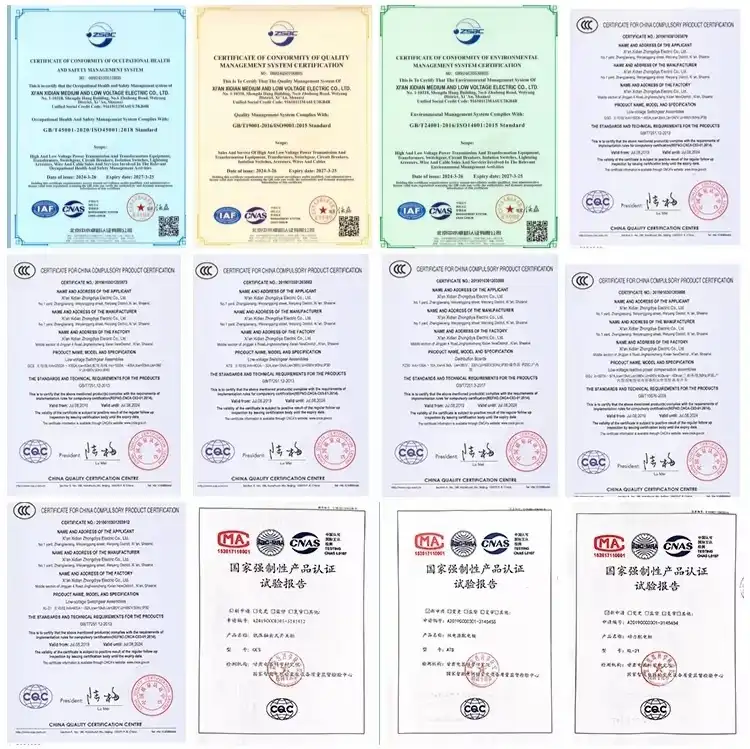
Check the makers' ISO 9001, ISO 14001, and IEEE/IEC compliance, as well as their production capability and quality control methods. Ask for test records from the plant that show mechanical endurance, dielectric withstand voltage, temperature-rise tests, and measurements of partial discharge. Check out systems that keep track of every part, from the raw materials to the finished assembly.
Leading brands offer full after-sales support, including help with setting up, training for operators, and technical hotlines that are open 24/7. Most warranties cover flaws in materials and workmanship for five to ten years. Extended service agreements cover things like regular repair, petrol refills, and emergency deliveries of extra parts.
Pricing and Lead-Time Considerations
How much an outdoor SF6 circuit breaker costs depends on its voltage rating, its ability to interrupt power, and its mechanism type. Because they use more powerful control electronics, hydraulic and pneumatic valves cost more than other types. Spring mechanisms are appealing to utilities that want to save money because they are easier to maintain and cost less up front. Ask for detailed quotes that break down the costs of the breaker gear, any extras (like current transformers and voltage monitors), shipping, and installation.
Depending on how complicated the customization is and how busy the factory is, standard lead times are between 12 and 20 weeks. To keep track of cash flow and warehouse space, work out supply schedules that are spread out over more than one part of a project. When you buy ten or more units, you can often get a 10–15 percent discount. This is because buying materials and planning production are cheaper when you buy in bulk.
Customization and Integration Support
To make up for the lower air density, places above 1,000 meters need to be derated or have better insulation. Coastal sites need coatings that don't rust and wire terminations that are protected. Versions that aren't likely to explode have ATEX or IECEx certifications for use in dangerous areas of oil, gas, and chemical plants. Make sure the providers you work with offer modular designs that can be easily upgraded with things like digital relays, fiber-optic communication, or condition-monitoring sensors in the future without having to make big hardware changes.
Xi'an Xikai works with State Grid, petrochemical complexes, and green energy projects in 30 different countries to provide complete solutions. Our engineering team works with EPC companies to make sure that busbar layouts, grounding schemes, and seismic bracing are as effective as possible so that they can be easily added to existing substations. Contact serina@xaxd-electric.com, amber@xaxd-electric.com, or luna@xaxd-electric.com to talk about your needs and get a detailed quote from our network of outdoor SF6 circuit breaker suppliers.
Future Trends and Environmental Considerations in SF6 Circuit Breaker Technology
Pressure from regulators and new technologies are changing high-voltage switching tools all the time. Buying teams can make sure that infrastructure investments will be useful in the future by understanding these trends.
Environmental Impact and Mitigation
Because SF6 can warm the Earth 23,500 times more than CO₂, countries have agreed to limit their emissions. Metal-to-metal gaskets, welded chambers, and hermetic bushings are some of the more advanced sealing technologies used in modern breaker designs. They keep annual leakage below 0.1 percent. SF6 is collected by gas-recovery systems during repairs and maintenance, and recycling rates are above 95%. Portable filter units get rid of water and the results of breakdowns, making the gas pure again so it can be used again.
Eco-Friendly Alternatives and Mixed-Gas Technologies
In order to find alternatives to SF6, manufacturers are testing fluoronitrile blends (C₄F₇N/CO₂ mixtures) and clean-air insulation (pressurized air or nitrogen). Fluoronitrile has a similar dielectric strength but a lower global warming potential. However, because it has different arc characteristics, interrupters need to be redesigned. Clean-air systems need more interrupters, which makes the breaker size bigger and costs more. The current prototypes are aimed at distribution voltages of 72.5 kV. Research is still going on for transmission-class units with voltages of 145 kV or more. To make the switch from one option to another easily when the new ones are ready, procurement strategies should keep an eye on pilot operations and regulatory timelines.
Digital Monitoring and Smart-Grid Compatibility
IoT devices are built into the next generation of outdoor SF6 circuit breakers. These sensors measure gas density, contact temperature, partial discharge activity, and mechanical wear. Condition-based maintenance is possible with cloud-based analytics systems that use machine-learning algorithms to predict problems weeks in advance. IEC 61850 communication methods are used by digital substations to make sure that safety relays, breaker controls, and energy-management systems work together in real time. Adding this feature cuts down on the time it takes to fix problems, makes the power better, and lowers the cost of running the business.
Xi'an Xikai puts money into R&D partnerships so that these new ideas can be used in production models. Our plateau-rated equipment works regularly at heights of up to 4,000 meters, helping with mining and hydropower projects in rough terrain. Because they have self-charging mechanisms, flexible interrupter designs, and advanced gas-monitoring systems that are all trademarked, our outdoor SF6 circuit breakers are at the cutting edge of modernizing the grid.
Conclusion
It's important to find a balance between technical performance, lifetime costs, and environmental responsibility when choosing an outdoor SF6 circuit breaker. SF6 technology has the fastest arc-quenching speed, the smallest footprints, and the least amount of maintenance compared to older designs. Gas leak detection, contact resistance measurement, and mechanical characteristic testing are all part of the strict maintenance that makes sure the machine works well for decades. Procurement teams can make smart choices by comparing outdoor and indoor setups, SF6 options versus vacuum or air-blast options, and suppliers' abilities. The next generation of high-voltage protection assets will be shaped by new trends in gas recycling, alternative insulation media, and digital monitoring. To stay ahead of regulatory and technological changes, infrastructure needs to be planned for ahead of time.
FAQ
1. What voltage ratings do outdoor SF6 circuit breakers typically cover?
Outdoor SF6 circuit breakers can handle voltages from 72.5 kV to 800 kV in transmission systems. They can also handle continuous currents of 1,600 A to 5,000 A. There are units with medium voltage (12–40.5 kV), but they usually use vacuum or indoor SF6 types. SF6 is almost always used in high-voltage applications above 145 kV because it can handle interruptions better and is smaller. Always match the voltage level of the breaker to the standard voltage of the system plus a safety margin.
2. How often should SF6 gas density be inspected?
Standards in the industry say that density monitors should be visually checked every three months and should be tested for leaks using halogen detectors once a year. Critical substations may start having checks every month. If the density drops below the alarm level, which is usually 90% of the rated pressure, gas must be added again. Maintaining the right density stops internal flashovers and makes sure that the arc goes out reliably when there is a fault.
3. Can outdoor SF6 circuit breakers operate in extremely cold climates?
Yes, as long as the heater has the right parts. Standard models can work in temperatures as low as -30°C, while Arctic models can work in temperatures as low as -50°C by using thermostatically controlled cabinet heaters and lubrication made for cold weather. Synthetic fluids with lower pour points may be needed for hydraulic systems. Always check the manufacturer's datasheets to make sure that the temperature values and accessory needs for your installation spot are correct.
Partner With Xi'an Xikai for Proven High-Voltage Solutions
Xi'an Xikai Medium & Low Voltage Electric Co., Ltd. makes outdoor SF6 circuit breakers that are the best in the world. They have ISO 9001 and ISO 14001 certifications, over 20 patents for new switchgear ideas, and a track record in State Grid systems, petrochemicals, renewable energy, and rail transportation. Our LW25 series outdoor porcelain-type breakers are built to last and come with smart-grid integration so they can meet the needs of utility companies, industrial facilities, and EPC contractors. Get in touch with serina@xaxd-electric.com, amber@xaxd-electric.com, or luna@xaxd-electric.com right away to talk about your project needs and get personalized expert offers.
References
1. IEEE Standard C37.122: IEEE Standard for High-Voltage Gas-Insulated Substations Rated Above 52 kV, Institute of Electrical and Electronics Engineers, 2021.
2. IEC 62271-100: High-voltage switchgear and controlgear – Part 100: Alternating-current circuit-breakers, International Electrotechnical Commission, 2021.
3. Johnson, Mark R., High-Voltage Circuit Breaker Technology: Design, Testing, and Applications, CRC Press, 2019.
4. CIGRE Technical Brochure 605: SF6 Handling and Maintenance Guide for Electrical Equipment, International Council on Large Electric Systems, 2015.
5. Zhang, Wei, and Liu, Xiaoming, Advanced Switchgear Technologies for Modern Power Grids, Springer Nature, 2020.
6. Environmental Protection Agency: Voluntary SF6 Emission Reduction Program for Electric Power Systems, United States Environmental Protection Agency, 2022.