High Voltage SF6 Circuit Breaker Buying Guide for Grid Applications
2026-08-07 16:49:13
When selecting high-voltage SF6 circuit breakers for grid applications, understanding the unique advantages of outdoor SF6 circuit breakers becomes essential. These devices utilize sulfur hexafluoride gas to provide exceptional arc interruption and insulation capabilities in transmission and distribution networks. This comprehensive guide helps procurement managers, facility operators, utility engineers, and EPC professionals navigate critical selection criteria—from technical specifications and environmental resilience to lifecycle costs and regulatory compliance—ensuring your investment delivers maximum uptime, grid stability, and operational efficiency.

Introduction
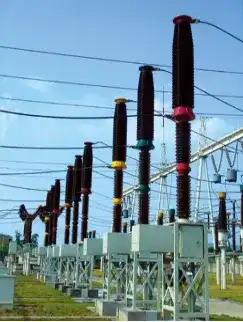
For modern power lines to work, switching equipment must be reliable, safe, and affordable. High-voltage SF6 circuit breakers are appropriate for transmission networks and substations with 72.5kV to 800kV voltages. The rugged outdoor SF6 circuit breaker is notable for its decades-long reliability.
SF6 gas circuit breakers are smaller, less maintenance-intensive, and better at stopping arcs than oil-filled or air-blast technology. Grid workers face increasing pressure to reduce downtime and add renewable energy. Selecting the right circuit breaker is strategic. This book covers the most critical issues building managers, utility companies, and EPC businesses face while finding reputable parts for complicated projects.
We'll examine the fundamentals of these gadgets, compare them to other technologies, discuss what to consider when purchasing them, and discuss how to maintain them. We'll utilise Xi'an Xikai's LW25 Outdoor Porcelain Type SF6 Circuit Breaker to demonstrate how specifications affect real-world performance.
Understanding Outdoor SF6 Circuit Breakers: Operation and Benefits
How SF6 Gas Extinguishes Electric Arcs
The dielectric strength of SF6 gas is about three times higher than that of air at standard pressure. The breaker's contacts separate during fault interruption, making an electric arc. Either the puffer or self-blast devices in the SF6 circuit breaker move the fast-moving SF6 gas across the arc path. Because SF6 molecules are negatively charged, they quickly grab free electrons. This leads to ions recombining and the end of the arc within milliseconds. This thermal expansion method, which can be seen in Xi'an Xikai's LW25 model, stops the flow by combined action between fixed arc contacts, nozzles, and puffer cylinders. This keeps the ideal blast pressure without putting too much mechanical stress on the system.
Typical Ratings for Grid Applications
Outdoor SF6 circuit breakers used for transmission typically handle voltages between 126kV and 252kV and currents between 2000A and 4000A at 50Hz. The LW25 Outdoor Porcelain Type SF6 Circuit Breaker is made for 126kV/145kV systems and can handle currents of up to 4000A. It is an example of equipment that can be used in utility substations, industrial complexes, and connections for renewable energy sources. These values allow fault currents of up to 50kA, which means the breaker can protect transformers, busbars, and power lines during short-circuits without damaging the insulation.
Compact Design and High Dielectric Strength
When compared to air-insulated switchgear, SF6's better insulating qualities allow manufacturers to greatly decrease the distance between poles and the size of interrupters. Porcelain housings that can withstand temperature changes between -30°C and 50°C, UV damage, and pollution buildup are good for outdoor SF6 circuit breaker installations. This small design cuts down on installation costs and the amount of land needed, which are both very important for urban substations and distant wind farms where limited space makes the project impractical.
Reduced Maintenance Requirements
Modern outdoor SF6 circuit breakers have interrupter cells that are sealed for life and have yearly leaking rates of less than 0.5%. There is no need for nitrogen cylinders or complicated hydraulic reservoirs when there are self-charging spring mechanisms like the ones in the LW25's electric motor-charged closing spring system. Inspections happen every 25 years for regular checks and up to 10,000 mechanical operations before major overhauls. This greatly reduces operational costs and unplanned downtime compared to oil circuit breakers that need to be filtered and tested for dielectric often.
Comparing Outdoor SF6 Circuit Breakers with Alternative Technologies
Performance Parameters: Voltage Handling and Switching Capabilities
Vacuum circuit breakers work great in medium voltage situations (up to 40.5kV), but they don't do well in transmission-level networks, where they have to interrupt connections and deal with high voltages. Even though air-blast breakers work well at high voltages, they require big compressor installations and make a lot of noise. Oil circuit breakers can cause fires and pollute the environment because the shielding oil breaks down. Outdoor SF6 circuit breakers, on the other hand, have fast dielectric recovery (usually within two cycles), can handle both capacitive and inductive switching with minimal overvoltages, and can keep their performance stable across a wide range of ambient temperatures. These benefits directly lead to higher grid reliability for utility operators.
Maintenance Demands and Lifecycle Costs
Total cost of ownership analysis shows why gas-insulated breakers are most common in gearbox uses. According to rules about toxic trash, oil breakers need to have their oil tested, filtered, and eventually thrown away. Air-blast systems need constant upkeep on the pump and replacement of pneumatic parts. Vacuum breakers are easy to maintain, but they can't be used to increase or decrease voltage. Outdoor SF6 circuit breakers have the lowest regular maintenance needs—only visual checks, tracking of SF6 pressure, and tests of mechanical characteristics—and the lowest number of consumable replacements. This means that over a 30-year working horizon, they cost 30–40% less than oil or air technologies.
Environmental and Safety Considerations
During normal operation, SF6 gas is chemically neutral, not flammable, and not harmful. This means that there are no explosion risks related to oil vaporisation or burning. However, SF6 is a strong greenhouse gas that is being closely watched by regulators through programs like the EU F-Gas Regulation and the EPA SNAP program. Manufacturers who are responsible use sealed designs that have gas return and leak detection systems built in. The quality control measures at Xi'an Xikai make sure that the yearly loss rate stays below 0.1%. This meets the company's sustainability goals and keeps operations safe. When managed correctly, outdoor SF6 circuit breakers are environmentally friendly options because they are handled properly and the gas is recycled at the end of its useful life.
Brand Comparison: Specifications and Support
Leading manufacturers set themselves apart through ratings for mechanical endurance, interrupter designs, and support infrastructure after the sale. Western European brands focus on modular designs that allow for phase-segregated upkeep. Asian brands, on the other hand, find a mix between low cost and proven reliability. When purchasing from wholesalers, teams should check to see if they are ISO 9001 certified, look at the guarantee terms (which are usually 18 to 24 months), and make sure that spare parts are available in the areas where they serve. The work that Xi'an Xikai has done in more than 30 countries shows that its supply chain is strong and its expert support is quick to respond. These are things that keep project delays and long-term operating risks to a minimum.
Procurement Considerations for Outdoor SF6 Circuit Breakers
Defining Technical Requirements
To make a good purchase, you need to be clear about the electrical factors, such as the rated voltage, rated current, rated short-circuit breaking current, rated working sequence (O-0.3s-CO-3min-CO), and mechanical/electrical endurance class. Environmental factors like elevation, temperature range, seismic zone classification, and pollution level (IEC 60815) have a direct effect on the choice of insulator and housing material. The LW25's porcelain housing and IEC-compliant design make it suitable for environments with salt fog, industrial pollution, and desert dust. However, buyers must make sure that the outdoor SF6 circuit breaker specifications are right for their site to avoid insulation failure or mechanical problems.
Compliance with International Standards
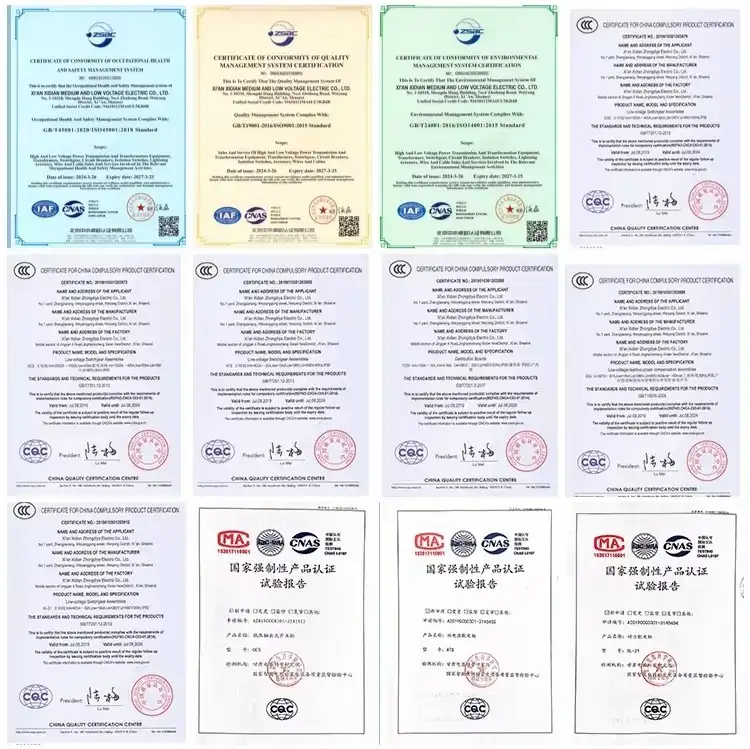
All high voltage circuit breakers that are going to be sold in the US must show that they meet IEEE C37.04 (ratings), IEEE C37.06 (preferred ratings), and IEEE C37.09 (test procedures). IEC 62271-100 sets the rules for type testing and design validation around the world. Buyers should ask for type test results that cover performance in dielectric, mechanical, thermal, and short-circuit areas. More certificates, like ATEX for explosive environments, IECEx for dangerous areas, and ANSI C37 series for US sites, make it possible for more uses, but they need to be clearly stated during the bidding process. Verifying these credentials stops expensive changes to the project and fines for not following the rules.
Pricing Benchmarks and Lead Times
When planning your budget, you should take voltage class differences into account. For example, 126kV outdoor SF6 circuit breakers can cost a modest to significant amount of money, based on their current rates and how complicated their working mechanism is. Because they don't need as much extra equipment, hydraulic spring mechanisms are more expensive than pneumatic systems. Standard lead times are 12 to 16 weeks for common specifications. They can go up to 20 to 24 weeks for custom configurations that need special coatings, longer warranties, or factory acceptance testing. Setting up framework deals with certified providers like Xi'an Xikai makes it easier to buy from them again, keeps prices stable, and makes sure that production runs smoothly during times of high demand.
Selecting Reputable Suppliers
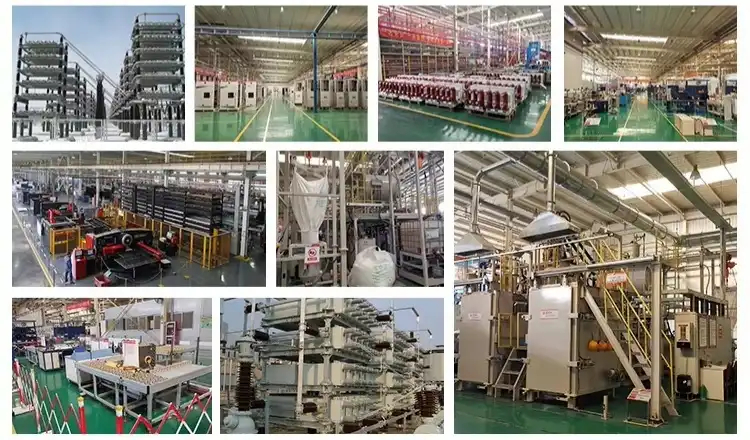
When evaluating a supplier, you need to look at more than just the price. You also need to look at their manufacturing skills, quality control systems, and customer service after the sale. Site audits check how much can be made and how well quality control is done. Xi'an Xikai's ISO 9001-certified factories use robotic assembly and can track every single part. References from similar projects back up claims of dependability and installation help skills. Manufacturing flaws, SF6 leakage rates, and mechanical function numbers should all be covered by the warranty. The availability of technical support, such as hotlines that are open 24 hours a day, seven days a week, and spare parts logistics, has a direct effect on the mean time to repair (MTTR) and overall equipment effectiveness (OEE) metrics that are important to utility companies and facility operators.
Maintenance, Troubleshooting, and Safety Best Practices
Routine Inspection Protocols
To keep things running at their best, porcelain insulators need to be checked for cracks or contamination every three months, the SF6 pressure gauge needs to be checked every six months, and every year, mechanical characteristics need to be tested using high-speed recording devices. The outdoor SF6 circuit breaker has a sealed interrupter design that makes maintenance less invasive. However, ultrasonic or infrared sensors should be used to check for leaks on a regular basis to stop pressure loss that lowers the interrupting capacity. Manufacturers like Xi'an Xikai offer thorough maintenance plans that are in line with IEC 62271-1 guidelines. These schedules define inspection intervals based on the number of operations rather than random time periods.
SF6 Gas Monitoring and Leak Detection
Modern outdoor SF6 circuit breakers have pressure monitoring systems that sound an alarm when the density drops below the minimum operating levels, which are usually 0.5 MPa at 20°C. Every year, handheld SF6 monitors with a sensitivity below 1 ppm are used for quantitative leak testing, which finds seal degradation before it leads to functional failure. Because SF6's byproducts are water-attracting, moisture content research is necessary to keep amounts below 150 ppm so that hydrofluoric acid doesn't form. For safe handling of gases, recovery equipment that is approved to IEEE C37.122.3 is needed. This makes sure that workers are safe and that regulations are followed during repair or when equipment is turned off.
Common Fault Diagnostics and Corrective Actions
Longer times between opening and closing, three-phase asynchrony greater than 2ms, or high contact resistance greater than 50μΩ are all signs of operational anomalies. These signs point to worn-out mechanical links, worn-out springs, or worn-down contact surfaces. Micro-motion analysis of contact travel, power frequency withstand voltage testing, and partial discharge measurement to find insulation degradation are some of the diagnostic procedures that are used. Case studies from industrial sites show how using these diagnostic tools for predictive maintenance can extend the service life of outdoor SF6 circuit breakers beyond 30 years and keep them from breaking down during peak load situations. By following the manufacturer's instructions, qualified staff can avoid making the wrong diagnosis and make sure that the right steps are taken to recover the design's performance specs.
Safety Measures and Regulatory Compliance
When working with SF6, you need to be aware of the risks of asphyxiation in small spaces and the toxicity of the arc byproducts. In enclosed switchgear rooms, repair workers must wear self-contained breathing apparatus (SCBA), arc-rated safety equipment, and follow lockout/tagout measures to keep power from being accidentally turned on. EPA rules require equipment banks that hold more than 17.5 pounds of SF6 gas to report their leak rates. This has led to the widespread use of sealed systems and the construction of gas recycling infrastructure. As a way to protect the environment, Xi'an Xikai uses designated recovery boats, approved companies to get rid of waste gas, and voluntary SF6 pollution reduction partnerships. These are all things that Xi'an Xikai builds into its product lifecycle support programs.
Future Trends and Technological Innovations in Outdoor SF6 Circuit Breakers
Development of SF6 Gas Alternatives
Regulations that aim to limit SF6's global warming potential (GWP 23,500 over 100 years) speed up the search for other insulating gases. Fluoronitrile mixes (C4F7N/CO2 blends) lower the GWP by 99% while still having the same interrupting ability as pure SF6. Vacuum interrupter technology continues advancing toward higher voltage ratings, potentially displacing outdoor SF6 circuit breakers designs in the 145-245kV range within the next decade. Buyers planning long-term fleet standardization should watch these developments, weighing current performance needs against future regulation settings and retrofitting costs.
Advancements in Gas Recycling Techniques
On-site SF6 cleaning systems now make it possible to recondition polluted gas during major repairs. This cuts the need for new gas by 80% and lowers the carbon footprint of operations. When field workers change outdoor SF6 circuit breakers or shut down systems, they can get gas back using portable recovery carts that have vacuum pumps, moisture traps, and filtration modules. More and more, equipment makers are offering take-back programs that collect old breakers for gas extraction and recycling of parts. These are examples of circular economy projects that utilities seeking to meet net-zero pledges and companies with green goals can support.
IoT-Enabled Predictive Maintenance
Embedded sensors that track SF6 density, contact wear, operation counts, and temperature profiles make it possible for outdoor SF6 circuit breakers to become digital. These condition tracking systems send data to SCADA platforms using IEC 61850 protocols. This lets predictive analytics find patterns of wear and tear months before they happen. Cloud-based asset management dashboards collect performance data for the whole fleet, making it easier to keep spare parts on hand and plan repairs for times when the fleet isn't working. Xi'an Xikai combines designs that are ready for the smart grid with modular sensor packages. This protects installations against changing connectivity standards and keeps them compatible with older control systems.
Integration with Smart Grids and Renewable Energy Sources
Transmission breakers have to deal with a lot of switching cycles and reactive power management needs because wind and solar farms produce variable amounts of electricity. These needs can be met by modern outdoor SF6 circuit breakers that have better mechanical endurance ratings (M2 class: 10,000 operations) and the ability to switch between capacitors and reactors. Coordinating with battery energy storage systems needs accurate synchronisation and fault detection, which can be done with microprocessor-based control units and fiber-optic current monitors. As more grid-edge resources are added, breaker selection criteria are focusing more on features that support cyber security, communication protocol compatibility, and remote control that help with strategies for integrating distributed energy resources.
Conclusion
To choose the best high voltage SF6 circuit breaker, you need to think about how well it works technically, how well it treats the environment, and how much it costs over its whole life. Outdoor SF6 circuit breaker solutions have been shown to be reliable for transmission networks because they have better arc interruption, smaller designs, and require less maintenance. Facility managers, utility engineers, and EPC firms can choose equipment that meets regulatory requirements and maximises grid uptime by understanding operating principles, comparing different technologies, and setting strict purchase criteria. Working with manufacturers with a lot of experience makes sure that you can get quality-certified goods, quick technical help, and long-lasting solutions that keep up with changing industry standards.
FAQ
1. What is the typical lifespan of an outdoor SF6 circuit breaker?
If you keep up with the maintenance, outdoor SF6 circuit breakers can last for 30 to 35 years in normal use. Mechanical endurance ratings usually promise 10,000 operations, while electrical endurance covers 50 to 100 fault interruptions, depending on the size of the current. Regularly checking the SF6 pressure and following the manufacturer's repair plans will make the system last longer.
2. Can outdoor SF6 circuit breakers be refurbished or recycled?
Through interrupter replacement, SF6 gas reconditioning, and mechanical component repair, comprehensive restoration programs bring old outdoor SF6 circuit breakers back to almost their original state. At the end of its useful life, controlled disassembly lets SF6 gas be recovered (up to 99% of it can be reused), metals be recycled, and ceramic be reprocessed. This supports the circular economy and lowers the environmental effect.
3. What are the key safety concerns during installation?
Arc flash exposure during commissioning tests, lifting injuries from heavy assemblies (LW25 poles weigh more than 1,200 kg), and SF6 asphyxiation risks in confined spaces are some of the risks that come with installation. Before turning on the power, qualified teams must disconnect the electricity, wear the right safety gear, check for gas leaks after assembly, and do high-voltage resistance testing according to IEEE/IEC standards.
Partner with Xi'an Xikai for Reliable High-Voltage Solutions
Picking the correct outdoor SF6 circuit breaker supplier is important for the success of the project and for maintaining long-term operating trust. Xi'an Xikai Medium & Low Voltage Electric Co., Ltd. has been making things for decades, has quality systems that are ISO-certified, and has a track record of success in the utility, industry, and green energy sectors. Our LW25 Outdoor Porcelain Type SF6 Circuit Breaker is designed for 126kV/145kV systems and has a value of up to 4000A. It gives your grid infrastructure the sturdiness, safety, and smart-grid readiness it needs. We offer full technical advice, competitive quotes, and support 24 hours a day, seven days a week to reduce downtime and increase the value of your investment. You can email our procurement specialists at serina@xaxd-electric.com, amber@xaxd-electric.com, or luna@xaxd-electric.com to talk about your needs and look into custom solutions from a reliable outdoor SF6 circuit breaker manufacturer.
References
1. IEEE Std C37.04-2018, "IEEE Standard for Ratings and Requirements for AC High-Voltage Circuit Breakers with Rated Maximum Voltage Above 1000 V," Institute of Electrical and Electronics Engineers, New York, 2018.
2. IEC 62271-100:2021, "High-voltage switchgear and controlgear – Part 100: Alternating current circuit-breakers," International Electrotechnical Commission, Geneva, 2021.
3. Browne, T.E., "Circuit Interruption: Theory and Techniques," Marcel Dekker Inc., New York, 1984.
4. Ryan, H.M., "High Voltage Engineering and Testing," 3rd Edition, Institution of Engineering and Technology, London, 2013.
5. Smeets, R.P.P., et al., "Switching in Electrical Transmission and Distribution Systems," John Wiley & Sons, Chichester, 2015.
6. Ramirez-Niño, J., and Pascacio, A., "SF6 Circuit Breakers: Theory, Design, and Application," Springer Nature, Cham, 2020.