SF6 Circuit Breaker Manufacturer: What to Check Before Buying
2026-08-07 16:48:55
When selecting an outdoor SF6 circuit breaker manufacturer, procurement professionals must evaluate several critical factors to ensure reliable, long-term performance. The key considerations include the manufacturer's adherence to international quality standards (ISO, IEC, IEEE), their track record in producing high-voltage switchgear, proven expertise in SF6 gas handling and environmental compliance, comprehensive after-sales support including maintenance training and spare parts availability, and the ability to customize solutions for specific industrial applications. Understanding these factors before purchase protects your investment and ensures operational continuity in mission-critical electrical infrastructure.

Understanding Outdoor SF6 Circuit Breakers and Their Role
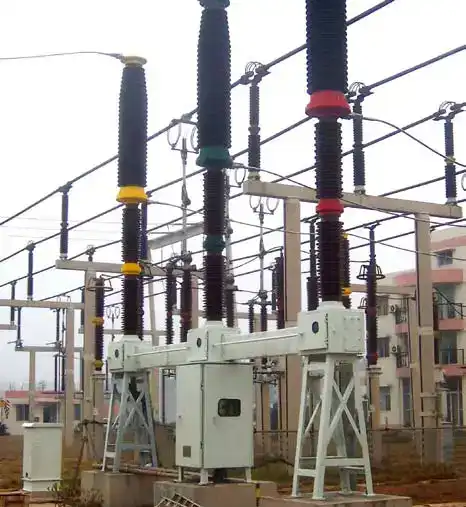
Outdoor SF6 circuit breakers are important safety devices in high-voltage transmission and distribution networks. They usually work at voltages between 72.5kV and 252kV. These high-tech parts were made to work with outdoor substations, which have to be very durable and reliable because they are exposed to the elements.
How SF6 Gas Technology Works
Due to its unique properties, sulphur hexafluoride gas is what makes SF6 circuit breakers so useful. SF6 has a dielectric strength that is about 2.5 to 3 times higher than air at room temperature and pressure. This lets designs be smaller without sacrificing performance. When there is a problem and the circuit breaker cuts the power, the SF6 gas quickly takes in the free electrons that are made during the arcing. Because the gas is electronegative, it can quickly put out sparks (often within two cycles), which protects devices and keeps the grid stable. Either puffer devices or self-blast thermal expansion methods are used to stop the arc. The high thermal conductivity of SF6 makes sure that the arc column cools down quickly.
Key Components and Design Architecture
A standard outdoor SF6 circuit breaker has porcelain or composite insulators that hold the interrupter chambers, working mechanisms (spring, hydraulic, or pneumatic), control systems, and tracking equipment. The porcelain housing in models like the LW25 is better at blocking dust, water, and changes in temperature, which are important for outdoor installations. Fixed and moving contacts, arc contacts, needles, and puffer cylinders are just a few of the parts inside each interrupter that work together perfectly. The sealed gas chamber keeps the right SF6 pressure throughout the breaker's useful life, which can be 25 years or more with regular upkeep.
Outdoor vs. Indoor Applications
Outdoor and indoor SF6 circuit breakers are different in more ways than just where they are located. Outdoor types have better weatherproofing, UV-resistant materials, and corrosion protection that work in seaside, desert, or industrial settings where temperatures can range from -40°C to +50°C. When it comes to outdoor breakers, the porcelain insulators are made to handle pollution and keep flashovers from happening. Indoor versions, on the other hand, try to make the best use of space inside metal-clad switchgear enclosures and usually work in controlled environments. Knowing this difference helps procurement teams choose the right equipment for the site where it will be installed.
Operational Benefits in Power Systems
The practical benefits of outdoor SF6 circuit breakers directly help building managers save money and make their systems more reliable. These devices have a high interruption capacity and can often handle fault currents of up to 50kA. They also need very little upkeep because they work in a sealed, contamination-free environment. The quick response time keeps the grid stable, which is especially helpful in green energy uses where intermittent production makes switching difficult. Because of SF6's potential to release greenhouse gases, manufacturers have put in place strict measures to stop leaks. In quality units, annual leakage rates are now consistently below 0.5%.
Critical Factors to Evaluate When Choosing an SF6 Circuit Breaker Manufacturer
Choosing the right maker is a long-term strategy choice that will affect your facility's ability to keep running for decades. These factors can be used as a guide to evaluate possible sellers.
Quality Certifications and Standards Compliance
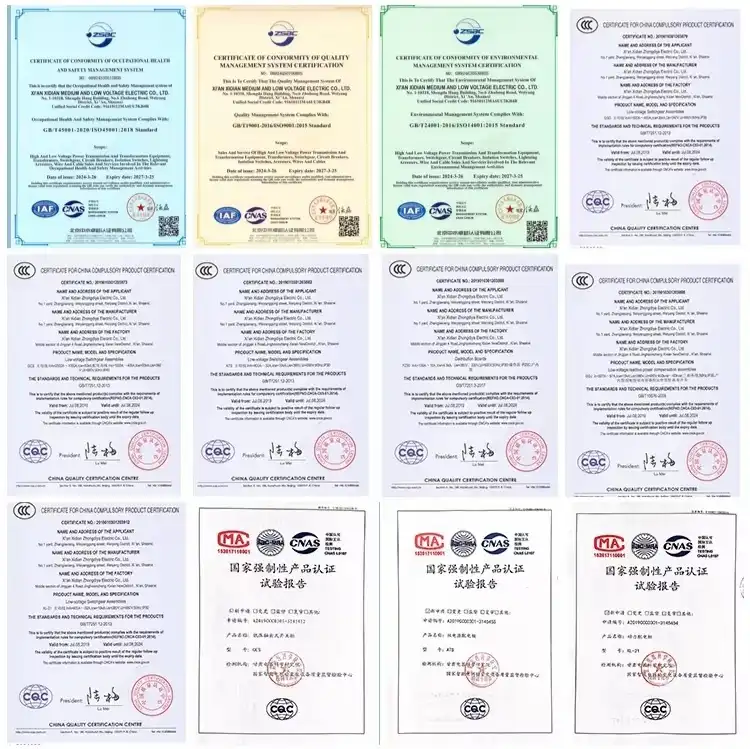
Good producers keep their ISO 9001 and ISO 14001 certifications for quality management systems and environmental management, respectively. These licenses show that consistent production and environmental duty are taken in a planned way. Following technical rules like IEC 62271-100 (High-voltage alternating current circuit-breakers) and IEEE C37 series rules is also very important. Products meeting these requirements have been through a lot of type testing, such as short-circuit disconnection tests, mechanical endurance checks (usually 10,000 processes or more), and dielectric withstand voltage tests. For each batch of products, manufacturers should give full test reports and certificates. This way, the products can be tracked all the way through the supply chain.
Innovation and Research Capabilities
The electrical equipment business is always changing. For example, makers are always coming up with new insulation gases, better sealing technologies, and better tracking tools. Check to see if potential suppliers put money into research and development by looking at their patent portfolios, whether they serve on industry standards committees, and whether they release new products that are the next generation. Companies with their own research and development labs can make solutions that fit specific practical needs, like those that come up with sites at high altitudes, in seismic zones, or when integrating with older control systems. This ability to come up with new ideas is especially useful when updating old substations and making sure they work with current infrastructure.
Product Portfolio Breadth and Customization
A wide range of products shows that the company knows how to make things for different power levels and uses. Check to see if the manufacturer can make operating mechanisms, current ratings, or housing materials that work better in certain environments that aren't covered by their standard catalogue items. This is shown by the LW25 series, which has three different ways of working: spring-operated with motor-charged closing springs and self-charging opening springs; hydraulic systems using disc spring energy storage that doesn't depend on nitrogen; and pneumatic configurations with compressed air opening and spring closing. Because of this, buying teams can choose the best activation method based on the site's infrastructure, its ability to be maintained, and the desires of operators.
After-Sales Support Infrastructure
The connection with an outdoor SF6 circuit breaker company goes far beyond the buy itself. After the sale, full support should include technical training for maintenance staff, spare parts that are easy to get, quick troubleshooting help, and the ability to do work in the field. Manufacturers with service centers in your area can help you keep downtime to a minimum when something goes wrong. Look for providers that offer predictive maintenance programs that use data from condition tracking to plan repairs before they happen, which keeps equipment available as much as possible.
Comparative Insights: Outdoor SF6 Circuit Breakers vs. Alternatives
By knowing how SF6 technology stacks up against other interruption methods, you can make smart purchasing decisions that meet the needs of your facility.
Technical Performance Comparison
When the power level is the same, outdoor SF6 circuit breakers can stop more situations than air-blast or oil circuit breakers while still being small. Vacuum circuit breakers work great for medium-voltage indoor uses up to 40.5kV, but they can't be used at higher voltages because the contacts need to be far apart. Because SF6 systems are sealed, they don't have the contact oxidation problems that happen with air-insulated devices. This means that upkeep needs to be done much less often. SF6 breakers also have low contact resistance (usually less than 40–50μΩ), which lowers joule heating during continuous current flow and makes the system more energy efficient.
Maintenance Requirements and Total Cost Analysis
When looking at the total cost of ownership, SF6 circuit breakers are better because they don't need to be serviced as often. For outdoor models, it's often 25 years between major inspections. In contrast, oil circuit breakers need to have their oil checked and replaced on a regular basis, and air-blast breakers need to have their compressors serviced regularly. The sealed SF6 system doesn't need any consumables other than gas top-ups every so often if there is a small leak. Lifecycle cost calculations must take into account, however, the need for specialised equipment to handle SF6 gas and qualified staff to do maintenance work. Vacuum breaks are also very low upkeep, but they can only be used in lower voltage situations.
Environmental and Safety Considerations
Concerns about the environment are valid because SF6 gas has a global warming potential about 23,500 times greater than CO2. Good makers deal with this by using better sealing technologies, gas collection systems during maintenance, and the right recycling procedures at the end of their products' lives. Modern outdoor SF6 circuit breakers have yearly leakage rates of less than 0.1% to 0.5%, which means they have a much smaller effect on the environment while they're working. Greenhouse gas worries are completely removed by other technologies, such as vacuum or dry-air shielded breakers. However, these technologies may need bigger spaces or work in different ways. When making decisions about what to buy, environmental concerns should be balanced with operational needs and the overall lifecycle impact.
Manufacturer Reputation and Market Position
On the global market for high-voltage circuit breakers, there are both well-known companies that have been making them for decades and new companies that are offering competitive prices. When deciding between brands, look at the number of installations, customer references from similar projects, and the history of warranty claims. Companies with large service networks can be more sure that they will have long-term support available. Case studies that show how installations worked well in similar settings, like utility transmission systems, industrial facilities, or renewable energy projects, can teach us a lot about how things work in the real world when things get tough.
Procurement Essentials for Buying Outdoor SF6 Circuit Breakers
To make sure the job goes well, you need to pay attention to more than just the initial cost of the tools when going through the buying process.
Pricing Structures and Warranty Terms
The price of an outdoor SF6 circuit breaker depends on its voltage class, current rating, type of operating mechanism, and the level of customisation needed. Ask for detailed quotes that list all the parts, such as control panels, extra switches, monitoring systems, and installation tools. Most warranties cover the product for 18 to 24 months after it is installed or 24 to 36 months after it was shipped, whichever comes first. Carefully read the warranty terms to learn about what the warranty doesn't cover, what maintenance is required, and how to file a claim. Extended warranty plans may be a good way to protect important projects that have high running costs if they break down unexpectedly.
Supplier Verification and Due Diligence
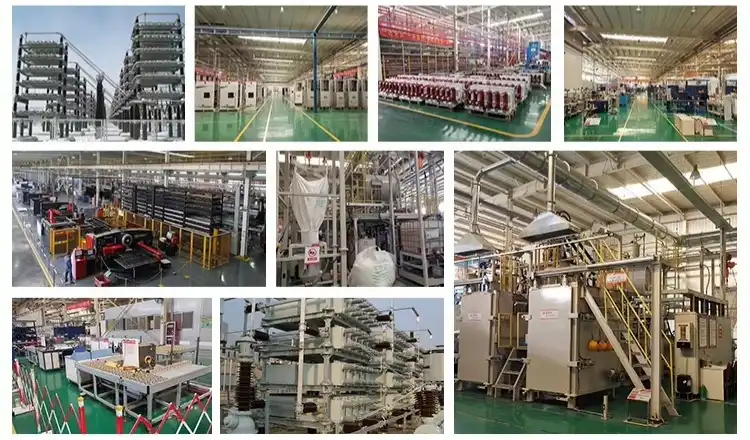
When looking for possible outdoor SF6 circuit breaker suppliers, it's best to check the manufacturers' credentials by visiting the factories if you can. Look over the business licenses, information on output capacity, quality control methods, and the testing facility's abilities. International sellers should show that they know how to handle export paperwork, follow customs rules, and coordinate operations. Ask for lists of clients' references and call current customers to find out how happy they are with the product's performance and how quick the company is. Parts availability and expert support are more likely to be reliable from suppliers who already have established distribution routes in your area.
Logistics and Installation Considerations
High-voltage circuit breakers are expensive items that need to be handled carefully when being shipped and set up. Make sure that shipping times work with project deadlines, and plan for possible delays at customs for foreign shipments. Make sure that sellers offer the right packaging for shipping by sea or land, which will keep porcelain insulators and other fragile parts safe. A lot of companies that make things offer installation supervision services. This is where experienced technicians help with the first steps of putting things together, connecting them, and turning them on. This help is especially useful when site teams don't have much experience with certain types of breakers or how they work.
After-Sales Service Agreements
Formal service agreements make it clear what kind of ongoing help is expected for as long as the equipment is in use. These contracts should say how long it will take to fix things in an emergency, how many field service workers will be available, how many extra parts will be provided, and how often upkeep checks will be done. Your maintenance staff should go through training programs to make sure they know how to safely handle SF6 gas, find leaks, do contact inspections, and fix problems. Documentation packages that include operation guides, repair instructions, electrical diagrams, and catalogues of spare parts make it easier to handle equipment.
Best Practices and Maintenance Tips for Outdoor SF6 Circuit Breakers
Following the right maintenance procedures makes equipment more reliable, extends its useful life, and keeps people safe.
Routine Inspection Protocols
Porcelain insulators should be checked visually on a regular basis to see if they are cracked, chipped, or dirty, as these could weaken the insulating strength. Check the SF6 gas pressure using installed gauges and compare results to what the maker says should be done. If the pressure drops below certain levels, it means there may be a leak that needs to be fixed right away. Using ultrasonic sensors or laser imaging to find leaks lets you find trouble spots before they cause a lot of gas loss. A critical yearly loss rate of 1.0% is common, but rates below 0.5% are common for good outdoor SF6 circuit breakers. Inspections of the control cabinet make sure that the heating and ventilation system is working correctly. This keeps electronic parts safe from moisture and temperature changes.
Preventive Maintenance Schedules
Manufacturers recommend full maintenance checks every 5 to 10 years, depending on how the machine is used and how often it is used. As part of these checks, the working mechanism is oiled, the auxiliary switch is tested, and the mechanical characteristics, such as opening and closing times and three-phase synchronisation, are checked. To keep the system from being overloaded, the difference in synchronisation times between stages should stay below 2 milliseconds. Using DC voltage drop methods to measure contact resistance (currents above 100A) confirms that values stay within acceptable ranges, usually between 40 and 50µΩ, depending on the rated current. SF6 gas's moisture content is checked to make sure levels stay below 150 ppm so that corrosive byproducts don't form.
Troubleshooting Common Issues
Outdoor SF6 circuit breakers sometimes have problems that need to be systematically diagnosed. If the door doesn't close, it could mean that the working mechanism springs are broken, the control voltage is too low, or the mechanism is mechanically stuck and needs to be inspected. Most of the time, slow opening speeds are caused by not enough gas pressure or worn-out mechanisms. Control circuit tracking finds blown fuses, broken auxiliary switches, or wire problems that make it impossible to use the remote. Testing for partial discharge finds insulation degradation before it gets really bad. Good units show discharge levels below 5 picocoulombs at the rated voltage. Keeping thorough maintenance records helps spot developing patterns and plan ahead for corrective actions.
Safety Protocols During Service
When working with SF6 gas, you need to follow strict safety rules because byproducts can form during arcing. Decomposition gases can contain harmful chemicals that need special safety gear to be handled during upkeep tasks. When opening gas chambers, make sure there is enough airflow, and use gas analysers to make sure the atmosphere is safe before letting people in. Gas handling should only be done by experienced techs who follow the manufacturer's instructions for cleaning, recovering, and refilling. Proper lockout/tagout procedures, circuit de-energization verification, and grounding practices are all part of electrical safety protocols. These keep maintenance workers safe from stored energy hazards.
Conclusion
When choosing a company to make outdoor SF6 circuit breakers, you need to look at their quality certifications, technical abilities, customisation options, and long-term support systems. The choice will affect the stability of your facility's operations for decades, so it's important to do your research carefully. By learning about the basics of SF6 technology, comparing different options, and following the right repair procedures, procurement workers can choose equipment that works well and is good for the environment. The best manufacturers for important electrical infrastructure projects are those that have ISO certification, a wide range of testing services, flexible product lines, and quick response times for after-sales support.
FAQ
1. What is the typical lifespan of an outdoor SF6 circuit breaker?
If you keep good outdoor SF6 circuit breakers in good shape, they should last between 25 and 30 years. The sealed gas system stops oxidation, and the strong ceramic insulators can stand up to decades of being outside. Mechanical durability class M2 units can handle more than 10,000 actions without breaking down much. Lifespan depends on job cycle, environmental conditions, and the quality of upkeep. Installations in mild areas with average switching frequency often last longer than 30 years.
2. How do manufacturers address environmental concerns regarding SF6 gas?
Modern producers use a number of methods to reduce the damage that SF6 does to the world. With better sealing methods, yearly loss rates drop to less than 0.5%, which drastically lowers greenhouse gas emissions over the life of the system. During repair and shutdown, gas recovery and recycling devices keep gases from being released into the atmosphere. While some companies are working on new shielding gases, SF6 is still the most popular choice for high-voltage outdoor uses because it works better technically. Specifications for purchases should include written information on leak rates and the right way to handle old products.
3. Can outdoor SF6 circuit breakers be customized for specific applications?
There are many customisation choices to meet the needs of different operating situations. Operating mechanisms can be spring, hydraulic, or pneumatic, depending on the infrastructure of the place and the tastes of the support staff. Within the limits of the design, the operating voltage, short-circuiting capacity, and current ratings can be changed. Some environmental changes include strengthening for earthquakes, compensating for high altitudes (up to 4,000 meters), and better corrosion protection for shoreline sites. Integration of the control system with SCADA platforms, special auxiliary switches, and custom bushing configurations can all be used to fit different substation designs.
Partner with Xi'an Xikai for Reliable SF6 Circuit Breaker Solutions
As a reliable outdoor SF6 circuit breaker supplier, Xi'an Xikai Medium & Low Voltage Electric Co., Ltd. has been making high-voltage switchgear for decades and is known for doing a great job. Our LW25 series has been used successfully in North American utility transmission systems, industrial facilities, and installations for renewable energy. With ISO 9001 and ISO 14001 approvals, we make sure that our production and testing meet high-quality standards. For difficult tasks like working at high elevations, in seismic zones, or in harsh environments, our engineering team creates custom solutions. Technical training, predictive maintenance programs, and quick access to spare parts are all parts of full after-sales support. You can email our expert team at serina@xaxd-electric.com, amber@xaxd-electric.com, or luna@xaxd-electric.com to talk about your needs and get full technical specs for our outdoor SF6 circuit breaker line.
References
1. International Electrotechnical Commission. (2021). High-voltage switchgear and controlgear - Part 100: Alternating current circuit-breakers (IEC 62271-100:2021).
2. IEEE Power and Energy Society. (2020). IEEE Standard for AC High-Voltage Circuit Breakers Rated on a Symmetrical Current Basis (IEEE Std C37.06-2020).
3. CIGRE Working Group A3.10. (2019). Final Report on Circuit Breaker Reliability Data for Substation and System Studies.
4. Electric Power Research Institute. (2018). Transmission Circuit Breaker Maintenance and Testing: A Guide for Utility Personnel (EPRI Report 3002014803).
5. National Electrical Manufacturers Association. (2017). Application Guide for AC High-Voltage Circuit Breakers Rated on a Symmetrical Current Basis (ANSI C37.010-2017).
6. International Council on Large Electric Systems. (2022). Environmental Performance of SF6 Gas Handling in High-Voltage Electrical Equipment (CIGRE Technical Brochure 854).