Technical specifications to consider when purchasing a linear reactor
2026-07-22 08:52:00
When choosing a Linear Reactor for your facility, it's important to know the technical details to make sure it will work well and be worth money in the long run. A Linear Reactor is an electromagnetic inductive device that keeps its inductance constant, even when the current flow is at its highest. This keeps the magnetic field from becoming saturated and keeps the power quality stable. In industry and utility settings, this feature directly meets the needs for protecting equipment from harmonic distortion, voltage transients, and other issues. With the right specs, you can be sure that your investment will lead to measured improvements in grid stability, uptime, and energy economy.
 |
 |
Understanding the Core Technical Specifications of Linear Reactors
What Defines a Linear Reactor's Performance?
The most important thing about a well-designed Linear Reactor is that it can keep its inductance steady even when the current load changes. Instead of losing performance during surges like most inductive components do, these reactors keep their resistance constant, which means they can reliably filter out harmonics and keep the voltage stable.
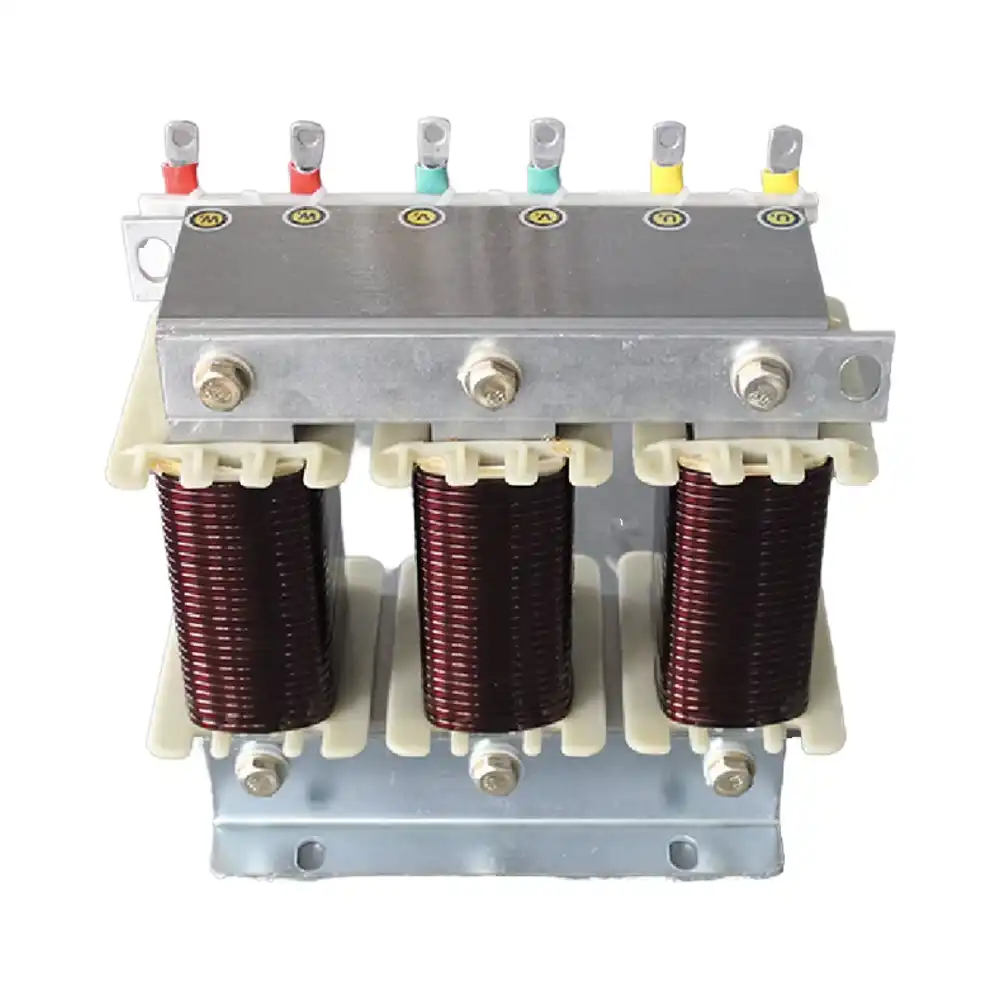
This idea is shown by our CKSG Series Low Voltage Reactor, which is made with modern materials and building methods. The core is made of imported cold-rolled silicon steel laminations that are separated by epoxy-laminated glass spacers that keep the air gaps stable and stop changes in flux density. This way of designing makes sure that the reactor works the same way every time, even when it's dealing with surge currents that are more than 100 times its stated capacity.
Material Construction and Its Impact on Longevity
The choice of materials has a big impact on how long a reactor lasts and how well it handles heat. Our CKSG series windings use Class H/C enamel-coated flat copper wire that is tightly wound. This gives them high-temperature protection up to 180°C and low noise levels below 45dB. The way this is built is very different from alternatives made of aluminium wire, which have higher resistive losses and thermal degradation over time.
Nonmagnetic fasteners, pre-baking, vacuum impregnation, and thermal curing are used in the assembly process to permanently join the core and windings together. This process of making something makes a single piece that can withstand shaking and changes in temperature, which are common problems in big industrial settings like steel mills and data centers. Purchasing departments should make sure that the companies they work with use vacuum pressure impregnation (VPI) methods. This method guarantees that the insulation will stay in place and the structure will be quiet for as long as the equipment is in use.
Reactance Rate Selection and Harmonic Targeting
One of the most important things to know about matching reactor performance to application needs is reactance rates. Our CKSG line comes in three different styles: 7% reactance blocks harmonics above the 5th order, 14% reactance blocks harmonics above the 3rd order, and 27% reactance blocks harmonics above the 2nd order. With this tiered approach, engineering teams can be very clear about how much better power quality they need without making the solution too complicated.
Facilities that use variable frequency drives (VFDs) or renewable energy generators usually need impedance reactors with a 5–7% impedance range to lower total harmonic distortion (THDi) to levels that meet IEEE 519 standards. Manufacturing plants with a lot of nonlinear loads can benefit from 14% setups that reduce harmonics aggressively while keeping voltage drop reasonable. By doing power quality audits, you can learn about your building's harmonic profile. This lets you accurately set reactance rates that improve power factor and protect your equipment.
Performance Metrics and Efficiency Considerations
Thermal Efficiency and Energy Loss Characteristics
Through resistive losses and the need for thermal control, reactor performance has a direct effect on running costs. By optimising the core geometry and winding configuration, the CKSG series cuts loss by up to 30% compared to traditional designs. This is better because the segmented silicon steel core has less eddy current losses and the flat copper conductors have less skin effect.
For linear reactors, the most accurate thermal efficiency indicator is temperature rise testing under full load. Production heat runs continue until thermal balance confirms winding temperatures remain within insulation class limits. Buyers should request written temperature rise test results showing maximum hotspot temperatures under rated conditions, as excessive thermal cycling accelerates insulation degradation and shortens service life.
Inductance Linearity Under Variable Loads
At 150% of maximum current, the inductance must stay at least 90% of its standard value for true linear performance. This standard is very important for apps that have a lot of load changes or surge events. Through careful management of the air gap in the segmented core design, the CKSG series shows consistent inductance characteristics across the entire operating range.
To make sure the device behaves linearly, testing procedures should measure the inductance at 0%, 100%, and 150% of the maximum current. When demand is high, when power quality safety is most important, reactors with a lot of inductance drop-off at higher currents don't filter harmonics well enough. This performance gap usually shows up in cheaper designs that use core materials that aren't good enough or don't stabilise the air gap well enough.
Energy Economics and Lifecycle ROI
The costs to buy something change from one seller to another at first, but the costs over time depend mostly on how efficient it is, how much upkeep it needs, and how long it works. The CKSG line is made to last 15 to 20 years by using strong insulation systems and casings that don't rust. The total cost of ownership is lower than with alternatives that need to be replaced every 8–10 years because they last longer.
Less energy loss means more energy saves over time, especially in buildings that run continuously for 8,000 hours or more a year. Over the course of its life, a reactor that loses 2% less energy than competing designs saves thousands of dollars in electricity costs. These savings often make it worth paying more for models with better energy efficiency, especially in places where power rates are high or where carbon taxes are in place.
Procurement Criteria: Balancing Cost, Quality, and Supplier Reliability
Evaluating Manufacturer Credentials and Certifications
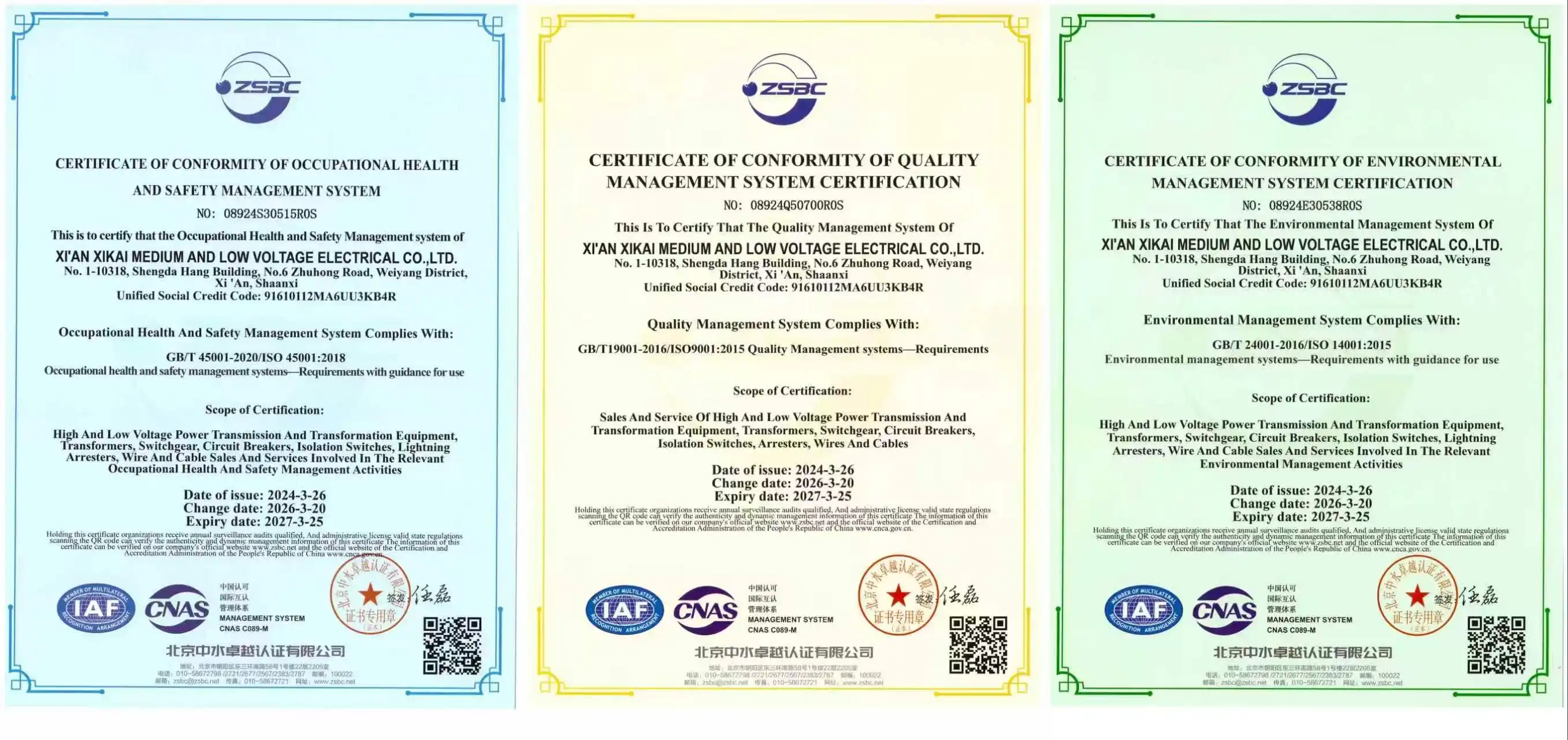
Verification of relevant certifications showing compliance with international standards is the first step in qualifying a supplier. The CKSG series has 3C approval as well as ISO 9001, ISO 45001, and ISO 14001 qualifications. These show that it meets standards for quality management, worker health and safety, and environmental protection. UL certification is especially useful for installations in commercial buildings that need to follow NFPA 70 fire codes.
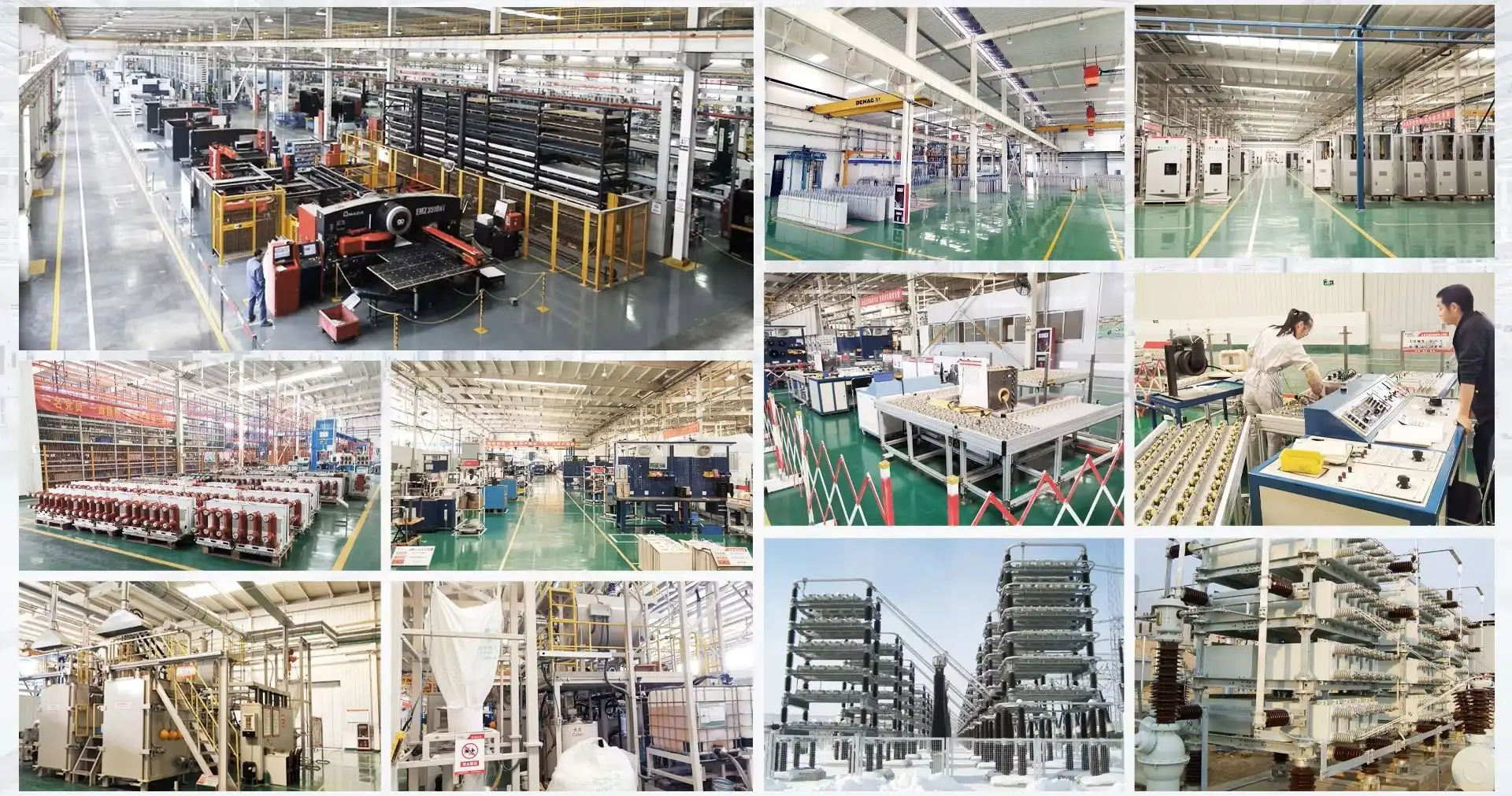
In addition to certifications, you should look into the manufacturer's technical skills and intellectual property holdings. Xi'an Xikai has a state-level research and development team that has been awarded more than 15 patents in reactor technology. These patents show that the company is always coming up with new ideas for core design, winding techniques, and harmonic reduction methods. This level of technical depth makes sure that you can get application engineering help and make changes to meet specific needs.
Warranty Terms and After-Sales Support Structure
A full warranty guards against early failures and shows that the maker trusts the product's dependability. Standard guarantee periods are between 12 and 24 months, but top providers offer longer covering for important uses. In addition to the length of the guarantee, you should also look at what it covers, such as the cost of shipping returns and the presence of local service networks.
Access to technical support is also very important, especially during the setting up and fixing phases. You can reach our team 24 hours a day, seven days a week at serina@xaxd-electric.com, amber@xaxd-electric.com, and luna@xaxd-electric.com, among other email addresses. This support infrastructure reduces the chance of downtime and makes sure that problems with installation or performance optimisation are fixed quickly.
Customization Capabilities for Application-Specific Requirements
Most setups can be met by standard catalogue items, but some need to be customised to fit their needs. The CKSG series meets the needs of different regions, such as being compatible with smart grids for installations in Europe, strong against earthquakes for installations in North America, and resistant to salt rust in Southeast Asia's warm climates. This flexibility comes from modular design principles that let changes be made to the configuration without having to start from scratch.
Teams in charge of buying things should judge providers by how ready they are to change things like terminal configurations, enclosure ratings, mounting arrangements, or reactance values to fit the needs of a specific spot. When customers ask for customisations, manufacturers who do their own design and production are more flexible than distributors who buy from many suppliers and don't have as much technical control.
Comparison Guide: Linear Reactor vs Other Reactor Types for Industrial Use
Performance Distinctions from Standard Inductive Components
Due to core saturation, standard reactors and chokes often show non-linear inductance behaviour when the current is high. Because of this, they are less useful when harmonic currents are at their highest, like when there are load spikes or capacitor switching events. Engineered air gaps and high-grade silicon steel that keeps magnetic permeability over a wide working range allow Linear Reactors to overcome this limitation.
The effect can be seen in places where motors start up a lot, capacitor banks switch over, or green energy inverters work. During these short-lived events, standard reactors may let harmonics pass through, which can cause annoying trips, capacitor failure, or transformer burning. Linear Reactor technology stops these types of failure by keeping the impedance the same no matter how much current is flowing at any given time.
Application Suitability Across Industry Sectors
To protect sensitive computer equipment and important life-safety systems, data centers and hospitals need power that is of the highest quality. The CKSG series meets these needs with low noise operation, small dimensions that fit in cabinets, and reliable harmonic suppression that keeps the facility bus voltage from dropping. Installation flexibility lets you put it close to the load for best results without taking up too much floor space.
Some of the problems that factories have to deal with are protecting motor drives, fixing power factors, and lowering the cost of energy. Our reactors can handle the harsh thermal cycles and vibrations that are common in production settings. They also get rid of power factor penalties by making THDi performance better. Being able to handle surge currents up to 100 times rating capacity keeps it from getting damaged during short circuits or motor locked-rotor situations.
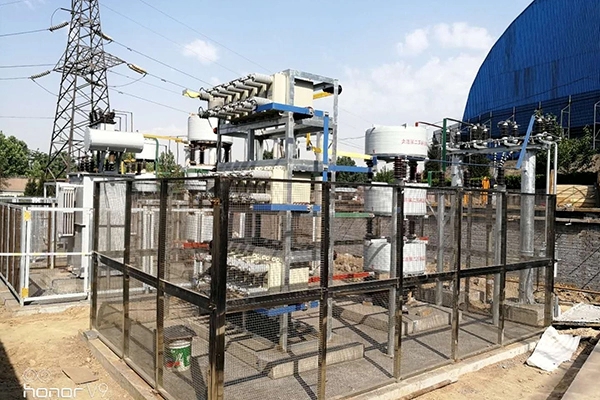
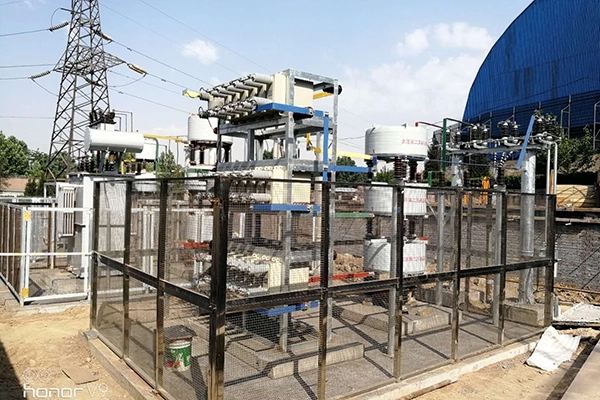
Utility substations that keep the grid stable can use reactors that are made for outdoor use and have better corrosion resistance. The CKSG series configurations for utility uses have features that deal with intermittent renewable production, harmonic resonance in capacitor banks, and voltage control when load conditions change. Most of the time, these installations call for three-phase dry-type iron-core configurations that match the voltage class and current ratings of the capacitor banks or filtering systems that are connected.
Key Factors to Consider During the Purchasing Process
Defining Operational Requirements and Compliance Standards
For linear reactors, successful procurement requires defining voltage class, current rating, frequency, and required impedance. Environmental factors—temperature range, altitude, humidity, and corrosive atmospheres—determine material selection and enclosure ratings. Our plateau-type linear reactors maintain full performance at altitudes up to 4,000 meters above sea level, ensuring reliable operation in demanding high-altitude installations.
Different places and types of applications have different rules about how to follow regulations. Installations that are close to utility service areas need to follow the rules set out in IEEE 519 for harmonic limits and utility interconnection. Industrial sites may need UL listing, CE marking, or licenses that are specific to their area. By writing down these needs during the specification phase, you can avoid expensive rework or equipment replacement after delivery.
Technical Evaluation Checklist for Supplier Comparison
To do a systematic evaluation of multiple suppliers, you need to use the same criteria for things like electrical performance, construction quality, and business terms. Some important technical factors are the inductance range (usually ±3%), the temperature rise at full load, the dielectric strength test voltages, and the noise levels. The CKSG line goes through 12 quality control steps that make sure the reactance is correct, the heat performance is good, and the insulation is solid.
Details about the construction should be carefully looked at, such as the grade of the core material, the type and cross-section of the winding wire, the insulation class rating, and the specs of the terminal hardware. Ask for paperwork that shows the steps used in the manufacturing process, like the vacuum impregnation depth, curing temperature profiles, and torque specifications for the final assembly. These details show the industrial discipline that separates reliable equipment from cheaper options that are likely to break down soon.
Logistics Considerations and Installation Support
Delivery schedules affect project timelines and may lead to extra costs for installs that are on the key path. For catalogue configurations, our normal lead time is still less than 12 weeks, and we offer faster choices for those who need them right away. Check the shipping methods, make sure the package protects the equipment well, and make sure the delivery plans get to the installation site. Make sure you know about any entry issues or special handling needs.
Installation services and help with testing add value beyond just supplying tools. Reactors are pretty easy to install, but having the factory involved during startup makes sure that all the connections are correct, that the initial power-up is supervised, and that standard performance data are recorded. This professional commissioning sets up baseline data for future maintenance tasks and proves that the system meets the goals for harmonic suppression and better power quality.
Conclusion
To choose the right Linear Reactor specifications, you have to find a balance between the need for good electrical performance, high-quality building, and cost-effectiveness over the whole lifespan. The CKSG series from Xi'an Xikai offers tried-and-true ways to reduce harmonics, protect power quality, and save energy in a wide range of industrial and utility settings. Technical details like reactance rates, core materials, winding insulation class, and thermal performance have a direct effect on how well the equipment works and how long it lasts. When you carefully look at a manufacturer's qualifications, customisation options, and support infrastructure, you can be sure that the choices you make about what to buy will give you long-term benefits like higher uptime, lower energy costs, and stable power quality protection for your most important operations.
FAQ
1. What reactance percentage should I specify for VFD protection?
Putting 5-7% impedance reactors on the line side of a variable frequency drive usually makes the installation better. This setup lowers the harmonic distortion of the input to levels that meet IEEE 519 standards and keeps the voltage drop within acceptable limits. Higher resistance values reduce harmonics better, but they also lower voltage more, which could affect how well the drive works.
2. How do I verify linear performance characteristics?
Ask for test results of the inductance that were taken at different current levels, such as 100% and 150% of the maximum current. Proper Linear Reactors keep at least 90% of their nominal inductance at 150% current, which proves that the core design keeps the magnets from getting too strong. This standard is especially important for uses that have a lot of surge currents or irregular loads.
3. Can reactors be customized for outdoor installations?
The CKSG line can be used outside by changing the casing to include coatings that don't rust, sealed connections, and higher grades for ingress protection. Specifications must be given during buying for outdoor setups to make sure the right materials are chosen and the right way to put them together. Customisation needs are affected by things like the amount of salt in the air near the coast or wide variations in temperature.
Partner with Xi'an Xikai for Reliable Linear Reactor Solutions
Xi'an Xikai Medium & Low Voltage Electric Co., Ltd. is one of the biggest companies in the world that makes Linear Reactors. They work with factories, utilities, and system developers all over North America and the world. Our CKSG line blends cutting-edge engineering with high-quality production to provide harmonic suppression, power quality protection, and energy efficiency gains that have a direct effect on your business's ability to make money. We offer full power distribution solutions backed by multiple protected technologies and state-level research skills. Our products fall into seven main groups and more than 100 different versions. You can email our expert team at serina@xaxd-electric.com, amber@xaxd-electric.com, or luna@xaxd-electric.com to talk about your needs and get personalised suggestions. You can find full product specifications and application advice. Our engineering tools can help you make smart purchasing choices that will increase uptime and lower the total cost of ownership.
References
1. Institute of Electrical and Electronics Engineers. (2022). IEEE Recommended Practice and Requirements for Harmonic Control in Electric Power Systems (IEEE Standard 519-2022). New York: IEEE Press.
2. National Electrical Manufacturers Association. (2021). Dry-Type Transformers and Reactors: Performance and Test Standards. Rosslyn, VA: NEMA Publications.
3. Smith, J.R., & Chen, W. (2023). Power Quality in Industrial Distribution Systems: Harmonic Mitigation Strategies and Equipment Selection. Boston: Industrial Power Press.
4. Anderson, P.M. (2020). Power System Harmonics: Analysis, Effects, and Mitigation Techniques for Electrical Equipment Protection. Third Edition. Hoboken: Technical Engineering Publishers.
5. International Electrotechnical Commission. (2019). Power Transformers and Reactors: Guide to the Specification and Design Evaluation of Electromagnetic Components (IEC 60076 Series). Geneva: IEC Publications.
6. Miller, T.J.E., & Hughes, A. (2021). Electromagnetic Design and Performance of Line Reactors in Variable Speed Drive Applications. Cambridge: Power Electronics Research Institute Press.