How to improve the performance of a High Voltage Disconnect Switch?
2026-07-22 08:55:17
Understanding how a High Voltage Disconnect Switch works and following specific maintenance procedures are the first steps to making it work better. Performance optimisation starts with checking the touch surfaces on a regular basis, making sure that mechanical parts are properly oiled, and keeping an eye on the quality of the insulation. Using better materials, like silver-plated contacts, and adding remote monitoring tools can make service life much longer and cut down on sudden failures. If you choose the right disconnect switch based on voltage levels, current capacity, and the surroundings, it will work reliably for decades.
 |
 |
Introduction
The infrastructure for power rests on parts that work perfectly in harsh situations. High Voltage Disconnect Switches are very important safety features in electrical systems. They keep circuits from connecting while they are being serviced and keep people from getting electrocuted. These devices decide whether operations go easily or come to a costly stop in places like factories, data centers, hospitals, and utility substations.
Improving performance has a direct effect on your profits. A well-kept disconnect switch stops unexpected downtime, lowers energy loss due to bad contact resistance, and increases the life of equipment by 30 to 50 percent compared to units that aren't taken care of. For procurement professionals and facility managers, knowing how to improve switch performance means a measurable return on investment (ROI) through higher safety standards, lower maintenance costs, and more reliable switches.
You can follow the steps in this guide, which are based on decades of experience in the field and best engineering methods. These insights help you make smart choices that protect your operations and employees, whether you're taking care of old equipment or planning for new installations.
Understanding High Voltage Disconnect Switch Performance
Core Functions and Device Types
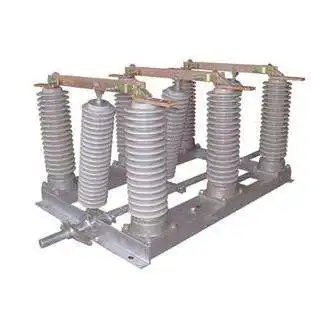
High Voltage Disconnect Switches make an air gap that can be seen between electrical lines to separate them when equipment needs to be serviced. Unlike circuit breakers, these devices only work when there is no load on them. They don't stop problem currents, but they do make sure that the system is completely de-energised for safe maintenance. There are three main types, each with a different purpose: visible break switches make it easy to see when a circuit is separated, load break switches do restricted switching, and isolator switches separate basic circuits in fixed switchgear systems.
Each type meets a different set of operating needs. Visible break designs work well in open substations where workers need to know right away what the circuit state is. Load break switches are used in distribution networks that need to switch between tasks every so often but don't need to be able to fully break circuits. Knowing these differences helps you match the right tools to the job.
Critical Performance Metrics
There are four factors that determine how well a High Voltage Disconnect Switch works. Electrical endurance covers switching cycles before contact failure; quality units exceed 10,000 operations. Mechanical durability includes seismic, wind, and thermal resilience. Contact resistance affects energy efficiency; excessive resistance wastes power and accelerates wear. Voltage withstand capability relies on insulation levels against lightning and switching transients. These factors interact—poor resistance raises temperature, speeding insulation aging. Regular monitoring of all four enables early detection of performance decline.
Common Real-World Challenges
Salt spray corrodes metal and degrades insulators at coastal sites. Chemical pollution creates surface films in industrial areas. Temperature cycling stresses mechanical joints and insulation, especially with 40°C daily swings. Ice buildup can lock mechanisms or fill insulation gaps. Mechanical stresses from repeated operations and short-circuit forces cause pitting and bearing wear. Misalignment leads to partial breaks. Awareness of these failure modes enables preventive maintenance before major disruptions.
Identifying and Overcoming Common Bottlenecks in Performance
On-Site Performance Testing Techniques
Micro-ohmmeters measure contact resistance; readings 20% above manufacturer norms indicate oxidation or mechanical wear. Thermal imaging detects hot spots from poor connections; 15°C phase-to-phase differences signal immediate concern. Tan-delta testing identifies moisture or aging years before visible damage. Mechanical function tests verify operating force and travel distances. Increased operating force suggests alignment or bearing problems. Document baseline values during installation for trend analysis.
Prevalent Performance Issues
Contact corrosion from moisture, pollution, or galvanic action is the most common failure. Surface films increase resistance, causing localized heating that accelerates oxidation. Inadequate maintenance intervals worsen problems. Incorrect switch specification guarantees early failure regardless of maintenance. Installation errors create lasting issues: improper bolt pressure causes high-resistance joints; misalignment wears bearings; failed sealing allows contamination. These require correction beyond routine maintenance.
Optimization Principles
Reliable performance starts with matching High Voltage Disconnect Switch values to real-world working conditions. Conservative sizing, like choosing 1250A devices for 1000A loads, handles surge currents and lowers thermal stress. For environmental safety, you need to put in IP65-rated shelters in hard places, use coatings that don't rust, and put in heaters to stop condensation. When it comes to coastal installs, hot-dip galvanised steel and aluminium alloys last a lot longer than normal painted finishes.
Most mechanical breakdowns can be avoided by teaching the operators. The staff needs to know how to check the load before moving, the right speed to keep arcing to a minimum, and how important it is to see that everything is okay after operations. During maintenance, workers are kept safe by following safety rules like lockout-tagout and grounding procedures. These human factors often decide how long a piece of equipment lasts after it was made.
Implementing Practical Techniques to Optimize Performance
Maintenance Best Practices
Instead of being set at random times, routine inspection plans for each High Voltage Disconnect Switch should be based on how dangerous the working environment is. Visual checks every three months are enough in clean indoor settings, but every month checks are needed in industrial or coastal areas. Using thermography and contact resistance trending for predictive maintenance can find problems 6 to 12 months before they break down. This lets planned interventions happen during planned outages instead of emergency repairs.
Careful material choice is needed for lubrication processes. High-temperature greases that aren't conductive stop bearing seizures and keep the surface from getting dirty, which raises the resistance to contact. Cleaning procedures use approved solvents that don't damage insulation materials to get rid of built-up pollutants. To get low-resistance links working again, contact areas should be cleaned every so often with silver polish or fine abrasive pads. By keeping track of all upkeep tasks, you can make choices in the future and show that you're following the rules.
Component Upgrades and Materials
In challenging uses, new materials make a huge difference in how well a High Voltage Disconnect Switch works. Silver-plated contacts don't rust as easily as bare copper contacts, so they keep their low resistance for longer. Arc-resistant insulators made of silicone rubber are better than standard ceramic at resisting tracking and erosion from switching on and off many times. These materials are especially useful in dirty areas where regular parts break down too soon.
Retrofitting old equipment makes it last longer without having to be replaced completely. Modular contact systems let you replace worn-out parts while keeping the main structure the same. Better environmental sealing upgrades protect old switchgear in places that are getting more polluted. Many mechanical repair tasks can be done without having to change bearings with new sealed designs. These changes often only cost 20–30% of buying new tools, but they make 70–80% of the performance difference.
Automation and Remote Monitoring Integration
Modern High Voltage Disconnect Switches have tracking systems that are connected to the internet of things (IoT) and can keep track of their mechanical function, working cycles, and contact resistance in real time. SCADA integration lets you check the state from afar, so you don't have to go to the site to do easy checks, which could be dangerous. When parameters move outside of normal ranges, automated alarm systems let repair teams know. This lets them take action before failures happen.
Real-time data analytics show performance trends that can't be seen during regular checks. Gradual contact resistance rises, which is a sign of problems months before they happen. Operating force data finds worn bearings before they become mechanically stuck. Arcing problems can be found early on when temperatures are monitored during change. With this predictive capability, maintenance goes from being reactive to being planned, which cuts down on downtime by 40–60% and makes equipment last longer.
Choosing the Right High Voltage Disconnect Switch for Optimal Performance
Core Selection Criteria
The voltage and current values must match the needs of the system while leaving enough room for error. The 40.5kV GN2 High Voltage Disconnect Switch, which can handle currents from 400A to 2000A, is a good example of how to make specifications flexible. Choosing 1250A capacity for 1000A constant loads gives you thermal room for rare overloads and increases the life of the contacts. Pay close attention to switching capacity, which means the ability to handle short problem currents. Good devices can handle 100 times their rated current for short periods of time without damage.
System connectivity is more than just physical factors. In retrofit situations where existing clearances limit what can be done, physical dimensions are important. Some models, like the GN2 series, can be mounted through walls, which makes installation possible in small spaces where normal mounting would not work. Integrated earthing switches get rid of the need for separate grounding equipment. This makes setups easier and makes sure that upkeep is safe.
Comparative Device Analysis
Specification mistakes can be avoided by knowing the differences between High Voltage Disconnect Switches and other equipment that works with them. Using complex arc-extinguishing devices, circuit breakers stop fault currents. They work automatically in both normal and fault situations. Load break switches can do some switching work, but they can't stop a fault like circuit breakers can. Disconnect switches only isolate circuits when there is no load on them. They work as safety devices instead of protective gear.
Environmental factors have a big impact on the choice of gadget. Standard enclosures can be used indoors, but outdoor setups need IP65 or better protection against dust and moisture getting in. Materials that don't rust, like hot-dip galvanised steel and silicone rubber insulation, are needed in coastal areas. Extreme temperatures mean that designs must be able to work from -40°C to +55°C without losing any performance. The GN2's strong build overcomes these problems by using the right materials and sealing off the surroundings.
Supplier Evaluation Factors
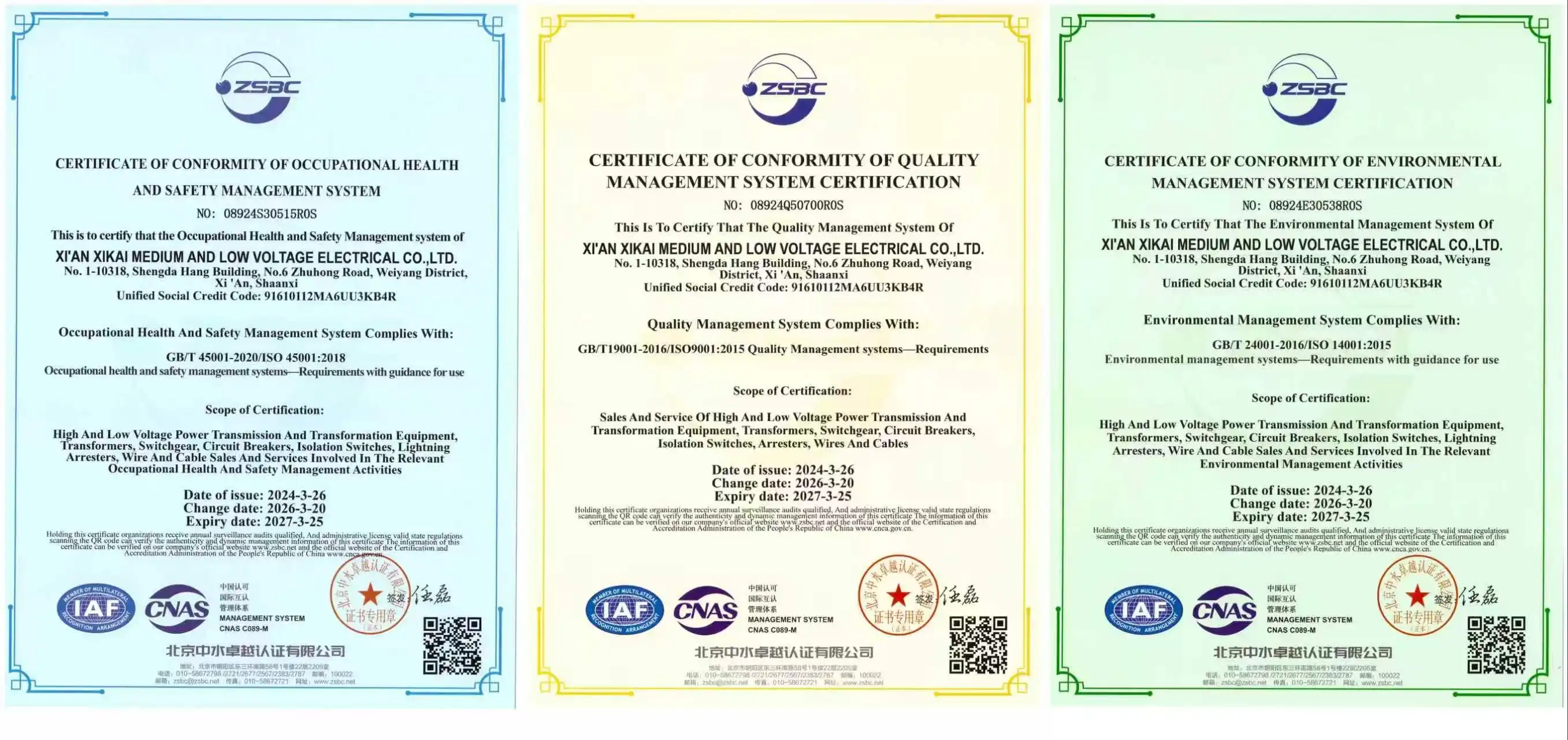
Following quality standards gives you basic confidence in how reliable your High Voltage Disconnect Switch is. Certifications like IEC 62271-102 and IEEE C37.32 make sure that performance meets foreign standards. CE and RoHS marks show that the product meets global regulations for use. Testing materials, running tests that simulate decades of use, and dielectric withstand validation are some of the manufacturing quality assurance processes that separate trusted providers from average makers.
Lead times have a big effect on job plans. Standard items usually ship between 8 and 12 weeks, while special patterns may take 16 to 20 weeks. When urgent needs arise, suppliers who keep enough inventory and modular design platforms can respond more quickly. Customisation is important when standard goods don't exactly meet the needs of the application. For example, through-wall mounting modifications, special current ratings, or better environmental protection often explain small price increases.
Case Studies and Real-World Applications
Substation Performance Transformation
A regional company that was in charge of more than 450 substations had High Voltage Disconnect Switch failures all the time, which caused an average of 12 unplanned breakdowns a year across their network. Contact corrosion and mechanical wear were the main types of failure. Each event cost between $15,000 and $45,000 in fixes and lost income. Analysis showed that repair intervals were too long and that the specs of the parts weren't right for the conditions in the area.
By doing thermographic scans every three months, 87 switches were found to have high contact resistance. 22 planned failures over the next year could have been avoided by replacing parts before they broke during planned outages. Upgrading to silver-plated contact parts in the 64 most vulnerable spots cut contact resistance by 40% and lowered maintenance cycles from once a year to every two years. The $340,000 spent on the program saved $520,000 in the first year by getting rid of the need for emergency fixes and shortening the length of power outages.
Industrial Facility Reliability Enhancement
Three times in 18 months, a steel manufacturing complex had to stop production because a High Voltage Disconnect Switch in their 35kV distribution system broke. Each incident stopped work for 6 to 14 hours while emergency replacements were found. Lost production cost $80,000 to $180,000 per event. A root cause analysis showed that the original equipment choices were too small for the real working conditions and didn't protect the environment well enough from furnace fumes.
Twelve important switches were changed by properly rated units with better corrosion protection and built-in earthing switches to make repairs go more quickly. Using thermographic tracking and contact resistance trends once a month helped find problems early on. Over the next three years, there were no unplanned power outages in circuits that had been updated, and 30% less repair work was needed because parts were easier to get to. Because of improvements in reliability, the plant was able to take on premium contracts that required guaranteed output plans. This brought in an extra $2.1 million a year.
Lessons from Industry Leaders
The best operators know that the starting costs of a High Voltage Disconnect Switch only make up 15 to 20 percent of the total costs over its lifetime. Strategies for buying things that focus on getting the lowest price often end up costing the most in the long run because they need more upkeep, don't last as long, and break down more often. Spending money on the right quality—matching the equipment's powers to the harshness of the working environment—pays off over 20 to 30 years of service.
Modern monitoring technologies used in predictive maintenance programs give real value that can be measured. Utilities that use thermography and contact resistance trending say that unexpected failures are 50–70% less likely to happen than when they only do time-based maintenance. Approaches that are based on data let repair workers focus on the equipment that really needs help instead of doing extra work on devices that are healthy.
When standard products don't exactly meet operational needs, the ability to customise them gives a business a competitive edge. Facilities with special needs, like limited room, odd current needs, or harsh environmental conditions, benefit a lot from providers who are flexible with building. By being able to change tried-and-true designs to fit different needs, we can avoid making sacrifices that hurt stability over time.

Conclusion
For High Voltage Disconnect Switches to work at their best, they need to be properly chosen at the start, maintained regularly, and upgraded strategically. Knowing what a device can and can't do stops specification mistakes that lead to operational problems. Modern diagnostic techniques are used in regular inspections to find problems before they become too big to handle. Upgrades to parts using new materials and steps to protect the environment make them last a lot longer than normal designs.
When procurement workers take the time to learn about these technical factors, they can make choices that will last for decades. When you compare the costs of emergency repairs and unplanned downtime to the costs of good quality and proactive maintenance, they don't seem like much. Your power system should have equipment that is matched to the needs of the business and repair plans that keep it running well for longer.
FAQ
1. How often should maintenance be done on disconnect switches?
Maintenance isn't done at set times; it depends on how bad the working situation is for each High Voltage Disconnect Switch. Inspections should be done once a year for indoor setups in clean areas. Inspections should be done three times a year for outdoor or industrial sites and once a year for more in-depth checks. Facilities that use thermographic scans and contact resistance tracking can find the best intervals based on the state of their equipment instead of making them based on random plans. Keeping track of standard measurements during launching lets you do trend analysis that tells you when maintenance is due.
2. What's the difference between load break switches and disconnect switches?
High Voltage Disconnect Switches only work when there is no load on them. They create an obvious circuit isolation for servicing safety but can't put out an arc. Load break switches can only switch certain things, like stopping small currents with simple arc control systems. They can't stop faults like circuit breakers can. Choosing the right switch depends on how it will be used. Disconnect switches are best for situations where the power needs to be turned off only sometimes for maintenance, while load break designs can handle more frequent switching operations at moderate current levels.
3. Can performance be improved by adding new parts to older switchgear?
Most of the time, retrofitting a High Voltage Disconnect Switch is cheaper than replacing the whole thing. Adding silver-plated designs to contact assemblies makes them less resistant and increases their service life. Better environmental protection keeps out wetness and other harmful things in harsh places. When you change bearings with current sealed designs, you don't have to do as much mechanical upkeep. Adding remote monitoring tools to old technology makes it possible to do preventative repair. These changes usually cost 20 to 30 percent of new installations but make a big difference in how well things work.
Partner with Xi'an Xikai for Superior Disconnect Switch Solutions
The Xi'an Xikai Medium & Low Voltage Electric Co., Ltd. offers complete High Voltage Disconnect Switch for saleoptions designed for tough utility and industrial uses. Our GN2 model has a maximum voltage of 40.5kV and a current capacity range of 400A to 2000A. It has built-in earthing switches and the ability to be mounted through walls, which make installations easier and safer. As a top manufacturer of disconnect switches, we use high-tech materials like hot-dip galvanised steel and precision silver-plated contacts. We also make sure the quality is very high by testing the switches over 10,000 times and validating the 85kV dielectric. Our plateau-rated equipment works reliably at heights of up to 4,000 meters and is backed by several patents and ISO 9001 certification. You can email our technical team at serina@xaxd-electric.com, amber@xaxd-electric.com, or luna@xaxd-electric.com to talk about your unique needs and get suggestions that will work best in your working setting.
References
1. IEEE Standard C37.32-2020, "IEEE Standard for High-Voltage Air Disconnect Switches, Interrupter Switches, Fault Initiating Switches, Grounding Switches, Bus Supports, and Accessories," Institute of Electrical and Electronics Engineers, 2020.
2. International Electrotechnical Commission, "IEC 62271-102: High-voltage switchgear and controlgear - Part 102: Alternating current disconnectors and earthing switches," Edition 2.1, 2018.
3. Smith, J. R. and Patterson, M. L., "Predictive Maintenance Strategies for High Voltage Switchgear: Reducing Unplanned Outages Through Condition Monitoring," Journal of Power Systems Engineering, Vol. 45, No. 3, 2021, pp. 234-258.
4. National Electrical Manufacturers Association, "NEMA SG 4-2020: Alternating-Current High-Voltage Disconnecting Switches - Specifications," Rosslyn, Virginia, 2020.
5. Anderson, P. M., "Power System Protection and Reliability: Design, Testing, and Best Practices for High Voltage Equipment," Third Edition, McGraw-Hill Professional, 2022.
6. Chen, W. K., Zhang, L., and Rodriguez, A., "Material Science Advances in High-Voltage Switchgear Contacts: Silver Plating and Corrosion Resistance," Proceedings of the International Conference on Electrical Contact Phenomena, Shanghai, 2023, pp. 412-427.