-square BKMJ_1758505876091.webp)
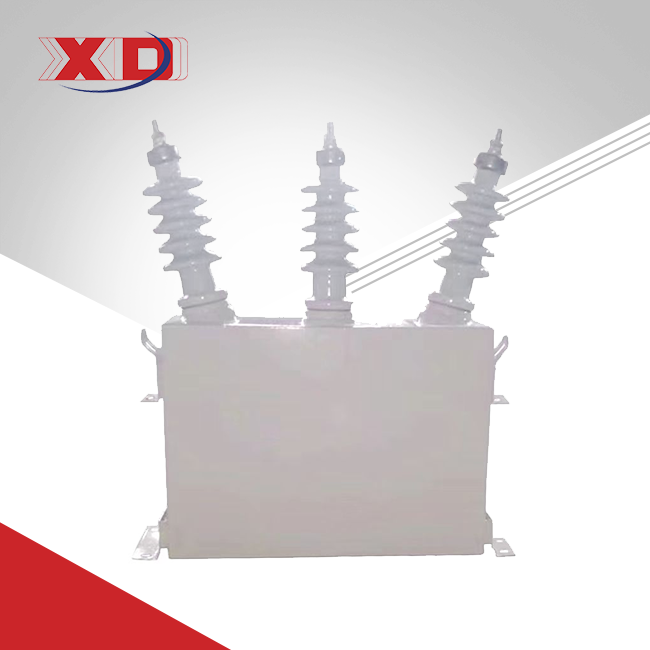
50KVAR Self-healing Capacitor for PFC(Power factor correction)-square BKMJ
Outdoor Disconnect Switch for Industrial and Commercial Power Systems
2026-07-22 08:51:24
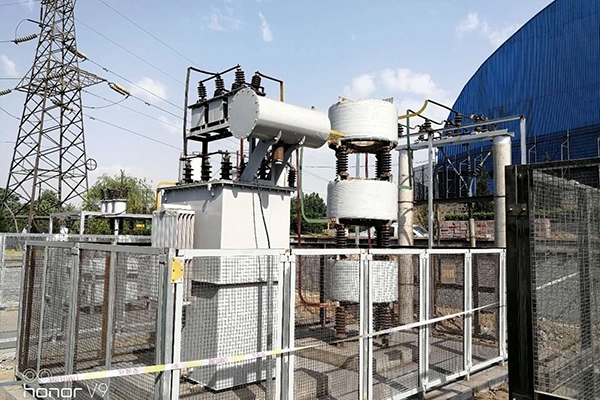
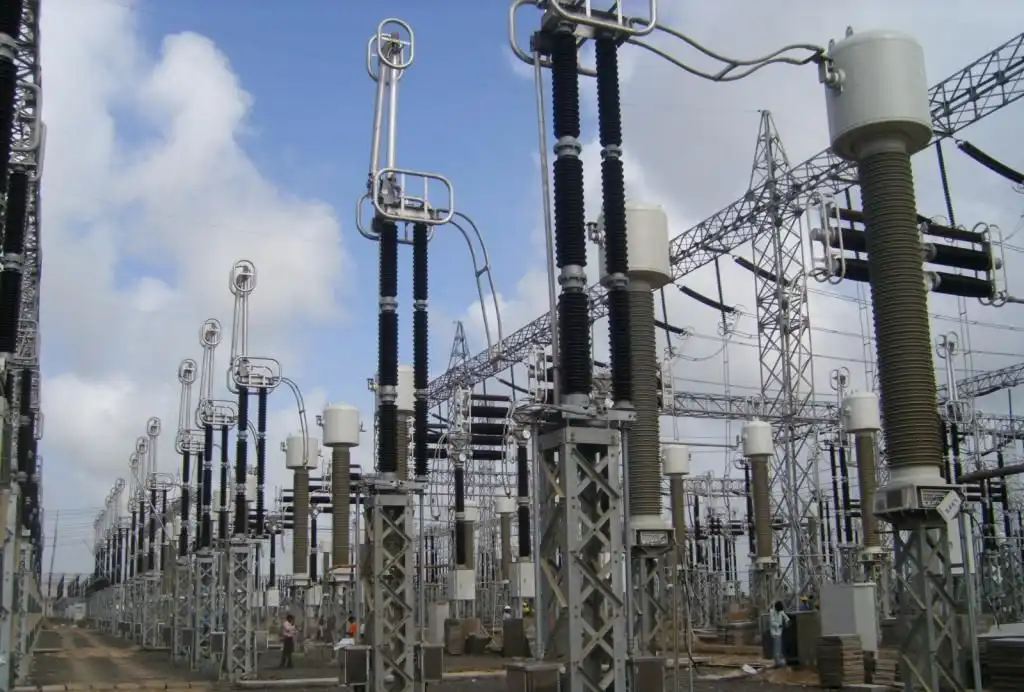
During maintenance and emergency shutdowns, an Outdoor disconnect switch serves as the main isolation device in industrial and commercial electrical infrastructure. It makes a clear break in high-voltage circuits. These weatherproof switches keep people and things safe by physically cutting off power sources. They are different from circuit breakers because they can't stop fault currents but do provide reliable long-term isolation. When it comes to manufacturing plants, data centers, and utility substations, safe power distribution depends on outdoor disconnectors that are properly specified.
 |
 |
Understanding Outdoor Disconnect Switches and Their Industrial Applications
What Defines an Outdoor Disconnect Switch?
Outdoor disconnect switches are built to survive harsh weather, while their indoor versions are kept safe in secure enclosures. These devices use blade separation that can be seen to make sure the circuit is isolated. This meets OSHA requirements for verifiable de-energization before maintenance work starts. The main difference between indoor and outdoor types is the grade of the enclosures. Outdoor units get NEMA 3R or IP54 protection against rain, snow, and airborne contaminants, and they can keep working properly in temperatures from -40°F to 140°F.
Operating Principles in Power Distribution
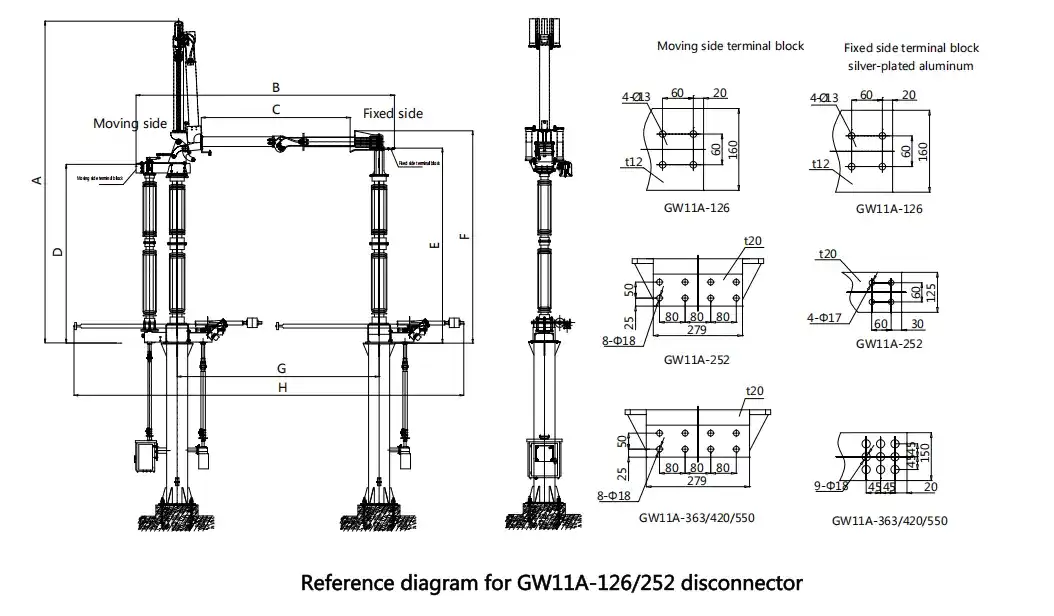
Moving conductive blades away from fixed contacts mechanically is what the basic process is all about. Linkage mechanisms rotate or translate the moving contact assembly when a technician turns on the switch handle. This creates an air gap that stops current flow. In high-voltage situations, like our GW11 line, a pantograph mechanism stretches vertically, and two blades make separation distances that are far greater than the minimums required by the industry. During lockout/tagout processes, when repair teams have to physically check that the connection is off before they can touch energised equipment, this apparent isolation is very important.
Key Industrial Use Cases
These switches are put in place before CNC machines and robotic assembly lines in factories. If the power goes out suddenly, they could damage expensive precision equipment. At the exits to utility services, data centers put outdoor disconnectors that keep server farms safe from grid disturbances and allow emergency separation while the fire suppression system is activated. During planned repair times, these devices make it safe for hospital sites to switch between utility power and backup generator power. Specialised disconnect switches are built into solar systems between inverter arrays and grid connection points. These switches meet the standards of NEC Article 690 for quick shutdown. When it comes to rooftop equipment, HVAC systems for big businesses use outdoor-rated switches because they are exposed to the weather and need to be made with corrosion-resistant materials and UV-stable insulation.
We cannot stress enough how important it is to properly seal off from the weather. When moisture gets into insulators, it tracks across their surfaces, making leaking paths that lower safety margins. We design our Outdoor disconnect switches with sealed operating mechanisms and hydrophobic insulator coatings that effectively shed water and maintain dielectric strength over many years of use.
Types, Specifications, and Ratings of Outdoor Disconnect Switches
Common Variations and Configurations
Understanding basic product types is the first step in making choices about what to buy. Fusible Outdoor disconnect switches protect against overcurrent with changeable fuse elements. They have both isolation and short-circuit safety in one housing. Non-fusible types only work as isolators and need different safety devices further downstream. Most industrial applications still use manual operation, which provides stable mechanical movement that doesn't depend on control power. In utility substations, switches that are automatic or motorised are used. These switches can be controlled remotely through SCADA systems, which lets them be quickly reconfigured while they are moving.
Solar-specific designs take into account the particular needs of solar systems. These special switches have contacts that can stop the continuous arcs that happen in direct current circuits, as well as multiple poles for positive and negative wires and equipment grounding. The GW11 platform can be used with green energy sources because it has optional earthing switches that safely lower residual power before repair work is done.
Critical Electrical Ratings and Standards
It can handle voltages between 600V class for business building services and 765kV for transmission-level equipment. Our GW11A-363 model works at 363kV and is designed for utility-scale uses that need careful engineering for insulation coordination. You can choose current capacities ranging from 200A for small business loads to 4000A for industrial feeders that power whole factories. It's also important that the GW11 can handle short-circuits. It can handle surge currents up to 100 times its rated capacity for certain lengths of time, which keeps it from breaking down when there is a fault.
Protection for enclosures follows well-known rules. NEMA 3R is good for most outdoor locations because it doesn't let rain in, and NEMA 4X is good for coastal or chemical processing areas because it doesn't rust. International projects use IP grades to describe the level of protection. For example, IP54 protects against dust and water splashes, while IP65 protects against dust and water jets from all directions.
Outdoor Disconnect Switch Versus Circuit Breaker
Engineers often wonder how these gadgets can do the same things. Circuit breakers stop fault currents automatically through complex arc-extinguishing devices, keeping equipment further down the line from getting damaged. Disconnect switches can't do this, but they are great at apparent isolation when there is no or very little load. Circuit breakers are put in the right place in a properly designed system to protect it, and outdoor disconnectors are put in the right place for repair separation. This set of safety features works well together—the breaker reacts to unusual situations, and the disconnect switch safely turns off the electricity for people's safety.
Installation, Maintenance, and Safety Practices
Installation Guidelines and Procedures
Checking the base is the first step in getting a site ready. The GW11 assembly instructions say that the mounting surfaces must be level within 1 mm of each other. This keeps the insulators from being out of line, which would cause uneven mechanical stress. After placing base frames according to the dimensions shown on the drawings, techs lift insulator assemblies using the marked lifting points. If the rigging isn't done right, the porcelain or polymer housings will get damaged. Center-line alignment between stages keeps certain distances between them, and adjustment bolts fix any small problems with the base.
Essential Safety Procedures
Lockout/tagout rules are the most important part of electricity safety. Before approaching any Outdoor disconnect switch, experienced people make sure it is de-energised by testing the voltage at several places. The switch handle gets a locking device that keeps it from closing by accident, and each team member puts their own locks and tags on it. This extra safety makes sure that the equipment stays away from other things while maintenance is being done.
When working on live lines, the GW11 horizontal insulation break design makes things safer. Separation happens across horizontal planes instead of vertical ones when the switch opens. This makes it less likely that parts will fall during operation. Utility teams use grounding clusters connected to marked earthing switches to safely discharge any induced voltage to ground potential during high-voltage repair.
Maintenance Schedules and Troubleshooting
Outdoor disconnect switches that are used correctly usually need to be inspected every five years. Checklists for maintenance talk about places that wear out quickly. Cleaning and putting conductive grease on contact areas is necessary because rust raises resistance and creates heat that speeds up degradation. The surfaces of insulators are checked for cracks, chips, and buildups of dirt and grime. Our aluminium alloy wires don't rust in the air, but connection places need extra care because they are made of metals that don't mix well.
Operational checks make sure that the machine works smoothly and doesn't need too much force or pressure. Auxiliary switch contacts that tell control systems where the switch is located are functionally tested to make sure they give accurate status indication. As a first step in resolving working problems, techs check the linkage alignment. If it's not right, it can lead to incomplete close or too much operating force. The GW11 flexible joint design can handle foundation settlement without losing performance, which is a common way for rigid-linkage designs to fail.
Using thermal imaging during energised checks can find problems that are getting worse. When there are hot spots at terminal connections, it means that the hardware is loose or there isn't enough contact pressure. These problems are fixed during planned downtime, before a major failure happens. IoT devices that measure vibration, temperature, and the number of working cycles are used in predictive maintenance methods. This allows condition-based service, which improves efficiency while reducing the number of needless actions.
Selecting the Right Outdoor Disconnect Switch: A Buyer's Guide for B2B Clients
Technical Selection Criteria
To figure out load capacity, you must first accurately calculate demand. When engine starting currents briefly exceed nameplate rates by six or more times, manufacturing facilities must take them into account. Our GW11 platform can handle these spikes thanks to its strong contact design and large heat mass. Environmental factors include more than just high temperatures. For example, installations near the coast need better rust protection, and sites in the desert need dust seals to keep abrasive particles out. The dielectric strength changes with elevation; installations above 3,300 feet usually need derating or better insulation coordination. Through optimised insulator profiles, our plateau-type equipment keeps working at full capacity at elevations up to 13,000 feet.
Supplier Evaluation and Brand Comparison
Established manufacturers have decades of experience in the field, which helps them come up with new products. Square D and Eaton control the commercial markets in North America thanks to their large networks of distributors and quick access to parts. Siemens and Schneider Electric use engineering resources from around the world to offer cutting-edge features like built-in sensors and remote diagnostics. GE has a strong foothold in the utility sector with transmission-class goods that have been tested in a wide range of demanding grid uses.
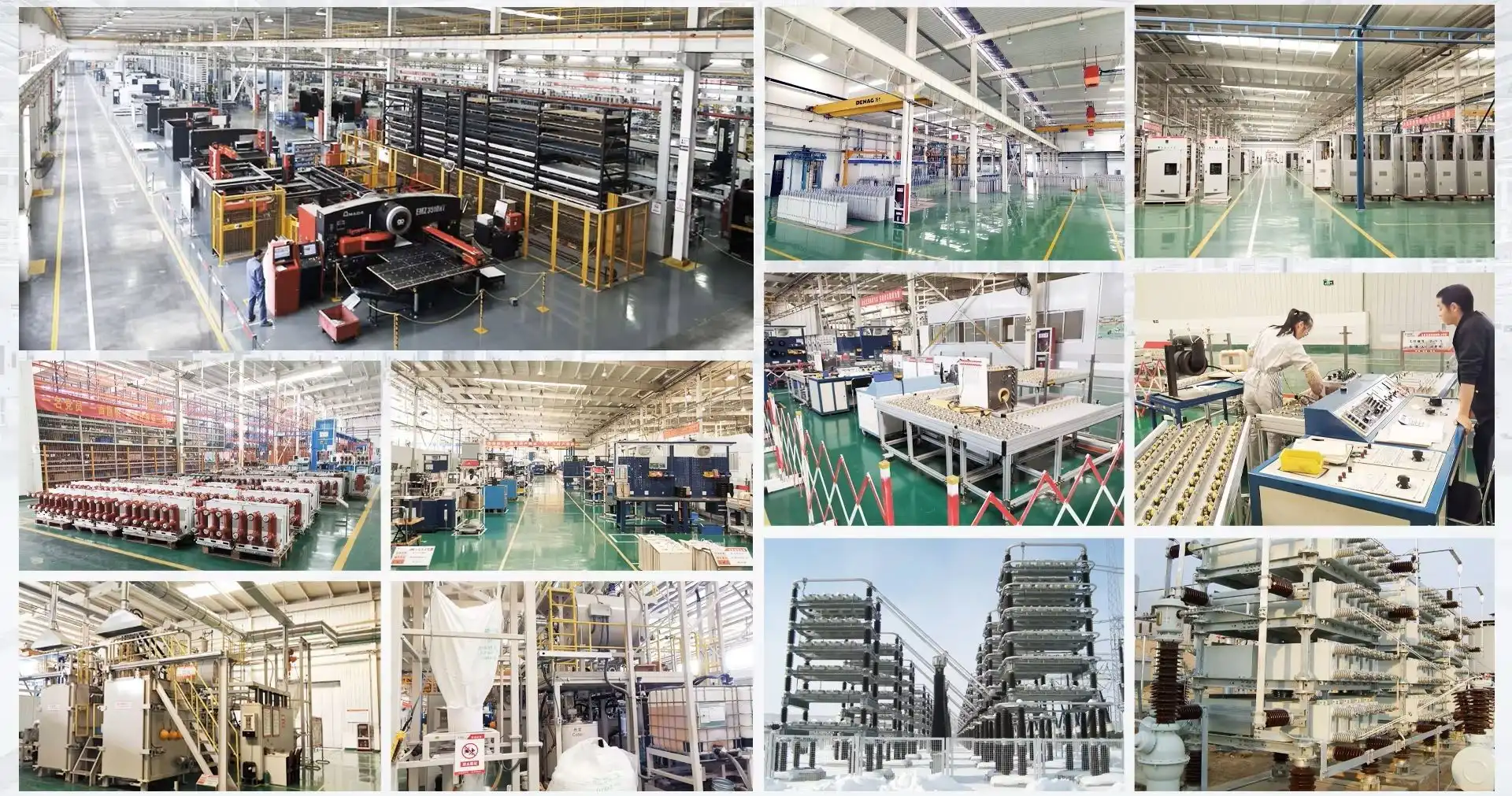
Procurement teams should put post-sale help skills at the top of their list when evaluating suppliers. Technical help during installation approval avoids costly delays, and quick guarantee service cuts down on downtime when something goes wrong. Field service teams are stationed in major industrial areas to provide emergency support 24 hours a day, seven days a week, and are backed up by a large inventory of spare parts. We're confident in the quality of our products, which is reflected in our five-year guarantee. Before they are shipped, flaws are found through 72-hour load testing and ISO-certified quality control.
Procurement Logistics and Value Optimization
For big jobs, working directly with the manufacturer is better than going through a distribution route. When you buy a lot of standard setups at once, you can save money and make sure that all of your deployments are the same. Customisation options let you meet specific needs—the GW11 platform can handle different blade designs, working mechanisms, and extra devices that are made to fit specific uses. When you figure out the total cost of ownership, you have to include the labour costs for installation, the upkeep schedule, and the expected service life. Premium goods that cost more at first often provide better long-term value through less upkeep and longer replacement cycles.
Benefits and Future Trends of Outdoor Disconnect Switches in Industrial Settings
Operational Advantages
Outdoor disconnect switch adoption is primarily driven by safety improvements. Visible isolation clears up any confusion during repair work and keeps workers safe from live wires. Better operational control lets facility managers separate certain parts of equipment without affecting processes that aren't connected to those parts. This keeps work going while routine maintenance is being done. Modern designs need less maintenance, so they last longer and cost less over their lifetime. For example, our GW11 operating mechanism works reliably for decades with little help, unlike older technologies that need to be serviced more often.
Emerging Technologies and Smart Integration
Outdoor disconnect switches go from being dormant isolation devices to being smart grid components as power delivery and information technology merge. IoT-enabled sensors built into switch units keep an eye on the temperature of the contacts, the number of working cycles, and signs of mechanical wear. This real-time data is used by predictive maintenance algorithms to predict how parts will break down, so they can be replaced before they fail. Our extra sensor packages work with utility SCADA platforms and building management systems to give you access to information that you couldn't get before.
Better weatherproofing technologies make things last longer in tough settings. Better than traditional ceramic, advanced polymer insulators prevent UV breakdown and contamination flashover. They are also stronger mechanically. Nanotechnology coatings make surfaces superhydrophobic, which means they don't absorb water or other contaminants. This means that insulation works well for longer periods of time between service. These new types of materials are especially useful in seaside, industrial, and desert settings where natural stresses make regular parts age faster.
Renewable energy integration drives the creation of specialised goods. Outdoor disconnect switches need to be able to handle the two-way flow of power and sudden changes in voltage that come with inverter-based resources as the capacity of solar and wind power grows. The GW11 design keeps the voltage in the substation stable against harmonics and irregular generation patterns. This keeps the grid stable as the share of renewable energy grows. Adding energy storage systems makes things more complicated. For example, installing batteries needs DC-rated switches that can safely disconnect large storage banks for repair or emergencies.
Another area of progress is making automation platforms work with each other. Modbus, DNP3, and IEC 61850 protocols are all supported by modern Outdoor disconnect switches' digital transmission ports. This connection lets switching processes work together, emergency operations be run from afar, and advanced distribution management systems be integrated, all of which improve grid performance. For smart grid architectures to become more common, outdoor disconnectors need to be active players instead of passive parts.
Conclusion
Outdoor disconnect switches are still necessary for industrial and business buildings to have safe, reliable power distribution. To make the right choice, you need to weigh technical specs, environmental factors, and long-term working needs. The GW11 platform is a great example of how modern design should be done: it combines strong building with smart features to provide performance that meets current needs and allows for future grid growth. As electrical infrastructure gets more complicated, working with manufacturers with a lot of experience is the best way to make sure you have access to tried-and-true products and quick technical support that keeps important operations safe.
FAQ
1. What differentiates outdoor disconnect switches from load break switches?
While normal Outdoor disconnect switches only work when there is no load or very little load, load break switches safely cut off moderate load currents with arc reduction mechanisms. The ability to break the load adds cost and complexity, but it's good for situations where switching needs to happen often while the system is under load. Standard disconnectors are good for repair separation, while circuit breakers are better for stopping the load.
2. How often should outdoor disconnect switches undergo maintenance inspection?
Under normal working conditions, the time between routine inspections is usually five years. Annual checks may be needed in harsh settings or when the machine is used a lot. Maintenance tasks include cleaning the contacts, checking the insulators, lubricating the moving parts, and testing how well they work. Thermal imaging when the power is on can find problems that are getting worse between planned blackouts.
3. Can outdoor disconnect switches be retrofitted with remote operation capabilities?
Many manual Outdoor disconnect switches can have motorised operators added later or put during initial building. When retrofitting, you need fixing holes that are suitable and enough space for the motor housings. The GW11 design works with a number of different operating systems, so it can be used with a remote control when operational needs change.
Partner with Xi'an Xikai for Reliable Outdoor Disconnect Switch Solutions
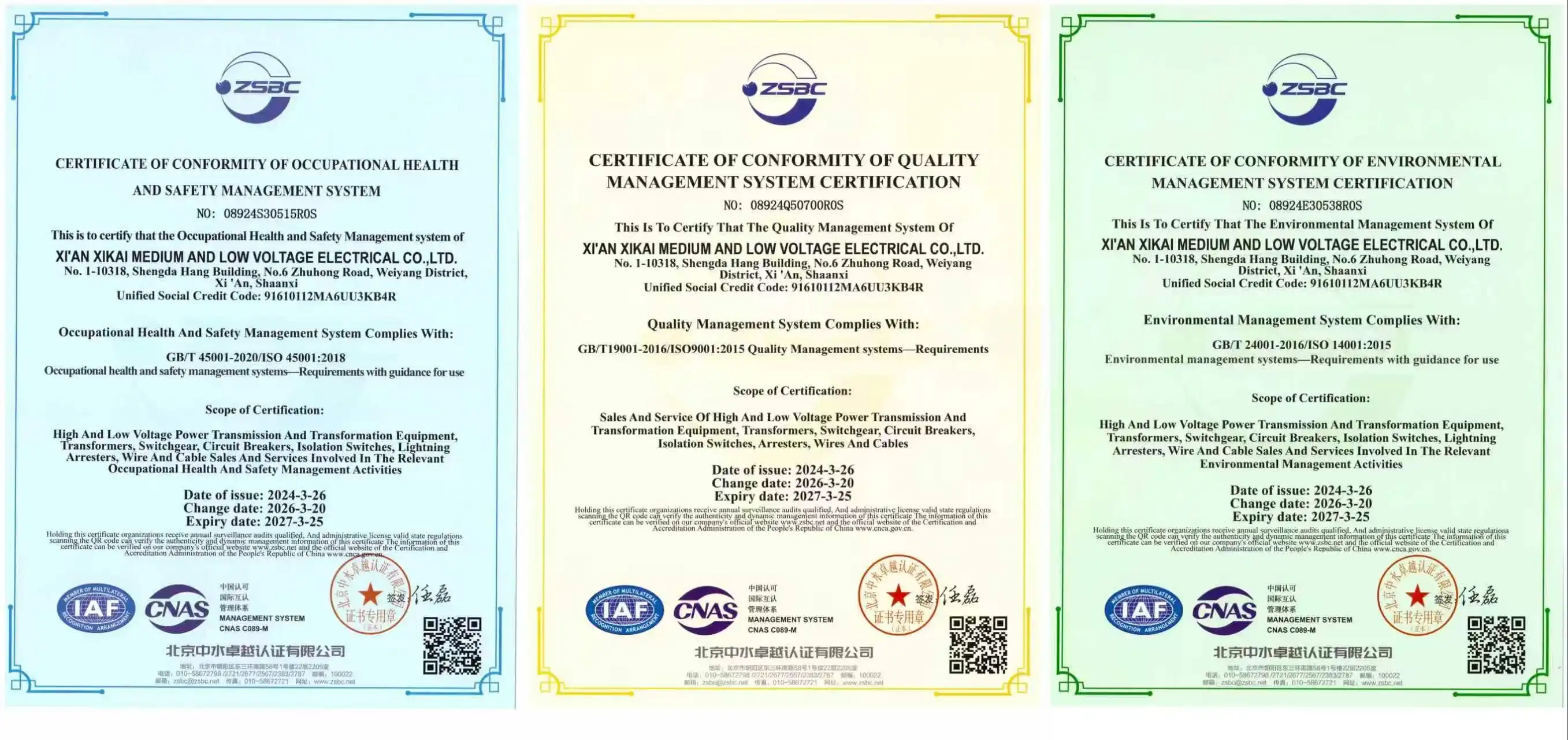
As your go-to Outdoor disconnect switch maker for important infrastructure projects, Xi'an Xikai Medium & Low Voltage Electric offers three decades of experience and over 1,200 successful installations around the world. Our GW11 line is made of an aluminium alloy, which cuts weight by 40% and has IoT-enabled predictive maintenance features. It meets the strictest standards including IEC 62271 and IEEE C37.32 approvals. Our full support starts with the initial design and continues with ongoing field service. Our support is backed by ISO 9001 quality management and environmental stewardship standards. Get in touch with our technical team at serina@xaxd-electric.com, amber@xaxd-electric.com, or luna@xaxd-electric.com to talk about your needs and find out how our custom solutions can improve the reliability of your power distribution.
References
1. National Electrical Manufacturers Association. (2021). NEMA Standards Publication 250: Enclosures for Electrical Equipment (1000 Volts Maximum). Rosslyn, VA: NEMA.
2. Institute of Electrical and Electronics Engineers. (2020). IEEE Standard C37.32: High-Voltage Air Disconnect Switches, Interrupter Switches, and Fuse Disconnector Switches. New York: IEEE.
3. National Fire Protection Association. (2023). NFPA 70: National Electrical Code®. Quincy, MA: NFPA.
4. International Electrotechnical Commission. (2019). IEC 62271-102: High-voltage switchgear and controlgear - Part 102: Alternating current disconnectors and earthing switches. Geneva: IEC.
5. Occupational Safety and Health Administration. (2022). 29 CFR 1910.147: The Control of Hazardous Energy (Lockout/Tagout). Washington, DC: U.S. Department of Labor.
6. Electric Power Research Institute. (2021). Transmission and Distribution Infrastructure Maintenance Guide for High-Voltage Disconnect Switches. Palo Alto, CA: EPRI.