Understanding the Basics of Indoor Current Transformers
2026-08-07 11:33:38
Indoor current transformers serve as critical measurement and protection devices in electrical distribution systems, converting high primary currents into standardized secondary values suitable for meters and relays. These epoxy-resin-insulated units operate within controlled environments such as substations and switchgear rooms, where they facilitate accurate monitoring while maintaining safety through galvanic isolation between high-voltage circuits and instrumentation. Their robust construction and compliance with international standards make them indispensable for ensuring operational reliability in industrial facilities, utility networks, and commercial infrastructures.

What Are Indoor Current Transformers?
Definition and Core Function
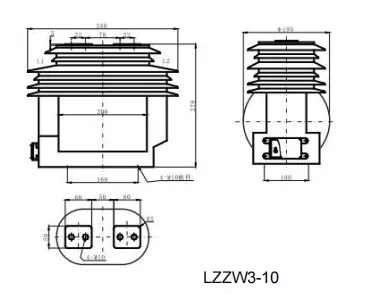
An Indoor Current Transformer is an electromagnetic device that lowers the high electrical currents that flow through power systems to levels that measurement instruments and protective relays can handle. Faraday's principle of electromagnetic induction says that the load current in the main conductor creates a magnetic field that makes the secondary winding carry an equal amount of current. This change makes monitoring safe even when there is no direct electrical link to high-voltage lines. The physical form focuses on being small and suitable for indoor use, which makes these units different from outdoor units that need protecting from the weather.
Key Technical Specifications
When procurement workers look at these gadgets, they should pay attention to a few important factors. The accuracy class tells you how accurate a number is. Class 0.2 is good for revenue metering, and Class 0.5 is good for industry monitoring. The transformer's rated main current tells you how much continuous power it can handle. In modern designs, this ranges from 20A to 3150A. The burden capacity tells you how much power the secondary circuit can handle without losing accuracy. It is usually given in volt-amperes (VA). Insulation level, which is usually given as a basic insulation level (BIL) rating, keeps things safe when there are short-term overvoltages. Our 24kV Indoor Current Transformer is a great example of these ideas because it can work at both 50Hz and 60Hz and give out 5A or 1A secondary outputs while keeping Class 0.2 accuracy. The epoxy resin cast insulator completely seals the circuit, so there are no risks of partial discharge below 10pC.
Common Types and Variants
In different installation situations, different configurations are needed. Wound-type transformers are good for low-current tasks because the primary windings are wrapped around the magnetic core. Bar-type designs use the busbar as the main conductor, which makes placement easier in medium-voltage switchgear. Split-core types can be added to existing wires without breaking the circuit, which is very helpful when upgrading the system. The main difference between Analog and digital versions is how the signals are processed. Analog units produce a steady current that is proportional to the primary flow, while digital versions use microprocessor-based sampling to improve diagnostics and communication protocols. Indoor models are different from outdoor models mostly in the insulation materials they use and the environmental grades they have. Indoor units use less room and have IP20 to IP30 protection, while outdoor models need UV-resistant housings and IP54 or higher ingress protection. By knowing these basic traits, engineers can better match technical needs with practical needs, which helps them make smart choices about what to buy.
Installation and Maintenance Guide for Indoor Current Transformers
Step-by-Step Installation Process
Before you can put something correctly, you need to make sure that the structure can hold it. Transformers that weigh up to 95 kg need strong bases. Place the device so that it is not parallel to the busbar path. Make sure that the polarity markings match up with the protective relay configurations. Pay close attention to the secondary terminals. Never use an Indoor Current Transformer with open secondary circuits because this can cause dangerous overvoltages of up to several kilovolts. Before turning on the main circuit, connect the measurement devices to the secondary wire. Also, make sure that one of the secondary terminals is always grounded to keep the insulation from breaking down. Cable terminations must meet the torque requirements set by the manufacturer. For M6 terminals, these are usually between 8 and 12 Nm. This keeps the connections from coming loose, which can lead to measurement errors.
Common Installation Challenges and Solutions
One of the most common problems during testing is a connection mistake. When polarity is switched around, protective switches stop working, which could delay fault clearing. To stop this, you should use polarity testers to do thorough tests before turning on the power. Over time, insulation resistance is lowered by things in the environment, such as humidity in wet places. Keep the relative humidity below 95% and put in silica gel breathers where they're needed to stop moisture from getting in. Extreme temperatures can change the accuracy of measurements. Our transformers work accurately in temperatures ranging from -40°C to +70°C, but long-term exposure to these temperatures speeds up thermal aging. Do thermographic scans on a regular basis to find hotspots that show unusual losses or link resistance.
Maintenance Best Practices
Checking for cracks in epoxy resin castings visually, making sure terminals are tight, and checking insulation resistance with 2500V meggers should all be part of the annual inspection routine. Keep track of degradation trends by writing down standard values during launching. Load testing confirms that the transformer keeps working at its rated level even as system loads change. To fix precision drift, use turn-ratio test sets to look for shorted turns in the secondary windings and make sure the burden impedance hasn't gone over the maximum capacity. Insulation failures often show up as partial discharge activity. Portable ultrasonic monitors can spot problems that are starting to form before they become catastrophic. Following IEC 61869-1 and GB 20840.2-2014 standards during installation and repair processes makes sure that you are following the rules and extends the life of your equipment. These practices directly help building managers who are in charge of mission-critical power systems meet their practical uptime goals.
Benefits and Applications of Indoor Current Transformers
Reliability and Accuracy Advantages
In today's Indoor Current Transformers, measurements are accurate to within ±0.2% of the maximum current range. This lets you accurately account for energy use and profile loads. The epoxy resin cast design gets rid of the internal gaps that lead to partial discharge, which is a common way for oil-paper insulated designs to fail. Thermal stability makes sure that the device works the same way even when the temperature changes around it. This stops the yearly calibration drift that happens with less-stable designs. Because it is mechanically strong, it can handle short-circuits of up to 25kA for three seconds, which protects investments during grid disturbances. Full galvanic isolation rated for 24kV input voltages is one of the safety features that keeps dangerous potentials away from people and equipment. These traits convert into real gains for operations. To meet their 99.999% uptime standards, data centers need accurate measurements to spread the load across multiple redundant power feeds. By keeping a close eye on reactive power, manufacturing facilities can escape power factor penalties and keep their profit margins safe in processes that use a lot of energy. Hospitals can't have measurement errors that stop backup generator synchronization systems from working when the power goes out.
Industrial and Commercial Applications
The main use for these devices is to monitor power distribution. They do this by sending real-time current data to SCADA systems that run substations. Energy management tools take readings from many transformers and put them all together to find ways to save energy, like moving loads to times when electricity rates are lower. For protective relay coordination to work properly, the fault current needs to be measured accurately. Our 24kV units can handle surge currents of up to 100 times their rated capacity during transient events, making sure that relays get clear signals for selective tripping. Original Equipment Manufacturers (OEMs) put these transformers in motor control centers and variable frequency drive packages because they have small sizes and standard secondary outputs that make system design easier. When you figure out energy costs, you can see how important accuracy classes are. At $0.085/kWh rates, a 0.2% measurement error in a facility that uses 10MW per year would mean $17,000 in billing errors. In large business buildings, switching from Class 0.5 to Class 0.2 transformers pays for itself in just a few months. Performance metrics show measurable value: buildings that use precise measurements say their energy costs go down by 8–15% because they can see more clearly how energy is being used. Because of these benefits, Indoor Current Transformers are seen as strategic assets rather than common parts. This is especially true for procurement managers who have to weigh the costs of capital expenditures against the costs of running the transformers over their lifetime.
How to Choose the Right Indoor Current Transformer for Your Needs
Evaluating Application Requirements
The first step in selection is describing the load conditions. Find the highest constant current that your system can handle and add 20% to allow for future potential growth. To make sure the short-term thermal ratings are correct, find the transient current levels when the motor starts up or when there is a fault. The environmental assessment looks at the temperature ranges, humidity levels, and the chance of being exposed to contaminants from industrial processes. The measurement goals make it clear whether the accuracy of revenue meters is worth investing in Class 0.2 or whether safe relaying applications that can handle Class 0.5 margins are more important. In retrofit projects where space is limited, compact split-core designs may be better than traditional bar-type ones.
Brand Comparison and Selection Criteria
When it comes to technology, leading makers bring new ideas to the market. Siemens puts a lot of emphasis on digital integration with IEC 61850 communication protocols that help smart grid projects. ABB works on flexible designs that let the layout of a field be changed without having to buy new equipment. Schneider Electric stands out with lifecycle analytics tools that use embedded sensors to predict when repair needs to be done. When considering choices, look at the rated current ranges and make sure the transformer can handle both the lowest and highest operating points. Undersizing can cause errors due to saturation and nonlinearity, while oversizing makes light loads less accurate. The load capacity must be higher than the total impedance of all the meters and relay coils that are linked. This is usually found by adding up the VA ratings of each device and the resistance losses in the cables. Safety certifications should be looked at carefully. Listing products that meet the requirements of IEC 61869-2 and GB 20840.2-2014 standards shows that the dielectric strength, temperature rise limits, and accuracy performance have been checked by a third party. Total ownership costs, such as the initial buy price, installation labor, tuning needs, and expected service life, should be included in the cost analysis. Our 24kV Indoor Current Transformer has a Class 0.2 accuracy rating, a 3150A primary current capacity, and strong thermal performance. It is designed for demanding industrial applications where measurement accuracy has a direct effect on profits.
Digital Versus Analog Considerations
Digital current transformers can communicate and do self-diagnostics, but they are more complicated because they need extra power and need to be managed by software. Analog devices work passively and are reliable by nature, but they can't be monitored from afar. Combining standard current transformation with digital signal processors, hybrid methods strike a balance between ease of use and up-to-date features. There are more procurement tips than just basic details. Check with the supplier about their inventory levels and lead times, especially for ratings that aren't common. The warranty should cover problems with the way the product was made for at least five years, and it should also cover problems that happen in the field. Different suppliers offer different levels of after-sales support. Look for vendors that offer technical support 24 hours a day, seven days a week, and regional service networks that can provide on-site commissioning support.
Pricing, Procurement, and Bulk Purchase Considerations
Understanding Cost Structures
Prices for Indoor Current Transformers change a lot depending on their features and where they are made. Basic 600A wound-type units that can be used in light business settings start at a reasonable price, while high-precision 3150A bar-type designs with Class 0.2 accuracy cost a lot more. The reputation of a brand affects its price. Well-known manufacturers charge 15–30% more than new suppliers, which they can do because they have been reliable for a long time and have strong support networks. Certification adds value; units tested to IEC standards cost more than alternatives that aren't certified, but they avoid project delays caused by checking conformance.
Bulk Purchase Advantages
Through tiered pricing structures, buying in bulk can save you a lot of money. Orders of 20 or more units usually get 12 to 18% off, and bigger orders can get even bigger savings. Logistics costs go down when shipping is consolidated, especially when buying from other countries, where container optimization cuts down on per-unit freight costs. Standardized testing procedures make single-vendor buying easier for quality assurance, and it also makes it easier to keep track of spare parts inventory. When buyers show they know about the technical side of things and are clear about what they want, they have more negotiating power. Ask for detailed datasheets that show how accurate the device is across the whole current range, not just at the stated numbers. Instead of relying on what the catalog says, use certified test reports to check short-circuit ratings. Lead times change depending on the state of the global supply chain. In the current market, normal ratings take 8–12 weeks to deliver, while customized specs take 16–20 weeks.
Safe Procurement Practices
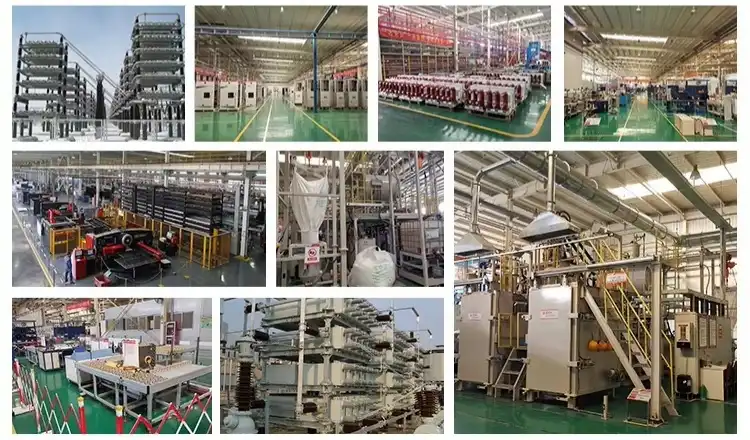
When shopping online, you need to carefully check out the platform. Check the credentials of the supplier by using business registration databases and memberships in industry groups. To figure out how good the help is, ask for customer examples from companies in the same industry. Risk should be balanced in payment terms. For example, don't pay first-time suppliers in full ahead of time; instead, set up goals that connect payments to factory progress and inspection approvals. Warranty agreements must spell out how long the coverage lasts, how to get a replacement, and who pays for the shipping costs to send the item back. Long-term business stability is protected by service contracts that cover everything from preventative maintenance to emergency reaction procedures. Xi'an Xikai is dedicated to quality assurance. They test materials using high-grade silicon steel and copper windings, do partial discharge testing below 10pC at rated voltage, and make sure their products work by putting them through extreme temperature ranges. Getting ISO 9001 certification shows that you have a system for managing quality that is in line with best practices around the world.
Conclusion
In conclusion, Indoor Current Transformers are essential parts of modern electrical infrastructure because they make it possible to measure current in a safe and accurate way, which is needed for regulatory compliance and operational efficiency. To make sure that the product works well for a long time, the decision process involves carefully looking at technical specs, application needs, and the supplier's abilities. Our 24kV units are a great example of how to balance accurate measurements, strong construction, and the ability to work in a variety of ways that are needed in tough industrial and utility settings. It's helpful for procurement managers to know the difference between accuracy classes, how to install things correctly, and why it's a good idea to work with manufacturers that offer full technical support. As power systems get more complicated and digitally connected, accurate current measurement is becoming more and more important for keeping the grid stable and making the best use of energy. Investing in good instruments pays off in a way that can be measured: better system awareness, less upkeep work, and meeting strict industry standards.
FAQ
1. What distinguishes indoor from outdoor current transformers?
Indoor Current Transformers are made for controlled settings and have protection ratings of IP20 to IP30. They have small epoxy resin enclosures that are intended to make the best use of space. Outdoor units have weatherproof housings with ingress protection of IP54 or higher, materials that don't fade in UV light, and higher temperature ratings so they can handle direct sunlight, rain, and pollution. The insulation methods are very different from one another. Indoor models focus on being space-efficient, while outdoor models focus on being durable in harsh weather.
2. How do I determine the appropriate accuracy class for my application?
Class 0.2 accuracy is needed for revenue tracking and custody transfer applications to keep billing issues to a minimum and meet regulatory requirements. In areas where measurement accuracy doesn't have a big effect on money, like industrial monitoring and non-critical protective relaying, Class 0.5 or 1.0 tolerances are fine. Think about how much measurement error costs: places that use a lot of energy can afford to spend more on accuracy because it lowers the risk of charging mistakes.
3. What safety precautions are critical during installation?
Overvoltages can be dangerous, so never turn on an Indoor Current Transformer whose secondary terminals are open. Always connect one secondary terminal to ground to stop floating potentials that could cause insulation to break. To make sure that the right fault is found, check the polarity before connecting the safety switches. To keep accuracy and avoid thermal damage, make sure that the burden impedance stays within the rated capacity and that the torque specifications for the terminal connections are followed.
Partner with Xi'an Xikai for Premium Indoor Current Transformer Solutions
Xi'an Xikai Medium & Low Voltage Electric Co., Ltd. is one of the best companies in the world that makes Indoor Current Transformers. They make solutions that are precisely designed to meet the exact needs of utility operators, industrial site managers, and system designers all over North America. Our 24kV Indoor Current Transformers are built with epoxy resin casting, meet IEC 61869-1/2 and GB 20840.2-2014 standards, and are accurate to within 0.2 percent. This makes sure they work well in mission-critical situations. We offer custom designs that take into account different voltage levels, current ratings, and space limitations. Our over 100 product variants and patented technologies were created through national research programs. Our technical team offers full support from reviewing the initial specifications to putting the system into service. They are backed by ISO 9001 quality systems and a warranty that lasts for several years. Get in touch with our experts at serina@xaxd-electric.com, amber@xaxd-electric.com, or luna@xaxd-electric.com to talk about your needs and get competitive quotes.

References
1. IEEE Standard C57.13-2016, "IEEE Standard Requirements for Instrument Transformers," Institute of Electrical and Electronics Engineers, New York, 2016.
2. International Electrotechnical Commission, "IEC 61869-2: Instrument Transformers - Part 2: Additional Requirements for Current Transformers," Geneva, Switzerland, 2012.
3. Kasztenny, B., and Finney, D., "Fundamentals of Current Transformer Application and Specification for Protection Systems," Proceedings of the 63rd Annual Conference for Protective Relay Engineers, College Station, Texas, 2010.
4. Stanbury, M., "Current Transformer Selection and Application in Industrial Power Systems," IEEE Transactions on Industry Applications, Vol. 48, No. 2, March/April 2012.
5. National Standardization Administration of China, "GB 20840.2-2014: Instrument Transformers - Part 2: Additional Requirements for Current Transformers," Beijing, China, 2014.
6. Holcomb, J.E., "Accuracy and Burden Considerations in Revenue Metering Current Transformer Selection," IEEE Power and Energy Society General Meeting, Detroit, Michigan, 2011.
_1774417662667.png)

_1783415937807.jpg)