Uses of Current Transformers in Power Systems
2026-03-25 15:49:08
Current Transformer technology is a core component of electrical measurement and protection systems across industrial facilities, utility networks, and commercial installations. These precision instruments convert high-magnitude primary currents into standardized, manageable secondary currents that enable accurate monitoring, protection, and control of power systems. From manufacturing plants operating sensitive machinery to utility companies maintaining grid stability, current transformers provide the essential signal conversion and isolation needed for safe, efficient electrical operations. Their applications span energy metering, fault detection, load monitoring, and protective relay coordination, making them important components in today's interconnected power infrastructure.
Understanding Current Transformer Fundamentals in Power Applications
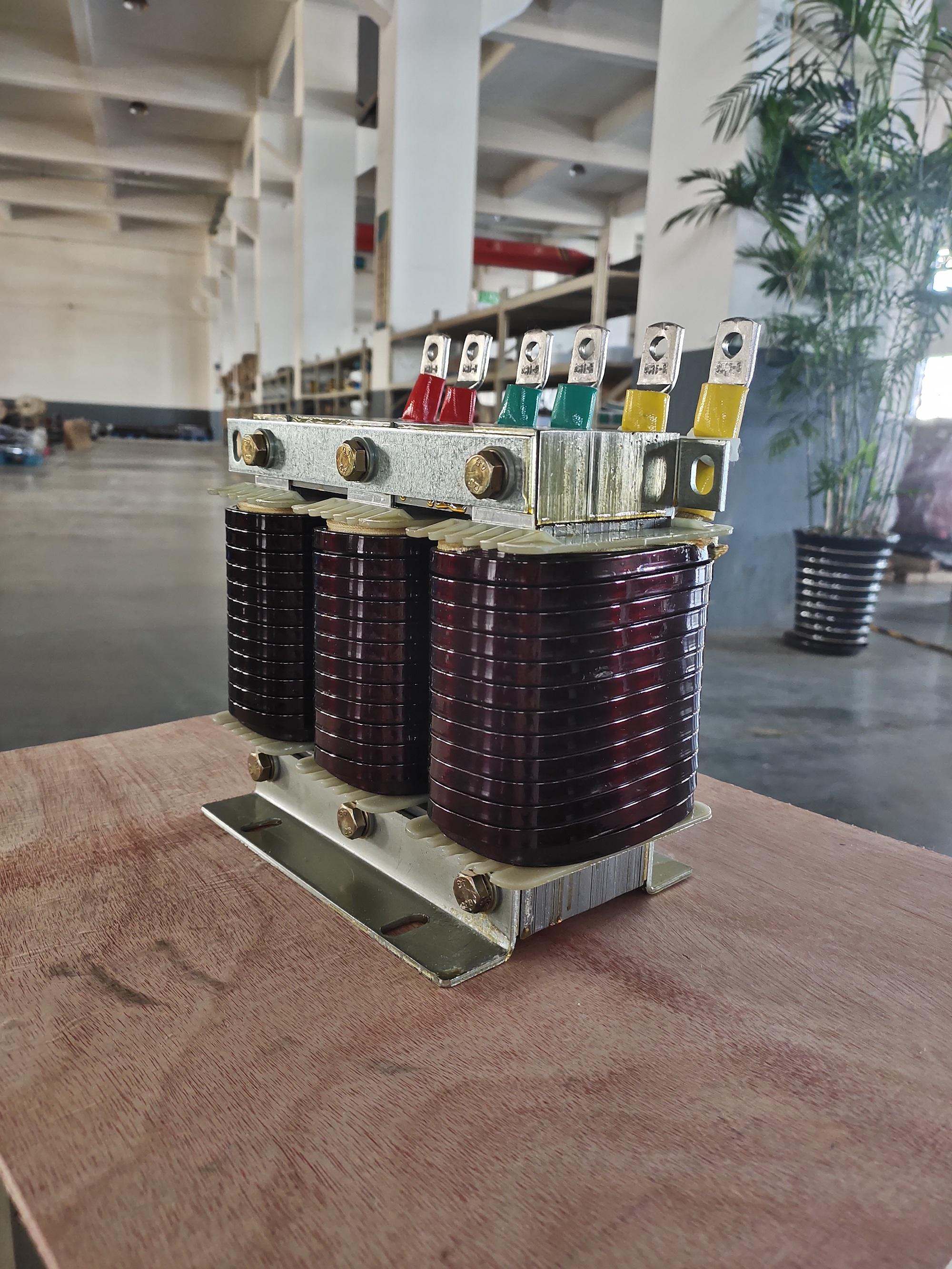
To keep working properly, every power device needs accurate current measurement and electrical protection. Current transformers use electromagnetic induction and a magnetic core to change high primary currents to normal low secondary currents, usually 1A or 5A. With this signal exchange, measuring tools and safety gadgets can watch over high-voltage circuits without touching them directly. The relationship between the main and secondary currents is set by the transformer ratio. If the ratio is 1000:5, it means that 1000 amps in the main circuit make 5 amps in the secondary winding. This proportional scaling lets you measure accurately while also isolating sensitive monitoring tools from high-voltage systems through galvanic isolation. For modern current sensing uses, precision and stability are very important. Xi'an Xidian's casting insulation technology makes sure that the insulation works the same way in all kinds of environments, from humid coastal areas to high-altitude sites. The vacuum casting method gets rid of any air spaces that might weaken the insulation, and the precise winding methods make sure that the transformer ratios stay the same throughout its lifetime.
Power Measurement and Energy Metering Applications
Accurate power measurement forms the foundation of energy management strategies across industrial and commercial facilities. Current transformers enable precise monitoring of electrical consumption patterns, supporting cost optimization initiatives and regulatory compliance requirements. Energy metering systems integrate current transformers with voltage sensors to calculate real-time power consumption. Data centers monitoring server rack loads, manufacturing facilities, Current Transformer tracking production line efficiency, and hospitals ensuring critical equipment performance all depend on reliable current sensing capabilities. The analog signal conversion provides continuous feedback for automated control systems and energy management platforms. Smart grid implementations currently leverage current transformer data for demand response programs and load forecasting. Utility companies use this information to optimize generation scheduling and identify peak demand periods. The ±0.2% accuracy specifications of advanced current transformers support revenue-grade metering applications where precision directly impacts financial calculations. Industrial automation systems integrate current transformer signals for process optimization. Chemical plants monitor pump motor currents to detect bearing wear before catastrophic failure. Steel mills track furnace loads to optimize heating cycles and reduce energy waste. This proactive monitoring approach helps minimize unexpected downtime while extending equipment lifespan.
Electrical Protection and Fault Detection Systems
Protective relay coordination is one of the most critical applications for current transformers in power systems. When electrical faults occur, current transformers provide instantaneous signal conditioning to protective devices, enabling rapid circuit isolation before equipment damage or safety hazards develop. Overcurrent protection schemes rely on current transformers to detect abnormal current levels indicating short circuits, ground faults, or equipment overloads. The current transformer's burden rating ensures accurate reproduction of fault currents even during extreme conditions. Protective class current transformers maintain linearity during fault conditions, preventing relay misoperation during critical protection events. Differential protection systems compare current transformer signals from multiple circuit locations to identify internal faults. Generator protection schemes monitor stator currents, rotor currents, and neutral grounding currents simultaneously. Transformer protection applications use current transformers on primary and secondary windings to detect turn-to-turn faults, winding failures, and internal arcing conditions. Motor protection systems integrate current transformers with thermal overload relays, phase sequence monitors, and ground fault detectors. Manufacturing facilities protect expensive production equipment through comprehensive current monitoring. The isolation provided by current transformers ensures personnel safety while maintaining protection system reliability during fault conditions.
Load Monitoring and Capacity Management
Strategic load monitoring enables facility managers to optimize electrical capacity utilization while preventing costly demand charges and equipment overloading. Current transformers provide the continuous data acquisition necessary for intelligent load management systems. Distribution panel monitoring systems use current transformers on each feeder circuit to track individual load contributions. Hospital electrical systems monitor critical care equipment, emergency generators, and HVAC systems separately. This granular visibility enables load shedding decisions during peak demand periods while maintaining essential services. Building management systems integrate current transformer data with occupancy sensors and environmental controls. Commercial complexes adjust lighting, ventilation, and elevator operations based on real-time electrical demand patterns. The signal integration capabilities support automated demand response participation and utility incentive programs. Industrial facilities use current transformer monitoring for production planning, current transformer, and equipment scheduling. Aluminum smelters coordinate pot line operations to minimize peak demand charges. Paper mills schedule rewinder operations during off-peak periods. This demand management approach helps reduce electricity costs while maintaining production schedules.
Signal Conversion for Control System Integration
Power systems nowadays demand smooth data transmission between electrical equipment and digital control platforms. Signal conditioning between high-voltage power circuits and low-voltage control systems requires current transformers.Current transformer signals are collected by analog-to-digital converters for SCADA monitoring and control. Utility control centres concurrently monitor transmission line loads, substation equipment, and distribution feeder performance. Standardised secondary currents simplify interface design and provide measurement uniformity among equipment manufacturers. Current transformer signals, temperature, pressure, and flow are measured in chemical and petrochemical process control systems. Refineries analyse equipment health by monitoring pump motor currents and process factors. Isolation protects sensitive measuring circuits from electrical noise. Renewable energy systems check grid connections and power quality via current transformers. Current monitoring is needed for pitch, yaw, and grid synchronisation in wind turbine generators. DC input and AC output currents are monitored by solar inverter systems for optimal power point tracking and anti-islanding prevention.
Transformer Protection and Monitoring Applications
Power transformers represent significant capital investments requiring comprehensive protection strategies. Current transformers enable sophisticated monitoring schemes that detect incipient failures before costly damage occurs. Dissolved gas analysis systems correlate current transformer load data with internal gas concentrations to identify developing insulation problems. Utility transformers undergo continuous monitoring for overloading conditions, thermal stress, and mechanical vibration. The current measurements help establish maintenance schedules and replacement planning. Tap changer monitoring systems use current transformer signals to optimize voltage regulation under varying load conditions. Distribution transformers automatically adjust tap positions based on load current magnitude and power factor measurements. This adaptive voltage control improves system efficiency while maintaining voltage quality for end users. Parallel transformer operations require precise current sharing to prevent circulating currents and overloading. Current transformers provide the feedback signals for automatic load balancing systems. Industrial facilities operating multiple transformers achieve optimal loading distribution while maintaining redundancy for critical operations.
Integration with Smart Grid and IoT Technologies
The evolution toward intelligent electrical networks demands enhanced sensor integration, current transformer, and real-time communication capabilities. Current transformers provide foundational measurement data for smart grid applications and Internet of Things platforms. Advanced metering infrastructure systems combine current transformers with wireless communication modules for remote monitoring capabilities. Utility companies access real-time consumption data without manual meter reading. The continuous data streams support time-of-use pricing programs and outage detection systems. Predictive maintenance platforms analyze current transformer data patterns to identify equipment degradation trends. Machine learning algorithms process historical current measurements alongside temperature, vibration, and acoustic emissions data. This multi-parameter analysis approach improves failure prediction accuracy while reducing maintenance costs. Distributed energy resource integration relies on current transformers for grid stabilization and power quality management. Microgrid control systems monitor individual generator outputs, load demands, and interconnection status simultaneously. The measurement precision supports seamless transitions between grid-connected and islanded operation modes.
Conclusion
Current transformers make it possible for modern electrical devices to accurately measure, protect, and control power. These flexible tools are the basis for safe and efficient power system operation. They can do everything from measuring energy use and load to finding faults and converting signals. Knowing the different uses and the right selection criteria helps make sure the best performance and operational goals are met in business installations, utility networks, and industrial facilities. As smart grid technologies and green energy integration continue to improve, current transformers will be used in more situations, making them more important parts of the electrical infrastructure of the future.
FAQ
1. What accuracy class should I specify for revenue metering applications?
Revenue metering applications typically require Class 0.2 or Class 0.5 current transformers, depending on utility standards and regulatory requirements. The accuracy class indicates maximum permissible error under specified operating conditions. Class 0.2 current transformers provide ±0.2% accuracy at rated current, suitable for high-value commercial and industrial metering installations where measurement precision directly impacts billing calculations.
2. How do I select the appropriate current transformer ratio for my application?
Current transformer ratio selection depends on the maximum expected load current and the connected instrument requirements. Choose a ratio where normal operating current falls between 25% and 100% of the rated primary current for optimal accuracy. The secondary current should match the connected meter or relay requirements, typically 1A or 5A. Consideration of future load growth ensures adequate measurement range without requiring equipment replacement.
3. What is the difference between metering class and protection class current transformers?
Metering class current transformers maintain accuracy within specified limits under normal operating conditions, but may saturate during fault conditions to protect connected instruments. Protection class current transformers maintain linearity during fault conditions to ensure accurate relay operation. Many applications require both functions, achieved through current transformers with separate metering and protection windings or composite designs meeting both requirements.
Partner with Xi'an Xidian for Reliable Current Transformer Solutions
Xi'an Xidian delivers comprehensive current transformer solutions backed by decades of manufacturing expertise and engineering innovation. Our product portfolio includes busbar-type, oil-insulated inverted, and zero-sequence current transformers meeting diverse application requirements across industrial, utility, and renewable energy sectors. Contact our technical specialists at serina@xaxd-electric.com, amber@xaxd-electric.com, or luna@xaxd-electric.com to discuss your current transformer supplier needs and discover how our certified quality systems and global compliance standards support your project success.
References
1. Anderson, P.M. "Power System Protection: Theory and Applications." IEEE Press, 2019.
2, Blackburn, J.L. and Domin, T.J. "Protective Relaying: Principles and Applications." CRC Press, 2020.
3. Horowitz, S.H. and Phadke, A.G. "Power System Relaying: Fourth Edition." John Wiley & Sons, 2018.
4. IEEE Standard C57.13-2016. "IEEE Standard Requirements for Instrument Transformers." Institute of Electrical and Electronics Engineers, 2016.
5. Kundur, P. "Power System Stability and Control: Second Edition." McGraw-Hill Education, 2021.
6. Winders, J.J. "Power Transformers: Principles and Applications." Marcel Dekker, 2017.