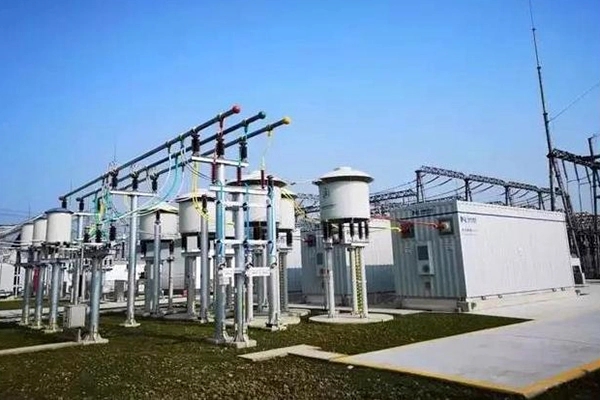
Uses of Indoor HV Switchgear in Substations
2026-03-03 15:47:23
Indoor High Voltage Switchgear serves as the backbone of modern substation operations, providing essential control, protection, and isolation functions for medium-voltage electrical systems. These sophisticated systems manage power distribution across industrial facilities, utility networks, and commercial complexes while ensuring operator safety and equipment longevity. Understanding their applications helps facility operators maximize uptime and optimize electrical infrastructure performance.
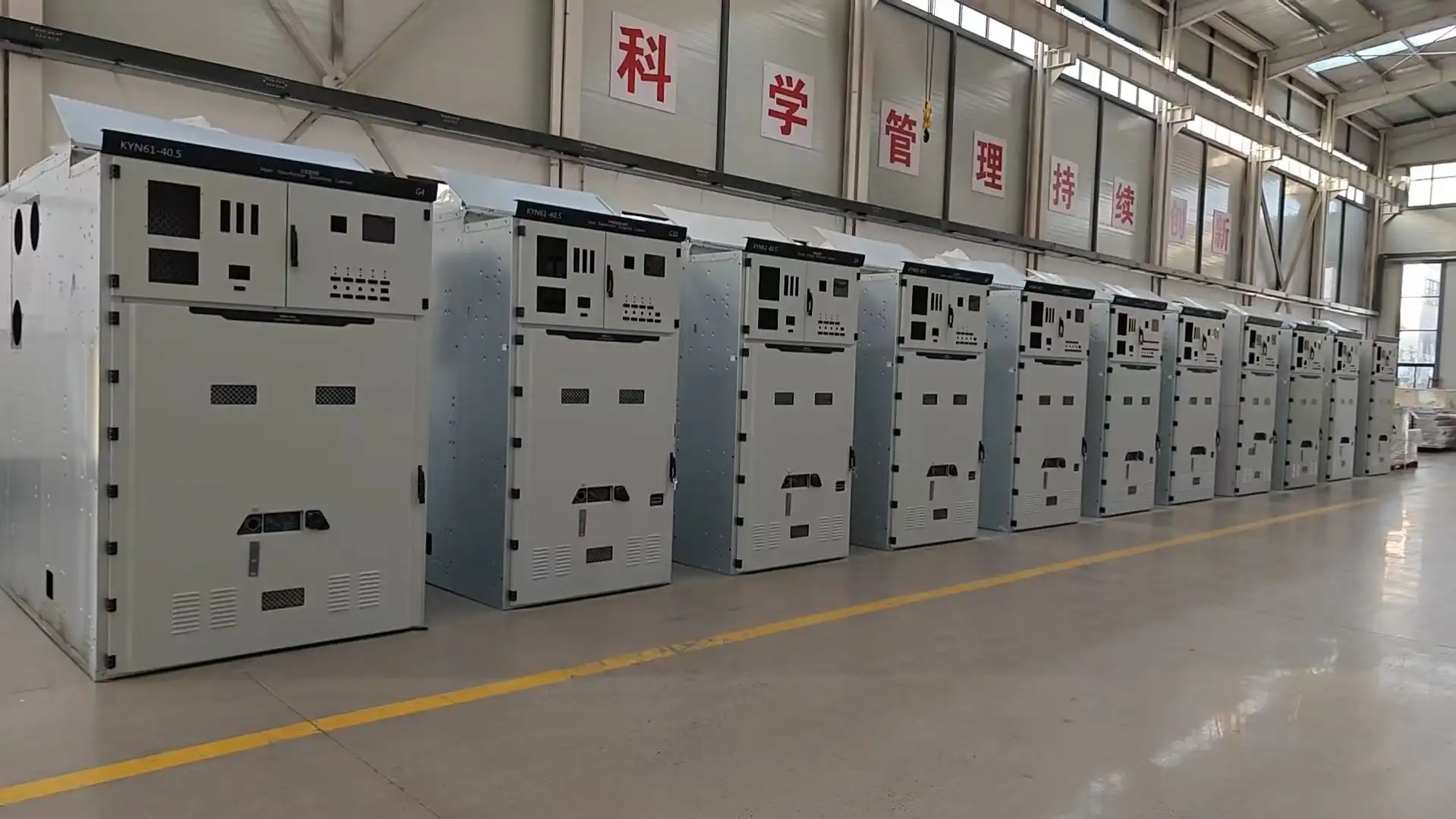
Essential Protection and Fault Management
Substations rely heavily on indoor HV switchgear for comprehensive protection against electrical faults. Circuit breakers within these systems detect overcurrent conditions and automatically isolate affected sections within milliseconds. This rapid response prevents cascading failures that could damage expensive transformers and other critical equipment.
Our experience working with manufacturing plants across Southeast Asia demonstrates the importance of arc flash protection. Modern switchgear incorporates advanced protective relays that monitor electrical parameters continuously. When abnormal conditions occur, these systems coordinate with vacuum interrupters to clear faults safely.
The metal-enclosed design provides additional safety layers. Each switchgear cubicle contains specific components while maintaining electrical isolation from adjacent sections. This compartmentalization allows maintenance personnel to work on one section while keeping other areas energized.
The incorporation of thermal imaging equipment into control panels makes it possible to implement predictive maintenance procedures. High-risk areas are identified by these monitoring techniques before they develop into major failures. Particularly advantageous for data centers is the ability to take use of this capacity, since unscheduled downtime may cost hundreds of dollars each minute.
Power Distribution and Load Management
Effective power distribution represents another crucial application of indoor switchgear systems. Busbars within these assemblies distribute electrical power to multiple outgoing feeders simultaneously. This arrangement ensures balanced loading across different facility sections.
Load break switches provide manual control over individual circuits within Indoor High Voltage Switchgear without requiring complete system shutdown. Hospital administrators appreciate this flexibility during equipment maintenance or emergency situations. The ability to transfer loads between different sources maintains critical operations.
Cable termination points within switchgear assemblies accommodate various conductor sizes and insulation types. This versatility allows system designers to optimize electrical connections for specific applications. Petrochemical facilities often require specialized cable configurations due to hazardous environment considerations.
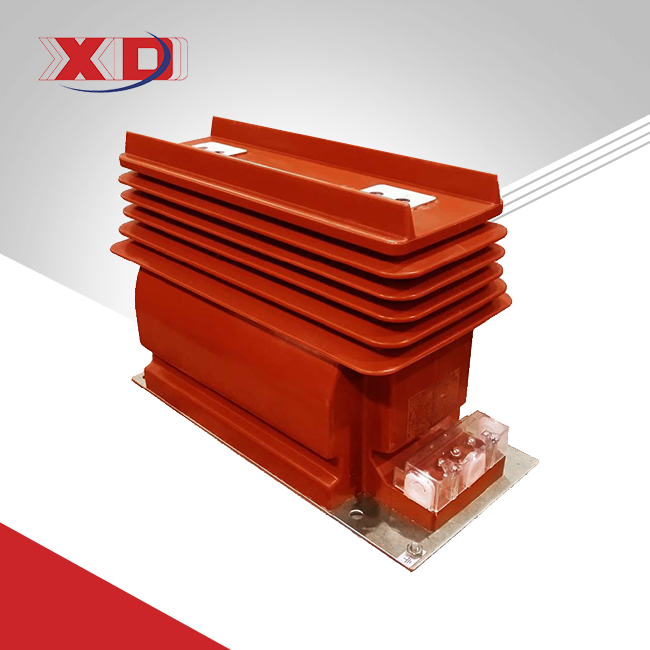
The incorporation of current transformers or voltage transformers into these systems enables the provision of precise measurements for the purposes of invoicing and monitoring. Companies that provide utilities make use of this information in order to enhance grid operations and conduct demand response programs.
Motor Control and Starting Applications
In order to efficiently offer the advanced starting and management technologies that are necessary for large industrial motors, indoor HV switchgear is used. Through these assemblies, soft starters plus variable frequency drives are coupled, which reduces the amount of mechanical stress that is placed on the equipment while also decreasing electrical disturbances.
The use of coordinated automobile protection programs are very beneficial to mining operations. By preventing the simultaneous starting of numerous big motors, these systems prevent voltage dips from occurring, which might have an impact on other pieces of equipment. It is possible for operators to monitor motor performance outside central control rooms thanks to the capabilities of remote monitoring.
The switchgear of today is designed in a modular fashion, which makes it simple to include motor protection devices. The safety of costly motors is achieved by the collaborative efforts of overcurrent relays, insufficient voltage safeguarding, and phase loss detection. This all-encompassing protection not only reduces the expenses of maintenance but also increases the life of the equipment.
Applications that need frequent motor starting might benefit from the dependable switching performance offered by vacuum interrupter technology. Vacuum breakers, in contrast to previous technologies, are able to retain constant performance across thousands of runs without needing considerable maintenance.
Grid Synchronization and Interconnection
Substations use indoor switchgear for grid synchronization applications that ensure stable electrical connections between different power sources. Synchronization relays monitor voltage magnitude, frequency, and phase angle before allowing parallel operation.
An rise in the relevance of grid connecting capabilities has occurred as a result of the integration of renewable energy. It is necessary to have sophisticated protection measures in place for solar and wind farms in order to avoid reverse power flow in the case of fault situations. The essential control and protection tasks for these applications are provided by switchgear systems that are often found inside.
Automatic transfer schemes implemented through Indoor High Voltage Switchgear assemblies improve system reliability. When the primary power source fails, these systems automatically connect backup generators or alternative utility feeds. Commercial buildings depend on this capability to maintain essential services.
The ability to isolate grid sections during maintenance activities represents another critical function. Utility operators can de-energize specific areas while maintaining service to other customers. This operational flexibility improves overall system reliability.
Voltage Regulation and Power Quality Management
Voltage levels that are stable and harmonic distortion that is low are requirements for modern electrical systems today. Keeping the power quality within permissible boundaries is the responsibility of the voltage regulator equipment that is included into indoor switchgear assemblies. The response time of automatic voltage regulators to changes in load is measured in seconds.
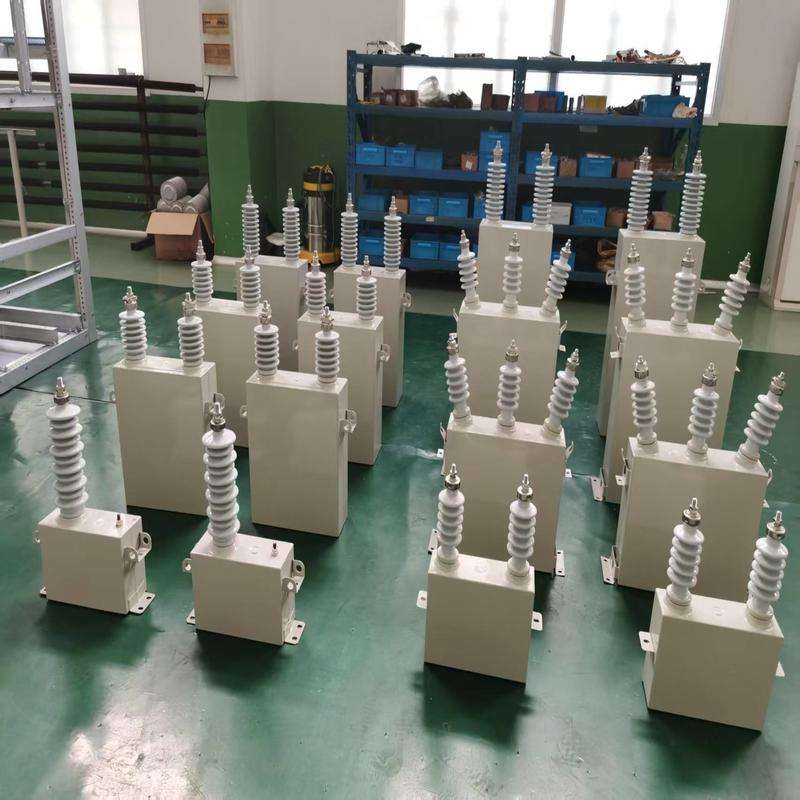
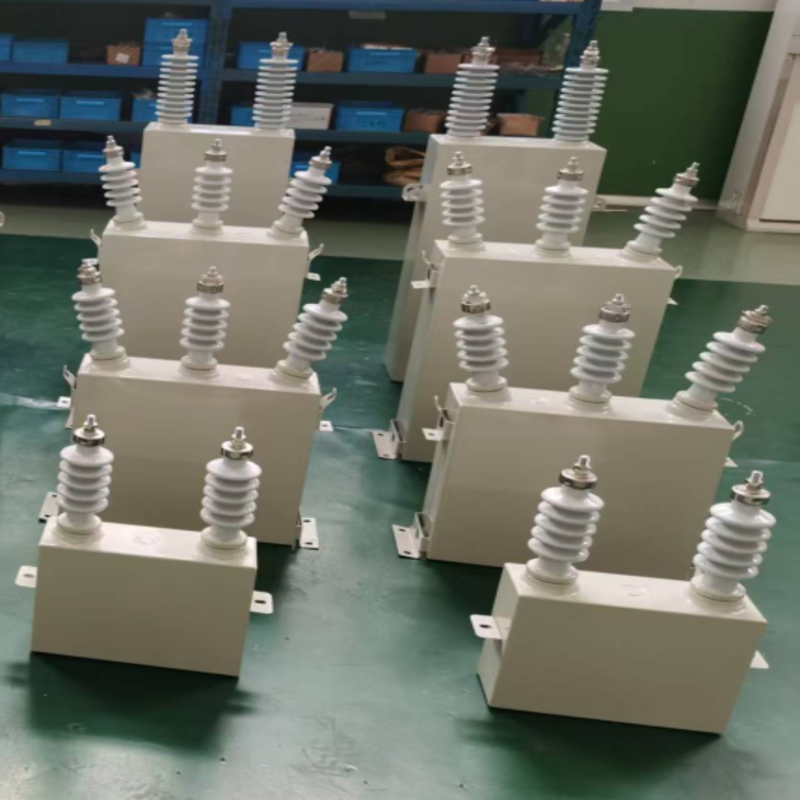
In order to compensate for reactive power, capacitor banks that are coupled via switchgear systems are used. Through the utilization of this capability, power factor is improved, and energy costs for manufacturing plants are decreased. Automated switching guarantees the most efficient functioning of the capacitor bank by taking into account the current load circumstances.
Harmonic filtering equipment integrated into these systems reduces distortion caused by electronic loads. Data centers and hospitals particularly benefit from improved power quality, as sensitive equipment requires clean electrical power for reliable operation.
Within switchgear assemblies, lightning arresters as surge protection devices provide protection against transient overvoltages. In the case of thunderstorms or switching activities, these protection devices avoid harm to the equipment.
Monitoring and Diagnostic Capabilities
Advanced monitoring systems integrated into indoor HV switchgear provide comprehensive diagnostic information. Real-time data collection enables predictive maintenance strategies that reduce unplanned outages. Maintenance schedules can be optimized based on actual equipment condition rather than fixed time intervals.
The use of SF6 gas metering in air-insulated switchgear allows for the detection of possible insulation issues before they result in hardware breakdowns. An early warning of growing problems may be obtained via the use of density indicators and gas quality analyzers. When it comes to essential applications, where dependability is of the utmost importance, this feature is very effective.
Digital protective relays store fault records that help engineers analyze system disturbances. This information guides system improvements and operator training programs. Pattern recognition algorithms can identify recurring problems and suggest corrective actions.
Communication protocols allow integration with supervisory control and data acquisition systems, enabling centralized monitoring of Indoor High Voltage Switchgear across multiple substations. Operators can oversee operations from control centers, improving response times during emergency situations.
Remote Operation and Automation
Modern substations increasingly rely on remote operation capabilities provided by intelligent switchgear systems. Motorized operating mechanisms allow circuit breakers to be controlled from distant locations. This capability reduces the need for personnel to travel to remote substation sites.
Automated switching sequences improve system reliability and reduce restoration times following outages. Pre-programmed logic controllers execute complex switching procedures without human intervention. These systems eliminate the possibility of operator errors during stressful emergency situations.
Cybersecurity features protect remote operation capabilities from unauthorized access. Encryption and authentication protocols ensure that only authorized personnel can control critical equipment. Regular security updates maintain protection against evolving cyber threats.
Integration with weather monitoring systems enables proactive responses to severe weather conditions. Automated load shedding and equipment protection schemes activate before damaging conditions occur. This capability has proven valuable during hurricane and ice storm events.
Conclusion
Indoor High Voltage Switchgear systems provide essential functions that enable reliable substation operation across diverse applications. From fault protection and power distribution to motor control and grid synchronization, these versatile systems address critical infrastructure needs. Modern monitoring and automation capabilities enhance operational efficiency while reducing maintenance requirements. Understanding these applications helps facility operators and system designers select appropriate solutions for their specific requirements. The integration of advanced technologies continues expanding switchgear capabilities, making them increasingly valuable for modern electrical infrastructure.
FAQ
1. What maintenance requirements do indoor HV switchgear systems have?
Indoor switchgear requires periodic inspections of electrical connections, insulation testing, and protective relay calibration. Vacuum circuit breakers typically need minimal maintenance compared to older technologies. Scheduled maintenance intervals range from six months to five years depending on operating conditions and equipment type.
2. How do indoor switchgear systems compare to outdoor installations?
Indoor installations provide better protection from environmental factors like UV radiation, moisture, and temperature extremes. They typically have longer service lives and require less maintenance. However, indoor systems require building structures and ventilation systems that increase initial installation costs.
3. What safety standards apply to indoor HV switchgear?
Major standards include IEC 62271-200 for metal-enclosed switchgear and IEEE C37.20.7 for guide specifications. Arc-resistant designs must meet specific testing requirements to protect personnel. Electrical safety protocols require proper grounding, lockout/tagout procedures, and personal protective equipment.
4. Can existing switchgear be upgraded with modern protection systems?
Retrofit options exist for many older switchgear installations. Digital protective relays can replace electromechanical devices while maintaining existing control circuits. Communication capabilities and monitoring systems can be added to improve operational visibility and maintenance planning.
5. What factors determine switchgear sizing requirements?
Load current, fault current levels, voltage ratings, and environmental conditions influence sizing decisions. Future expansion plans should be considered to avoid premature obsolescence. Short-circuit studies and load flow analysis help engineers select appropriate ratings and configurations.
6. How do smart grid technologies integrate with indoor switchgear?
Modern switchgear incorporates communication interfaces that support smart grid applications. Advanced metering infrastructure, demand response programs, and distribution automation rely on data from intelligent electronic devices. Cybersecurity measures protect these communication channels from unauthorized access.
Choose Xi'an Xidian for Reliable Indoor High Voltage Switchgear Solutions
Xi'an Xidian stands ready to support your substation projects with proven Indoor High Voltage Switchgear manufacturing expertise and comprehensive technical support. Our plateau-certified equipment operates reliably at altitudes up to 4,000 meters while meeting international standards. Contact our technical team at serina@xaxd-electric.com, amber@xaxd-electric.com, or luna@xaxd-electric.com to discuss your specific requirements and receive customized solutions that maximize operational efficiency.
References
1. Anderson, Paul M. Power System Protection. 2nd ed. New York: McGraw-Hill Professional, 2018.
2. Das, J.C. Power System Analysis: Short-Circuit Load Flow and Harmonics. 3rd ed. Boca Raton: CRC Press, 2021.
3. Horowitz, Stanley H., and Arun G. Phadke. Power System Relaying. 4th ed. Hoboken: John Wiley & Sons, 2019.
4. IEEE Standards Association. IEEE Guide for Metal-Enclosed Switchgear Rated Above 1 kV up to and Including 38 kV. IEEE C37.20.3-2020. New York: Institute of Electrical and Electronics Engineers, 2020.
5. McDonald, John D. Electric Power Substations Engineering. 3rd ed. Boca Raton: CRC Press, 2017.
6. Rushton, John, and Andrew Howe. Substation Design and Equipment. London: Institution of Engineering and Technology, 2019.