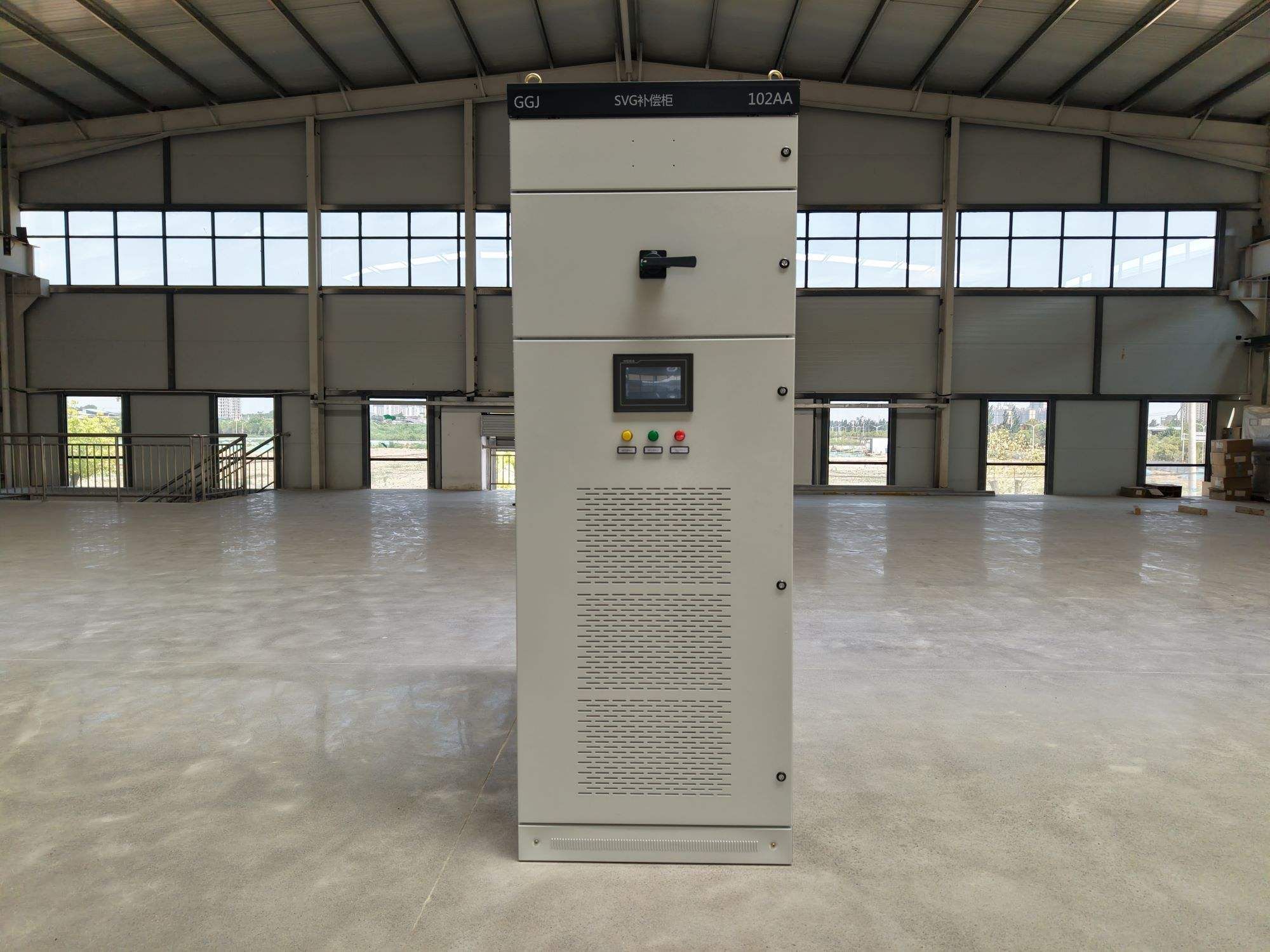
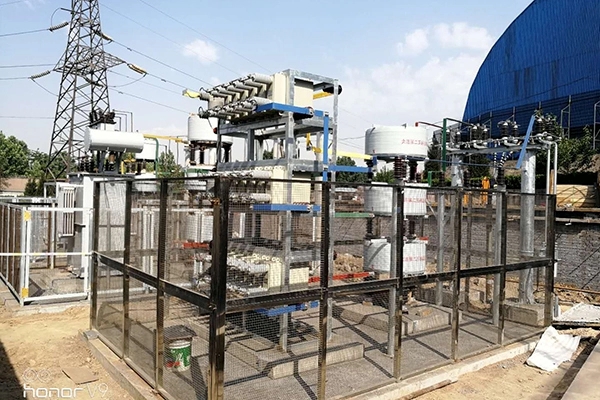
Global Active Harmonic Filter Suppliers
2026-03-04 16:00:35
Identifying dependable Active Harmonic Filter vendors requires meticulous assessment of production capacities, certifications, and technical proficiency. China accommodates a multitude of manufacturers specialized in superior energy solutions, providing competitive prices and cutting-edge technology. Operators of industrial facilities, utility companies, and EPC organizations get advantages by comprehending essential selection criteria while procuring these vital power electronics components. The appropriate manufacturer provides resilient harmonic mitigation technologies that guarantee grid stability or operational efficiency.
 |
 |
China's Manufacturing Edge in Active Harmonic Filter Technology
Advanced Production Capabilities
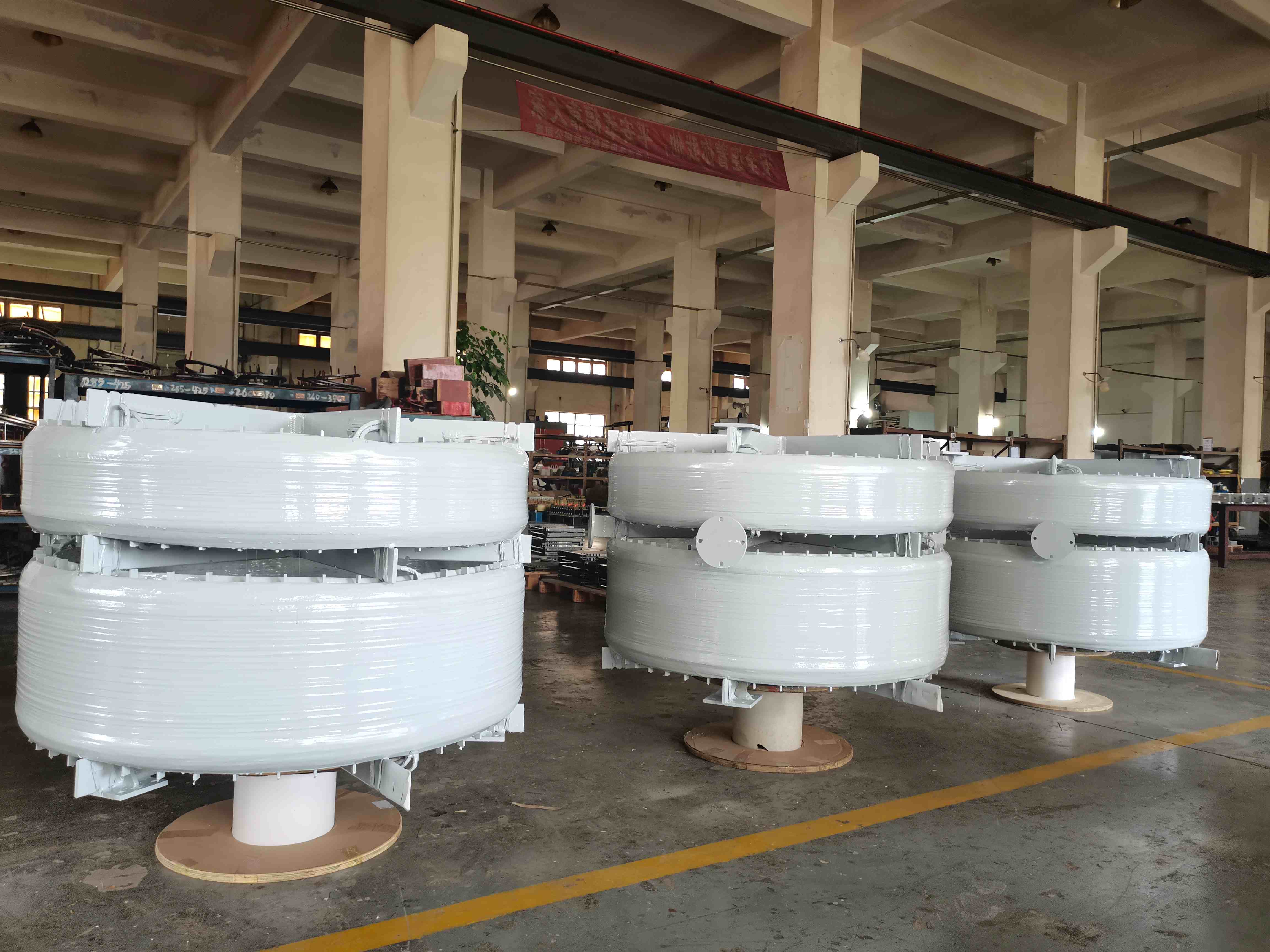
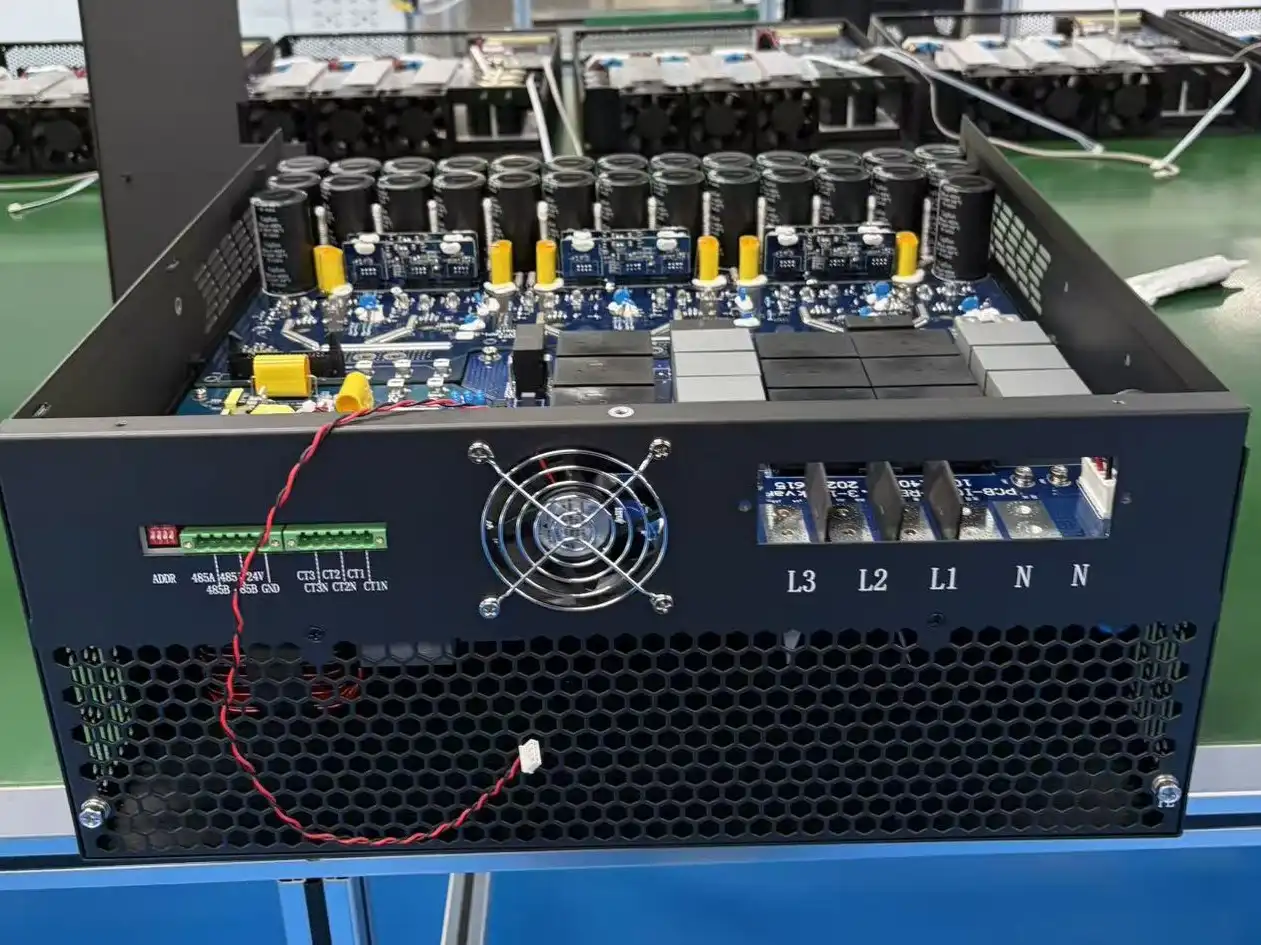
Modern assembly lines for power tools and distortion reduction devices have been established by Chinese manufacturers. To make sure they meet all performance requirements, all Active Harmon Filter units undergo extensive testing in state-of-the-art facilities using automated methods. Modern technology is used in manufacturing bases for component assembly, heat management systems, and digital signal processing integration. The concentration of suppliers of specialized components creates a robust supply chain ecosystem. Lead times are shortened and rapid customization for specific industrial applications is made possible by their near proximity. Rapid design adaption to different voltages, current rating gadgets, and environmental conditions is made possible by the production process.
Technical Innovation and R&D Investment
Artificial intelligence and adaptive filtering techniques are of special relevance to research and development organizations. To improve the efficiency of reducing harmonic distortion, engineering teams are constantly improving real-time control systems. These advancements have significant benefits for manufacturing facilities that manage servo motors and nonlinear variable frequency drive (VFD) loads. Pattern recognition capabilities have evolved significantly, allowing Active Harmonic Filter systems to automatically adjust to changing load conditions. Machine learning algorithms optimize energy efficiency while maintaining superior power quality across diverse operating scenarios.
Essential Criteria for Manufacturer Selection
Manufacturing Standards and Quality Systems
Throughout the manufacturing process, dependable manufacturers maintain thorough quality management systems. Keep an eye out for establishments that put their products through extensive testing, such as full-load validation and 72-hour aging tests. Included in quality control methods should be the examination of incoming components, monitoring of processes in progress, and verification of ultimate performance. Production spaces need to be pristine in order to safely assemble sensitive devices. Humidity and controlling the temperature are included during manufacturing to ensure the long-term reliability of parts in demanding industrial environments.
Technical Expertise and Engineering Support
Check to see whether the manufacturer can provide you complete technical documents and instructions for using the product. Skilled engineering groups should aid with load analysis to figure out what filter grade is suitable for a certain installation. This information is highly helpful for dealing with complicated harmonic problems in factories or computer networks.
Technical support capabilities should extend beyond initial delivery. Manufacturers providing ongoing consultation, troubleshooting assistance, and system optimization recommendations demonstrate commitment to customer success.
Customization and Design Flexibility
Industrial applications often require specialized configurations to address unique power quality challenges. Manufacturers should demonstrate flexibility in modifying standard products for specific voltage levels, enclosure types, and environmental conditions. Modular design approaches enable scalable solutions that can expand with facility growth. Large retail centers or unique industrial processes make custom engineering services especially crucial. Superior manufacturers are distinguished by their capacity to connect with current control systems and provide customized harmonic analysis capabilities.
Critical Certification Requirements
International Safety and Performance Standards
Verify that manufacturers possess current permits, such as ISO 9000 in quality control and ISO 14001 for environmental management. These recommendations provide systematic ways to production control and continuous improvement processes. Product certifications include CCC certification for national Chinese installations, UL rating for U.S. applications, and CE marking for European markets. Each certification attests to compliance with specific safety and performance requirements relevant to different regional markets.
Industry-Specific Compliance
Active Harmonic Filter devices must comply with power quality standards, including IEEE 519 for harmonic limitations and IEC 61000 on electromagnetic compatibility. Manufacturers must provide comprehensive test results evidencing adherence to total harmonic distortion thresholds and voltage control standards. Safety certifications become particularly critical for installations in hospitals, data centers, and other facilities with sensitive electronic equipment. Look for compliance with NFPA 70 requirements and flame-retardant component specifications.
Effective Sourcing Strategies and Platforms
Direct Manufacturer Engagement
Establishing direct relationships with manufacturers offers several advantages, including better pricing, customization options, and technical support access. Schedule facility visits to assess production capabilities, quality systems, and engineering resources firsthand. Direct engagement enables detailed discussions about specific application requirements and performance expectations. Manufacturers can provide valuable insights into optimal system configurations and installation best practices.
B2B Platform Utilization
Professional procurement platforms provide access to multiple manufacturers, enabling efficient comparison of capabilities and offerings. These platforms often include verified supplier information, customer reviews, and detailed product specifications. Ask for specific technical details, such as the platform's harmonic analysis capacity, response times, and interoperability with current systems, using the messaging systems. This method simplifies the first assessment of many possible vendors.
Industry Trade Shows and Exhibitions
Power sector exhibitions provide the chance to look at several producers at the same time. An Active Resonance Filter demonstration is the best approach to assess the construction quality, tracking capabilities, and usefulness. Trade shows facilitate face-to-face discussions with engineering teams, enabling detailed technical conversations about specific application challenges. These interactions often reveal manufacturer expertise levels and problem-solving capabilities.
Successful OEM and ODM Partnership Development
Collaborative Design Processes
Effective partnerships involve collaborative engineering efforts to optimize product performance for specific markets or applications. Manufacturers should demonstrate willingness to modify existing designs or develop entirely new solutions based on partner requirements. Regular progress reports, prototype testing, which leads validation should all be part of design collaboration. Consistent project schedules and technical requirements across development cycles are guaranteed via open lines of communication.
Intellectual Property Considerations
Establish clear agreements regarding design ownership, technology sharing, and market exclusivity where appropriate. These arrangements protect proprietary technologies while enabling beneficial collaboration on product development. Certification, testing, and conformity verification duties should be defined in the documentation. Misunderstandings are avoided and regulatory obligations are given the attention they deserve thanks to this clarity.
Long-term Partnership Benefits
Over time, stable collaborations allow for cost efficiency and constant product enhancement. Better personalized solutions & more efficient manufacturing processes result from manufacturers gaining a greater awareness of partner needs. Long-term relationships often result in preferential pricing, scheduling priority of manufacturing, and quick access to new technology breakthroughs. These benefits might provide significant competitive advantages in dynamic markets.
Strategic Pricing and MOQ Negotiations
Volume-Based Pricing Structures
Larger orders sometimes qualify for deeper discounts offered by manufacturers, who often use a tiered pricing structure depending on order numbers. Procurement tactics and budgetary preparation for multi-phase projects may be optimized with an understanding of these structures. Annual volume commitments can unlock additional pricing benefits and ensure priority treatment during high-demand periods. These arrangements provide manufacturers with production planning certainty while delivering cost savings to customers.
Value-Beyond-Price Considerations
Evaluate total cost of ownership rather than focusing solely on initial purchase prices. Factors such as energy efficiency, reliability, maintenance requirements, and technical support significantly impact long-term costs. Higher-quality Active Harmonic Filter systems often deliver superior performance and longer service life, offsetting higher initial costs through reduced maintenance and replacement expenses.
Payment Terms and Risk Management
Negotiate payment terms that balance manufacturer cash flow needs with customer risk management requirements. Progressive payment schedules tied to delivery milestones provide protection while maintaining good supplier relationships. Consider letter of credit arrangements for large orders, providing security for both parties while facilitating international transactions. These instruments particularly benefit first-time partnerships with new manufacturers.
Comprehensive Quality Assurance and Factory Evaluation
Production Facility Assessment
Evaluate production capacity, assurance systems, and manufacturing capabilities via comprehensive facility inspections. Look at the testing methods, quality documentation techniques, and production processes as they really happen. Assess the manufacturer's ability to scale production for larger orders while maintaining quality standards. Production planning systems and capacity management demonstrate organizational maturity and reliability.
Testing and Validation Protocols
Examine their testing procedures to ensure that you fully confirmed their performance. The effectiveness of resonance suppression, thermal efficiency, magnetic compatibility, and assessments of long-term durability should all be taken into account while testing. Request access to test data from similar applications or installations. This information provides valuable insights into real-world performance and potential application challenges.
Supply Chain Stability
Examine the company's supplier relationships and component sourcing practices. Stable supply chains reduce interruption risks while ensuring continuous product quality and accessibility. Assess inventory management practices and component traceability systems. These factors directly impact delivery reliability and quality consistency across production runs.
Leading Manufacturer Characteristics
Technology Leadership and Innovation
Prominent manufacturers allocate significant amounts to studying and developing, always improving the performance and functionalities on Active Harmonic Filters. Premier products are distinguished by sophisticated computational algorithms, enhanced power electronics, and improved user interfaces. Software capabilities, monitoring from afar systems, and proactive upkeep features are examples of innovation that goes beyond hardware. For utility companies and facility operators, these technologies provide substantial operational advantages.
Global Market Presence
Established manufacturers maintain international sales and service networks, providing local support for global customers. This presence demonstrates market acceptance and operational maturity. Rapid reaction times for technical assistance and repair needs are guaranteed by regional service capabilities. Downtime during servicing events is minimized by local stock and parts availability.
Customer Success Focus
Leading manufacturers prioritize customer success through comprehensive support services, training programs, and ongoing consultation. This approach builds long-term relationships and ensures optimal system performance. Beyond the original sales transactions, proactive communication on industry advancements, product upgrades, and implementation best practices shows a dedication to client value.
Conclusion
Choosing the appropriate Active Harmonic Filter maker requires meticulous assessment of technical competencies, quality assurance processes, and prospects for long-term collaboration. Chinese manufacturers provide attractive amalgamations of cutting-edge technology, low cost, and adaptable customisation alternatives. Success relies on comprehensive due diligence, explicit communication of expectations, and the formation of collaborative partnerships. Selecting the correct manufacturer has many advantages, including improved power quality, reduced energy expenses, and enhanced operational reliability. Working w manufacturers that demonstrate technical expertise, a commitment to quality, and an emphasis on customer success benefits EPC firms, utility companies, and users of industrial sites.
FAQ
1. What certifications should I look for in an Active Harmonic Filter manufacturer?
Seek for CCC certifications for Chinese installations, UL listing for the North American markets, ISO 9001 management system certification, and a CE mark for European compliance. Certifications unique to a certain industry, such as IEEE 519 conformance for harmonic limitations, are just as significant.
2. How can I verify the quality of a Chinese manufacturer's production processes?
Schedule factory visits to observe production lines, testing procedures, and quality control systems firsthand. Request documentation of testing protocols, aging procedures, and quality management systems. Review customer references and case studies from similar applications.
3. What technical support should I expect from an Active Harmonic Filter manufacturer?
Comprehensive technical support should include pre-sale stress testing, installation guidelines, commissioning assistance, and ongoing troubleshooting support. Look for producers that offer comprehensive documentation, training programs, and fast channels of communication.
4. How do I determine the right specifications for my application?
To do a thorough harmonic evaluation of your facilities, collaborate with the engineering teams of the manufacturers. Think about things like load characteristics, current power quality problems, plans for future growth, and the need to comply with regulations.
5. What are typical lead times for custom Active Harmonic Filter solutions?
Delivery times for standard items are often 4–8 weeks, however depending on complexity, bespoke solutions might take 8–16 weeks. During in the selection stage, go over precise timing requirements to make sure manufacturers can fulfill project deadlines.
Partner with Xi'an Xidian for Superior Active Harmonic Filter Solutions
Xi'an Xidian Medium & Low Voltage Electric Co., Ltd. stands among China's premier Active Harmonic Filter manufacturers, delivering proven power quality solutions across diverse industrial applications. Our engineering expertise, comprehensive certifications, and customer-focused approach ensure optimal harmonic mitigation performance for your facility. Contact our technical specialists at serina@xaxd-electric.com, amber@xaxd-electric.com, or luna@xaxd-electric.com to discuss your specific power quality challenges and discover customized solutions.
References
1. Zhang, L., & Wang, M. (2024). "Advanced Active Harmonic Filtering Technologies for Industrial Applications." IEEE Transactions on Power Electronics, 39(3), 2847-2859.
2. Chen, H., Liu, S., & Yang, K. (2023). "Comparative Analysis of Global Active Harmonic Filter Manufacturing Standards." International Journal of Electrical Power & Energy Systems, 145, 108634.
3. Rodriguez, A., Kim, J., & Patel, R. (2024). "Quality Assessment Framework for Power Electronics Manufacturers in Asia-Pacific Markets." Power Quality and Utilization Journal, 18(2), 45-62.
4. Thompson, D., & Kumar, V. (2023). "Supply Chain Management in Active Harmonic Filter Manufacturing: A Global Perspective." Journal of Manufacturing Systems, 67, 123-138.
5. Li, X., Brown, S., & Yamamoto, T. (2024). "Certification Requirements and Compliance Strategies for International Power Quality Equipment Trade." IEEE Industry Applications Magazine, 30(1), 78-87.
6. Anderson, P., Wu, F., & Gonzalez, M. (2023). "Technology Trends and Innovation Patterns in Active Harmonic Filter Development." Renewable and Sustainable Energy Reviews, 175, 113158.