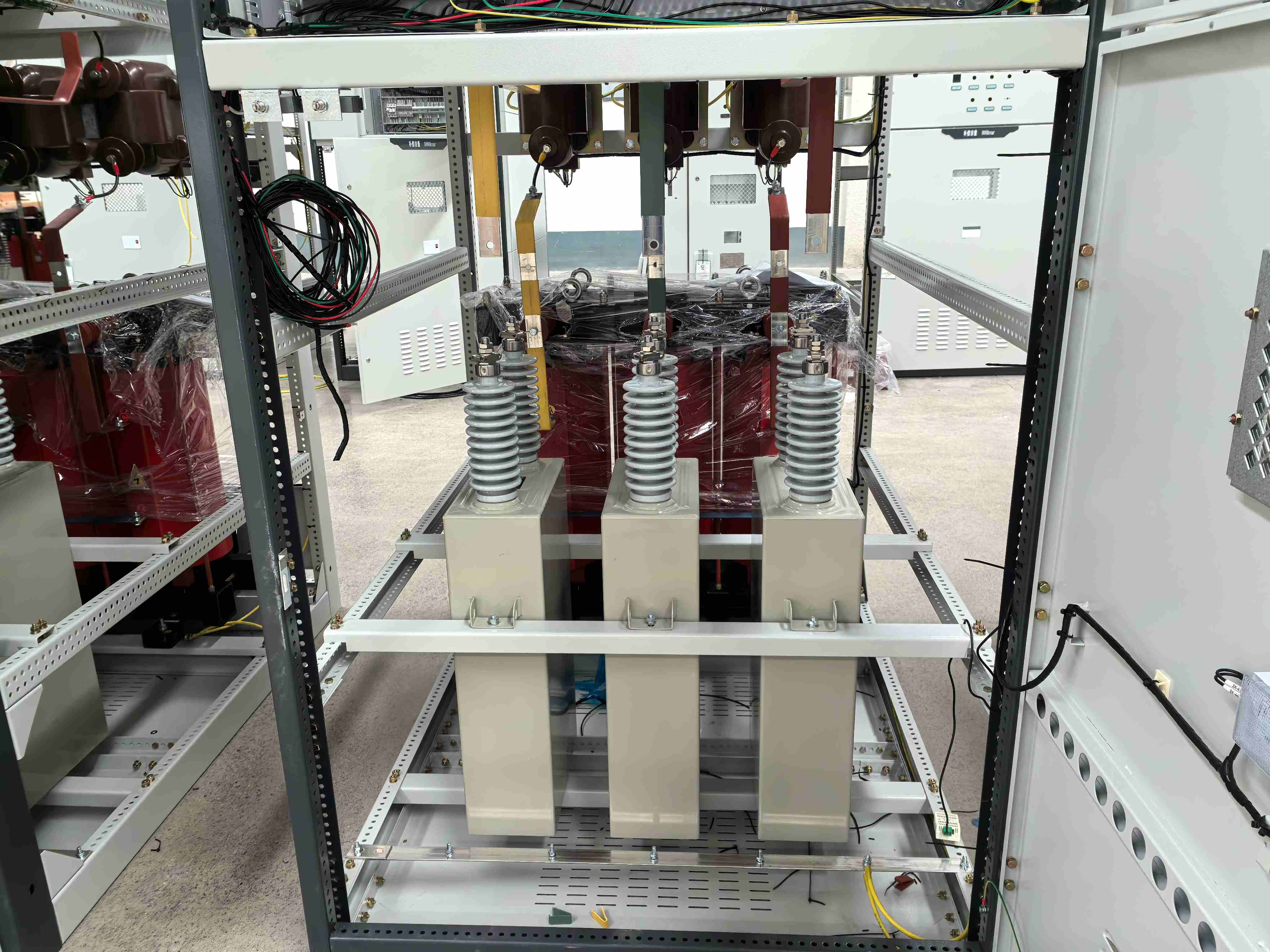
Voltage Transformer: How It Works and Where It Is Used
2026-08-31 16:32:03
A voltage transformer, also called a potential transformer, converts high electrical voltages into lower, standardized values for measurement and protection equipment. This critical device enables safe monitoring of power systems by stepping down primary voltages—often reaching 35kV or higher—to manageable secondary levels around 10kV or 110V. Engineers and procurement managers rely on voltage transformers to ensure accurate metering, relay protection, and grid stability across substations, industrial plants, and renewable energy installations. Understanding how these instruments operate and where they deliver value helps technical teams select equipment that meets accuracy class requirements (0.2S, 0.5, 5P, 10P), fits within switchgear dimensions, and supports long-term operational reliability.


Understanding Voltage Transformers – Working Principle and Construction
Electromagnetic Induction at the Core
Electromagnetic induction is how Voltage Transformers work. An alternating current in the main wire makes a magnetic flux in the core. This flux causes a voltage in the secondary coil that is related to the number of turns. The core material, which is usually amorphous alloy or grain-oriented silicon steel, keeps hysteresis and eddy current losses to a minimum, which keeps the energy efficiency below 0.1W/kg. This idea makes it possible for Voltage Transformers to accurately copy voltage for measuring and safety circuits without using a lot of power.
Construction Elements: Core, Windings, and Insulation
A Voltage Transformer is made up of several important parts that all work together. The magnetic core gives the flux a low-reluctance path, and the voltage ratio is carefully set by windings made of copper or aluminum. Different types of insulation systems have different features. For example, dry-type systems use epoxy resin casting to make fully enclosed electromagnetic structures that are better at resisting moisture and don't need oil maintenance. Even though they are heavier, oil-filled designs are better at cooling and having good dielectric strength for higher voltage classes. To stop partial discharge and guaranty long-term dependability, insulation levels must be able to handle rated impulsive voltages, which for lightning surges can be up to 170kV.
Dry-Type vs. Oil-Filled Designs
There are clear trade-offs between dry-type and oil-filled Voltage Transformers. Dry-type units have small sizes, don't pose a fire risk, and don't need any upkeep for 20 years or more. Because they are sealed in epoxy resin, they have IP65+ ingress protection, which makes them perfect for outdoor substations, coastal areas, and renewable energy sites that get dust, rain, and UV light. On the other hand, oil-filled transformers work best in high-capacity situations where better heat transfer is needed. They need oil tests and leak checks on a regular basis, which raises the total cost of ownership. When choosing between these designs, technical teams have to think about the surroundings, how easy it is to maintain, and how much space they have.
Exploring Voltage Transformer Types and Their Industrial Applications
Electromagnetic, Electronic, and Capacitive Variants
There are three main types of Voltage Transformers, and each one is designed to meet a different set of needs. Most models are electromagnetic, and they use wound coils and magnetic cores to be very accurate and strong. Electronic Voltage Transformers have active circuits and sensors built in. They have digital outputs that work with smart grids and are smaller. For extra-high-voltage uses above 100kV, where electromagnetic designs aren't useful, Capacitive Voltage Transformers (CVTs) use capacitor dividers. The type of transformer that is bought must meet the voltage, output format, and digital input needs of the system.
Functional Differences: Current vs. Potential Transformers
Voltage Transformers lower the voltage so that it can be measured. Current transformers, on the other hand, change high currents into standard 1A or 5A outputs. Potential transformers and Voltage Transformers are both devices used to measure voltage and mean the same thing. On the other hand, isolation transformers do something different: they provide galvanic separation to keep sensitive devices safe from transients and ground problems. By knowing these differences, you can avoid buying the wrong thing and make sure you choose the right device for metering, protection, and isolation tasks in switchgear configurations.
Industrial Applications Across Sectors
Voltage Transformers are used in many different fields with different technical needs. Power companies use 0.2S class units with high accuracy for revenue billing, where even small mistakes can have a big effect on the bottom line. 0.5 class devices are used by distribution networks to keep an eye on the grid and find problems. They send data to SCADA systems so that they can handle things in real time. In places where automation is used, like steel mills, petroleum plants, and factories, Voltage Transformers need to be built to last and be able to handle vibrations, changes in temperature, and electromagnetic interference. Renewable energy installations, like solar farms and wind parks, need designs that are resistant to UV light and corrosion and can work in harsh climates while connecting to inverter-based generation.
Voltage Transformers are used in electrical rooms and distribution panels of commercial buildings to check the quality of the power and find harmonic distortion. To make sure that traction power supplies work safely, rail transportation systems need specialized units. Customized solutions are needed because each application has its own requirements for size, accuracy, amount of insulation, and resistance to weather damage.
Choosing the Best Voltage Transformer for Your Industrial Needs
Critical Selection Criteria
To choose the best Voltage Transformer for your system, you need to look at a number of factors. The voltage rating has to match the main network levels. For medium-voltage distribution, common values are 6kV, 10kV, 20kV, and 35kV. The accuracy class has a direct effect on how reliable a measurement is. Metering circuits need 0.2S or 0.5 class accuracy, while safety switches can handle 3P or 5P accuracy with better transient performance. Ratings for enclosures depend on the environment. Installations outside need IP65+ protection, while switchrooms inside can handle lower ratings. To keep the transformer from overheating and losing accuracy, load demands, which are shown as burden in VA, must not be higher than its rated capacity.
Accuracy's Impact on System Reliability
The accuracy class tells you how closely the secondary voltage matches the main voltage when the load changes. At full load, a 0.2S class Voltage Transformer keeps a voltage mistake of ±0.2% and a phase shift of ±10 minutes. This lets you accurately bill for energy use and analyze power quality. Protection-class units (5P, 10P) put transient reaction ahead of steady-state accuracy to make sure that relays get the right messages when there is a fault. This specification is very important for procurement decisions because choosing the wrong accuracy can lead to billing disputes, missed fault detection, or unnecessary trips.
Dry-Type, Oil-Filled, and Electronic Comparisons
When looking at different types of transformers, dry-type epoxy-cast units have clear advantages for modern installations. They get rid of fire risks, don't need any upkeep, and can handle tough weather conditions without losing their effectiveness. Oil-filled transformers are better at cooling and having a good dielectric strength, but they are more harmful to the environment, need more frequent maintenance, and take up more space. Electronic Voltage Transformers offer digital outputs, lighter weight, and higher accuracy, but they need extra power sources and might not have the track record of electromagnetic designs. When technical teams make buying decisions, they have to weigh the up-front cost, the costs over the product's lifetime, its history of dependability, and how hard it is to integrate.
Spotlight: 35kV Outdoor Voltage Transformer for Demanding Environments
Robust Construction, Smart Grid Integration, and Global Compliance
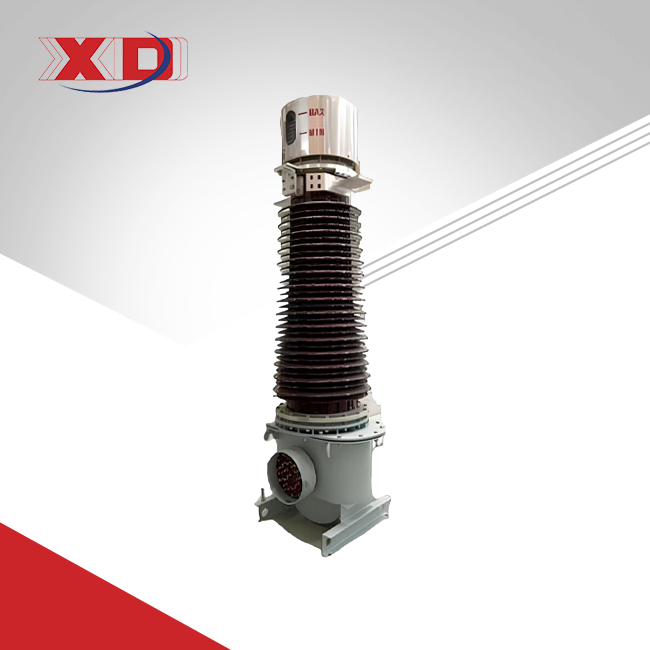
The 35kV Outdoor Voltage Transformer is precise and long-lasting, even in tough conditions, for switchgear makers and OEM developers that work with substations, renewable energy projects, and industrial plants. This totally enclosed, epoxy resin-cast electromagnetic device has a high level of accuracy, a big volume, and stable performance over many years of use.
The transformer takes a primary input of 35kV and gives out a secondary output of 10kV at a frequency of 50/60Hz. This allows for flexible grid integration across regions. Rated main currents of 600A or 800A can handle a range of load rates, and secondary outputs of 5VA or 1A let you connect a number of monitoring and safety devices. Meeting the requirements of GB 20840.2-2014, IEC 61869-1, and IEC 61869-2 guaranties acceptance around the world and approval by government agencies.
Key features solve problems that happen a lot in the industry. The IP65+ cover keeps out dust and water jets, so it works well in rain, snow, and dirty industrial settings. Solar farms and sites in the desert that are exposed to strong sunlight can keep their buildings from breaking down with UV protection. In coastal areas and petrochemical plants where salt spray and chemical exposure can damage equipment, anti-corrosion stainless steel parts make it last longer. With an operating temperature range of -40°C to +55°C, it can work reliably in both cold places like the Arctic and hot places like the tropics.
With choices of 0.2 or 0.5 accuracy classes, the device can be used in a variety of metering and security situations. Low voltage error (±0.5%) makes sure accurate billing and monitoring of grid stability, and low energy loss (below 0.1W/kg) keeps operating costs low over the transformer's 20-year or more life. The epoxy resin casting gets rid of any moisture inside, which stops partial release and gets rid of the need for oil checks or fluid upkeep.
Embedded sensor support makes smart grid ready standard. This lets predictive maintenance programs watch voltage in real time. Integration with SCADA and EMS platforms allows for centralized control and data analysis, which helps operators get the most out of their assets and stop problems before they happen.
Product dependability is based on excellent manufacturing. Every step of the production process is governed by ISO 9001 standards, from finding the raw materials (like high-grade glue and grain-oriented steel) to testing the finished product. For 100% dielectric integrity, robotic casting makes sure there are no holes in the insulation. Three stages of quality checks, such as impulse testing, partial discharge analysis below 5pC, and thermal cycling, confirm that the product meets all requirements. This strict method makes sure that transformers always work well in the field, which lowers the number of guarantee claims and raises customer happiness.
Real-life uses of the transformer show how flexible it is. Industrial plants get rid of power factor penalties and keep the voltage stable for CNC machines and assembly lines. They can also handle surge currents of up to 100 times their rated capacity, which protects against lightning strikes. Substations keep the voltage stable against harmonics and intermittent generation from renewable inverters. This keeps the grid reliable as the use of renewables grows. Older infrastructure in hospitals and shopping malls can be updated by commercial buildings using flame-resistant materials that meet NFPA 70 fire rules and operating at a noise level of less than 45dB.
The working concept uses both well-known electromagnetic induction and cutting-edge materials engineering. For meters and relays, high-voltage signals from the primary winding are stepped down to safer secondary levels. Graded insulation can handle short-term surges of up to 170kV without breaking. A fully enclosed resin structure stops partial releases, which increases the life of the insulation and makes sure that the accuracy stays the same for decades.
Custom design choices let you change voltage ratios, enclosure sizes, and connection types to fit different kinds of switchgear. This gives OEM makers the freedom to meet strict integration standards, make assemblies simpler, and speed up production schedules. Global certifications like CE, ANSI C57.13, and ATEX (for dangerous areas) make it easier to get into markets and follow rules in different parts of the world.
Procuring Voltage Transformers – Where and How to Buy with Confidence
Leading Manufacturers and Product Lines
Voltage Transformers are sold all over the world by well-known brands that are known for quality and new ideas. Siemens makes instrument transformers for medium voltage with digital input choices for the utility and industrial markets. ABB has a wide range of products, from 1kV to 800kV, with a focus on dependability and assistance throughout the product's lifecycle. Schneider Electric focuses on making small designs that are ready for smart grids for modern distribution networks. These companies keep huge collections of product catalogs, technical manuals, and global service networks. This makes buying easier and makes sure that support will be available for a long time.
Regional suppliers and specialized makers work with global names to offer customizable solutions, faster lead times, and prices that are competitive. When purchasing Voltage Transformers, purchasing managers should check certifications (IEC, IEEE, ANSI), ask for type test reports, and look over manufacturing quality systems (ISO 9001, ISO 14001) to make sure the products are reliable and perform consistently.
Custom Manufacturing and Bulk Purchasing Options
OEM makers of switchgear often need custom Voltage Transformer specs, such as voltage ratios that aren't standard, mounting configurations that aren't standard, or multi-winding designs for complicated metering schemes. To meet these needs, leading providers keep engineering teams that can change regular goods or come up with completely new designs. For custom windings, the minimum order number is usually between 50 and 200 units. This is done to balance the cost of the tools with the speed of production.
Bulk purchasing deals save money and protect the supply line. Annual framework contracts with monthly purchase orders make sure that deliveries of transformers are in sync with production schedules for switchgear. This keeps inventory from building up and lowers the need for working capital. Lead times—usually 6 to 12 weeks for standard products and 8 to 16 weeks for custom designs—must be negotiated to make sure that project timelines are met by materials that are available on time. Most warranties last between 24 and 60 months, which shows that the company that made the product is confident in its reliability.
Pricing Factors and Negotiation Strategies
The price of a Voltage Transformer relies on its voltage grade, accuracy class, enclosure type, and the number of units that are ordered. 35kV units are much more expensive than 10kV units because they need more protection and different materials. High-accuracy 0.2 class devices cost more than 0.5 class equivalents because they are made with tighter tolerances and require more testing. Epoxy-cast dry-type transformers usually cost 20–40% more than oil-filled models with the same ratings. This is because they require less upkeep and are better for the environment.
When you negotiate well, you can take advantage of competitive bids, volume agreements, and the chance to form a long-term relationship. By getting quotes from several sellers, you can find the average price in the market. Committing to yearly volumes or multi-year contracts can help you negotiate better terms and may even allow you to get tiered price discounts. Talking about technical support, training, and service after the sale during negotiations is worth more than just the cost per unit. Getting to know the technical sales teams makes it easier to solve problems quickly and get help from application engineers.

Conclusion
Voltage Transformers are important parts of today's electrical infrastructure because they allow correct testing, safety, and management in many fields and situations. Knowing how they work, like electromagnetic induction, core building, and insulation design, helps buying teams choose equipment that meets scientific needs, environmental challenges, and budgetary limits. Knowing the differences between transformer types, accuracy classes, and design variants helps you choose the right device for smart grid, billing, and security. Buying from reputable companies with quality systems that have been tested, the ability to customize, and large support networks lowers risk and increases long-term value. Voltage Transformers with advanced features and strong construction will continue to be important parts of reliable and efficient power distribution as electrical systems move toward digitalization, integrating green energy, and predictive maintenance.
FAQ
1. What distinguishes a voltage transformer from a potential transformer?
The terms "Voltage Transformer" and "potential transformer" both mean the same thing: an instrument transformer that steps down voltage for safety and measurement reasons. Both names apply to transformers that have secondary windings with high impedance that are connected in parallel with the circuit. This is different from current transformers that have secondary windings with low impedance that are connected in series.
2. How do voltage transformers enhance electrical safety?
By separating measurement and protection circuits from high-voltage primary networks, Voltage Transformers make things safer. Technicians can work with low secondary voltages (usually 110V or 100V) without being exposed to dangerous main voltages. This lowers the risk of getting shocked. They also protect linked instruments during short circuits by limiting fault currents through high-impedance windings.
3. What maintenance extends voltage transformer lifespan?
Dry epoxy-cast Voltage Transformers don't need much upkeep. They just need to be visually checked for damage on a regular basis, thermal imaging to find hot spots, and a partial discharge test every 5 to 10 years. Oil-filled units need to have their oil quality, moisture, and leaks checked on a regular basis. Keeping the terminals clean and tight stops them from getting too hot, and checking the load makes sure that the accuracy stays within the limits.
Partner with Xi'an Xikai for Reliable Voltage Transformer Solutions
Xi'an Xikai Medium & Low Voltage Electric Co., Ltd. is ready to help you buy a Voltage Transformer. They have been making them for decades and have a wide range of products. Customized voltage ratios, flexible enclosure designs, and quick prototyping to meet tight project schedules are some of the things that our 35kV outdoor Voltage Transformer seller can do. We offer complete solutions backed by quality systems that are ISO 9001-certified and follow IEC 61869 standards. Our seven main product categories include switchgear, transformers, and circuit breakers, and there are more than 100 different versions of each. Our engineering teams work closely with OEM switchgear manufacturers in China, South Asia, Southeast Asia, and the Middle East to make sure that our products meet State Grid and regional utility standards and fit right into your assembly processes. You can email our technical experts at serina@xaxd-electric.com, amber@xaxd-electric.com, or luna@xaxd-electric.com to talk about your unique needs, ask for samples, or look into our volume price models. You can look through our full catalog of transformers at xaxd-electric.com and learn how our proven reliability, short lead times, and committed support can help your power delivery projects.

References
1. International Electrotechnical Commission. Instrument Transformers – Part 1: General Requirements. IEC 61869-1:2020. Geneva: IEC, 2020.
2. Institute of Electrical and Electronics Engineers. IEEE Standard for Instrument Transformers. IEEE Std C57.13-2016. New York: IEEE, 2016.
3. Zhang, L., & Chen, M. Principles and Applications of Voltage Measurement Transformers in Power Systems. Beijing: China Electric Power Press, 2019.
4. Blackburn, J. L., & Domin, T. J. Protective Relaying: Principles and Applications (4th ed.). Boca Raton: CRC Press, 2014.
5. Kulkarni, S. V., & Khaparde, S. A. Transformer Engineering: Design, Technology, and Diagnostics (2nd ed.). Boca Raton: CRC Press, 2013.
6. National Standardization Administration of China. Instrument Transformers – Part 2: Additional Requirements for Voltage Transformers. GB 20840.2-2014. Beijing: Standards Press of China, 2014.