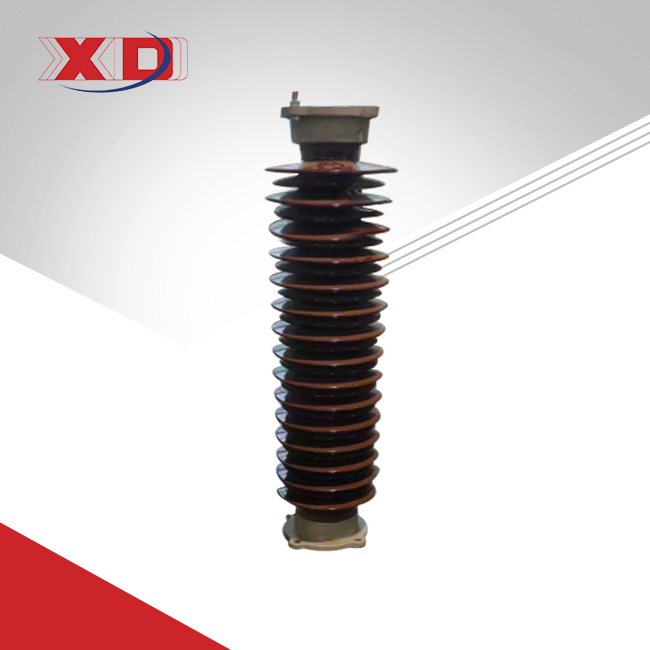
Y10W-102/266W Lightning Arrester Porcelain housed MOA for AC system
What are common applications of self-healing capacitors in electronic devices?
2026-07-15 17:23:57
Power factor correction in industrial plants and voltage stabilization in renewable energy systems are just two of the many electrical uses where Self-healing Capacitors are important. These metallized film capacitors have a special way of fixing themselves that separates dielectric problems automatically. This keeps power distribution networks, motor control systems, and inverter circuits from going down completely. Because they can keep operations going even when things go wrong, they are very useful in places like data centers, factories, and the infrastructure of the power grid, where unplanned downtime can hurt profits and service reliability.
 |
 |
Understanding Self-Healing Capacitors: Technology and Benefits
A persistent problem in electrical systems—the risk of permanent failure from dielectric breakdown—is addressed by the creative design of Self-healing Capacitors. When a small fault appears in the dielectric film, the very thin layer of metal around it evaporates in microseconds, leaving behind an insulating barrier that keeps the damaged area from other parts of the circuit. This cleaning process happens on its own, so the capacitor can keep working without any help from a person.
How the Self-Healing Mechanism Works?
Inside each capacitor, the dielectric material is a polypropylene or polyester film that is covered with a metal layer that is formed in a vacuum and is usually 200 to 500 angstroms thick. When voltage stress breaks down a weak point, an arc discharge happens, which creates a lot of heat in a small area. This energy makes the metallization around it sublimate, which gets rid of the conducting path and restores the shielding. The event is over in less than one millisecond, which stops the problem from spreading through the system.
The fact that these parts can fix themselves is what makes them last longer than 100,000 hours under normal conditions. Traditional foil capacitors don't have this safety feature, so one flaw can cause them to fail completely. As the device heals, a tiny electrode area is removed each time, which means that the capacitance slowly decreases over time. Good designs take this wear and tear into account, so their performance stays within acceptable limits for the whole time they're being used.
Performance Advantages for Critical Infrastructure
When choosing Self-healing Capacitors for their electrical systems, facility managers get a number of useful benefits:
1. Extended Equipment Lifespan: The automatic fault clearing stops failures that would otherwise hurt other machines that are linked. Unexpected power quality events can't happen in factories that use precise CNC equipment or hospitals that use life-support systems. After minor stress events, these capacitors don't need to be replaced because they can handle voltage changes and harmonics.
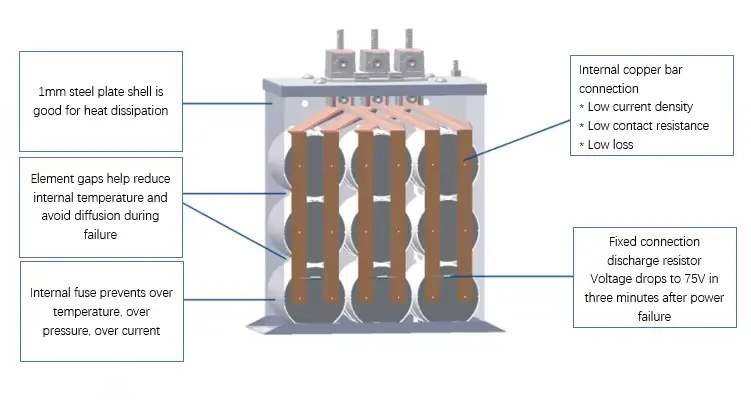
2. Reduced Maintenance Burden: Regular checks are needed on old capacitor banks to find units that aren't working right before they cause problems for the whole system. Because self-healing technology is naturally strong, upkeep times are much longer. When capacitors reach the end of their useful life, built-in pressure disconnectors make sure that the circuit is opened safely and without creating a short-circuit risk.
3. Superior Volumetric Efficiency: The thin metallized construction has a higher capacitance density than foil designs with the same voltage values. Because it takes up less space, this feature is especially useful when upgrading old equipment or making small power distribution units for tight installation spaces.
The practical needs of sites where power quality directly impacts production output, equipment longevity, and safety compliance are in line with these performance characteristics. Total cost of ownership estimates help buying teams show that the initial investment was worth it by showing these technical benefits.
Key Applications of Self-Healing Capacitors in Electronic Devices
Wherever stable reactive power control and voltage stability are essential requirements, Self-healing Capacitors find application. They are used in many different businesses, and each one uses the technology's unique features to solve its own power quality problems.
Inductive loads in factories consume reactive power, causing lagging power factor that triggers utility penalties and reduces infrastructure capacity. APFC panels use Self-healing Capacitors to restore power factor above 0.95. As banks switch based on load tracking, capacitors endure surge currents up to 100x rated value, stressing dielectric layers. Self-healing automatically repairs minor damage from repeated switching, preventing failures that would compromise correction effectiveness. In data centers, UPS systems and VFDs create similar challenges, where single capacitor failure could cascade into power quality issues affecting thousands of servers.
Motor Run Applications and HVAC Systems
Single-phase induction motors require run capacitors for phase shifting during operation. Commercial buildings use hundreds of these motors in air handlers and pump systems, with each capacitor operating continuously under thermal stress above 50°C. Self-healing extends motor life by isolating dielectric weak points formed by thermal cycling or voltage stress. The motor continues running without interruption, avoiding emergency calls during peak cooling demand. Though modern HVAC uses variable-speed drives, millions of older installations still rely on run capacitors where self-healing technology reduces callbacks and service gaps.
Renewable Energy Systems and Grid Integration
Solar and wind systems introduce power quality challenges through inverter switching that creates harmonic distortion. Self-healing Capacitors in DC link positions smooth ripple currents and protect against overvoltage stress. Grid-scale storage systems use capacitor banks for voltage support, with inverters adding or removing megawatts of reactive power. Self-healing provides safety margin, enabling continued operation despite minor capacitor faults. Utilities also employ these units in distribution substations for voltage control, where distributed generation creates bidirectional power flows that challenge traditional regulation methods.
Choosing the Right Self-Healing Capacitor for Your Application
Selection involves balancing electrical specifications, environmental conditions, supply chain factors, and long-term reliability needs. Voltage rating determines maximum continuous potential without degradation. Temperature class defines safe operating environments, with premium grades handling 70°C or higher. Dielectric material choice affects efficiency and moisture resistance. Mechanical design considerations include form factor for installation flexibility and enclosure security ratings for environmental protection. Procurement decisions must weigh upfront cost against lifecycle value, while supplier qualification ensures consistent quality and technical support.
Critical Specification Parameters
Voltage rating must exceed system voltage with margin for fluctuations. The 400V Self-healing Capacitor-cylindrical BKMJ0.46-30-3 operates from 250-525V, with 2000V versions available. Choosing 440V for 400V systems provides headroom. Temperature class determines safe placement, with standard grades up to 55°C. PU resin potting in cylindrical designs enables reliable operation across harsh conditions, from outdoor heat to high-altitude facilities.
Dielectric Material Selection
Polypropylene film capacitors (MKP) offer low dissipation factor below 0.002 and excellent self-healing, making them ideal for motor and power electronics applications. Cooling factor below 0.2W/kvar prevents internal overheating. Polyester film (MKT) provides lower cost where losses are acceptable. Material choice affects electrical performance, moisture resistance, and long-term stability. Quality manufacturers like Xi'an Xikai monitor film sourcing to ensure consistent batch performance.
Mechanical Design Considerations
Form factor affects installation flexibility and thermal management. The BKMJ0.46-30-3's short 242mm height fits constrained vertical spaces. Pre-installed mounting frames and grounding bolts reduce installation time for panel upgrades. IP54-rated cases protect against dust and water spray for outdoor or harsh industrial settings. Flame-retardant properties meeting NFPA 70 fire codes add safety for commercial installations in hospitals, malls, and high-rise buildings.
Spotlight: 400V Self-Healing Capacitor-Cylindrical BKMJ0.46-30-3
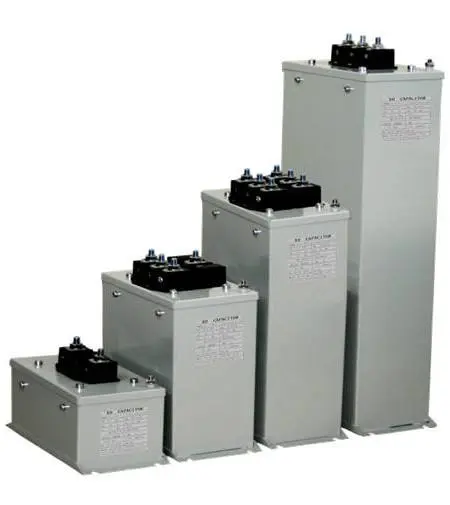
This 30kvar capacitor from Xi'an Xikai meets industrial and commercial power factor correction needs. Metallized polypropylene film construction ensures reliable compensation, while self-healing maintains operation despite faults. The compact cylindrical body stands 242mm tall yet handles 30kvar at 400V. PU resin potting provides vibration damping and moisture protection. Built-in pressure disconnector prevents arc flash hazards by mechanically breaking circuit when internal pressure exceeds safe levels.
Engineering Features That Solve Real Problems
The small 242mm height enables denser correction banks without expanding enclosures. Lightweight construction simplifies mounting. PU resin absorbs mechanical vibrations from nearby equipment, preventing resonance failures in steel mills or mines. Moisture protection prevents corrosion of metallized layers in coastal or tropical climates. The pressure disconnector activates when the capacitor finally fails after decades, creating an open circuit instead of short-circuit hazard, meeting IEC Class S2/S3 safety standards.
Verified Performance Through Rigorous Testing
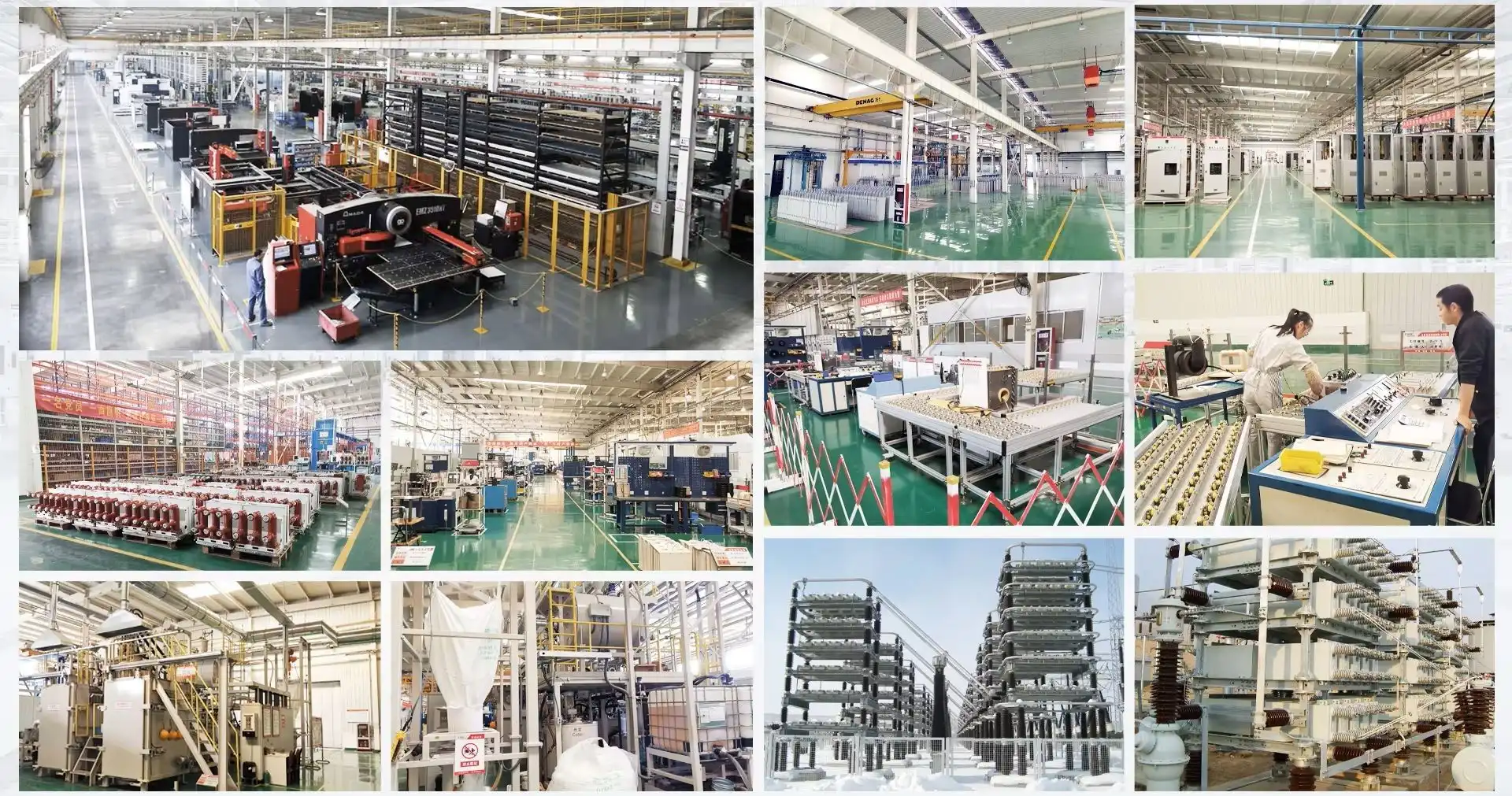
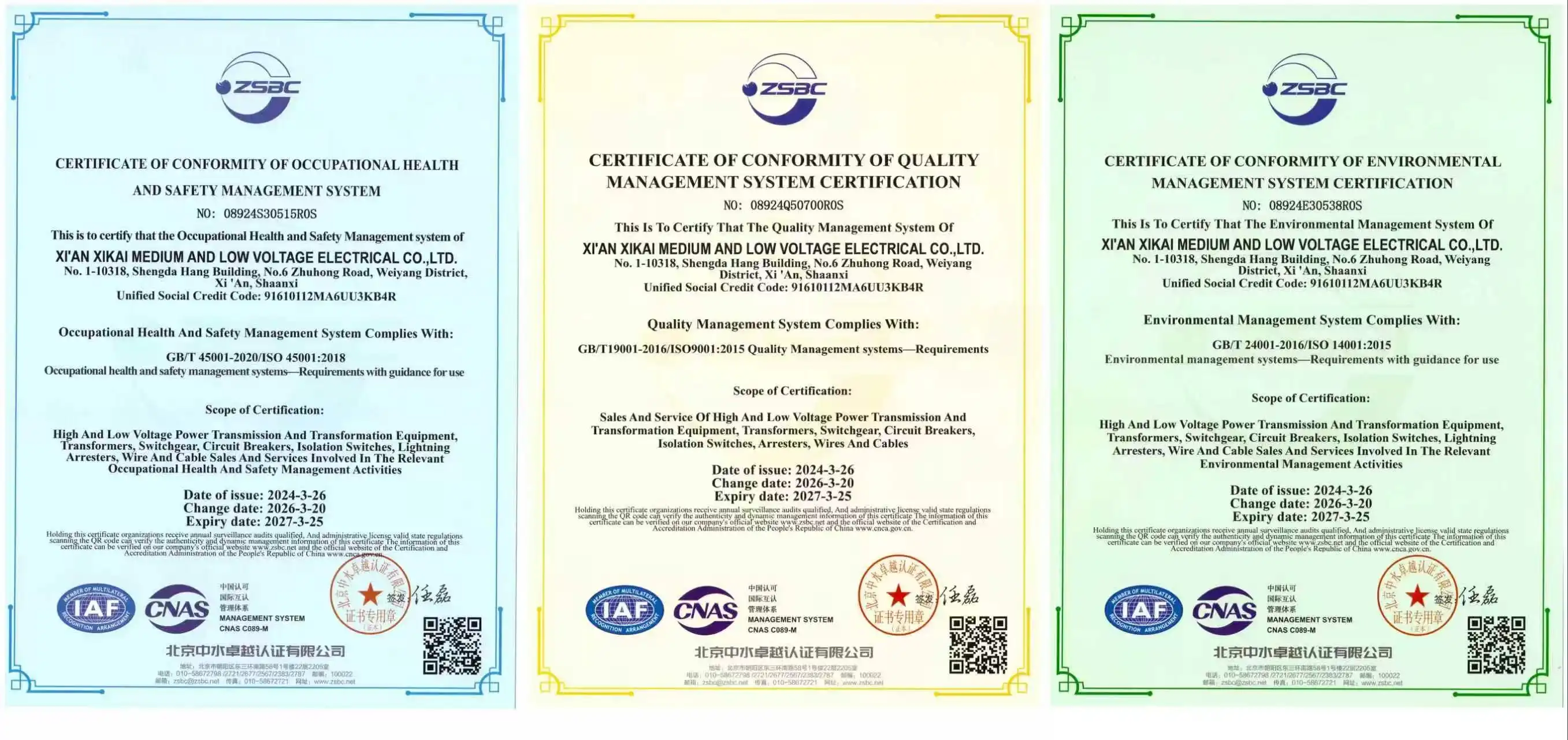
Each unit undergoes 72 hours of continuous load switching at rated voltage and maximum temperature. Impulse testing verifies dielectric withstand against switching spikes and lightning transients up to 100x current. Thermal shock testing cycles units through extreme temperature changes to ensure potting integrity. Xi'an Xikai's 20-year manufacturing experience supports ISO 9001 and 14001 certifications, with products meeting CCC and IEC standards, providing EPC companies with necessary compliance documentation.
Procurement Best Practices for Self-Healing Capacitors
Strategic sourcing must balance component cost against reliability and supply security. Capacitor failures can cause expensive downtime. Reliable manufacturers provide comprehensive datasheets, application notes, and test reports. Xi'an Xikai offers full documentation packages enabling compatibility verification during planning. Preferred supplier agreements ensure consistency across installations and simplify spare parts inventory. Four-week lead times support project schedules, while 10-year warranties demonstrate product durability confidence.
Total Cost of Ownership Calculations
Initial component cost represents only a fraction of lifetime ownership expenses. Installation, commissioning, and maintenance labour accumulates over 15-20 years. Self-healing reliability extends maintenance intervals and reduces emergency replacements. Energy efficiency matters—units with 0.2W/kvar loss save significant electricity compared to 0.5W/kvar alternatives. Over 100,000 hours of operation, these efficiency differences deliver substantial savings that justify higher-quality component investment.
Customization for Specialized Environments
Standard catalogue items suit most applications, but some conditions require modifications. Facilities above 2000 meters need derating or higher voltage ratings due to reduced air insulation. Xi'an Xikai's plateau-type equipment operates reliably up to 4000 meters for mining and hydroelectric sites. High-dust or corrosive atmospheres require enhanced sealing or special coatings. Xi'an Xikai engineers develop custom solutions for harsh Middle Eastern sandstorms or Southeast Asian humidity, based on decades of global field experience.
Future Trends and Innovations in Self-Healing Capacitor Technology
The performance range of metallized film capacitors is still being expanded by breakthroughs in materials science. Nano-enhanced dielectric films with better thermal conductivity and voltage durability are being made by researchers. These films could double the working lifetimes of Self-healing Capacitor devices while also making them smaller. These new ideas will make it possible for capacitor banks to be smaller, which will be useful in places with limited room, like urban substations and charging points for electric vehicles.
Another new feature is the ability to integrate sensors that check for damage. Smart capacitors that can track temperature and capacitance can let building management systems or SCADA networks know how healthy they are. With this predictive maintenance feature, site managers can plan replacements for planned downtime instead of having to deal with problems that happen out of the blue. The data also gives useful information about how the electricity system is stressed, which helps people make better choices about upgrades.
Artificial intelligence is being used more and more in manufacturing processes to check quality in real time during operations like film metallization and rolling. Automatic optical screening systems find tiny flaws that people could miss, making sure that every capacitor fits strict requirements. These quality improvements directly lead to higher field reliability, which means fewer failures related to infant mortality and more accurate predictions of service lives.
Conclusion
Electrical systems in industrial, commercial, and utility settings all rely on Self-healing Capacitors. Their unique ability to automatically fix small problems gives modern operations the dependability they need. The performance and cost benefits of these capacitors can be measured. They are useful for manufacturing plants that want to get rid of power factor penalties and green energy systems that need strong power electronics.
By choosing high-quality parts from well-known brands, projects can meet their performance goals while keeping long-term ownership costs low. As the technology keeps improving, it will be able to do even more in the years to come. This will help build the electrical infrastructure needed for smart grid development, renewable energy integration, and industrial automation.
FAQ
1. Does capacitance decrease over time with self-healing capacitors?
Each self-healing event burns off a small amount of the metallized electrode, which lowers the total capacitance over time. Well-designed units take this into account, so they keep working as expected for the full length of their estimated lifespan. Drops in capacitance of more than 5% usually mean that the device is getting close to its end of life. This gives you time to plan a replacement during regular repair windows.
2. Can these capacitors handle lightning strikes and very high voltages?
The self-healing system works well for short periods of mild overvoltage and small dielectric defects that are spread out. Extremely bad events, like direct lightning strikes, might be too much to clear, which could cause permanent damage. Surge protective devices are put ahead of capacitor banks in a properly designed system to handle high-energy transients. This lets the capacitors handle the normal working stresses they were made for.
3. What maintenance requirements do self-healing capacitors have?
When they are working properly, these parts don't need much upkeep. For worker safety, reviews should be done every three months to make sure that the terminal connections stay tight, that the case doesn't deform in a way that could mean there are problems inside, and that the discharge resistors work properly. During energized inspections, thermal imaging can show which units are running hotter than their neighbors, which could mean that their performance has dropped and they need to be replaced.
Partner with Xi'an Xikai for Reliable Self-Healing Capacitor Solutions
With their tried-and-true metallized film capacitor technology, Xi'an Xikai Medium & Low Voltage Electric Co., Ltd. is ready to help you improve power quality and use less energy. Our engineering team has 20 years of experience designing and making Self-healing Capacitor solutions for the toughest jobs around the world, from high-altitude settings to tropical coastal areas.
We provide procurement managers and EPC firms with the quality paperwork, technical support, and supply reliability they need, whether they need 30kvar units for instant retrofit projects or custom-engineered solutions for unique uses. Send an email to serina@xaxd-electric.com, amber@xaxd-electric.com, or luna@xaxd-electric.com to talk about your needs. As a top producer of Self-healing Capacitors, we offer low prices on large orders and fast shipping within four weeks. Our products are also covered by full 10-year warranty.
References
1. IEEE Standard 18-2012, "IEEE Standard for Shunt Power Capacitors," Institute of Electrical and Electronics Engineers, New York, 2012.
2. Johnson, M. and Williams, R., "Metallized Film Capacitor Technology for Power Electronics Applications," Journal of Electrical Engineering and Technology, Vol. 14, No. 3, 2019, pp. 1187-1198.
3. International Electrotechnical Commission, "IEC 60252-1: AC Motor Capacitors - Part 1: General Performance, Testing and Rating," Geneva, Switzerland, 2013.
4. Chen, L., "Self-Healing Mechanisms in Metallized Film Capacitors: Theory and Applications," Power Quality and Reliability Engineering, Vol. 28, 2020, pp. 445-462.
5. National Electrical Manufacturers Association, "NEMA CP1-2017: Shunt Capacitors," Rosslyn, Virginia, 2017.
6. Anderson, P. and Thompson, K., "Power Factor Correction in Industrial Distribution Systems: Component Selection and System Design," Industrial Power Systems Technical Conference Proceedings, 2021, pp. 89-103.