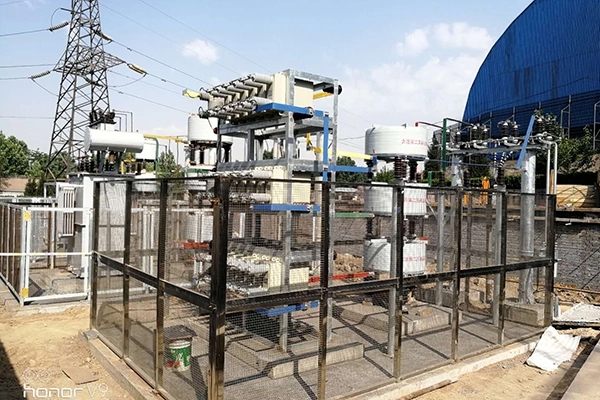
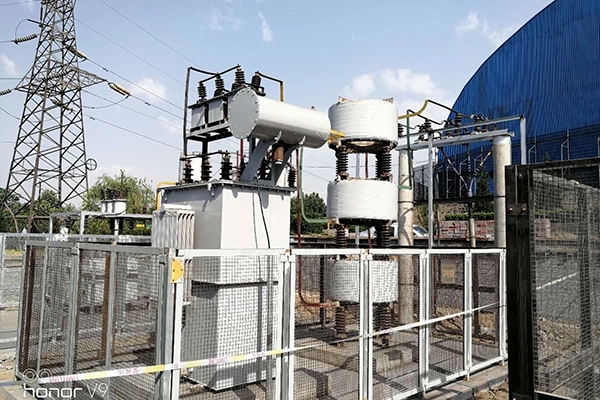
What is an Active Harmonic Filter and How Does It Work?
2026-03-02 16:24:59
Advanced power electronics devices like active harmonic filters monitor electrical systems and inject precisely controlled currents to eliminate harmonic distortion in real time. Active harmonic filters analyze the harmonic spectrum and generate compensating currents using sophisticated signal processing and adaptive control algorithms, unlike passive filters. Intelligent current compensation and real-time monitoring mitigate nonlinear load effects, reduce reactive power consumption, and stabilize voltage across industrial and commercial electrical networks to optimise power quality.
 |
 |
 |
Understanding Active Harmonic Filter Technology
The Function of Active Harmonic Filters
Harmonic mitigation has transformed power quality management in modern electrical systems. Power electronics breakthroughs like active harmonic filters use advanced microprocessors and intelligent algorithms to solve industrial harmonic distortion problems.
Active Harmonic Filter Operation
These advanced devices sample the electrical network continuously using high-speed analog-to-digital converters. The embedded control system calculates Fourier transforms to identify harmonic frequencies. After detection, the filter generates precisely calibrated compensating currents 180 degrees out of phase with the harmonics to cancel them out.
Active Technology Benefits
Adaptability makes active technology beautiful. Active harmonic filters adapt to real-time conditions, unlike passive filters that target specific frequencies. This dynamic approach avoids resonance and works well in low-voltage and variable load conditions.
Implementing Machine Learning
Active harmonic filters today use machine learning algorithms for pattern recognition. Based on historical data, these systems anticipate power quality issues and adjust compensation strategies. This predictive approach reduces equipment stress and extends sensitive machinery lifespan.
The Critical Problems Active Harmonic Filters Solve
Impact on American Industry Costs
American industries lose billions to equipment failures, production downtime, and energy penalties due to power quality issues. Nonlinear loads like variable frequency drives, LED lighting, and computer equipment inject harmonic currents into electrical networks, causing operational efficiency issues.
Harmonic Distortion Signs
Harmonic distortion affects your bottom line in many ways. Hotter, less efficient motors require more maintenance and use more energy. Heat reduces transformer lifespan and requires oversizing for harmonic content. Distorted voltage waveforms cause early failure of electronic equipment.
Manufacturing Facility Challenges
Harmonic distortion is especially problematic in manufacturing. Variable voltage causes CNC machines to lose precision, resulting in scrapped parts and production delays. Harmonic interference in control signals causes communication errors and unexpected shutdowns in assembly line automation systems.
Effects on Data Centers
Data centers are another critical application where power quality affects business continuity. Harmonic distortion can corrupt data, cause server instability, and increase cooling needs. Harmonic mitigation is essential for competitive operations because even brief outages can cost millions.
Utility Companies and Grid Stability
Utility grid stability suffers as renewable energy integration increases. Active harmonic filters manage harmonic content from wind and solar inverters, ensuring reliable power delivery and supporting sustainable energy.
Core Features & Advanced Functionality Analysis
Dynamic Harmonic Suppression
Dynamic harmonic suppression is the hallmark of modern active harmonic filters. This allows real-time load adaptation, ensuring power quality regardless of operational variations. The system monitors up to 50 harmonic orders simultaneously, protecting against all major distortion sources.
Grid Fluctuation Resistance
Resistance to grid fluctuations is another major benefit. Utility voltage and grid impedance change often cause power quality issues for traditional solutions. Active harmonic filters automatically adjust their compensation algorithms to perform well across wide voltage ranges.
Energy Cost Cut
Facility operators immediately value energy cost reduction. Devices that eliminate harmonic currents reduce system losses and improve power factor. Many installations reduce energy use by 5-15% and eliminate utility power factor penalties that cost thousands per month.
The Modular Design Philosophy
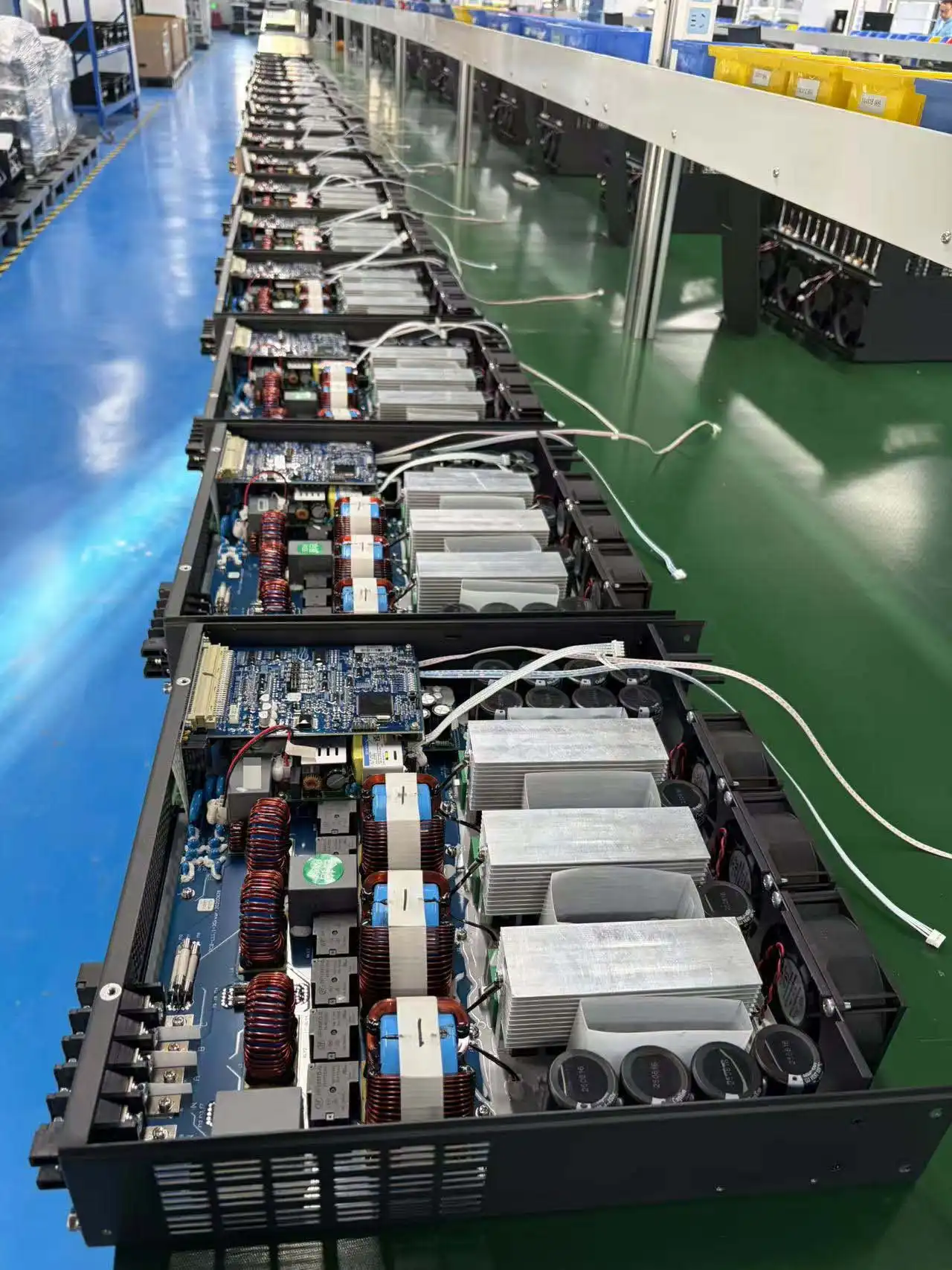
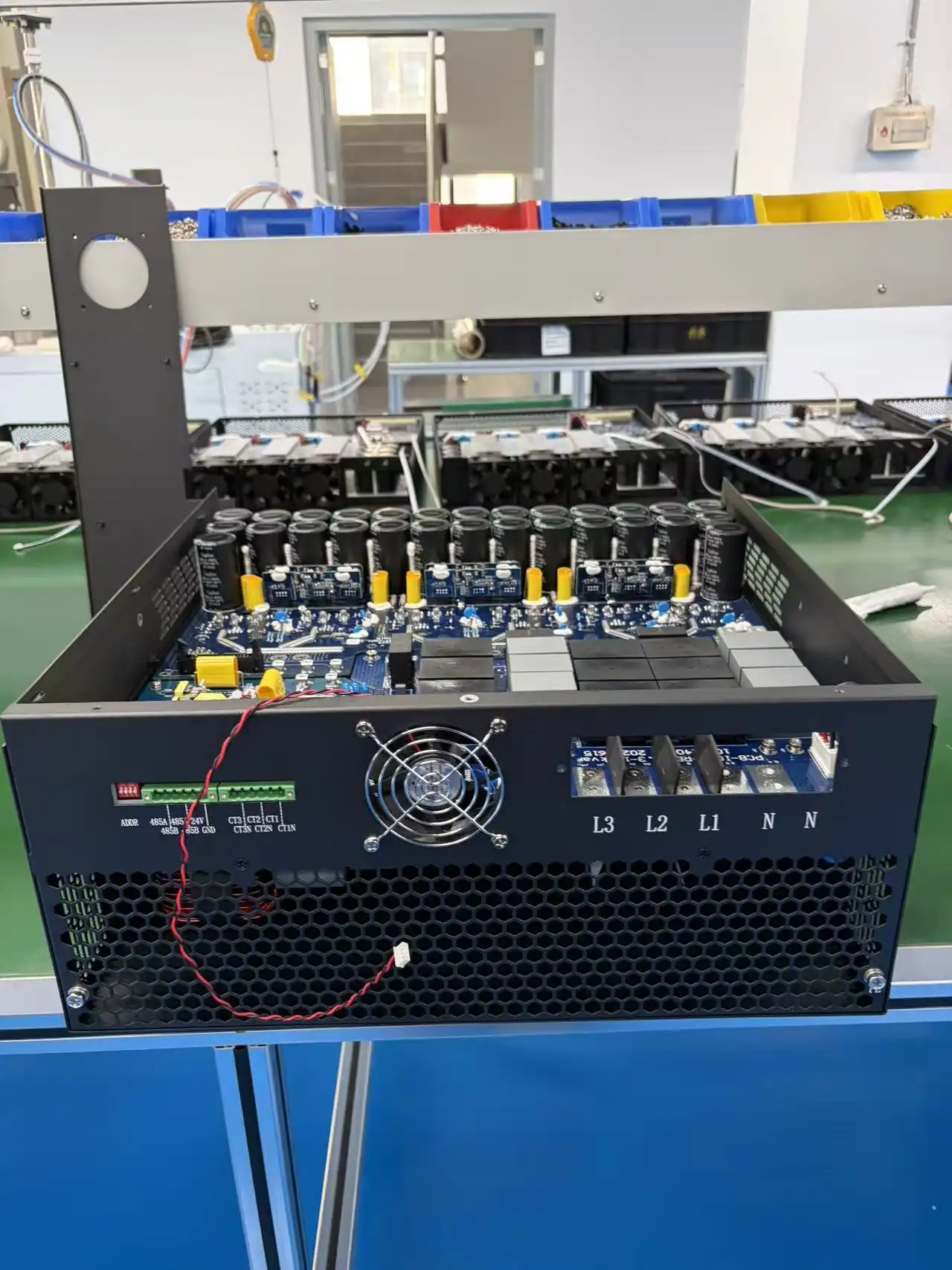
Modular design lets you scale with your facility. Rack-mounted configurations fit seamlessly into electrical panels, while wall-mounted options are flexible for small spaces. Phased implementation strategies that spread capital investment are possible with modularity.
Ability to balance loads
Load balancing solves neutral current issues in three-phase systems with single-phase loads. The active harmonic filter automatically redistributes currents to reduce neutral conductor stress, reducing fire risks and improving system reliability.
Algorithms for adaptive control
Intelligent adaptive control algorithms enable superior performance. These systems optimize response patterns based on operating conditions. Neural networks analyse massive operational data to find subtle patterns that humans miss.
Advanced Technology Deep Dive
Power Electronics and DSP
Active harmonic filters use advanced power electronics and digital signal processing. Compensating currents are generated by high-speed IGBTs (insulated gate bipolar transistors) with microsecond timing.
Advanced Computing
Digital signal processors use complex mathematical algorithms to decompose electrical waveforms into harmonics. Fast Fourier Transform calculations thousands of times per second enable instantaneous response to changing conditions. The system can accurately distinguish fundamental current and harmonic content due to its computational power.
Continuous Feedback System
A closed-loop control system with continuous feedback from current sensors ensures optimal compensation. In harsh industrial environments where electromagnetic interference may affect lesser systems, these sensors use advanced magnetic materials and shielding to maintain accuracy.
Effective Output Stage
The output stage generates precise compensation currents using pulse-width modulation. This method achieves harmonic cancellation ratios over 95% while being efficient. Advanced switching patterns reduce the device's harmonic generation, preventing new issues from arising.
Planning Predictive Maintenance
Data analytics enable predictive maintenance to reduce unexpected failures. The system continuously monitors its performance parameters and alerts operators to potential issues before they affect operations. This proactive approach cuts maintenance costs and boosts system reliability.
Smart Grid Integration
Smart grid integration makes these devices essential to future electrical networks. Communication protocols support advanced demand response and distributed energy resource management by coordinating grid devices.
Key Advantages That Drive ROI
Return on Investment
Financial benefits go beyond energy savings, giving facility operators compelling ROI. Cleaner power extends service intervals and component lifespans, lowering maintenance costs. Facilities that implement comprehensive power quality solutions often receive premium discounts from insurance companies.
More uptime
Improved operational uptime boosts productivity and revenue. Active harmonic filters significantly reduce unexplained equipment trips and production interruptions in manufacturing plants. Higher availability ratings help data centers meet service level agreements with demanding customers.
Compliance with regulations
When power quality exceeds industry standards, regulatory compliance is easy. IEEE 519 compliance keeps your facility within harmonic limits, avoiding utility penalties and maintaining power provider relations.
Ecological sustainability
Environmental benefits reduce operational costs and support corporate sustainability. High power factor and low losses lower carbon footprints and boost ESG ratings. These factors increasingly affect customer purchases and investor ratings.
Benefits of Scalability
Scalability lets systems adapt to changing facilities. Expanding operations or adding equipment doesn't require power quality system redesigns. Modular architectures protect investments while growing.
Improved Diagnostics
Diagnostics enable unprecedented electrical system performance visibility. Preventive maintenance reduces costs and downtime by detecting issues in real time.
Practical Limitations & Implementation Considerations
Planning and Coordination
Installation must be planned and coordinated with electrical systems. Sizing calculations ensure adequate compensation without overengineering. Professional installation and commissioning optimize performance and safety.
Budgeting and ROI Justification
Initial investment costs need budgeting and ROI justification. Considering all benefits, comprehensive financial analysis typically shows 1-3 year payback periods. Energy savings, maintenance savings, and productivity gains make compelling economic cases.
Space Needed
Space needs depend on configuration and system capacity. Wall-mounted units need ventilation and maintenance. Rack-mounted solutions fit into panels but may need modifications for additional components.
Scheduled maintenance
Maintenance schedules must include component replacement and calibration. Quality systems require little maintenance, but proactive service ensures long-term success. Facility staff must be trained to operate and maintain systems.
Environmental Concerns
Environment impacts performance and longevity. Special considerations are needed for high temperatures, humidity, and corrosion. Quality manufacturers offer options for harsh industrial environments.
Integrating Complexly
Integration becomes more complicated when multiple power quality devices operate in a facility. Effective coordination prevents interactions that reduce effectiveness or cause new issues.
Active Harmonic Filters vs Traditional Power Quality Solutions
Passive Filters
The traditional harmonic mitigation method uses passive filters with fixed inductors and capacitors tuned to specific frequencies. Passive solutions are cheaper but have many drawbacks that active technology overcomes. Under certain conditions, resonance risks can amplify harmonics, worsening problems.
Static VAR Compensators
Active harmonic filters are more precise and adaptable than static VAR compensators for reactive power compensation. These systems cannot address all power quality issues modern facilities face, limiting their effectiveness in dynamic environments.
Power-factor capacitors
Power factor correction capacitors only correct reactive power's fundamental frequency. They cannot eliminate harmonic distortion and may worsen power quality with nonlinear loads, complicating facility operations.
Transformer Isolators
Isolation transformers with special windings reduce harmonic orders but are expensive and space-intensive. They cannot improve power quality like active harmonic filters, making them unsuitable for many applications.
Line Reactors
Line reactors reduce harmonics but cannot protect sensitive equipment. They also cause voltage drops that can affect equipment operation, reducing system reliability.
Cost Comparison
Multiple traditional solutions cost more than one active harmonic filter and perform worse and require more maintenance. This shows the economic benefits of long-term power quality management with advanced active harmonic filtering technology.
Target Applications & Ideal Implementation Scenarios
Manufacturing Facilities
Active harmonic filters greatly benefit automated manufacturing facilities with variable frequency drives. CNC machining centers, robotic assembly lines, and process control systems work better with clean power. Energy-intensive operations like steel mills and aluminum smelters save money by improving efficiency.
The Data Center
Data centers are ideal for power quality-dependent business continuity. Server farms, telecom facilities, and cloud computing centers need high-quality power to stay online. Harmonic mitigation avoids costly equipment failures and ensures uninterrupted operations.
Health Care Facilities
Diagnostic equipment in hospitals needs clean power to work properly. Harmonic mitigation helps MRI, CT, and lab equipment. Power quality is crucial for patient safety and diagnostic accuracy in these environments.
Educational Institutions
Computer labs and research facilities need reliable power. Better learning and advanced research are supported by lower maintenance costs and equipment reliability in universities and technical schools.
Commercial Buildings
Harmonic mitigation greatly benefits mixed-load commercial buildings. Office buildings, shopping centers, and hotels have equipment that creates and suffers from harmonic distortion. Power quality and operational efficiency are improved by active harmonic filters.
Sewage and Water Treatment plants
Clean power powers large motor drives and control systems in water and sewage plants. Improved reliability reduces maintenance costs and ensures regulatory compliance for essential services, improving critical infrastructure management.
Conclusion & Future Industry Outlook
Active harmonic filter technology is a mature, proven solution for power quality issues that will worsen with electrical system complexity. Harmonic mitigation becomes necessary due to renewable energy sources, automation, and sensitive electronic equipment. Smart grid and Industry 4.0 initiatives will increase demand for advanced power quality solutions that can adapt to rapidly changing electrical environments and optimize system protection.
Frequently Asked Questions
Q1: How quickly does an active harmonic filter respond to changing load conditions?
A: Modern active harmonic filters respond to harmonic changes in one-half electrical cycle (8 milliseconds in 60Hz systems). Advanced systems use predictive algorithms to anticipate load changes and compensate faster. Even in dynamic loads like welding equipment or motor drives with frequent start-stop cycles, this rapid response ensures continuous protection.
Q2: Can active harmonic filters work effectively with renewable energy systems?
A: Solar inverters and wind turbines can introduce harmonic distortion, so active harmonic filters are ideal. These devices automatically adjust to renewable harmonic content while maintaining grid stability. Many utility companies require harmonic mitigation for large renewable installations, making active filters essential for sustainable energy projects.
Q3: What maintenance is required for active harmonic filter systems?
A: Good active harmonic filters only need annual connection inspections, cooling system cleaning, and performance parameter checks. Other power quality devices have mechanical wear components, but the solid-state design does not. Most systems self-diagnose to warn operators of potential issues before they affect performance, enabling predictive maintenance to reduce costs and downtime.
Partner with Xi'an Xidian for Superior Harmonic Mitigation Solutions
Xi'an Xidian is a leading active harmonic filter manufacturer with decades of electrical engineering experience and cutting-edge technology. Advanced signal processing algorithms and rugged construction make our active harmonic filter solutions reliable in the toughest industrial environments. Our products meet the highest international quality standards with ISO 9001, ISO 14001, and UL and CE approvals.
Our engineers assist with assessment, installation, and maintenance. We know American industrial facilities' unique challenges and design solutions that maximize ROI and reliability. Contact us at serina@xaxd-electric.com, amber@xaxd-electric.com, and luna@xaxd-electric.com for expert advice on implementing active harmonic filter technology in your facility.
References
1. Institute of Electrical and Electronics Engineers. IEEE Standard 519-2014: IEEE Recommended Practice and Requirements for Harmonic Control in Electric Power Systems. New York: IEEE Press, 2014.
2. Arrillaga, Jos and Neville Watson. Power System Harmonics, 2nd Edition. Chichester: John Wiley & Sons, 2003.
3. Rashid, Muhammad H. Power Electronics Handbook: Devices, Circuits, and Applications, 4th Edition. Burlington: Butterworth-Heinemann, 2017.
4. Fuchs, Ewald F. and Mohammad A.S. Masoum. Power Quality in Power Systems and Electrical Machines, 2nd Edition. Amsterdam: Academic Press, 2015.
5. Dugan, Roger C., Mark F. McGranaghan, Surya Santoso, and H. Wayne Beaty. Electrical Power Systems Quality, 3rd Edition. New York: McGraw-Hill Education, 2012.
6. Singh, Bhim, Kamal Al-Haddad, and Ambrish Chandra. A Review of Active Filters for Power Quality Improvement. IEEE Transactions on Industrial Electronics, Vol. 46, No. 5, October 1999.