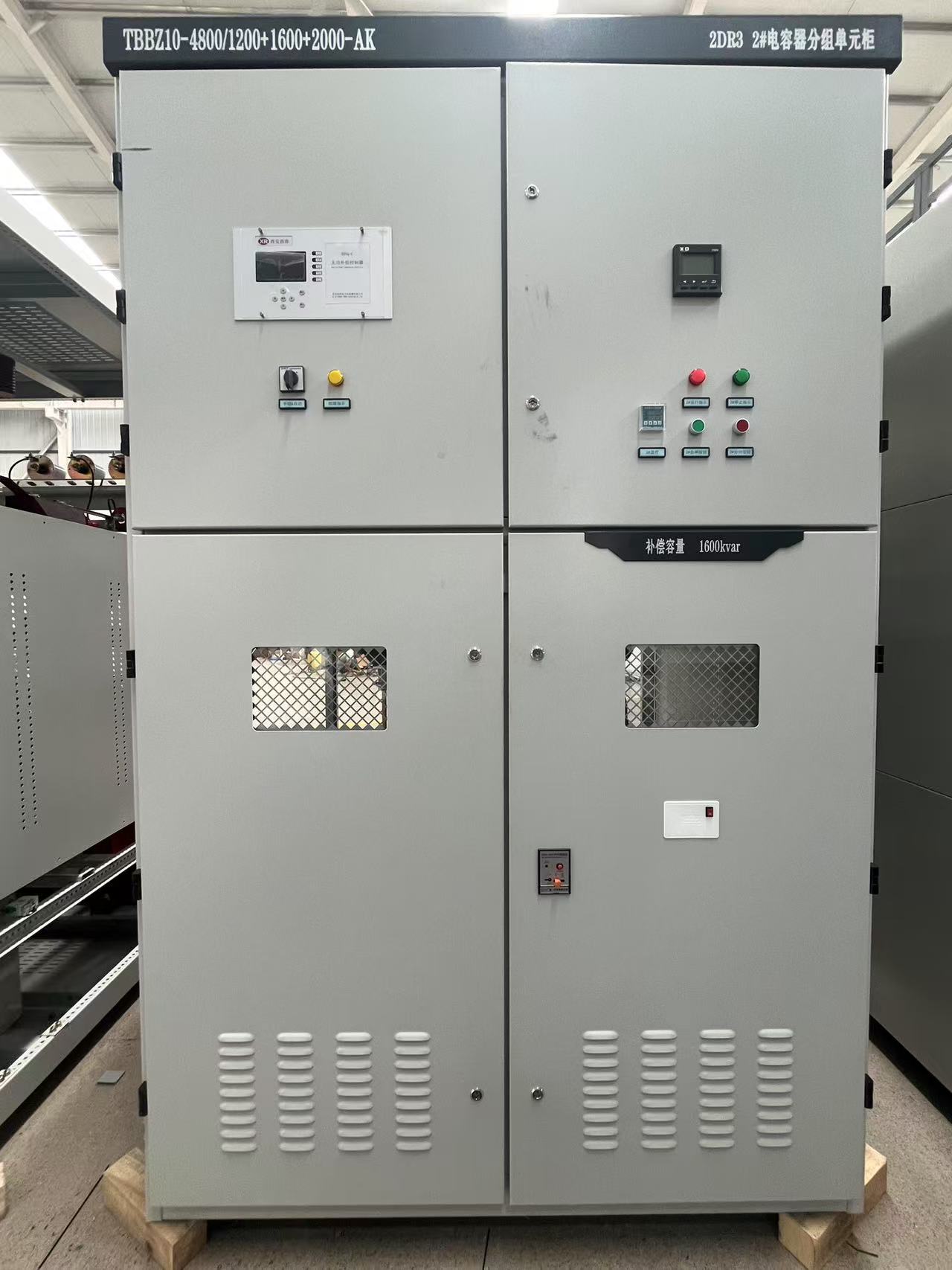
What is the working principle of a Filter Reactor?
2026-04-09 15:47:24
A Filter Reactor operates as a specialized inductive component connected in series with capacitor banks within power factor correction systems. Its working principle centers on creating a deliberately tuned LC circuit that shifts the system's resonant frequency below the lowest significant harmonic frequencies present in the electrical network. By establishing this high-impedance barrier at harmonic frequencies while permitting fundamental frequency currents to flow unimpeded, the device prevents destructive resonance between capacitors and grid inductance, protecting critical equipment from voltage amplification and premature failure.

Introduction
Problems with power quality are becoming more of a problem in factories, data centers, hospitals, and utility companies all over the United States. As variable frequency drives, rectifiers, and switching power supplies make electrical loads less linear, harmonic distortion threatens the dependability of equipment, raises energy costs, and puts operations at risk. Understanding harmonic mitigation technology used to be a nice-to-have technical thing to do, but now it's a basic requirement for buying things.
In this situation, Filter Reactors have become very important for protecting the infrastructure that moves electricity. It's getting harder and harder for procurement managers, facility engineers, and system integrators to come up with solutions that improve power quality, make equipment last longer, and give a clear return on investment. To make smart buying decisions, you need to know more than just the basics about different products. You need to fully grasp how they work and what they mean in real life.
This book gives people who work in procurement a thorough look at harmonic filtering technology, covering everything from basic electromagnetic theory to real-life examples of how it can be used. We look at how these specialized inductive parts work with the electricity that's already there, how well they work compared to older methods, and how they can really help businesses in a range of industrial settings. You can use this resource to learn the technical information you need to make confident, cost-effective procurement decisions, whether you're looking at specifications for a new installation or fixing power quality problems in existing buildings.
Understanding the Core Working Principle of a Filter Reactor
Fundamental Definition and Purpose
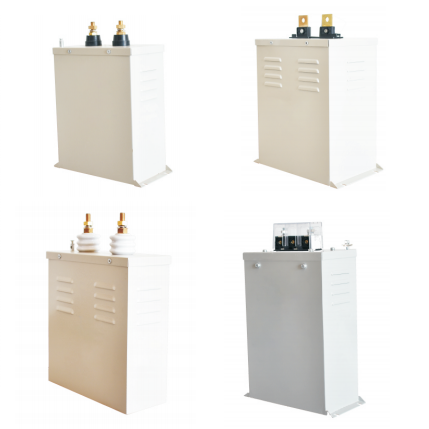
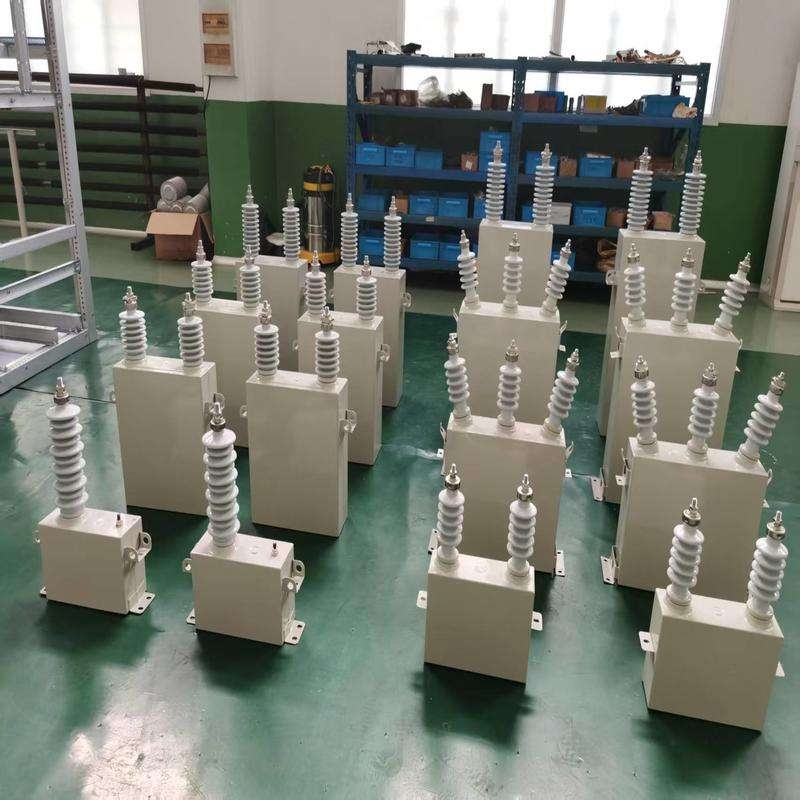
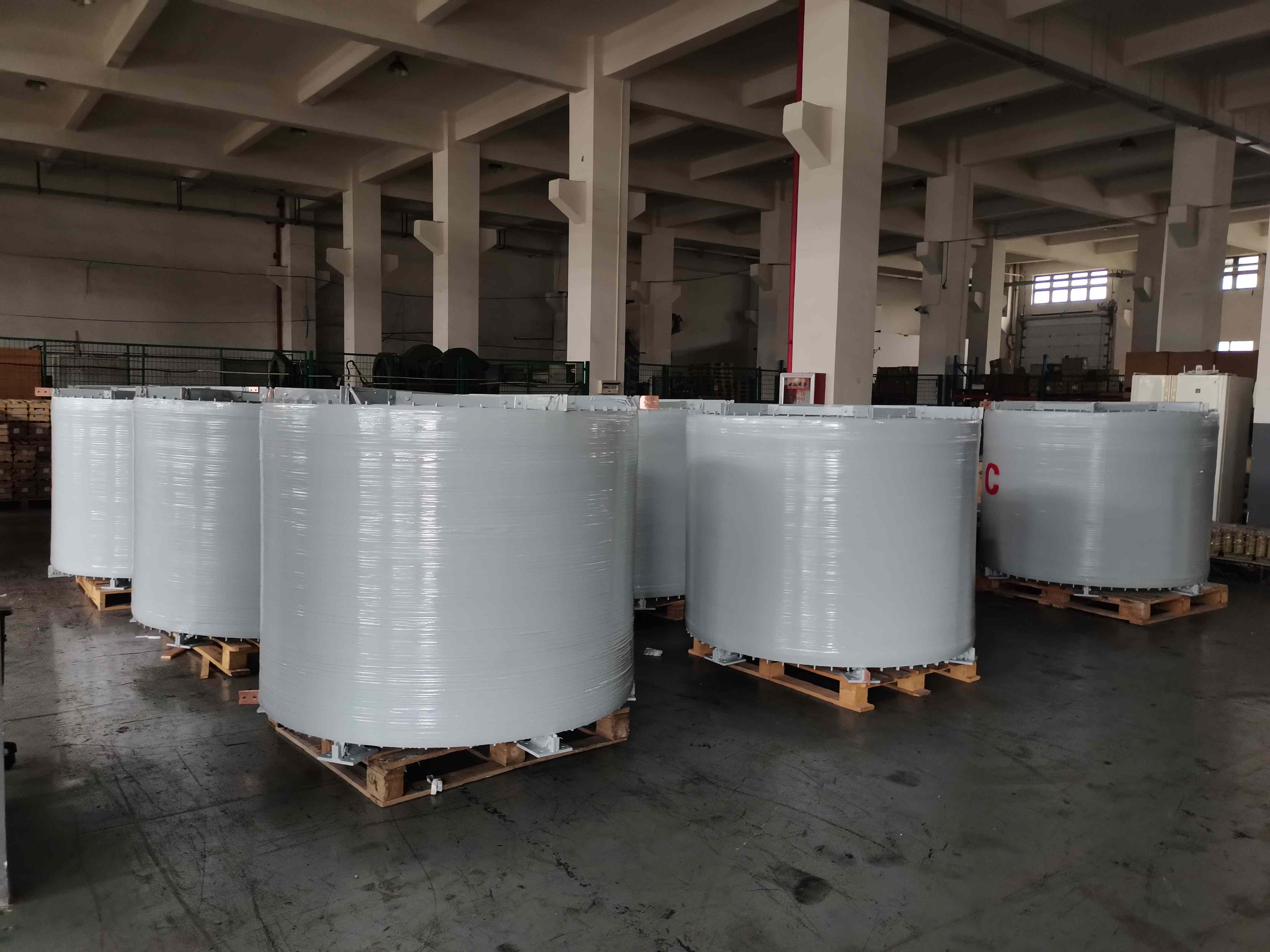
Filter Reactors are specialized inductive devices for medium and low-voltage systems. They use precisely wound copper around engineered iron cores to create controlled inductive impedance. Unlike general-purpose inductors, they reduce harmonics in capacitive power factor correction systems, preventing harmful amplification from interactions between capacitor banks and non-linear loads like variable speed drives or UPS systems.
The Resonance Detuning Mechanism
These reactors shift the system’s natural resonant frequency to avoid harmonic amplification. By adding calculated series inductance, the resonant point moves below significant harmonic frequencies. Common designs include 7% for 5th-order, 14% for 3rd-order, and 27% for 2nd-order harmonics. This detuning prevents resonance at dangerous frequencies, protecting capacitors and downstream equipment.
Physical Construction and Materials Science
High-performance reactors use cold-rolled grain-oriented silicon steel cores with laminated segments and epoxy-glass fiber spacers to stabilize air gaps. Flat enamel-coated copper conductors with Class H or C insulation improve heat dissipation. The wound assembly is vacuum-filled with thermosetting epoxy, creating a rigid, vibration-resistant structure that minimizes partial discharge and noise.
Electrical Operation in Power Systems
At fundamental frequencies, reactors add minimal impedance, allowing capacitors to compensate reactive power efficiently. At harmonic frequencies, inductive reactance rises, creating high-impedance paths that block harmonic currents. This selective frequency response protects capacitor banks and upstream systems, maintaining power factor benefits while mitigating harmonic-related stress on the electrical network.
Advantages and Benefits of Using a Filter Reactor in Industrial Applications
Equipment Protection and Lifespan Extension
Harmonic voltages accelerate capacitor aging by increasing peak electric field stress in the dielectric. Over time, this breaks molecular bonds, lowering insulation resistance and shortening service life to 30–40% of the rated lifespan. Filter Reactors block harmonic currents, reducing stress on capacitors and upstream devices, extending lifetimes to 15–20 years and lowering maintenance and replacement costs across the power system.
Operational Cost Reduction
Harmonic currents cause extra heating in transformers, cables, and busbars, wasting energy and reducing equipment capacity. Filter Reactors limit these parasitic losses, improving efficiency by 2–5% in industrial plants. This energy saving quickly offsets equipment costs, while cooler operation extends transformer and cable life and reduces the demand on HVAC and cooling systems, generating further operational benefits.
Power Quality and Process Reliability
Harmonic resonance distorts voltage, impacting sensitive equipment like PLCs, drives, and instrumentation. Detuned capacitor systems keep distortion within IEEE 519 limits, improving process uptime. Factories experience 20–40% fewer unexplained trips or faults, reducing costly unplanned downtime and increasing reliability, which delivers measurable financial benefits over the long term.
Real-World Application Examples
Automotive plants using welding robots, data centers, and VFD-driven water treatment systems benefit from 7% or 14% detuned reactors. Capacitor lifespans increase from 2–3 years to 12–15 years, voltage distortion drops, and energy costs decrease. These installations show that harmonic mitigation is essential for operational reliability, long-term savings, and protection of sensitive equipment in critical industrial and public infrastructure applications.
Comparing Filter Reactor Technology with Traditional Filtration and Reaction Methods
Limitations of Conventional Approaches
Older capacitor banks were switched in steps to maintain power factor, but lacked harmonic protection. Without safeguards, capacitors couldn’t prevent resonance, risking amplification from variable speed drives and electronic loads. Facilities often reacted by de-rating or disconnecting banks, losing correction benefits and facing utility penalties. Retrofitting with active filters or redesigns was costly and less effective than proactive harmonic mitigation.
Integrated Protection Advantages
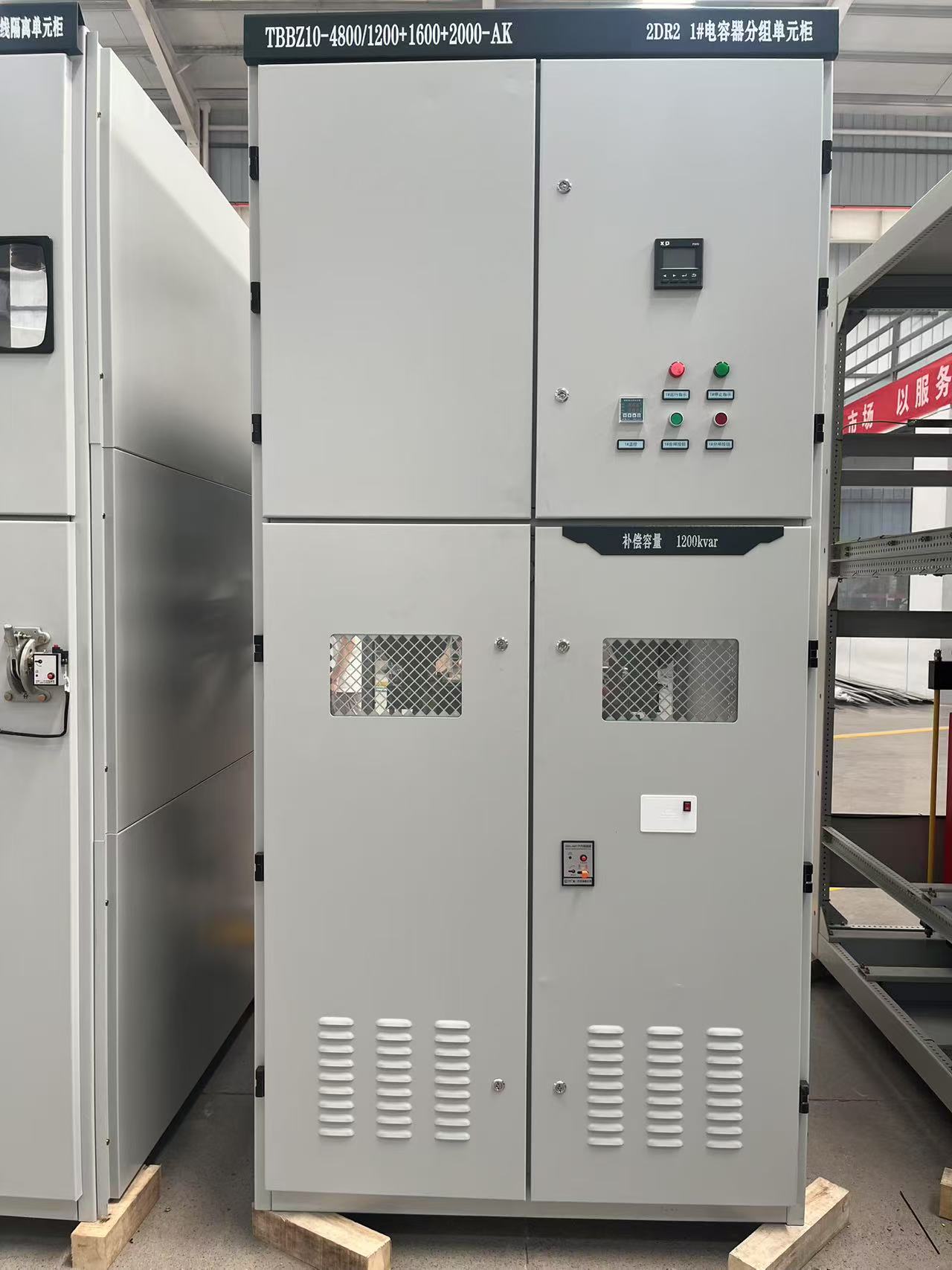
Modern detuned solutions combine reactive power compensation and harmonic protection in one unit. Series-connected inductive and capacitive elements provide automatic, fail-safe protection. Compact, panel-mount designs reduce installation space, simplify system design, and allow direct integration into standard PFC panels, improving power quality without major infrastructure changes.
Performance Metrics Comparison
Detuned capacitor installations last 5–8 times longer than unprotected systems, reducing replacement and maintenance costs. Optimized Filter Reactor designs have minimal extra losses (0.3–0.6% of kVAR), which are offset by eliminating harmonic circulation losses. This improves net energy efficiency while extending equipment life and boosting overall system reliability.
Best Practices for Integrating Filter Reactors in Your Production Line
Assessing System Requirements
A thorough analysis of the current electrical infrastructure and operating conditions is the first step to a successful implementation. Harmonic spectrum analysis finds the main harmonic frequencies in the building so that 7%, 14%, or 27% reactance configurations can be chosen for the best protection. Facilities with mostly 6-pulse drive loads usually need 7% Filter Reactors tuned below the 5th harmonic. On the other hand, installations with a lot of 12-pulse equipment or DC drives might need 14% configurations that deal with lower-order harmonics.
When choosing the right size capacitor bank, you need to think about the voltage rise that happens across the capacitor terminals when a series reactor is connected. The reactor makes an inductive voltage drop that is the opposite of the applied voltage. This means that the capacitor has to be able to handle a high voltage that is about equal to the system voltage divided by (1 minus the reactor percentage). Standard practice calls for 480V or 525V rated capacitors for 400V nominal systems with 7% or 14% reactors. This makes sure that there is enough voltage margin in all operating conditions, even when there are temporary overvoltages.
Installation Guidelines and Configuration
When installing something physically, you need to think about how to handle heat and electromagnetic fields. When these devices are working, they produce a small amount of heat—usually 0.5 to 1 kW per 100 kVAR of associated capacitance—so enclosures need to have enough air flow. Manufacturers set minimum distances between reactor assemblies to make sure proper convective cooling. If these distances aren't followed, insulation can break down and the reactor assembly can fail early. Calculations of temperature rise should take into account the environment, the design of the enclosure, and the effects of height on air density.
When making electrical connections, you need to pay close attention to the torque requirements and the integrity of the connection. When terminal connections get too much resistance because they aren't torqued enough or are contaminated, they cause localized heating that speeds up conductor oxidation, setting up a failure mechanism that works in stages. The installation instructions should list the correct anti-oxidant compounds for aluminum conductors, the connection torque values, and the surface preparation steps that need to be taken. Using thermal imaging every so often during the first few hours of operation can find connection issues before they become too big to fix.
Maintenance and Troubleshooting Strategies
Regular visual checks should be part of preventative maintenance programs to look for signs of overheating, insulation loss, or physical damage from vibrations or exposure to the environment. Every year, thermal imaging surveys find connections and winding hotspots that are starting to have problems before they break. Acoustic monitoring can find core lamination that is coming loose or too much magnetostriction, which are both signs of harmonic overload.
Electrical testing protocols make sure that the values of inductance stay within the acceptable ranges. This makes sure that the system keeps its proper detuning properties. When possible, measurements of inductance should be done at the rated current. Measurements at a lower current may not be able to find problems with magnetic saturation. Insulation resistance testing with the right DC test voltages confirms the integrity of the winding insulation and lets you know early on if there are problems with contamination or moisture getting in.
Conclusion
Filter Reactors are important parts of today's industrial electrical infrastructure because they protect expensive equipment and make sure it works properly and follows the rules. Understanding the basic idea behind how it works—that strategically tuned LC circuits stop destructive resonance between capacitive and inductive elements—allows procurement professionals to make specification decisions that are in line with operational needs and budgetary limits. Due to its many advantages over older methods and ease of integration into existing electrical systems, detuned capacitor technology is the best choice for use in factories, utilities, and commercial buildings. A thorough analysis of the system's needs, accurate specification of reactance percentages, and collaboration with skilled manufacturers are all things that guarantee a successful implementation that delivers measurable value over longer equipment service lives.
FAQ
1. What reactance percentage should I specify for my facility?
To find the right reactance value, you need to know the harmonic spectrum of your facility. In most industrial settings with standard 6-pulse variable frequency drives, 7% reactance is required. This sets the resonance frequency at around 189 Hz for 50 Hz systems, which is well below the 5th harmonic at 250 Hz. If your facility has a lot of third harmonic content from single-phase electronic loads or 12-pulse drives, you might want to look into 14% configurations that tune resonance around 135 Hz. For specific uses where 2nd harmonic generation is a problem, 27% Filter Reactors may be needed. However, this configuration is not used very often because it leads to higher losses and voltage rise issues. Doing a thorough harmonic study gives you the information you need to make sure your specification decisions are correct.
2. Can harmonic suppression reactors be retrofitted to existing capacitor banks?
In retrofit applications, the voltage ratings of the existing capacitors and the amount of enclosure space that is available need to be carefully looked at. Capacitors that were installed without reactors usually have voltage ratings that match the nominal system voltage and can't handle the higher voltage that comes from connecting a reactor in series. For retrofits to work, they usually need to include both adding reactors and replacing old capacitors with ones that are rated correctly. Retrofitting isn't always possible because of limited space inside existing enclosures, especially for older installations that don't have much extra room. Trying to retrofit parts one at a time is often more expensive than replacing the whole system with one that has been detuned.
3. How do these devices affect power factor correction performance?
When detuned systems are properly designed, they keep up nearly the same reactive power compensation as capacitor banks that are not protected and have the same nominal ratings. The series reactor uses a small amount of reactive power—about 6 to 7 percent of the capacitor rating for a 7% reactor—which lowers the net kVAR that is sent to the system. This small drop can be easily accounted for by specifying slightly higher capacitor ratings when the system is first designed. If the capacitor bank fails or is disconnected because of harmonic issues, the power factor correction benefits are lost completely. This makes the small performance trade-off very appealing.
Protect Your Critical Infrastructure with Xi'an Xikai Harmonic Mitigation Solutions
For power quality, operational reliability, and equipment protection to be guaranteed, you need to work with experienced manufacturers who can provide solutions that have been tried and tested. Xi'an Xikai Medium & Low Voltage Electric Co., Ltd. has been in business for decades and has a wide range of products that are used in industrial, utility, and infrastructure settings around the world. Our Filter Reactors have Class H/C high-temperature windings, imported cold-rolled silicon steel cores, and vacuum pressure impregnation processes that make them very durable, even in harsh environments.
Our technical team is here to help you with all aspects of purchasing, installing, and commissioning equipment, whether you're choosing parts for a new building, improving an existing one, or fixing problems with the power quality. Get in touch with our experts at serina@xaxd-electric.com, amber@xaxd-electric.com, or luna@xaxd-electric.com to talk about your needs. As a reliable provider of harmonic mitigation equipment, we offer custom solutions that are backed by ISO9001, ISO14001, and OHSAS18001 certifications.

References
1. Institute of Electrical and Electronics Engineers. "IEEE Recommended Practice and Requirements for Harmonic Control in Electric Power Systems." IEEE Standard 519-2014, Revision of IEEE Std 519-1992.
2. Chapman, David. "Capacitors and Reactors in Power Systems." Copper Development Association Technical Report, Publication 162, 2018.
3. Wakileh, George J. Power Systems Harmonics: Fundamentals, Analysis and Filter Design. Berlin: Springer-Verlag, 2001.
4. National Electrical Manufacturers Association. "Shunt Power Capacitors for Alternating-Current Systems, 2.2 kV to 1000 kV." NEMA CP1-2019 Standards Publication.
5. Arrillaga, Jos, and Neville R. Watson. Power System Harmonics. Second Edition. Chichester: John Wiley & Sons, 2003.
6. Electric Power Research Institute. "Harmonic Mitigation and Power Quality Solutions for Industrial Facilities: Technical Assessment and Application Guidelines." EPRI Research Report 3002011612, 2017.