Where to Buy Polymeric Lightning Arrester Reliable Suppliers
2026-05-12 11:59:12
When looking for reliable sources for Polymeric Lightning Arresters, you need to pay attention to licenses, product dependability, and the shipping capabilities of the seller. Direct makers who offer customization and approved dealers who offer technical help are the best ways to buy things. Global buying pros usually buy from well-known companies in China, Europe, and North America that have ISO 9001 quality systems and can provide IEC 60099-4 compliance paperwork. Reliable providers show they can be trusted by having clear testing procedures, warranties that cover everything, and quick service networks that help with installation issues and performance tracking in a wide range of industrial settings.
 |
 |
Understanding Polymeric Lightning Arresters: Key Features and Benefits
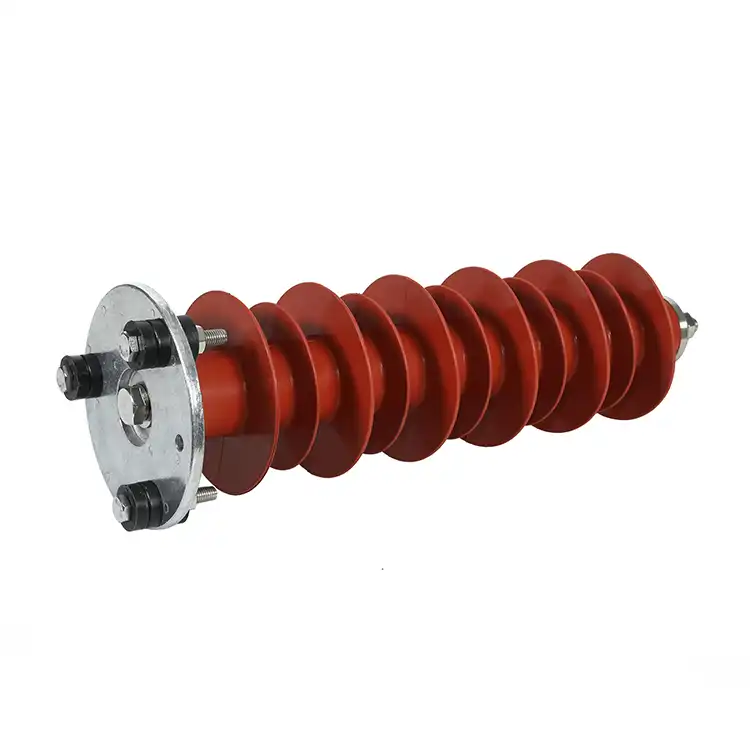
In the last twenty years, surge protection technology has changed a lot. In challenging situations, Polymeric Lightning Arrester designs have replaced traditional porcelain and clay ones. These devices use metal oxide varistor technology and are housed in silicone rubber. This makes them light but sturdy, and it meets the needs of protecting important infrastructure. The biggest benefit is that these arresters react instantly to overvoltage events without needing spark gaps. This protects sensitive equipment in data centers, hospitals, and factories without any problems.
Core Material Advantages in Modern Designs
Silicone rubber housings have great performance qualities that have a direct effect on repair schedules and operating uptime. The substance is hydrophobic, which means it actively pushes away water and other contaminants. This keeps tracking from failing in seaside sites or polluted industrial settings. Chemicals that are resistant to UV light keep their shape at temperatures ranging from -40°C to +85°C. This means that they don't break like ceramics do when they are heated and cooled. This means that it can be used for more than 25 years without much maintenance, which lowers the total cost of ownership by a large amount compared to older technologies.
Operational Performance and Lifecycle Economics
Another great benefit for buying managers looking at large-scale setups is that they reduce the weight. Most Polymeric Lightning Arresters weigh 60–70% less than similar ceramic models. This makes installation easier and lowers the load requirements on poles and fixing frames. Hermetic closing systems in high-quality units stop wetness from getting in and causing internal damage. These systems keep their protective properties throughout their entire useful life. Facilities that keep an eye on power quality measures, like how optimized leakage currents below 1mA help them meet their energy saving goals, while also lowering the number of trips that are caused by transient events.
How to Choose the Right Polymeric Lightning Arrester for Your Project
To start matching specifications, you need to know how your system's power works, Polymeric Lightning Arresters, and how it will be exposed to the world. The rated voltage you choose should match your steady working voltage and leave enough room for short-term overvoltages that can happen when swapping operations or fault conditions happen. The DC reference voltage shows how well the Polymeric Lightning Arrester can stop; higher values mean it can absorb more energy, but they may also let higher residue voltages reach equipment that is supposed to be protected. In dirty areas, it's important to figure out the creep distance. For example, industrial sites usually need 31mm/kV or more to keep the surface from flashover when pollution builds up.
Compliance Standards and Certification Requirements
International guidelines make it possible to figure out if a product is right for a variety of places and uses. Global testing guidelines for surge arresters are set out in IEC 60099-4, which includes standards for impulse resistance, aging processes, and pollution performance criteria. IEEE C62.11 sets up testing methods for the North American market that work with IEC standards and take into account the unique features of the North American grid. Third-party testing by well-known labs like KEMA or CESI should be backed up by paperwork that proves compliance through watched plant tests and regular output checks. Installations that have to follow the National Electrical Code will have to get a UL rating. This is especially important in business buildings and healthcare facilities.
Performance Trade-offs and Application Matching
When you compare metal oxide arresters to standard silicon carbide gap designs, you can see that they work in very different ways. Modern electronics with low insulation errors are protected by gapless Polymeric Lightning Arrester designs that react to voltage spikes in nanoseconds. With a maximum voltage of 102kV and a DC reference voltage of 148kV, the YH10W-102/266W model is a great example of this technology. It provides better surge protection and lowers residual voltage by 30% compared to older arrester types. This level of performance is necessary to protect sensitive instruments, programmable logic controllers, and variable frequency drives that can't handle voltage jumps that are higher than what the manufacturer recommends. When choosing a provider, you should carefully look at how customizable they are. Suppliers who offer different creepage distances, connector types, or custom mounting setups are helpful for manufacturing sites that need to ground things in a certain way or don't have a lot of room. A manufacturer's engineering depth and production flexibility can be seen by how easily they can change technical factors without affecting their approval status.
Where to Find Reliable Polymeric Lightning Arrester Suppliers Worldwide
Global sourcing plans need to find a mix between the quality of the products, how well they ship, and how quickly the suppliers can respond. There are different types of manufacturers in the market, and each one meets different buying needs and order amounts. By knowing about these types of suppliers, buying teams can find the best sourcing partners for their Polymeric Lightning Arrester projects.
Direct Manufacturers and OEM Providers
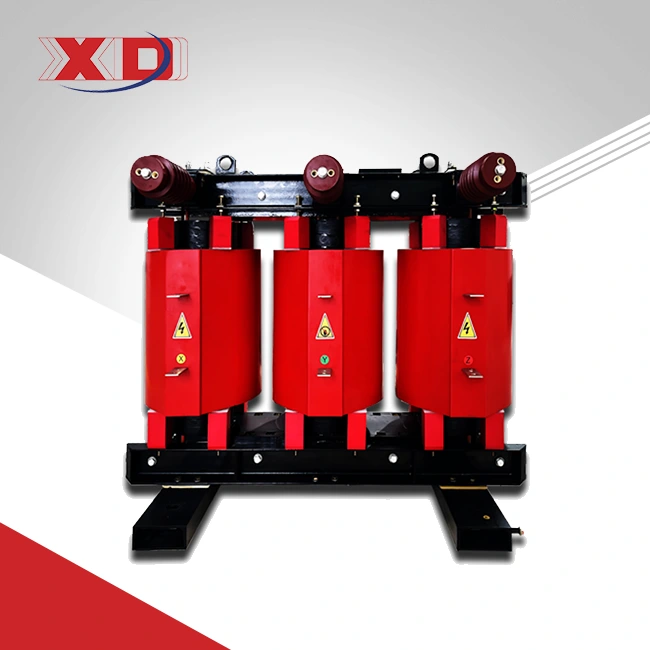
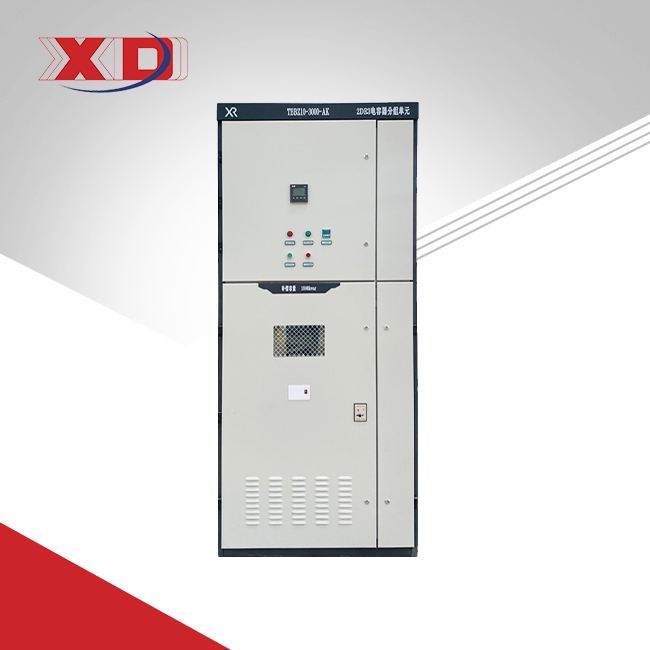
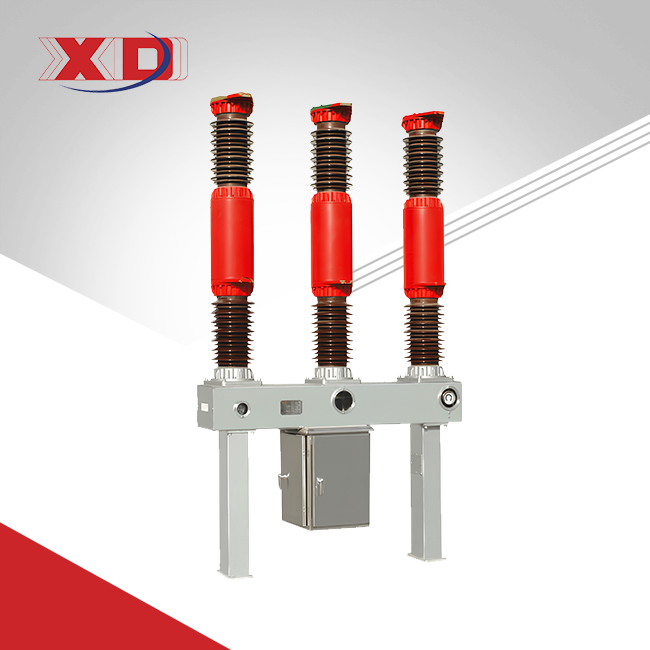
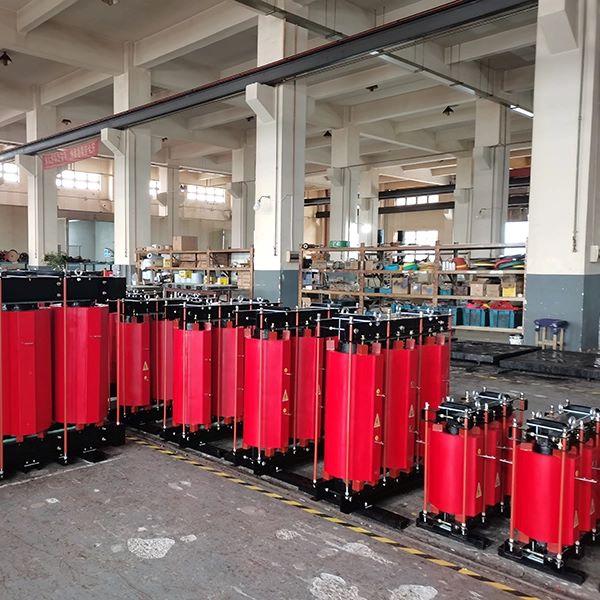
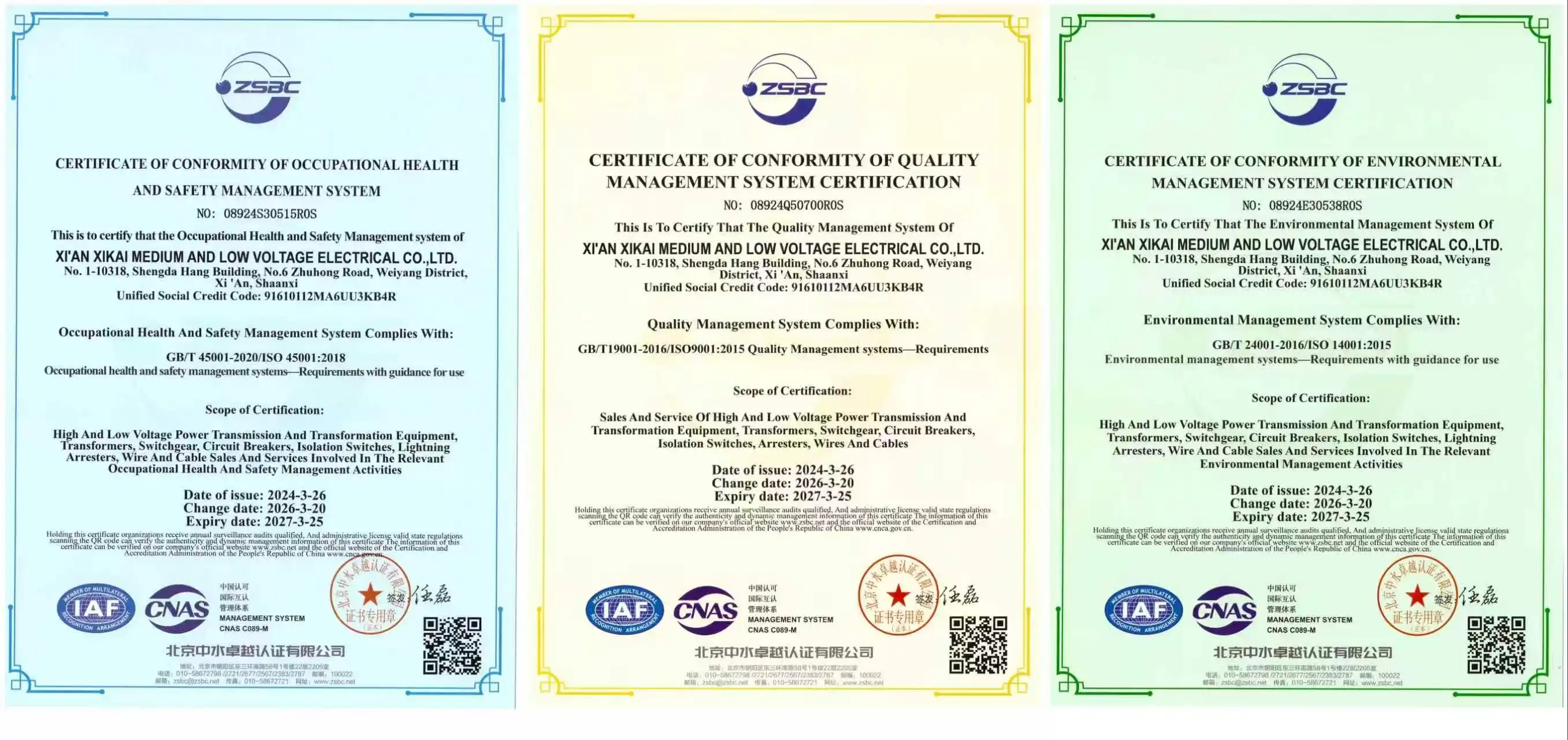
Polymeric Lightning Arresters are made in large quantities by well-known companies in China's industrial areas. These companies serve both local and international markets. The Xi'an Xikai Medium & Low Voltage Electric Co., Ltd. has one of the biggest factories in China that makes medium and low-voltage electrical tools. They can make seven main types of products. At their factory, they make units that can work at heights of up to 4,000 meters and meet national and industry standards for scientific requirements. The company makes a variety of products, including Polymeric Lightning Arresters such as high- and low-voltage switchgear, dry-type transformers, vacuum circuit breakers, and complete power distribution solutions that are used in State Grid systems, industrial sites, and rail transportation infrastructure.
Authorized Distributors and Technical Support Networks
Regional wholesalers keep local stock, offer application engineering, and organize installation support, acting as a link between makers and end users. When buying in smaller amounts, these middlemen are helpful because straight maker minimums can be inconvenient. Checking a manufacturer's website or asking for official distributor agreements that confirm legitimate supply relationships and warranty coverage is the only way to be sure of an approved status.
Supplier Verification and Due Diligence
Reviewing the certification documents is the first step in confirming authenticity. Suppliers who are trustworthy will gladly give you ISO 9001 quality management certificates, IEC compliance test records, and proof of results from a third-party laboratory. There should be a section on manufacturing quality assurance that goes over inspection procedures. For example, there should be a section on 100kV lightning impulse testing, salt fog exposure protocols for 24 hours, and partial discharge monitoring below 10pC thresholds. These strict testing procedures make sure that every unit meets the requirements for safe performance before it is shipped.A supplier's ability to meet deadlines for large orders can be judged by its production capacity. Automated production lines that guarantee electrical parameters with a ±1% error rate show that money has been spent on building up infrastructure for precision manufacturing. Lead time promises of 6 to 8 weeks for amounts greater than 10,000 units suggest stable supply lines and raw material sources. Site trips or virtual tours of factories give customers more trust by showing them how the production works, how the equipment is maintained, and how knowledgeable the workers are.
Procurement Best Practices: Buying Polymeric Lightning Arresters with Confidence
Strategic buying includes more than just comparing prices at first. It also includes the total cost of the purchase and realizing the worth over time. Structured evaluation methods that measure both physical and intangible seller qualities that Polymeric Lightning Arresters affect project results are used by successful procurement teams.
Pricing Structure and Volume Economics
About 40 to 50 percent of the price of an arrester comes from the cost of the materials used to make it. The main costs for these materials are zinc oxide varistor elements and silicone rubber compounds. Order volume gives you a lot of power over prices. When you buy more than 500 units, you can usually get discounts running from 15% to 25%. If you buy more than 5,000 units, you may be able to get special manufacturing deals that save you even more money. Working capital needs are affected by payment terms. Standard agreements offer net 30–60 day terms for known buyers, while letter of credit structures can help new suppliers build relationships in overseas transactions.
Logistics and Compliance Considerations
Shipping methods combine the time it takes to get to the destination with the cost of freight. For example, ocean freight is used for large orders that can wait 4 to 6 weeks for delivery, while air freight is used for urgent needs, even though it costs more. Standards for packaging must protect varistor stacks from shock loads when they are being handled. Foam padding and moisture shield wrapping must be used to keep the stacks from getting damaged during transport across continents. Harmonized tariff classification, country-of-origin paperwork, and the possibility of lowering duties through free trade deals or using foreign trade zones are all parts of international trade compliance. Warranty periods usually last between 18 and 36 months from the date of starting and cover problems with the way the product was made and functional loss beyond certain limits. When it comes to faulty units, return policies should make it clear who pays for shipping, when replacements will be sent, and how much installation work will be paid for when failures happen in the field. These terms become more important in remote sites where getting new parts can take a long time and cost money.
Quality Assurance and Performance Validation
When the product is delivered, it is tested on-site to make sure it is complete before installation begins. A visual check of the housing, connections, and label info ensures they are correct. Insulation resistance measurements with megohmmeters at rated test voltages confirm the state of the internal elements, while capacitance measurements find moisture getting in or varistor degradation happening while the device is being stored or shipped. By taking baseline readings, condition tracking tools can keep track of an arrester's health over the course of its operational life. Polymeric Lightning Arresters don't need as much maintenance as older technologies, but they still need to be checked on from time to time. Thermal imaging scans done once a year find interior areas that show varistor degradation or moisture-related problems before they become catastrophic. Leakage current tracking with clamp-on meters shows units are getting close to the end of their useful life when measured values are more than 50% higher than the nameplate specs. These proactive steps increase the dependability of the protection while preventing unexpected damage to equipment from arresters failing during storms.
Conclusion
To find effective Polymeric Lightning Arresters, you need to look at technical specs, provider skills, and the total cost of ownership. The buying process starts with having a good idea of what your system needs in terms of protection and the problems it faces in the environment. Next, you carefully check out potential suppliers and make sure they have the right certifications. Finally, you make smart purchases that save you money in the short and long term. Manufacturers like Xi'an Xikai have the technical depth and production scale to support big business buildings, power infrastructure, and industrial sites that need the best protection possible. With its 102kV rating, improved sealing performance, and expected service life of 25 years or more, their YH10W-102/266W type is a great example of current arrester technology. Partnering with providers that offer proven technical knowledge, clear quality systems, and responsive support networks that last throughout the product lifecycle and installation difficulties is the key to success in procuring arresters.
FAQ
1. What certifications should I verify when sourcing polymeric lightning arresters?
Some important certifications are ISO 9001 for quality control systems, IEC 60099-4 for surge arrester performance standards, and IEEE C62.11 for testing procedures in North America. The National Electrical Code says that systems must have UL approval. RoHS compliance shows care for the environment by limiting the use of dangerous substances. The CE mark shows that a product meets European standards for foreign markets. Ask for confirmation from a third-party lab from a known testing authority like KEMA. This will show that the product has been checked independently, in addition to the manufacturer's claims of self-certification.
2. How do I evaluate supplier credibility for bulk polymeric arrester orders?
The first step in evaluating a supplier is to make sure they can meet your production needs. This can be done through facility audits or thorough surveys that list the automated assembly options and quality control processes. Check out customer examples from companies in the same field and with similar order volumes. Look at the buyer's credit record or the payment history of other buyers to see if they are financially stable. Check out the technical support infrastructure, such as the availability of field service, application engineering tools, and access to assistance 24 hours a day, seven days a week. Logistics skills are also important. Make sure the company has good inventory management systems, packing standards that protect fragile parts, and experience sending goods internationally with the right paperwork and following the rules.
3. Can polymeric lightning arresters be customized for unique project requirements?
Reliable makers offer a wide range of customization choices to meet specific performance and fitting needs. Changes to the creeping distance are made to account for different amounts of pollution in industrial or seaside areas. The voltage values change depending on the needs of the system and the required safety range. Different types of bushings and arrangements of terminals can be used with different connector designs. The mounting brackets can be changed to fit pole installs, substation frames, or small switchgear integration. Custom testing methods can make sure that performance works in environments with specific stresses. Lead times are usually two to four weeks longer than for normal goods, and the minimum order quantity depends on how complicated the change is.
Partner with Xi'an Xikai for Superior Polymeric Lightning Arrester Solutions
Xi'an Xikai Medium & Low Voltage Electric Co., Ltd. is ready to help you with your surge protection needs thanks to its extensive technical knowledge and track record of producing high-quality products. As a Polymeric Lightning Arrester seller, we have worked on national grid projects in more than 15 countries for more than 20 years, creating special solutions to solve problems that arise in factories, data centers, hospitals, and utility substations. The YH10W-102/266W type has great protection, solid sealing technology, and good aging properties. It has also been through strict testing procedures to make sure it meets IEC 60099-4 and IEEE C62.11 standards. During the stages of developing specifications, choosing products, and commissioning after installation, our expert team offers application support. To talk about your project needs and get thorough quotes, email our procurement experts at serina@xaxd-electric.com, amber@xaxd-electric.com, or luna@xaxd-electric.com.
References
1. Institute of Electrical and Electronics Engineers. (2020). IEEE Guide for the Application of Metal-Oxide Surge Arresters for Alternating-Current Systems. IEEE Standards Association.
2. International Electrotechnical Commission. (2019). Surge Arresters – Part 4: Metal-Oxide Surge Arresters Without Gaps for A.C. Systems. IEC 60099-4 Technical Specification.
3. Electric Power Research Institute. (2018). Application Guide for Transmission Line Surge Arresters. EPRI Technical Update Report.
4. National Electrical Manufacturers Association. (2021). Standards Publication for Low-Voltage Surge Protection Devices. NEMA LS 1-2021.
5. Hinrichsen, V. (2017). Metal-Oxide Surge Arresters: Fundamentals and Applications in Electrical Power Systems. Siemens AG Technical Documentation.
6. Zhang, L. & Chen, W. (2019). Comparative Performance Analysis of Polymeric and Porcelain Housed Surge Arresters in Polluted Environments. Journal of Electrical Engineering and Technology, 14(3), 1205-1218.