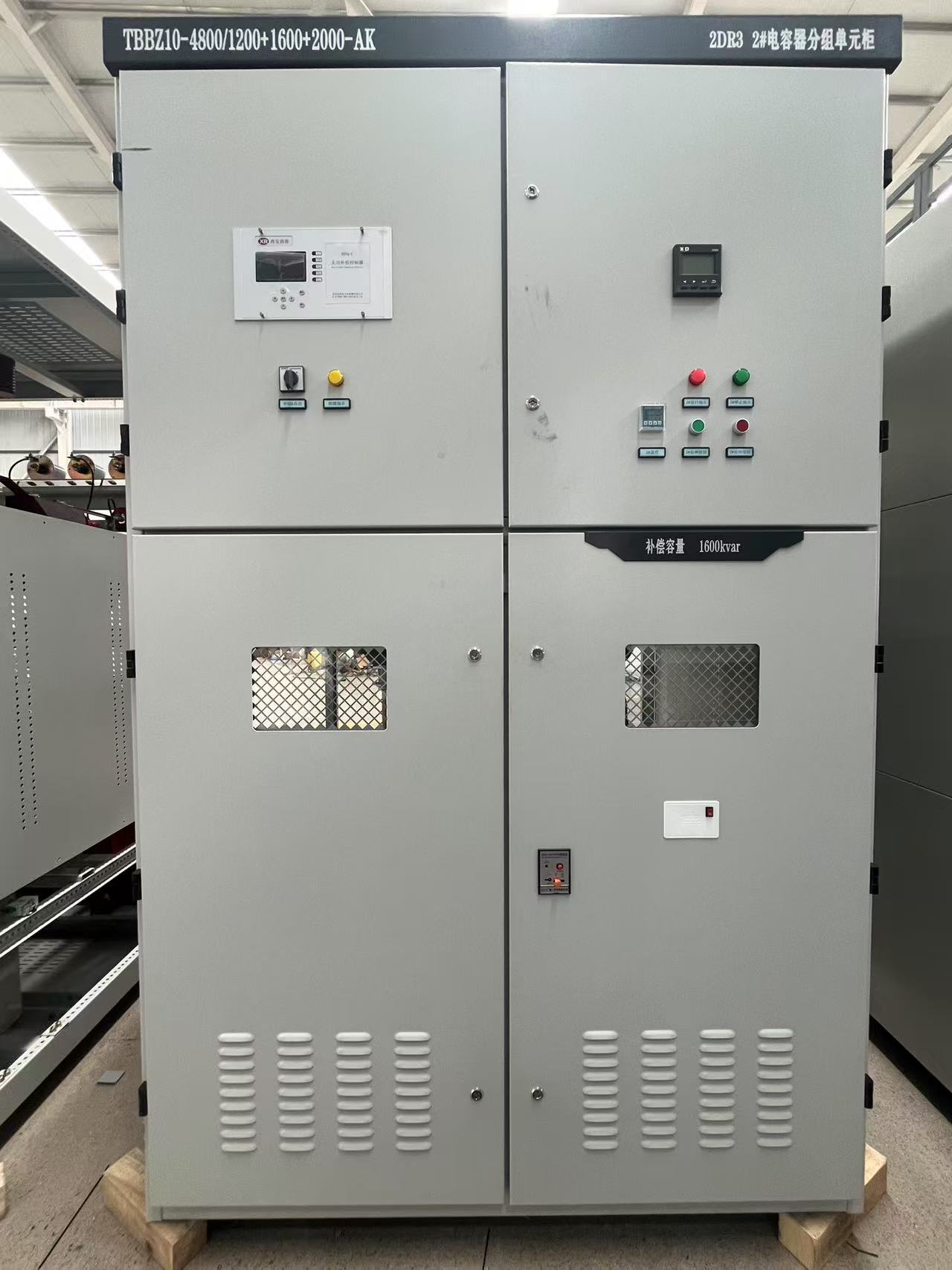
How a Harmonic Mitigation Capacitor Improves Power Quality
2026-08-28 16:50:30
Power quality challenges plague industrial facilities worldwide, causing equipment failures, production downtime, and inflated energy costs. A harmonic mitigation capacitor addresses these issues by filtering distorted electrical waveforms and stabilizing system voltage, offering dual benefits of harmonic suppression and power factor correction. Unlike conventional capacitor banks that fail under harmonic stress, these specialized components incorporate robust dielectric materials and strategic detuning configurations, ensuring reliable operation in electrically demanding environments such as railway traction substations and high-voltage industrial filtering applications.


Understanding Harmonic Distortion and Its Impact on Power Systems
Nonlinear loads are used a lot in modern industrial settings, like variable frequency drives that control motor speeds, uninterruptible power sources that keep important systems running, and LED lighting grids all over buildings. Instead of smooth sinusoidal patterns, these devices draw current in pulses. This adds harmonic frequencies back into the electrical network. The distortion causes transformers to overheat, capacitors to fail early, and safety switches to trip for no reason.
Total Harmonic Distortion (THD) numbers show how bad harmonic distortion is. According to IEEE 519 guidelines, voltage THD should be less than 5% at the point of common coupling. When sites go over these limits—which can happen up to 15-20% in heavy manufacturing—the effects go beyond just stressing out the equipment. Due to triplen harmonics, neutral conductors carry currents that are higher than expected. Insulation breaks down faster under voltage stress, and metering accuracy decreases, which can cause billing disputes with utilities.
There are big effects on the finances. In high harmonic conditions, a steel plant using arc furnaces may have transformer derating by 30%, which means assets worth hundreds of thousands of dollars have to be replaced too soon. The square of the harmonic current magnitudes causes cable heating to rise by a factor of two. This raises the cost of cooling and the risk of fire. Machines that spin have torque pulsations that speed up bearing wear and shorten the average time between failures.
Adding electricity to railroads comes with its own set of problems. When single-phase power loads are used, they cause big voltage differences and add a lot of harmonic material to three-phase transmission networks. Without the right filters, flickering happens between nearby industrial users, and electromagnetic interference happens on phone lines. In these situations, you need special capacitor solutions that are made for uneven loading and wide voltage rating ranges.
How Harmonic Mitigation Capacitors Work to Improve Power Quality
Standard power factor adjustment is not the same as capacitor-based harmonic control. When frequencies go up, traditional capacitors' resistance goes down, which makes low-impedance routes for harmonic currents. This effect causes the capacitor to overheat and the potential to resonate with the system's inductance at certain frequencies, which makes harmonics louder instead of softer.
A harmonic mitigation capacitor gets around these problems by working together with detuning reactors that are linked in series. This LC combination moves the circuit's natural resonance frequency below the lowest significant harmonic order. On 50Hz systems, it usually tunes to 189Hz (7% detuning) or 134Hz (14% detuning). The setup makes a high-impedance wall that stops harmonic currents from getting into the capacitor bank and keeps the reactive power correction at the fundamental frequency.
The capacitor itself has higher voltage values so it can handle more stress. When a capacitor is connected in series with a reactor, voltage division adds more potential across the capacitor terminals. Harmonic currents add to the rise in RMS voltage, which means that voltage standards need to be 15–30% higher than the normal system levels. Metalized polypropylene film dielectrics with segmented construction can heal themselves by controlling the vaporization of metallization around fault sites to isolate localized faults.
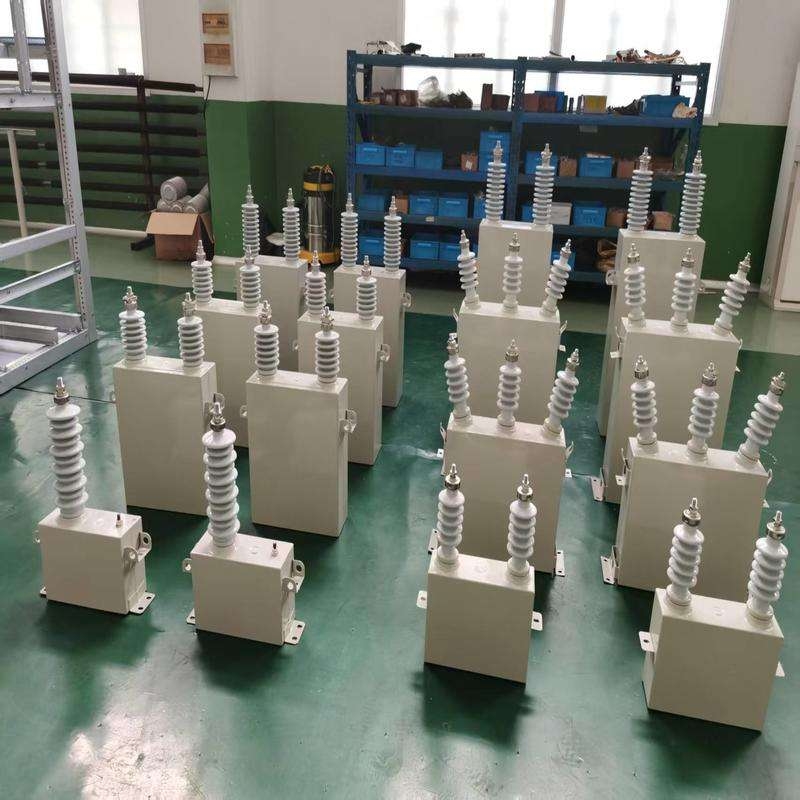
The High Voltage Single Phase Filter Capacitor from Xi'an Xikai is a good example of these engineering ideas. Internal fuses made using internationally recognized methods are built into the design. This makes sure that there is fail-safe isolation during internal faults. When discharge resistors connect, they do so in better ways that avoid the problems with series section overvoltage that often happen in older designs. Automatic argon arc welding of bushings to aluminum-alloy tanks gets rid of leaking paths, which is important for keeping the dielectric stability over many years of use.
Industrial-grade filter capacitors are different from business ones because they can handle heat better. Harmonic currents cause extra I²R losses that are related to the square of the frequency. This makes materials that can work at high temperatures for a long time necessary. The optimal electrode spacing and multi-layer construction balance capacitance density and heat absorption, allowing continued operation at temperatures up to 55°C without derating.
The self-healing insulation technology in the capacitor is especially interesting. Coatings of zinc-aluminum alloy on polypropylene strips allow them to heal quickly after dielectric stress events. In a microsecond, when localized breakdown happens, the high current concentration vaporizes the metallization, making a shielding space around the fault site. This method keeps the general capacitance the same and stops catastrophic failure modes, which means the device can work for 100,000 hours or more in high harmonic conditions.
Comparing Harmonic Mitigation Capacitors with Other Harmonic Solutions
When industrial engineers look at harmonic control systems, they have a number of choices, and each one has its own performance and cost profile. By understanding these trade-offs, you can get the most out of your capital allocation and lifetime costs.
Passive tuned filters use reactors and capacitors that are set to certain harmonic frequencies to create low-impedance shunt routes that keep harmonic currents away from sensitive equipment. This method works very well and is very cost-effective for places where the harmonic spectrum is reliable, like a cement plant where the kiln drive always works the same way. It's not possible for fixed tuning to adapt when production changes cause harmonic profiles to shift. There are still risks of series resonance if the system's impedance changes because of changes to the power grid or the building growing.
Power electronics are used by active harmonic filters to add compensating currents that get rid of harmonic distortion in real time. These systems are very adaptable because they can react flexibly to changing loads and multiple harmonic orders at the same time. Data centers with computer loads that change all the time gain a lot. The technology requires a bigger original investment—usually three to five times as much as passive solutions—as well as regular upkeep for switching parts that only last a certain amount of time. When a converter works, it loses efficiency and adds costs that aren't there in passive designs.
Detuned capacitor banks are a middle ground that can fix the power factor and allow for harmonic distortion by detuning the reactor by 5–7%. In this setup, resonance with normal harmonic orders is stopped, and partial harmonic impedance is provided. This method works well for places that need reactive compensation and where harmonic levels stay low. The filter capacitor from Xi'an Xikai works best in this design because it can handle surge currents up to 100 times its rated capacity. This is important when switching processes cause temporary overvoltages.
Leading companies like Schneider Electric, Siemens, and ABB make a wide range of products that can be used in a variety of situations. Schneider's VarPlus series is built around modular components that make maintenance easier. Siemens SICONDENS focuses on small footprints for setups with limited room. The PQF series from ABB combines control and protection functions. Xi'an Xikai stands out because it has special skills in single-phase filtering applications. These are especially useful for railroad power and asymmetric load situations where phase-balanced methods don't work.
When procurement teams look at different sources, the guarantee terms show how confident the designers are in the work. Standard coverage lasts between 24 and 36 months, but top makers offer coverage for up to 60 months, which is based on strict qualification testing. How quickly suppliers respond to technical support requests affects the success of integration. Whether suppliers offer harmonic analysis tools, help with reactor sizing estimates, and field commissioning services is what separates transactional vendors from strategic partners.
Practical Applications and Maintenance of Harmonic Mitigation Capacitors in Industrial Settings
Real-life deployment examples show how useful properly specified filter capacitors are in the real world. There are different technical needs and performance standards for each type of application of harmonic mitigation capacitor.
1. Railway Traction Substations: When trains are electrified, they put single-phase loads on three-phase transmission networks. This causes voltage mismatches and adds harmonic material that is mostly in odd orders. Filter capacitors that can handle high voltage stress balance out reactive power and keep signaling systems from being harmed. When installing things, they have to take into account the mechanical vibrations from nearby train operations. This requires strong fixing and flexible connections. It has been reliable for Xi'an Xikai's equipment to work on railroad projects at elevations of up to 4,000 meters, where the lower air density makes it harder for heat to escape and for dielectric strength to be maintained.
2. Aluminum Smelting Plants: In aluminum smelting plants, processes called electrolytic reduction use large amounts of rectified DC currents, which create unique harmonic signatures dominated by 6-pulse converter patterns. Filter banks at these sites handle very high current levels while keeping power factor requirements tight to avoid fines from the utility companies. Because of the corrosive weather, sealed containers with at least an IP54 grade are needed. Maintenance plans stress doing thermographic scans every three months to find areas that are burning, which can mean that links are breaking down or elements are failing.
3. Commercial Building Retrofits: As LED lights and variable-speed HVAC systems replace standard loads, hospitals and shopping centers that are getting old have to deal with problems with power quality. Existing electrical rooms don't have a lot of room for big solutions. Flame-retardant materials are required by fire safety rules like NFPA 70. Xi'an Xikai's designs already have this built in, as the aluminum-alloy shells are naturally resistant to fire. When installing capacitors, making sure they make less than 45dB of noise is very important because people who live in noise-sensitive areas won't complain.
4. Data Center Installations: Server farms with a lot of servers depend on modular UPS systems that send large amounts of harmonic currents. In this case, filter capacitors work with active filtering devices to handle bulk reactive adjustment while active filters handle short-term changes in the load. For redundancy reasons, N+1 configurations are usually required, and the capacitor banks need to be rotated every so often to even out their aging. With the ability to watch from afar, predictive maintenance is possible thru constant capacitance measurement, which finds problems before they get worse.
Best practices for maintenance increase the life of an asset and get the most out of your investment. Units that are self-healing degrade are found by checking their capacitance once a year; measurements dropping below 90% of the nameplate value mean that the unit needs to be replaced to stop detuning frequency shift. When thermal imaging is done during high load conditions, it shows that link resistance rises before it breaks. Verifying the discharge resistor is important for safety during repair because leftover charges can cause electrocution. Protection coordination reviews make sure that upstream circuit breakers and capacitor bank fuses keep working selectively, which stops problems from spreading and causing more power blackouts.
Procurement Guide: How to Select and Buy Harmonic Mitigation Capacitors
A correct assessment of the power quality is the first step in strategic procurement. Harmonic studies should be done by facility managers using calibrated power instruments to record voltage and current patterns during typical load cycles. These data show the main harmonic groups, THD values, and current resonance conditions. By collecting data that covers seasonal changes and production shifts, you can avoid undersizing based on snapshots that aren't typical.
In addition to simple kVAr ratings, specifications must cover a number of other technical factors. When choosing a voltage rating, the nominal voltage of the system is added to the predicted overvoltage during light load situations, harmonic voltage rise, and the voltage rise effect from series reactors. Checking the ability to carry current against peak load conditions, such as inrush transients during capacitor switching, is necessary. The ambient temperature number must match the placement setting. For enclosures with limited ventilation, lower ratings are used.
Criteria for judging a supplier should include more than just comparing prices. Manufacturing quality certifications, such as ISO 9001, show that the process is mature, and ISO 14001 compliance shows that the company cares about the environment. Patent portfolios allow signal innovation—Xi'an Xikai owns a number of patents for technologies that deal with connecting discharge resistors and protecting against overvoltage in series configurations. References from similar setups show that the product works; sellers should make it easy for customers who have used the product in similar situations to get in touch with the supplier.
Lead time issues have a big effect on project plans. Standard stock items usually ship within 4 to 6 weeks, but it can take up to 8 to 12 weeks for modified voltage rates, terminal setups, or mounting arrangements. For railroad and high-altitude uses that need type testing, the initial procurement cycles are longer by two to four months. However, timelines for subsequent production orders are shorter. When more than 50 units are committed to each year, cost savings of 15 to 25 percent are possible thru bulk buy talks for multi-site rollouts.
Logistics for delivery need to be carefully coordinated. Aluminum-alloy capacitor banks are lighter than porcelain ones, which saves money on shipping and makes installation easier. When things are being stored, they need to be protected from getting wet. Desiccant-equipped crating keeps units dry while they wait to be installed. Regional warehouses speed up replacement supplies for important purposes, and providers with spread-out inventory reduce downtime when unplanned parts fail.
Professional installation services make sure that the launching goes smoothly. Before turning on the power, qualified technicians make sure that the phasing is correct, measure the insulation resistance, and do voltage withstand tests. Initial energization is done in a controlled way, and harmonic tracking is used to make sure it works as intended. Deliverables for documentation should include as-built models, test reports, and upkeep plans that are made just for that installation. Facility repair staff can get ongoing training to keep their care and problem-solving skills up to date.

Conclusion
Power quality management is a key part of making sure that electrical infrastructure works well. Harmonic mitigation capacitors are an important tool for buildings that have trouble with distortion caused by modern nonlinear loads. Their unique design lets them work for a long time under stress conditions that would normally kill regular capacitors, and smart detuning stops dangerous resonance situations. The success of an application depends on carefully matching technical parameters to facility needs, choosing a supplier that focuses on quality and support, and installing the system in a way that ensures it works at its best. Xi'an Xikai is an engineering company that specializes in single-phase filter capacitors. These capacitors are used in difficult situations like industrial filtering and electrifying railroads. They are made to strict standards and come with full technical support.
FAQ
1.Why do filter capacitors require higher voltage ratings than system nominal voltage?
By connecting reactors in series, voltage is split, which raises the potential across the capacitor terminals and usually adds 15 to 30 percent to the system voltage. RMS voltage stress is raised even more by harmonic currents. When you run a capacitor that is rated at system voltage under these conditions, the insulator fails right away. The higher grades give the necessary safety margins for decades of steady use.
2.Can filter capacitors operate without series reactors?
Technically, the capacitor can work on its own, but doing so would waste its high-quality build. Without reactors to stop harmonic current from getting in, even strong designs age faster. No matter how good the capacitor is, the critical resonance risk is still there, which means that harmonics might get stronger instead of weaker.
3.How do you distinguish between 7% and 14% reactor-capacitor configurations?
The harmonic frequency is set by the detuning percentage. When three-phase rectifiers are the main source of power, a 7% configuration (189Hz on 50Hz circuits) guards against fifth-order harmonics and above. Third-order harmonics from single-phase loads can be taken care of by a 14% setup (134Hz). Based on the distortion patterns of each site, harmonic survey data helps make the right choice.
Partner with Xi'an Xikai for Advanced Power Quality Solutions
To make electrical infrastructure work better, you need to know how to design equipment, do application engineering, and provide ongoing support. As a top provider of harmonic mitigation capacitors, Xi'an Xikai offers a wide range of services by mixing cutting-edge production with in-depth knowledge of applications. Our High Voltage Single Phase Filter Capacitor meets the strictest needs for industrial filtering and railroad power. It has unique discharge resistor connections and a hermetically sealed design that prevents leaking. Throughout the lifecycle of a project, technical teams help with harmonic analysis, developing specifications, and commissioning. Get in touch with our experts at serina@xaxd-electric.com, amber@xaxd-electric.com, or luna@xaxd-electric.com to talk about custom filtering solutions that make things more reliable while cutting down on costs.

References
1. Institute of Electrical and Electronics Engineers. (2014). IEEE Recommended Practice and Requirements for Harmonic Control in Electric Power Systems (IEEE Standard 519-2014).
2. International Electrotechnical Commission. (2014). Shunt capacitors for a.c. power systems having a rated voltage above 1000 V – Part 1: General (IEC 60871-1:2014).
3. Dugan, R. C., McGranaghan, M. F., Santoso, S., & Beaty, H. W. (2012). Electrical Power Systems Quality (Third Edition). McGraw-Hill Education.
4. Arrillaga, J., & Watson, N. R. (2003). Power System Harmonics (Second Edition). John Wiley & Sons.
5. Wagner, V. E., Balda, J. C., Griffith, D. C., McEachern, A., Barnes, T. M., Hartmann, D. P., ... & Tennakoon, S. (1993). Effects of harmonics on equipment. IEEE Transactions on Power Delivery, 8(2), 672-680.
6. Rashid, M. H. (2017). Power Electronics Handbook: Devices, Circuits, and Applications (Fourth Edition). Butterworth-Heinemann.