Outdoor Disconnect Switch vs Load Break Switch: Key Differences
2026-07-15 17:24:57
Knowing the difference between an Outdoor disconnect switch and a load break switch is important when choosing electrical switching equipment for factories, data centers, or utility substations. While a load break switch is designed to safely cut off current when it is under load, an Outdoor disconnect switch isolates the circuit from view without turning off the energised circuit. Choosing the right gadget affects the safety of operations, the life of the equipment, and compliance with electricity codes. This guide explains these differences so that you can make smart decisions about procurement.
 |
 |
Understanding Outdoor Disconnect Switches and Load Break Switches
What Is an Outdoor Disconnect Switch?
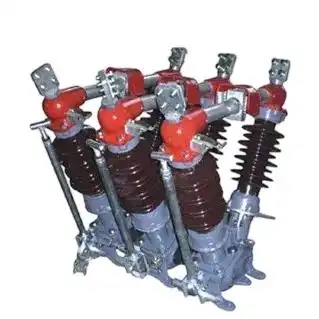
In order to ensure safe maintenance conditions, an Outdoor disconnect switch, also known as an isolation switch, makes a visible air gap in electrical circuits. These devices aren't meant to stop load current; instead, they separate circuits that aren't working to keep people safe while service work is being done. These switches help utilities and industry workers follow OSHA's lockout/tagout rules and NEC Article 230's rules for disconnecting service.
Hot-dip galvanised steel frames, porcelain or polymer insulators, and copper or aluminium conductors are common weather-resistant materials used in construction. The ways they work include handles that you have to move by hand and motorised devices that you can control from a distance. In contrast to circuit breakers, these switches can't stop an arc, so they can only be opened after devices upstream stop the load current.
What Is a Load Break Switch?
A load break switch combines the ability to isolate with arc interruption technology to allow the safe disconnection of circuits that are currently conducting rated load current. This feature is very important in distribution systems where repair has to be done right away and can't wait for the power to be turned off completely. To handle the heat and stress of cutting off the current, load break switches use arc-extinguishing chambers filled with SF6 gas or vacuum interrupters.
Core Functional Distinctions
The main change is how the arc is managed. An Outdoor disconnect switch depends on users to make sure that there is no current flow before it opens. This is usually accomplished by operating an upper circuit breaker. When you open something while it's loaded, it can cause dangerous arcing that can damage contacts and hurt people. Load break switches safely stop sparks with special contacts and media that puts out fires, letting the system work under normal load conditions.
There are big differences between operational processes. Disconnect switches need to work with circuit breakers and voltage signs to make sure they are no longer energised. During planned downtime or equipment swaps, load break switches can be used on their own, which speeds up the repair process. Utilities use load break switches in places where moving needs to happen often, and disconnect switches work well in places where separation doesn't happen very often.
Key Differences Between Outdoor Disconnect Switch and Load Break Switch
Functional Capabilities and Operational Limits
Outdoor disconnect switches only separate wires. When you open them while they're under load, you get continuous arcs that wear away contacts, dangerous plasma temps above 20,000°F, and explosive pressure waves. Industry rules say that normal disconnect switches can't be used to switch loads; they can only be used to isolate after a circuit breaker.
Load break switches cut off currents up to their stated capacity, which at distributor voltages is usually between 630A and 2000A. Arc-quenching devices put out plasma within milliseconds, which keeps electronics from breaking. Some models temporarily handle fault currents until upstream protection kicks in, adding an extra layer of safety. Because of this, their higher price is worth it in situations where practical freedom is needed.
Voltage Ratings and Environmental Specifications
Switches of both types are used in medium-voltage systems, with voltage ranges from 15kV to 765kV. Outdoor disconnect switches, like the GW5 High Voltage Disconnect Switch, can handle voltages between 72.5kV and 126kV and currents up to 2000A. This means they can be used in transmission substations. These units are made of hot-dip galvanised steel and aluminium alloy shapes. They can withstand temperatures from -40°C to +85°C and keep their best conductivity thanks to rust-proof stainless steel contact springs.
Load break switches usually work at lower voltages (15kV to 38kV) because stopping an arc at higher voltages is harder to do. The requirements for weatherproofing are very similar. Both need IP54 ingress protection and insulator materials that don't fade in UV light. Coastal sites need more corrosion resistance, which Xi'an Xikai provides with sealed stainless steel gearbox systems and exterior squeezed contact mechanisms that keep water out.
Maintenance Requirements and Service Life
Disconnect switches need to have their contact surfaces, insulators, and moving parts oiled on a regular basis. Because the GW5 series has minimal friction travel during switching and bent copper plates that make replacement easy without taking the whole thing apart, maintenance intervals are increased by 40%. The lifetime costs are cut by a lot when parts are hot-dip galvanised and the structure is made of an aluminium alloy that doesn't need any upkeep.
Because of arc-induced contact wear, load break switches need to be serviced more often. Vacuum bottles or SF6 tanks need to be checked on and replaced when they get old, which is usually 10,000 times or 25 years. Measurements of contact resistance show that performance is getting worse, and density counters make sure that the right amount of arc-quenching medium pressure is being used. Total cost of ownership goes up as a result, but the cost is usually worth it because of the working freedom.
Certification Standards and Safety Compliance
Specifications for purchases must include references to relevant standards. Outdoor disconnect switches meet IEEE C37.30 for mechanical standards and IEEE C37.34 for test methods. The rules for low-voltage enclosed switches are set by UL 98, and the rules for high-voltage disconnect switches are set by IEC 62271-102. The GW5 series has been certified by IEC 62271-102, IEEE C37.32, CE, UL 508, and GOST-R, which means it can work with project requirements from around the world.
IEEE C37.32 and IEC 62271-103 say that load break switches must go through strict testing methods to prove that they can stop loads. Some of these tests are duty-cycle tests that mimic years of use and short-circuit survive tests that use multiples of the maximum current. By specifying certified equipment, procurement teams can avoid being sued and make sure that contractors follow NEC and NFPA 70E electrical safety standards.
How to Choose Between Outdoor Disconnect Switch and Load Break Switch?
Assessing System Requirements and Switching Frequency
Selection is based on application research. Load break switches let you swap out transformers or capacitor banks without affecting the whole grid. This is helpful for places like hospitals and data centers that need to be online all the time. When factories have planned shutdowns, they can ask for standard Outdoor disconnect switches that can work with upstream breakers to lower their capital costs.
Switching frequency is very important. Systems that need to be worked on once a week or once a month can afford to buy a load break switch because it cuts down on downtime and makes procedures easier. Disconnect switch economics work with swapping that happens once a year or only in emergencies. By comparing the cost of production interruptions to equipment premiums, buyers on a tight budget can easily see which option is best for them.
Evaluating Ampacity and Voltage Coordination
Current values must be higher than peak load by a sufficient amount to ensure safety, usually 125% according to NEC 210.19(A). When there are motor loads in an industrial setting, the switches need to be able to handle six to eight times the full-load voltage. The GW5 can handle demanding tasks like arc furnaces and large compressor installations thanks to its 2000A capacity. Its dual-break isolation system makes it easy to see when the circuit is turned off.
Coordinating the voltage makes sure that it works with the system architecture. Transmission substations that work at 115kV or higher need high-voltage Outdoor disconnect switches that have the right basic insulation levels (BIL). Load break switches are used to separate and isolate faults in 12.47kV or 34.5kV distribution lines. Mismatched grades can be dangerous and break the law, so it's important to be very clear.
Strategic Procurement Considerations
Bulk purchasing agreements keep the supply chain running smoothly while lowering the cost per unit. Building partnerships with makers that offer customisation, like Arctic-rated versions or IoT-enabled condition tracking, protects investments against changing grid needs. The availability of expert help, the stock of spare parts, and the terms of the warranty should all be taken into account when choosing a vendor.
How payments are made affects how much a job costs. Letters of credit protect international transactions, and consignment agreements lower the amount of money needed up front for large-scale deployments. When you contact makers like Xi'an Xikai directly through email addresses like serina@xaxd-electric.com, you can get technical help during the specification development process. This makes sure that the equipment you choose fits your system needs perfectly.
Installation, Maintenance, and Safety Guidelines for Outdoor Disconnect Switches
Pre-Installation Planning and Site Preparation
Checking the base is the first step to a successful installation. To keep insulators from getting out of line and mechanical binding happening, mounting bases must have flat areas that are within ±1 mm of each other. To keep equipment from settling and causing stress, concrete pads need to be left to cure for 28 days before they can be used. Site surveys show that the clearance distances meet the standards in NESC Table 232-1. These are usually 10 feet between phases at 69kV for an Outdoor disconnect switch.
Shipping damage is found during unpacking checks before installation starts. Check the insulator's integrity by looking for chips or cracks that could weaken the dielectric. Make sure that the information on the nameplates matches the information on the buy orders, and make sure that all of the screws stay tight after the shipment. The GW5 can be installed on both sides, which is an extra feature that lets the field adapt to limited area without having to rearrange equipment.
Step-by-Step Installation Procedures
Lifting methods keep people and things safe. Using synthetic slings that can hold 150% of the component weight, connect the gear to the lift points, which are usually strengthened parts of the base frame. Lift the post insulators vertically so they don't get stressed on the sides, and keep the centerline straight while you place them. To make sure that clamping loads are spread out properly, use calibrated wrenches to tighten mounting nuts to the manufacturer's specs.
Electrical connections need to be carefully made. Use abrasive pads to clean all the areas that will be joining together to get rid of oxidation. Then, use joint cement made for aluminium or copper, depending on the situation. According to NEC 110.14(D), torque terminal bolts to a range of 300 to 600 inch-pounds, based on the size of the wire. The GW5's bent copper plate shapes make this process easier by allowing for small alignment issues without putting stress on the connections.
Routine Maintenance Protocols
When inspections happen depends on how exposed the area is. Installations near the coast need to be checked for corrosion once a year, while installations in dry climates can wait up to five years. Check contact surfaces for pitting or carbon tracking and use micro-ohmmeters to measure resistance—readings above 100μΩ mean signal degradation. Detergent solutions should be used to clean the surfaces of insulators to get rid of dirt that shortens the lengths that electricity can creep.
Lubricating the operating system keeps it moving smoothly. Use lithium-based grease on pivot points and connections, but don't use too much because that will attract dirt. By hand, move the switch through a few actions to make sure it moves smoothly and is in the right place. To make sure interlocking circuits work right, accessory switches must line up perfectly with main contact positions.
Safety Protocols and Lockout Procedures
All repair work needs to be checked for de-energization using approved voltage detectors on all circuits. If there are grounding switches, they must be closed before people can get close to de-energised equipment. OSHA 1910.269 requires lockout/tagout devices that keep power from being accidentally turned back on during service work.
According to NFPA 70E guidelines, arc flash hazard analysis tells you what kind of personal safety equipment you need. Even when Outdoor disconnect switches are not in use, they can still be affected by induced voltages from nearby live wires. This is why shielded tools and the right PPE are needed. Training programs should stress that these switches should never cut off load current. Making clear processes stops dangerous operating mistakes.
Market Overview and Procurement Insights
Pricing Dynamics and Cost Factors
The price of equipment varies a lot depending on its features, power class, and current grade. For small factories, basic 15kV Outdoor disconnect switches cost between $2,500 and $8,000 per pole. On the other hand, high-voltage gearbox units cost more than $50,000. Because they use arc-interrupting technology, load break switches cost 40% to 100% more than similar disconnect switches.
Certification levels have a big effect on prices. UL-listed devices are more expensive than non-certified options, but they offer important legal protection and are accepted by inspectors. The different levels of weatherproofing, from basic IP23 to submersible IP68, affect the type of material used and how hard it is to seal. When buyers weigh cost vs. performance, they should put long-term dependability over initial savings, since failures in the field cost a lot more than the equipment premiums.
Supplier Landscape and Sourcing Strategies
Utility standards are dominated by well-known names like ABB, Siemens, and Schneider Electric, which have long histories and large support networks. Regional makers, like Xi'an Xikai, offer great value by keeping prices low without lowering quality. With more than 40 years of experience making products and more than 200,000 pieces sold around the world, Xi'an Xikai is both affordable and reliable.
When you buy in bulk, you should talk about delivery times, the availability of spare parts, and the terms of technical support. When you commit to more than one project, you get volume discounts and build relationships with preferred suppliers that make future purchases easier. Talking directly with manufacturers like Xi'an Xikai makes it easier to talk about customisation and gets urgent projects done faster.
Certification Verification and Quality Assurance
Third-party testing documents must be required by the procurement requirements. Ask for certified test records that include measures of dielectric strength and mechanical endurance to show that they meet IEEE and IEC standards. The GW5 goes through 48-hour ageing tests that make it work like it has for 20 years, as well as dielectric testing at 230kV for one minute. All of the materials used in the tests can be tracked from the raw parts to the finished product.
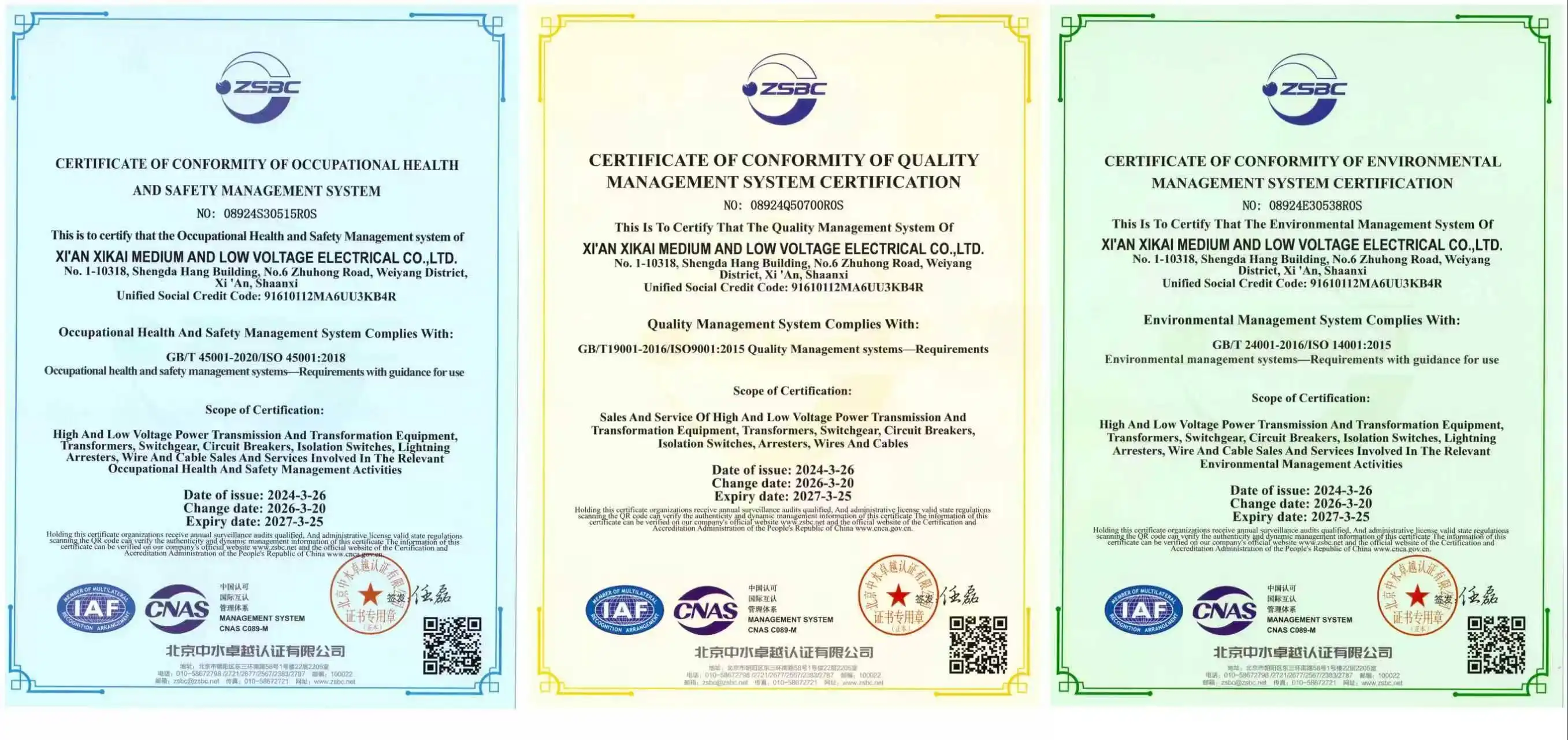
ISO 9001 certification means that the quality management systems in a manufacturing company are strong. By inspecting source sites or reading third-party audit reports, you can be sure that the production capacity matches what was claimed. For important uses, equipment performance is checked by witnesses at the manufacturer's facilities before it is shipped, which lowers the risks of launching.
Conclusion
Choosing between an Outdoor disconnect switch and a load break switch depends on the needs of the job, the importance of safety, and the available funds. Load break switches allow for operational freedom through safe load interruption, while disconnect switches provide cost-effective isolation for lines that are only turned on and off occasionally. Knowing about voltage ratings, environmental standards, and licensing needs helps make sure that installs are legal and protect people and things. When you work with seasoned manufacturers like Xi'an Xikai, whose goods, like the GW5 High Voltage Disconnect Switch, have been tested and shown to work reliably in tough situations, you get long-term value through better engineering and quick expert support.
FAQ
1. Can an outdoor disconnect switch replace a load break switch in distribution systems?
Not at all. Due to their inability to interrupt arcs, Outdoor disconnect switches are dangerous for cutting off load current. When you use a normal disconnect switch while it's loaded, dangerous arcing happens that hurts people and breaks equipment. There are special contacts and neutralising media in load break switches that are made to stop the flow of current. Changing devices against electrical rules and maker directions is not allowed. Always check the moving needs before choosing tools.
2. What certifications should procurement teams verify when purchasing outdoor disconnect switches?
Make sure that the mechanical design follows IEEE C37.30 and the testing procedures follow IEEE C37.34. IEC 62271-102 approval is needed for projects that go across borders. Listing under UL 98 or UL 508 makes sure that the product meets North American safety standards. Environmental ratings, such as IP54 or NEMA 3R, make sure that weatherproofing is right for the job. Ask for official test reports that show the dielectric strength, mechanical endurance, and performance at higher temperatures. There are many approvals for the GW5 series, such as IEC, IEEE, CE, UL, and GOST-R standards.
3. How often should outdoor disconnect switches undergo maintenance inspections?
How often you inspect relies on the surroundings and your operational job. Coastal or industrial areas need to be checked every year, while clean country areas can go five years between checks. During each inspection, check the condition of the insulator, the contact surfaces, and the way the operating mechanism works. Through corrosion-resistant materials and low-friction mechanisms, the GW5's design makes service times 40% longer without any upkeep. Code compliance and maximum reliability are ensured by following maker suggestions and keeping records of inspections.
Partner with Xi'an Xikai for Reliable Outdoor Disconnect Switch Solutions
To get the most out of your electrical infrastructure, you need to use tried-and-true parts that are backed by technical knowledge and quick help. For tough industrial and utility uses, Xi'an Xikai provides UL-listed, waterproof Outdoor disconnect switches. Hot-dip galvanised durability, stainless steel gearbox systems and maintenance-free operation make up our GW5 High Voltage Disconnect Switch. It has been trusted in more than 50 countries for more than 40 years. Our team offers customised solutions that meet your exact specs, whether you're an Outdoor disconnect switch maker looking for OEM partnerships or a facility manager needing bulk buying. Talk to our experts at serina@xaxd-electric.com, amber@xaxd-electric.com, or luna@xaxd-electric.com about your project needs and find out how Xi'an Xikai's certified switchgear improves system reliability while keeping costs low over time.
References
1. Institute of Electrical and Electronics Engineers. IEEE Standard for High-Voltage Switches: IEEE C37.30. New York: IEEE Press, 2015.
2. International Electrotechnical Commission. High-Voltage Switchgear and Controlgear - Part 102: Alternating Current Disconnectors and Earthing Switches. Geneva: IEC, 2018.
3. National Fire Protection Association. NFPA 70E: Standard for Electrical Safety in the Workplace. Quincy: NFPA, 2021.
4. American National Standards Institute. ANSI C37.32: High-Voltage Air Disconnect Switches, Interrupter Switches, Fault Initiating Switches, and Accessories. Washington: ANSI, 2017.
5. Occupational Safety and Health Administration. Electric Power Generation, Transmission, and Distribution: 29 CFR 1910.269. Washington: U.S. Department of Labor, 2020.
6. International Organization for Standardization. ISO 9001: Quality Management Systems - Requirements. Geneva: ISO, 2015.