Outdoor Disconnect Switch Installation and Maintenance Guide
2026-07-15 17:24:17
Outdoor disconnect switches are an important part of high-voltage electrical systems' safety infrastructure because they reliably cut off circuits in factories, utility networks, and business buildings. Proper installation and regular maintenance protect workers, make equipment last longer, and keep operations from being interrupted, which costs a lot of money. This complete guide tells procurement managers, electrical engineers, and system integrators what they need to know about technical requirements, installation protocols, and best maintenance practices in order to keep critical power distribution systems running at full capacity and in line with regulations.
 |
 |
Understanding Outdoor Disconnect Switches
What Makes Outdoor Disconnect Switches Different?
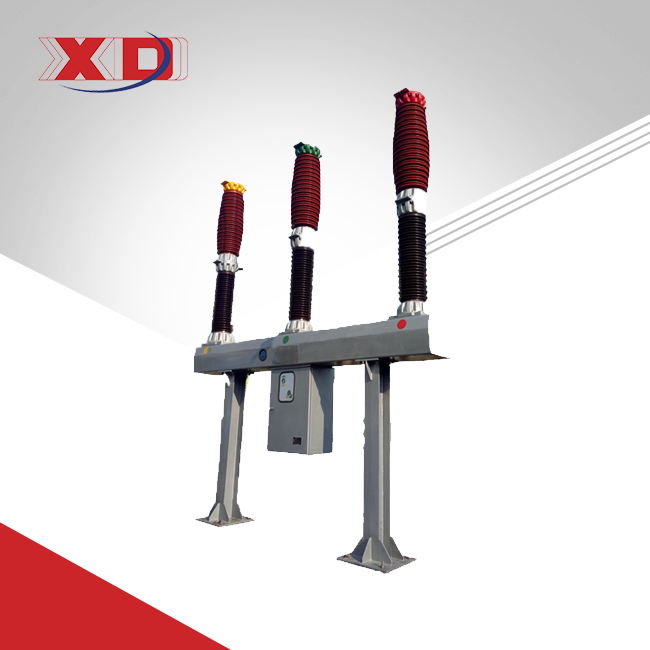
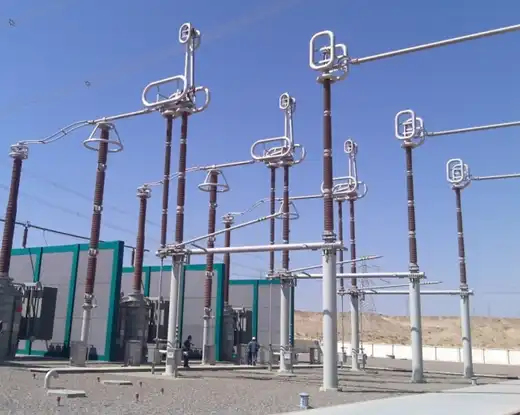
Outdoor disconnect switches are mechanical devices that are designed to keep electricity from going to other parts of the house. In contrast to indoor versions, these switches have weather-resistant housings, UV-stabilized insulation materials, and corrosion-resistant hardware to protect them from extreme temperatures, water intrusion, and environmental contaminants. Making a clear space between the circuit's conductors literally stops the flow of current so that repair work on equipment further down the line can be done safely.
Key Technical Specifications That Matter
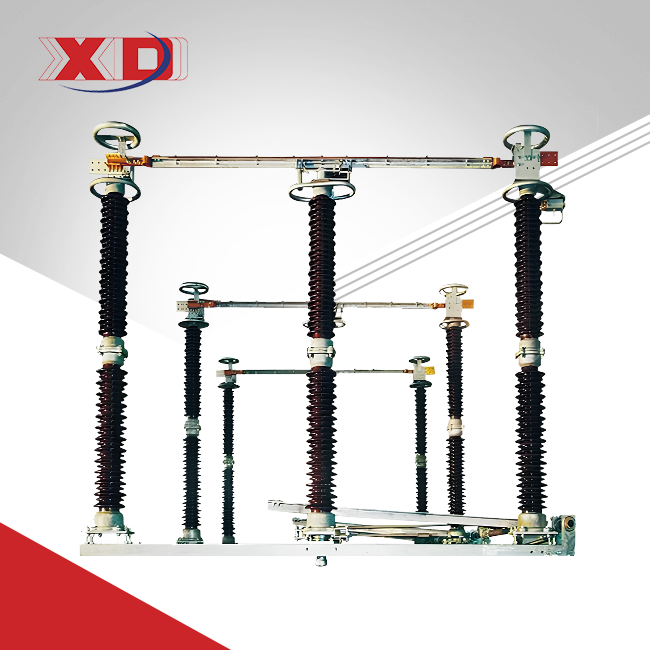
For transmission purposes, voltage ratings usually run from 15kV to 765kV, and current ratings vary from 600A to 4000A based on the load. The aluminium alloy wires in our GW11 High Voltage Disconnect Switch make it 40% lighter than standard copper designs while still providing better conductivity and corrosion protection. The pantograph mechanism used in this design makes sure that the blades work smoothly across a wide temperature range. The dual-blade contact systems that create clearly visible separation gaps provide reliable electrical isolation.
Benefits That Protect Your Operations
Outdoor disconnect switches offer multiple operational benefits. Visual disconnection verification enables safer maintenance without guesswork. Compliance with NEC Article 230 and IEC 62271 reduces liability and ensures grid interoperability. Surge current handling up to 100x rated values protects critical infrastructure in data centers, hospitals, and factories where downtime directly impacts revenue.
Outdoor Disconnect Switch Installation Guide
Pre-Installation Assessment and Planning
Evaluation of the site is the first step in a good operation. Environmental factors need careful examination; places near the coast need better protection against corrosion, and sites above 1,000 meters need derating formulas or special equipment that can handle plateau ratings. We've come up with options that can work at up to 4,000 meters without losing any performance. It's not just voltage matching that needs to be checked for compatibility; the IEEE C37.32 standards also specify busbar dimensions, mounting configurations, and clearance distances.
Step-by-Step Installation Process
The key reference plane for all future alignment is set by mounting the base. To keep insulators from getting stressed and out of line, foundation structures must have level limits of within ±1mm across support points. Base frames are held in place with M24 support bolts, and then post insulators are carefully put in place. Before being put together, the surface of each section is checked for tiny cracks. Based on our installation data, insulator alignment within a 0.5 mm tolerance stops contact wear before it's time.
To make sure that all three phases engage at the same time, conductive blade mounting needs to be done with great accuracy. The horizontal space between moving contact poles must stay at 550 mm, plus or minus 1 mm. Conductive grease is put on all of the mating areas of connection points to lower contact resistance and stop oxidation. The enclosed transmission system has flexible parts that allow for base settling and thermal expansion. This is especially helpful for setups on uneven ground or dirt that isn't stable.
Common Installation Mistakes to Avoid
For outdoor disconnect switches, the most common installation mistake is miswiring control circuits when adding motor operators or auxiliary switches. Commissioning requires double-checking phase sequence and control voltage polarity to prevent damage. Inadequate sealing around terminal compartments allows moisture ingress, accelerating corrosion. Maintaining IP54 ratings demands proper gasket installation and tightened wire glands on enclosures.
Compliance with Regional Standards
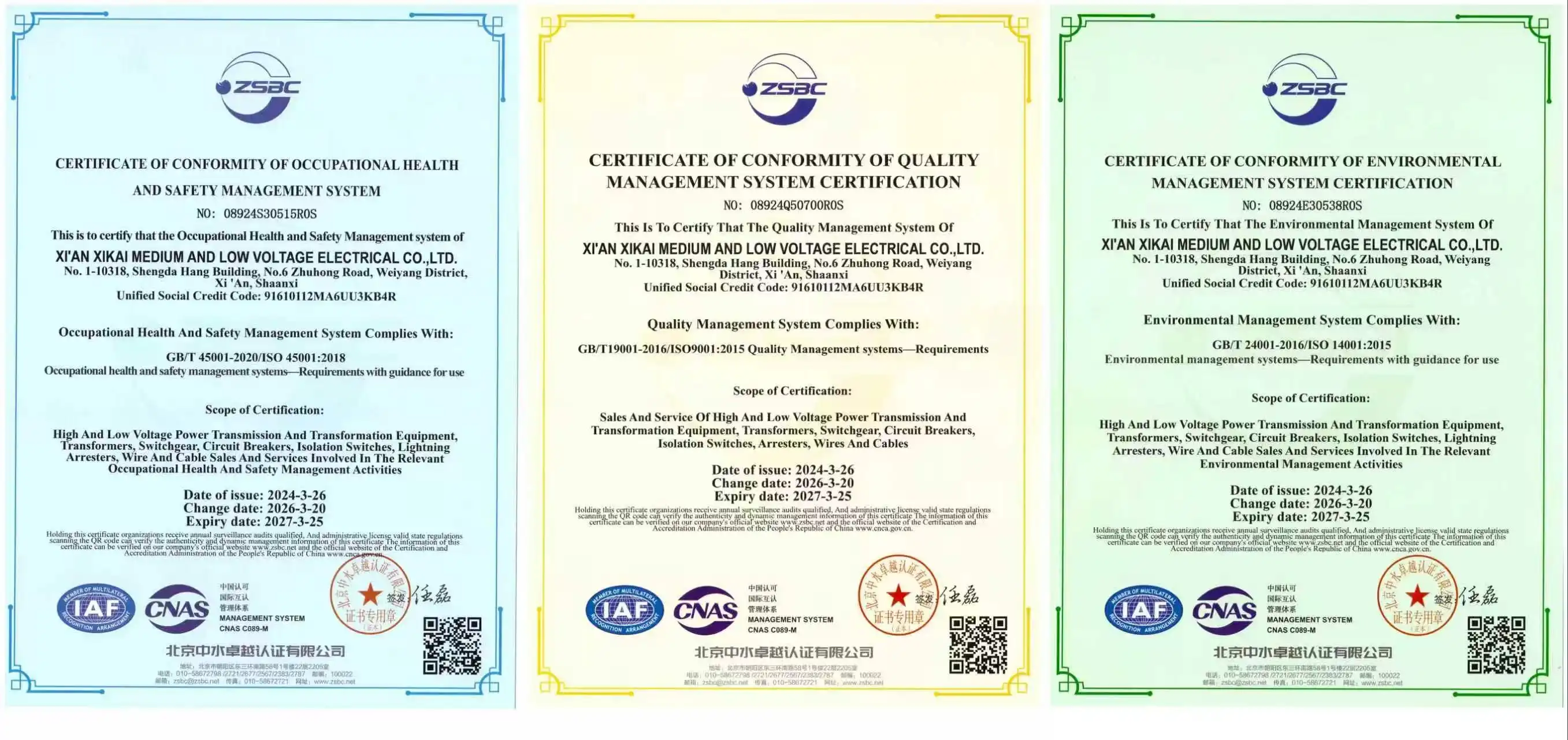
The NEC sets exact clearance lengths based on the working voltage, and the IEC sets limits for temperature rise and mechanical durability tests. Our manufacturing processes use both sets of standards, and our goods are approved to meet the requirements of ISO 9001 for quality management and ISO 14001 for environmental management. There are third-party test reports in documentation packages that show compliance with IEEE dielectric strength requirements and NFPA 70 flame-retardant specifications for installations that are sensitive to fire.
Maintenance and Safety Tips for Outdoor Disconnect Switches
Routine Maintenance Checklist
Protocols for visual review find new problems before they become problems. Checking for surface pollution, tracking marks, or physical damage should be done every three months to keep track of the insulator's state. Conductive parts need to be checked for discolouration that could mean they are overheating, hardware that isn't tight, or evidence of a corona discharge. Using high-temperature dielectric grease on pivot points and touch surfaces once a year is a good way to keep mechanical systems in good shape.
Operational reliability is confirmed by functional testing. Contact resistance tests show when something is breaking down and needs to be fixed. Readings above 100 microhms at rating current mean that the part needs to be cleaned or replaced. Measuring the operating force confirms that the mechanism is healthy; trends of increasing force show that the bearings are wearing out or there isn't enough grease. Our GW11 designs come with optional IoT sensors that allow real-time monitoring for predictive maintenance. These sensors let facility teams know about problems before they get worse and cause failures.
Troubleshooting Common Problems
Most of the time, overheating is caused by not enough touch pressure or dirty link surfaces. Thermographic scans done during load operation find hot spots that help with maintenance. Failure to fully separate is often a sign of mechanical binding or misalignment that needs limit stops to be adjusted or old bearings to be replaced. Aluminium wires that have corroded can be cleaned with non-abrasive materials and then a protective covering is put on them.
Safety Protocols for Maintenance Personnel
Lockout/tagout procedures are safety rules that can't be broken. Each switch position must get actual locking hardware to keep it from being used by accident while repair is being done. Specifications for personal safety equipment include gloves that can handle high voltage, arc-flash suits that can handle incident energy levels determined according to NFPA 70E, and face shields that cover the whole face. Emergency protocols set up clear ways to communicate and quick ways to turn off the power in case someone gets hurt during maintenance work.
How to Choose the Right Outdoor Disconnect Switch for Your Business?
Matching Technical Requirements to Applications
The voltage and current levels need to be able to handle both short-circuit duty and steady loads. Switches that can handle surge currents without contact welding or insulation failure are needed in factories that use CNC machines. Fused disconnect switches protect against overcurrent while isolating the circuit, which makes system design easier for smaller installs. Different types that aren't fused work better in situations where different protective devices give you more options or where fault current levels need special protection systems.
Environmental Considerations That Impact Longevity
Ratings for waterproofing show whether a project can be left out in the weather. To keep salt from getting into electronics, coastal areas need gear made of stainless steel and longer insulation creepage distances. In desert areas, covered mechanisms keep dust and sand out. Our GW11 models come with sealed transmission systems that make this feature standard. In continental areas with extreme weather changes, the ability to change temperatures is important. Our aluminium alloy construction keeps its mechanical properties from -40°C to +60°C.
Evaluating Manufacturers and Their Offerings
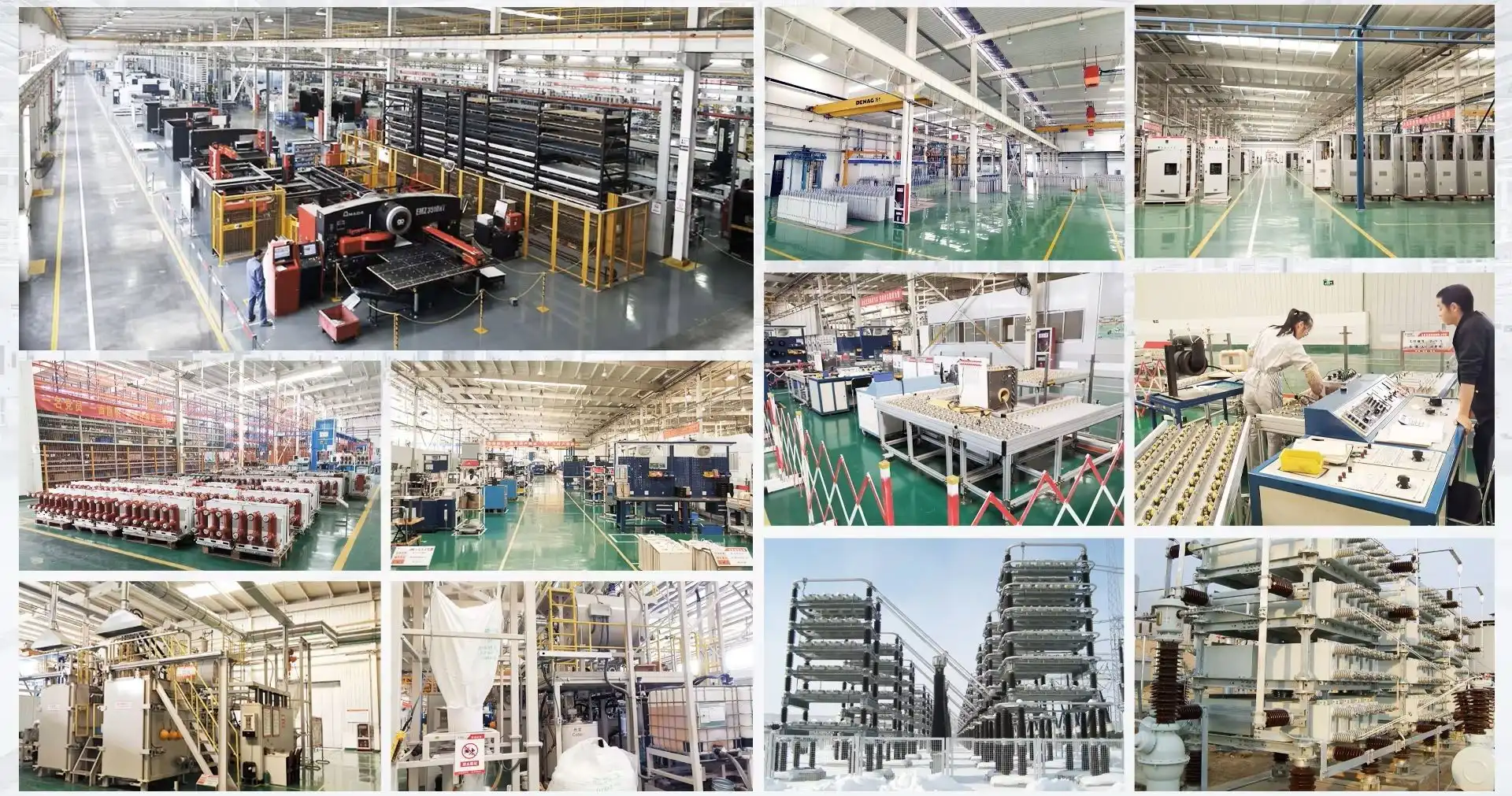
The Outdoor disconnect switch market is served by many companies, each with their own specialities. Well-known brands have a lot of certifications and a history of success in a wide range of applications. Differentiating products comes from how they are mechanically designed, the materials they are made of, and features that add value, such as built-in earthing switches or motor operator compatibility. We have more than 30 years of experience developing high-voltage solutions and have successfully installed more than 1,200 GW11s in utility substations, industrial buildings, and green energy facilities around the world.
Total Cost of Ownership Analysis
The purchase price is only one part of the total costs over the life of the product. The cost of labour is affected by how hard the installation is. Our flexible joint design cuts down on alignment time by allowing installation on less-than-ideal supports without requiring a lot of building work. Maintenance schedules have a direct effect on running costs. Low-maintenance designs that use self-lubricating materials and finishes that don't rust reduce the need for regular service. When you buy in bulk for multiple sites or OEM uses, you can get customisation help, like different blade setups or the integration of earthing switches that work in your area. Dedicated production planning also helps cut down on wait times.
Conclusion
Outdoor disconnect switches are an important part of safety infrastructure in commercial buildings, utility grids, and industrial power systems. When installed correctly, according to the manufacturer's instructions and local electrical rules, the system will work reliably from the time it is commissioned onwards. Structured maintenance programs that include everything from eye checks to functional tests keep things running smoothly and find problems before they become a problem. To choose the right tools, you need to carefully consider the technical needs, the working conditions, and the total cost of ownership. Our GW11 High Voltage Disconnect Switch is known for being reliable thanks to its advanced materials, smart-grid-ready monitoring options, and high-quality manufacturing that is backed by a wide range of certifications. Partnering with experienced suppliers guarantees access to technical know-how, the ability to customise, and quick support throughout the lifecycles of equipment.
FAQ
1. What differentiates fused from non-fused outdoor disconnect switches?
Overcurrent safety is built right into fused disconnect switches because the fuse elements can be changed out. This setup makes installations easier when room or money limits mean that combined usefulness is best. Different types that aren't fused offer pure separation without any protective elements. This makes them good for situations where fault protection is handled by circuit breakers or switches further down the line, giving you more coordination options.
2. Should we hire professionals for installation or use in-house teams?
Installing a high-voltage disconnect switch needs special training in electrical safety, how to balance the switch's parts, and checking that the installation follows the rules. Facility maintenance teams with the right training can handle systems below 15kV, but for transmission-voltage jobs, only professional companies with the right licenses and liability insurance should be used. No matter how the installation is done, technical support from the manufacturer fills in knowledge gaps during commissioning.
3. How often should maintenance inspections occur?
How often you inspect depends on how often your operations are done and how exposed you are to the surroundings. Outdoor systems in corrosive environments profit from visual checks every three months and full checks once a year that include functional tests. In clean industrial settings, inspections may be done every six months instead of every year. Instead of following set plans, replacement time is based on measured signs of wear and tear. For example, contact resistance trending, mechanical wear assessment, and insulation testing help with replacing parts before they break.
Partner with Xi'an Xikai for Reliable Outdoor Disconnect Switch Solutions
Xi'an Xikai Medium & Low Voltage Electric Co., Ltd. is one of the biggest companies that makes Outdoor disconnect switches. They offer complete high-voltage separation solutions and have a lot of patents and widely recognised certifications to back them up. Our GW11 High Voltage Disconnect Switch is the result of 30 years of technical progress. It has advanced aluminium alloy conductors that make it 40% lighter, IoT tracking choices that work with smart grids, and the ability to work at plateau levels up to 4,000 meters elevation. For customised specifications, bulk purchasing benefits, and application engineering help, please email our expert team at serina@xaxd-electric.com, amber@xaxd-electric.com, or luna@xaxd-electric.com. You can also learn more about how our 5-year warranty and 24/7 technical support can protect your investments in critical infrastructure.
References
1. Institute of Electrical and Electronics Engineers. "IEEE Standard for High-Voltage Switches: Guide for AC Disconnecting Switches." IEEE C37.32-2020, 2020.
2. National Fire Protection Association. "NFPA 70: National Electrical Code." 2023 Edition, Article 230 - Services and Article 490 - Equipment Over 1000 Volts.
3. International Electrotechnical Commission. "High-Voltage Switchgear and Controlgear - Part 103: Switches for Rated Voltages Above 1 kV and Less Than 52 kV." IEC 62271-103:2021.
4. Electric Power Research Institute. "Substation Equipment Maintenance Manual: Disconnect Switches and Air Switches." EPRI Technical Report 3002011815, 2018.
5. American Society for Testing and Materials. "Standard Specification for Aluminum-Conductor Steel-Reinforced Wire for Electrical Purposes." ASTM B232/B232M-19, 2019.
6. Society of Electrical Engineers. "High-Voltage Outdoor Disconnect Switch Installation and Commissioning Practices." IEEE Power & Energy Society Technical Report, 2022.