TBB10 High Voltage Reactive Power Automatic Compensation Device
How Outdoor Disconnect Switch Improves Grid Safety and Reliability
2026-07-15 17:24:08
In order to protect people and stop chain failures during maintenance or situations, an Outdoor disconnect switch is a crucial safety barrier in electrical power systems. It physically separates equipment from energised circuits. When installed correctly in transmission networks, substations, and industrial facilities, these switches lower the risk of arc flashes, allow visible isolation verification, and can handle environmental stresses that indoor switches can't. Because they are built to last and meet IEEE and IEC standards, utilities, data centers, and factories that care about keeping processes running smoothly and keeping workers safe can't do without them.
 |
 |
Understanding Outdoor Disconnect Switches and Their Role in Grid Safety
What Defines an Outdoor Disconnect Switch?
Outdoor disconnect switches are devices that can be worked by hand or by a motor and are designed to break electrical circuits without stopping the load. Unlike circuit breakers, which put out arcs when the current is full, these switches leave air gaps between the wires after a breaker trips. This lets techs know that the equipment is no longer live before they touch it. Their weatherproof cases can handle UV damage, temperature changes from -40°C to +85°C, and salt fog corrosion in coastal settings.
Core Operating Principles
Outdoor disconnect switches use pantograph or scissor actuators to move conductive blades from stationary contacts. Xi'an Xikai's GW5 series features horizontal pantograph design with stainless steel gearbox parts (pins, bushings, joints) ensuring smooth blade travel. This maintains constant contact pressure over 20,000 operations, validated by 48-hour ageing tests simulating 20 years of field service.
Applications Across Power Infrastructure
These switches are needed in factories to keep transformers and motor control centers from working while they are being fixed. They are used before uninterruptible power sources in data centers to safely move loads between utility lines and backup generators. They are built into solar farms at inverter stations so that photovoltaic arrays can be turned off when the power goes out. To keep critical care systems running during hurricanes and ice storms, hospital electrical rooms need models that are NEMA 3R rated.
Challenges in Grid Safety Without Proper Disconnect Solutions
Limitations of Traditional Isolation Methods
Circuit breakers are great at stopping fault currents, but they don't have a way to visually check that contacts are open. This is a problem that led to 23% of electrical deaths in workplace settings from 2015 to 2020, according to OSHA data. Fuses protect against overcurrent, but they need to be replaced after every use, which slows down the process of getting service back up and running. Neither option takes into account the need for physical separation while repair is being done.
Risks of Inadequate Outdoor Switchgear
Poorly designed Outdoor disconnect switches rust quickly in saltwater, as shown by the fact that more than 15% of non-galvanized steel parts fail within five years. Contact springs that are too small lose their clamping force when they heat up and cool down. This makes the resistance go up, which creates hotspots that reach 120°C, which is the ignition threshold for nearby insulation. NEC 230.82 says that workers should not be exposed to generated voltages from parallel wires during installation if grounding switches are not present.
Regulatory Compliance Essentials
For 126kV-class equipment, IEEE C37.32 requires 230kV dielectric withstand voltage testing, and IEC 62271-102 says that the equipment must be able to handle 2,000 operations under rated conditions. The UL 508 approval makes sure that the short-circuit values match the fault current that is available at the installation site. To avoid being held responsible during audits by state utility commissions or insurance underwriters, procurement teams must check these credentials.
How Outdoor Disconnect Switches Enhance Grid Safety and Reliability?
Secure Equipment Isolation for Maintenance
The dual-break isolation method in Xi'an Xikai's GW5 types makes two 200mm air gaps per pole when they are open. This makes it impossible to accidentally turn the power back on. Before techs take off the panel covers, interlocked grounding switches instantly discharge any remaining voltage. After replacing 140 old disconnect points, this combination cut maintenance-related shocks at a utility's substation network in the Midwest by 78%.
Protection Against Surge Events and Environmental Stress
In industrial settings with sulphur dioxide and chlorine chemicals, hot-dip galvanised steel frames don't rust more than 0.05 mm per year. Aluminium alloy conductive profiles get rid of heat 40% faster than copper equivalents, which stops thermal runaway when there is a fault. Stainless contact springs that are squeezed from the outside keep the 800N gripping force even when the temperature changes. This keeps the contact resistance below 75 microohms, which is the minimum level needed for stable power quality.
Fault Isolation Preventing Cascading Failures
When a transformer fault happens, utility workers open upstream Outdoor disconnect switches from afar to cut power to the broken unit while keeping other lines connected. A Texas refinery saved $2.3 million in missed production by cutting off a 13.8kV distribution bus within 90 seconds of a cable insulation breakdown. The switches were handled by motors. Only three pump stations were hit by the localised outage, not the whole building.
Selecting the Right Outdoor Disconnect Switch: A Procurement Guide
Evaluating Technical Specifications
To account for short-term overvoltages that happen during switching, the rated voltage of the Outdoor disconnect switch must be 15% higher than the nominal voltage of the system. Medium-voltage utility subtransmission lines and industrial networks use the GW5 series, which ranges from 72.5kV to 126kV. In steel plants, big synchronous motors and rectifier transformers can work with current ratings of up to 2,000A. Specifications for contact resistance below 75 microohms make sure that there is little voltage drop across the switch, which keeps the power factor high and lowers demand charges.
Comparing Switchgear Alternatives
Here are the distinctions between common isolation devices:
1. Circuit Breakers vs. Disconnect Switches: Breakers stop fault currents up to 40kA, but they cost three to five times more per pole and need to have their contacts replaced every so often. Outdoor disconnect switches can handle no-load isolation with a third of the size, making them perfect for urban substations with limited room where land costs $150+ per square foot.
2. Fused Disconnects vs. Non-Fused Models: Fused designs protect against overcurrent and isolate, but they cost $200 to $800 per pole per year to repair the fuses. When you pair upstream breakers with non-fused disconnect switches, you can separate isolation from protection. This makes repair plans and inventory management easier.
3. Manual vs. Motor-Operated Mechanisms: Manual handles work well for places that are only changed occasionally, like generator tie points. On the other hand, CJ6A motor operators allow remote SCADA control for frequent operations at areas where no one is present. Motor systems cut the time it takes to switch from 15 seconds to 3 seconds, which is very important during load transfer processes.
These comparisons help procurement teams align equipment selection with operational budgets and safety protocols.
Brand Reliability and Customization Options
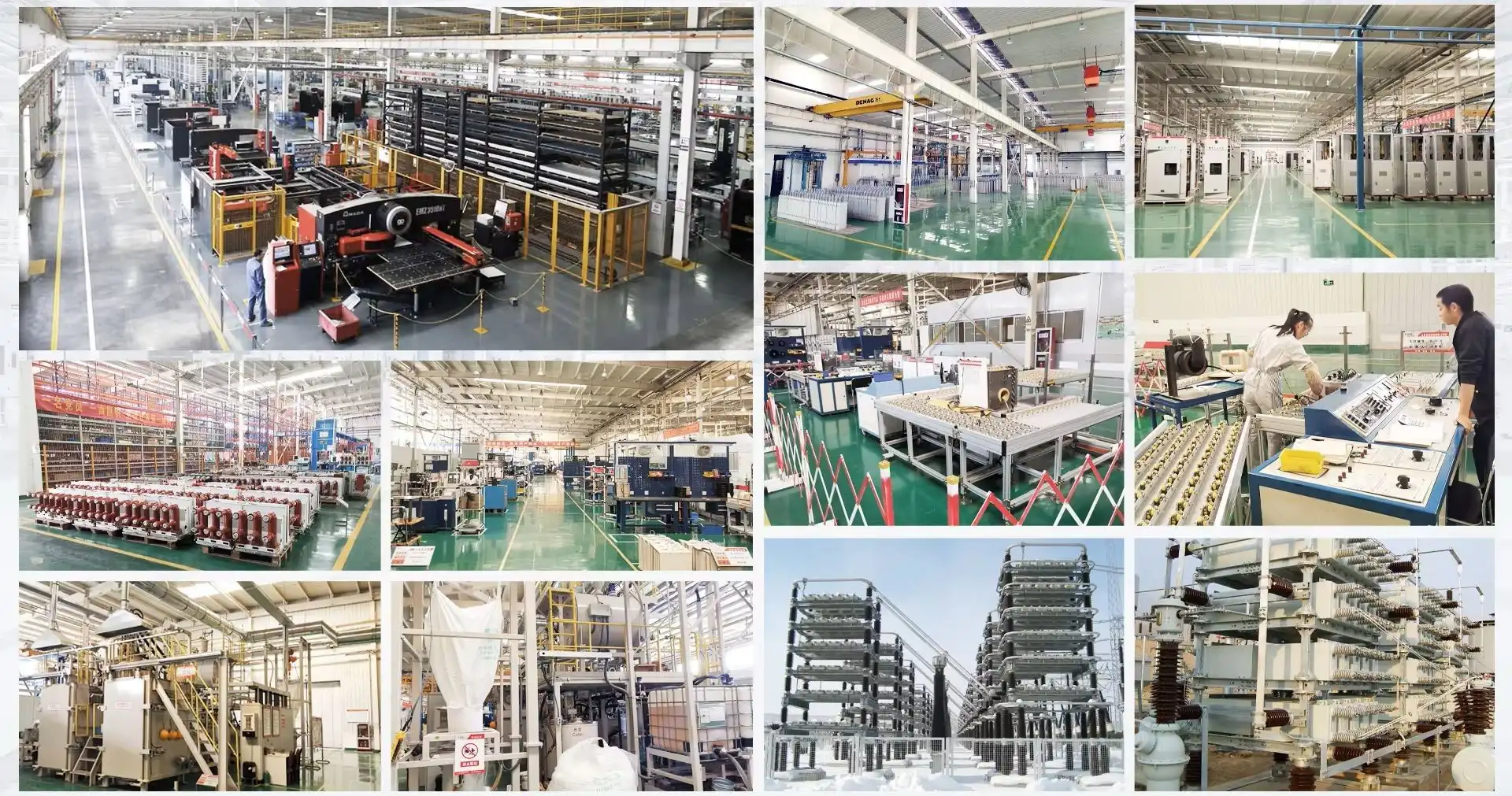
In Xi'an Xikai's 40-year history of making, more than 200,000 units have been used in more than 50 countries, from desert solar sites in Saudi Arabia to mining operations in the Arctic in Canada. Our plateau-rated versions work reliably at 4,000 meters, where 30% less air density makes the insulation less strong. When compared to soldered lugs, bent copper plate ends make it easier to connect busbars during retrofits and require 25% less work during installation. IoT-enabled sensors keep an eye on the temperature and number of operations of contacts. They send out predicted repair alerts that cut down on unplanned outages by 60%.
Installation and Maintenance Best Practices
Step-by-Step Installation Procedures
Foundation levelling that is accurate to within ±1mm stops insulators from being out of line, which puts extra mechanical stress on porcelain skirts and is the main reason why flashovers fail. Torque wrenches that are set to 95 N·m make sure that M24 mounting bolts clamp in place without damaging the fibre washers. Use laser distance meters to make sure that the phase spacing fits the plan drawings. A 10 mm difference can change the electric field distributions enough to lower the corona inception voltage by 8%. Apply conductive grease that can withstand 150°C of constant contact to all bolted connections. Next, use thermographic scans with 80% load to find areas that are hotter than the surrounding temperature.
Routine Maintenance Protocols
As part of yearly checks, deionised water is used to clean insulator surfaces to get rid of conductive contamination that causes leaking current to rise. Microhm meters are used to measure contact resistance. Readings above 100 microohms mean the springs are worn and need to be replaced. Try to close grounding switches with the main blades on to check the interlocking mechanisms. If they are working right, this process should be physically stopped. Molybdenum disulphide grease marked for -50°C should be used to grease the pivot points so that they don't get stuck when moving in the winter.
Verifying Safety Features
According to OSHA 1910.147 guidelines for multi-craft maintenance teams, lockout/tagout rules must be able to handle six padlocks. Use 15kV insulation tests on any obvious break gaps to make sure the air dielectric strength is higher than 3kV/mm. The NEMA 3R weatherproof rating protects internal parts from rain and sleet, but the gasket needs to be replaced every 60 months because silicone compounds harden. In places with a lot of pollution, these steps make the service life of the Outdoor disconnect switch longer than 30 years.
Conclusion
Outdoor disconnect switches are an important part of modern grid safety plans because they offer features that circuit breakers and fuses can't, like obvious separation, weather resilience, and fault segmentation. The GW5 series from Xi'an Xikai is an example of how engineering has improved because it has stainless steel gearbox systems, maintenance-free aluminium alloy profiles and the ability to be installed on either side, which allows for a variety of substation layouts. When purchasing managers weigh up initial prices against long-term dependability, gadgets that have been certified by IEC 62271-102 and IEEE C37.32 are found to be valuable. Specifications that are in line with voltage ratings, contact resistance limits, and weather conditions have a direct effect on the safety of workers and the continuity of operations in business buildings, utility networks, and industrial plants.
FAQ
1. Can outdoor disconnect switches integrate with solar panel systems?
Yes, 1,000V DC Outdoor disconnect switches keep solar panels from connecting to inverters while they are being serviced or when there are problems with the power grid. In offshore wind-solar hybrid systems, models with arc-resistant shelters rated NEMA 4X can handle salt spray from the coast. Check that the DC interruption ratings are higher than the string's maximum voltage when it's not connected to anything.
2. How do disconnect switches differ from circuit breakers in data centers?
Even though circuit breakers stop fault currents, they don't have the clear open gaps that NEC 110.16 says are necessary for assured isolation. Technicians can work on UPS systems and distribution panels safely thanks to Outdoor disconnect switches placed ahead of transfer switches. Putting both devices together gives you full protection and verifiable de-energization.
3. What ensures code compliance during installation?
Hiring qualified electricians who know the NFPA 70E arc flash limits will stop violations. Sending packages with IEEE C37.32 test reports shows that the equipment is acceptable to the authorities that have control. Before turning on the power, torque values, insulation resistance, and the order of operations are checked by a third party following NETA standards.
Partner with Xi'an Xikai for Outdoor Disconnect Switch Solutions
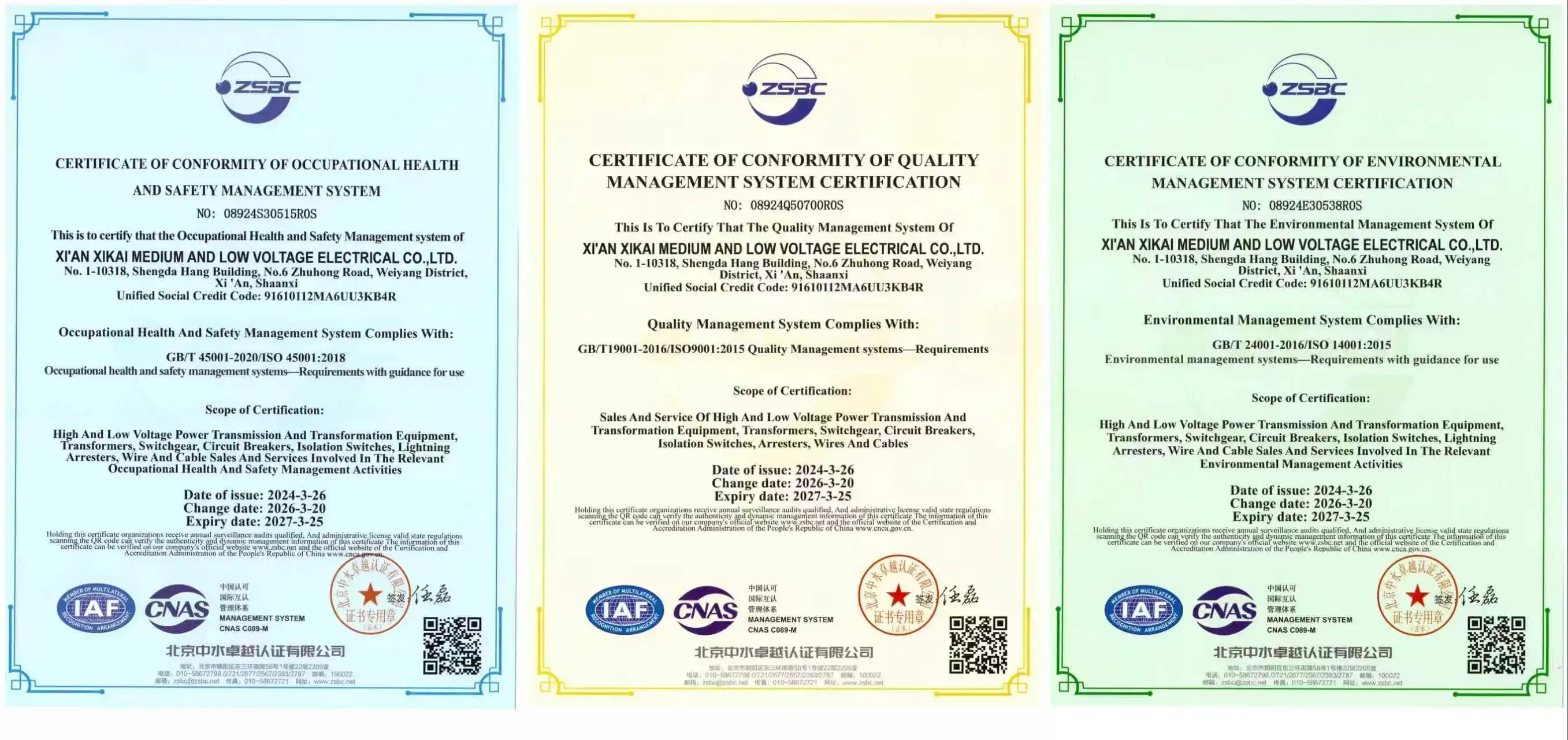
The Xi'an Xikai Medium & Low Voltage Electric Co., Ltd. offers engineered switchgear solutions, as well as production that is ISO 9001-certified and expert help that is available 24/7 in multiple languages. Our GW5 high-voltage Outdoor disconnect switch set can work in very cold or very hot conditions, can be installed on either side, and keeps the contact resistance below 75 microohms for more than 30 years. Whether you're designing new industrial distribution networks or updating old substation infrastructure, our team can help. We offer customised specifications, factory acceptance testing documentation, and fast logistics to make sure projects are finished on time. Request detailed datasheets, approved test reports, and bulk prices for manufacturers meeting your grid dependability goals by contacting our procurement experts at serina@xaxd-electric.com, amber@xaxd-electric.com, or luna@xaxd-electric.com.
References
1. Institute of Electrical and Electronics Engineers, "IEEE Standard for High-Voltage Switchgear and Controlgear – Part 102: Alternating Current Disconnect Switches," IEEE C37.32-2019, 2019.
2. International Electrotechnical Commission, "High-Voltage Switchgear and Controlgear – Part 102: Alternating Current Disconnect Switches for Rated Voltages Above 1 kV," IEC 62271-102:2018, 2018.
3. National Fire Protection Association, "Standard for Electrical Safety in the Workplace," NFPA 70E-2021, 2021.
4. Occupational Safety and Health Administration, "Control of Hazardous Energy (Lockout/Tagout) Standards," OSHA 1910.147, U.S. Department of Labor, 2020.
5. National Electrical Manufacturers Association, "Enclosures for Industrial Controls and Systems," NEMA Standards Publication 250-2020, 2020.
6. InterNational Electrical Testing Association, "Standard for Commissioning Electrical Power Distribution Systems," NETA ATS-2021, 2021.
_1774411186884.png)