-square BKMJ_1758505876091.webp)
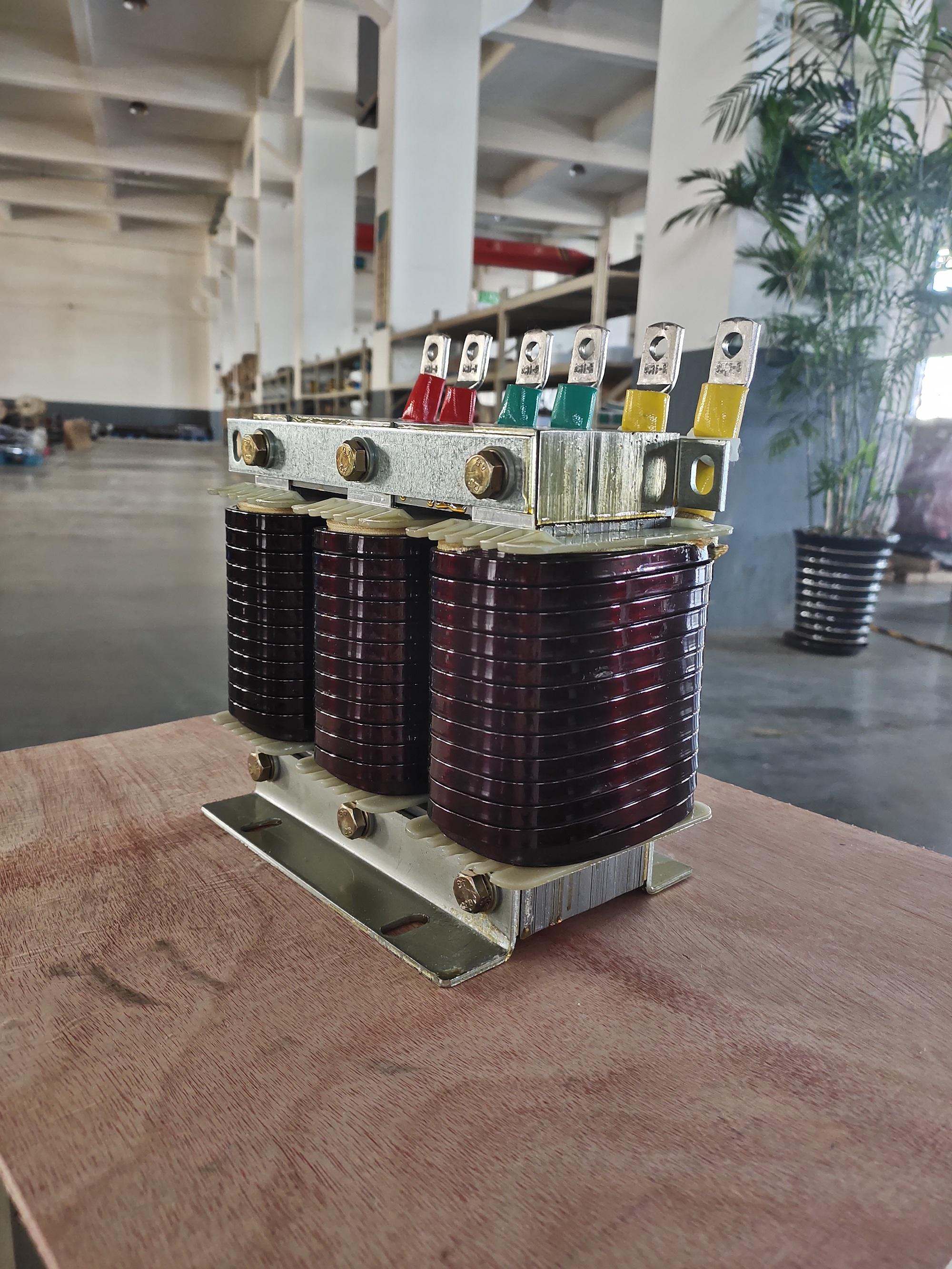
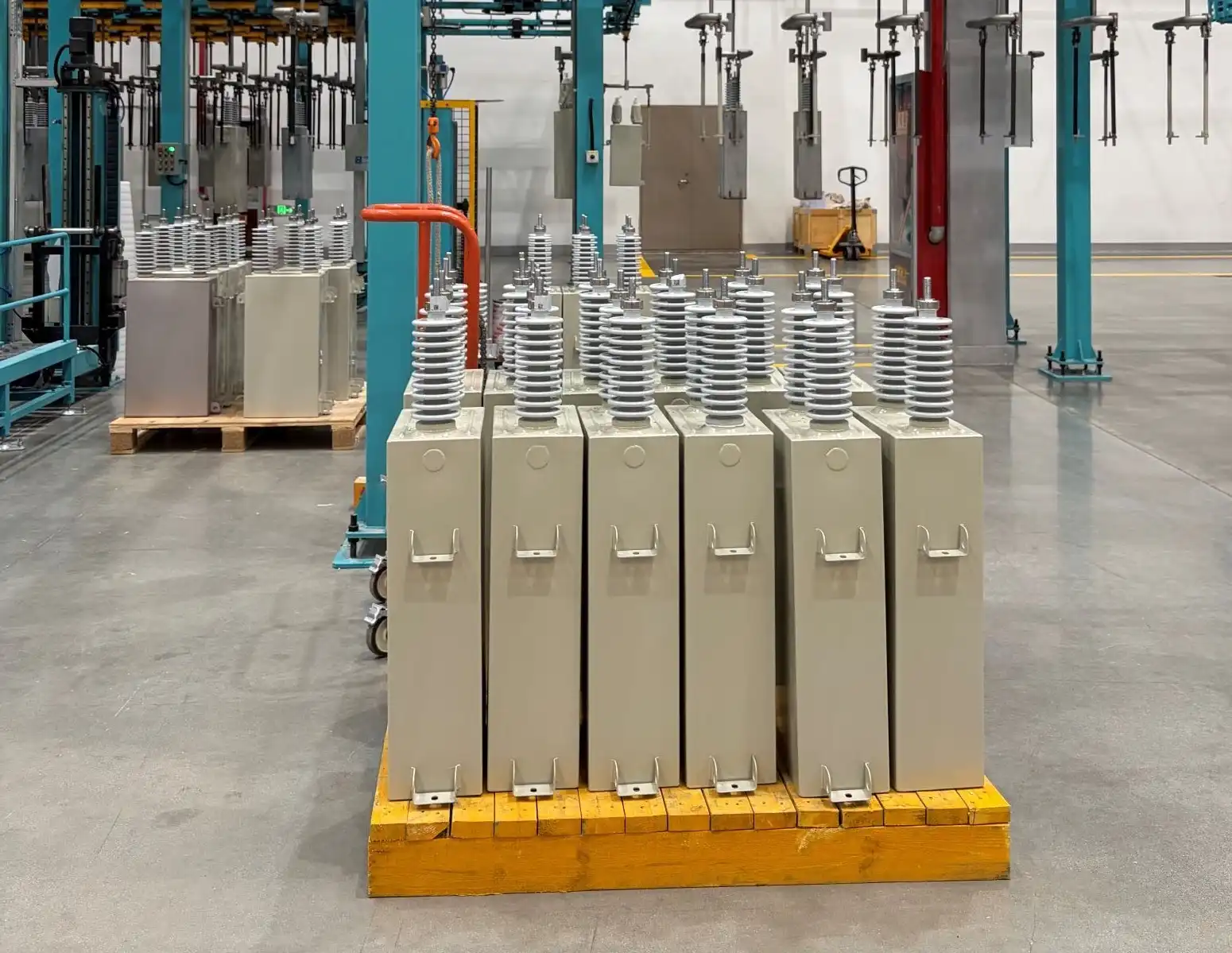
50KVAR Self-healing Capacitor for PFC(Power factor correction)-square BKMJ
The Benefits of Using Self-Healing Capacitors in Modern Systems
2026-02-25 16:15:30
Electrical infrastructure must be unparalleled in dependability, efficiency, and uptime. Self-healing capacitors with metallized film correct internal flaws instantaneously. Other capacitors fail catastrophically when dielectric breakdown occurs, whereas self-healing ones isolate damaged areas instantaneously, maintaining system continuity. To avoid costly and harmful outages, industrial, data, utility, and renewable energy installations need this feature.
 |
 |
Understanding Self-Healing Capacitors: Technology and Construction
Passives avoid capacitor failures early. Understanding these devices' structure, operation, and material science explains their durability.
What Makes Self-Healing Capacitors Different?
Self-healing capacitors use MKP dielectrics. This design differs substantially from foil-based ones. Microseconds of dielectric breakdown from manufacturing flaws, voltage transients, or material deterioration evaporate ultra-thin aluminum-zinc metallization. Conductive material vaporizes in a regulated radius around the fault at high breakdown energy.
Vaporization insulates damaged portions, maintaining capacitance. Despite 0.1% capacitance loss from healing, the capacitor area operates. Over 100,000 hours, utility-scale installations self-correct.
Internal Construction and Material Components
Layering protects these electronics from industry. The dielectric layer's bidirectional polypropylene sheet is strong and thermally stable. For space-constrained installations, thinner films (3–12 micrometers depending on voltage) offer smaller designs.
Fault vaporization is controlled by vacuum-deposited aluminum-zinc alloy electrode metalization. Zinc reduces electrical performance, while pure aluminum vaporizes slowly. Conductivity and self-healing are balanced in the alloy. Manufacturers frequently test this ratio from -40°C to +85°C for reliability.
Encapsulation is another design element. Flame-resistant epoxy glue leaks less than oil-filled cans in NFPA 70 current units. Unlike oil-impregnated designs, solid-state ones can withstand mechanical vibrations, wetness, and temperature cycling. For electrical integrity, outdoor substations and industrial enclosures use corrosion-resistant brass terminal connections with screw-down or soldering interfaces.
Types and Functional Variations
Uses for self-healing capacitors vary. By optimizing reactive power adjustment, industrial power factor correction capacitors stabilize voltage and reduce utility use. These devices reduce reactive power waste 15-30% during continuous duty cycles, harmonic filter capacitors lower 150Hz–2500Hz VFD, switch-mode power supply, and renewable energy inverter voltage distortions. Tighter tolerances and enhanced current-handling allow them to handle 100 times rated capacity transient harmonic currents.
HVAC, pump, and conveyor motor run capacitors provide single-phase motor starting torque and phase correction. EV charging, solar inverters, and energy storage require DC-link capacitors. Each option optimises materials and construction for electrical and environmental objectives.
Key Advantages of Self-Healing Capacitors in Modern Applications
Technical expertise aids facility operators, utility engineers, and system integrators with complex issues. Advantages define self-healing technology's value.
Extended Service Life and Fault Tolerance
Standard capacitors fail. Derating and replacement reduce catastrophic failures. This changes with self-healing tech.
Field evidence demonstrates capacity prolongs industrial facility life. Steel mill and car assembly line capacitor banks self-heal hundreds of times and last 15 years without maintenance. Healing lowers active capacitance, enhancing fault tolerance.
Overall ownership, longevity saves 40% on replacement. Maintenance prefers scheduled replacements over emergencies. Hospital power systems and data centers, which cost tens of thousands per minute, suffer most.
Performance Under Harsh Operating Conditions
Industrial stress degrades electrical components. Variable temperatures, humidity, mechanical vibrations, and electrical transients stress sensitive equipment. Strong materials make self-healing capacitors last.
Seasonal outdoor electric substations and enclosed motor control centers with insufficient ventilation demand temperature stability. Epoxy encapsulation protects conventional systems from moisture, while polypropylene dielectric maintains electrical qualities at cold and desert conditions. Southwest US transformer platforms can withstand 50°C summers.
Mechanical stress from spinning machinery, conveyors, and material handling equipment need industrial vibration resistance. The solid-state architecture eliminates liquid dielectrics and fatigue-prone internal components. Direct equipment frame installation can withstand mining and cement facility vibrations that wrecked previous capacitors.
Energy Efficiency and Power Quality Improvements
Power efficiency and reliability improve with self-healing capacitors. Internal heat losses are minimized by their low dissipation factor—usually below 0.0005 at rated frequency. Years of operation save energy and power.
Power factor correction applications best demonstrate these benefits. Without modification, manufacturers with significant motor loads, welding equipment, and induction heating systems have 0.70–0.85 lagging power factors. Low power factor demand charges raise monthly utility costs 15-25%. Good capacitor banks can increase power factor to 0.95 or higher, minimizing facility wiring transmission losses and fines.
Industrial power quality increases with harmonic filtering. In electrical distribution networks, LEDs, variable-speed motors, and computers generate harmonic currents. Distortions heat transformers, break circuit breakers, and damage fragile equipment. Tuned filter capacitors reduce harmonics for IEEE 519 voltage waveform quality.
Advantages of these devices across applications:
- Manufacturing plants: Remove power factor penalties of 5-20% of base demand charges to safeguard CNC machines, robotic systems, and automated assembly lines from voltage sags and harmonic interference that destroy precision.
- Protect server farms and network infrastructure from microsecond power changes that could delete thousands of user data.
- MRI scanners, surgical robots, and monitoring systems need voltage regulation for patient safety.
- To boost renewable energy penetration without grid instability, protect grid-tied solar and wind systems from intermittent generation voltage swings.
These benefits reduce production continuity difficulties that cost industries billions in unplanned downtime, quality issues, and equipment damage. Operating during power interruptions boosts client reliability.
Comparative Analysis with Alternative Technologies
Understanding dielectric technology performance trade-offs aids capacitor evaluation. Film capacitors without self-healing have good electrical qualities but low fault tolerance, making them unsuitable for high-reliability applications. Mechanical fragility and voltage coefficient effects limit industrial micro ceramic capacitor application.
Electrolytic capacitors provide high capacitance density in small packages but a 2,000–10,000-hour lifespan due to electrolyte evaporation and seal failure. ESR heat damages high-current applications faster. Thermal stability, restricted aging, and fault prevention let self-healing film capacitors overcome these restrictions.
How to Choose and Procure Self-Healing Capacitors for Your Business Needs?
Technology, budget, delivery schedules, and supplier capabilities should guide capacitor selection. Application-specific operating conditions must be assessed by engineers.
Critical Selection Criteria
Facility load patterns and power factor targets affect reactive power compensation capacitor value. Oversizing uses energy and generates power factor difficulties that require utility fines, while undersizing misses targets. Optimizing capacitance depends on equipment load, motor horsepower, and transformer ratings.
In voltage rating, consider nominal voltage, expected transients, and derating factors. Over80% capacity voltages short capacitors. For voltage shifts and switching transients, 480V systems use 525V or 600V. Insulated medium-voltage capacitors for 12.47kV and 34.5kV substations are needed.
Environmental tolerance and self-heating are rated. Enclosed control panels can reach 15-20°C above room temperature without forced cooling, requiring high-temperature capacitors. Outdoor systems in tough climates need more temperature range.
Bulk Purchasing Strategies
Strategic sourcing enhances pricing and supplier continuity for large project or standardized procurement managers. Volume pricing cuts unit prices 20–35% over spot. Negotiating annual blanket orders with scheduled releases assures budget and availability during busy building seasons.
Project milestone capacitor delivery requires timing. Catalog goods take 2-4 weeks for technical evaluation and manufacturing scheduling, whereas customized specs take 8-12 weeks. Designing early with suppliers cuts component shortages.
Supplier evaluation goes beyond price to quality certificates, production capacity, and technical support. Quality makers use American, European, and Chinese UL, CE, and CCC product certifications and ISO 9001 quality management systems. These certifications ensure component safety and performance.
Working with Reliable Suppliers
Expert capacitor makers and distributors are worth consulting beyond sales. Test data interpretation, application questions, and field concerns require technical assistance. Application engineers change system designs, derating, and protection.
Manufacturer warranties demonstrate product reliability. Manufacturer warranties exceed 24-36 months. Understand warranty exclusions—especially overvoltage, improper installation, and environmental exposure—to set expectations and precautions.
How well vendors address difficulties depends on after-sales support. Regional technical centers, field service teams, and rapid stock replacement reduce component failure downtime. This network allows mission-critical software remote installs without interruption.
Practical Maintenance and Technical Support for Self-Healing Capacitors
Technical expertise and proactive maintenance enhance capacitor ROI. Self-healing technology reduces failures, but continuous testing detects degradation trends before they impede system operation.
Testing Methods and Performance Verification
Capacitance is compared to nameplate ratings using precision bridges or impedance analyzers. Age-indicating capacitance loss is 2–5% each year due to self-healing and dielectric absorption. When drops exceed 10%, overvoltage, harmonic distortion, or thermal excursions are needed.
Capacitance measurements neglect dielectric deterioration and internal losses. Assess diffusion. Replace 50% more than manufacturer recommends for advanced aging. Monitoring these metrics during scheduled downtime prevents part failure.
Megohms measure terminal-ground dielectric. Treat moisture or insulation failure below 1000 megohms quickly. This test restores exterior weatherproofing.
Best Practices for Industrial Environments
How capacitors are installed prevents failure. Without thread damage, M8 stud terminal contact pressure must exceed 7-10 Newton-meters. Heat from weak connections causes terminal degradation and fires.
Overheating and capacitor bank lifespan are reduced by airflow. The manufacturer recommends 50-75mm side and 150mm top clearances for convective cooling. Mechanical ventilation aids enclosed spaces when natural circulation fails.
Fuses and surge arresters limit capacitor ratings. Fusion separates faulty multi-unit banks without damaging capacitors. Metal oxide varistors clamp transient overvoltages before lightning or switching strain capacitor insulation.
Maintenance Team Decision Guidelines
Maintenance repairs or replaces capacitors economically based on criteria. Capacities below 90% of rating should be changed regardless of appearance since they impair power factor adjustment and may indicate internal degradation before catastrophic collapse.
Swollen cases, leaking encapsulation, and corroded terminals need immediate repair. Self-healing cannot repair such serious damage. Maintaining compromised units endangers people and gear.
Technical assistance aids maintenance teams with unusual symptoms and applications. 24/7 technical hotlines, field service visits, and engineering guidance help manufacturers solve complex issues and improve system performance.
Our Commitment to Quality and Innovation in Capacitor Solutions
China's leading electrical distribution equipment manufacturer, Xi'an Xidian Medium & Low Voltage Electric Co., Ltd., has decades of engineering knowledge in every capacitor we make. We design our extensive product line for several industrial sectors with dependability, efficiency, and long-term value. Our self-healing capacitor plants use automated winding, accurate metallization, and environmental test chambers to ensure quality. Each gadget is tested for 72 hours to replicate years of field use under accelerated settings to find issues before users do. Our testing laboratories ensure our products fulfill CE labeling for Europe, RoHS compliance, UL recognition for North America, and CCC certification for domestic purposes using IEC 60831-1/2 international standards and calibration traceability.
To optimize performance, our application engineering team reviews load parameters, harmonic spectra, and capacitor bank designs with clients. This integrated approach cut industrial energy costs 15-30% and enhanced utility substation voltage management. Engineering support is needed for uncommon voltage ratings or environmental concerns. Through project lifecycles, our customer-focused account managers provide technical resources and address issues rapidly. Our plateau-type equipment at 4,000 meters shows our dedication to State Grid and renewable energy.
Conclusion
Traditional technologies cannot match modern electrical infrastructure reliability, efficiency, and longevity standards like self-healing capacitors. Automatic internal fault rectification prevents unexpected breakdowns and costly emergency repairs. Protecting equipment and reducing power factor penalties assist manufacturing companies. Utility service improves using grid stability tools. Integration uses tested, supported parts.
Precision manufacture, epoxy encapsulation, and metallized polypropylene film enable arctic and desert operation. Renewable energy, industrial automation, commercial buildings, and utility substations are flexible uses. Good specifications, reliable suppliers, and proactive maintenance enhance service life and reduce downtime, enhancing ROI.
Frequently Asked Questions
1. How does the self-healing mechanism extend capacitor lifespan?
Dielectric breakdown quickly vaporizes the fault's metallized covering, isolating the damage and sustaining operation. The capacitor's autonomous repair process resists thousands of fault events that would harm prior designs, extending service life from 3-5 years to 15+ years in demanding industrial applications.
2. What applications benefit most from self-healing technology?
Manufacturing with large motor loads, data centers that need uninterrupted power, hospitals with life-critical equipment, and renewable energy installations with voltage changes benefit most. Applications where unexpected downtime causes major financial losses or safety risks require reliable capacitors.
3. How do self-healing capacitors compare to ceramic or electrolytic alternatives?
Compared to electrolytic capacitors, self-healing film capacitors have higher voltage, service life, and temperature stability. They have higher capacitance, lower voltage coefficients, and better mechanical endurance than ceramics while being larger. Self-healing is unique to this tech.
Partner with Xi'an Xidian for Reliable Self-Healing Capacitor Solutions
Advanced power quality solutions from Xi'an Xidian meet modern industrial and utility needs. As a leading self-healing capacitor manufacturer, we create premier self-healing capacitors using unique metallized film technology and strict quality assurance to maximize uptime and lower overall ownership costs. Our products enable power factor correction, harmonic filtering, and other needs with extensive technical support and prompt customer service.
Procurement, facility managers, and engineering teams can learn how our capacitor solutions improve system reliability and efficiency. Discuss your needs with our technical professionals at serina@xaxd-electric.com, amber@xaxd-electric.com, or luna@xaxd.com. Our team provides extensive datasheets, application help, and project-specific estimates.
References
1. Chen, W., & Liu, Y. (2021). "Advanced Metallized Film Capacitors for Power Electronics Applications." Journal of Electrical Engineering and Technology, 16(4), 2145-2158.
2. International Electrotechnical Commission. (2019). "IEC 60831-1: Shunt Power Capacitors of the Self-healing Type for A.C. Systems Having a Rated Voltage up to and Including 1000 V – Part 1: General Performance, Testing and Rating." Geneva: IEC Publications.
3. Kumar, S., & Patel, R. (2020). "Self-Healing Mechanisms in Metallized Polypropylene Film Capacitors: A Comprehensive Review." IEEE Transactions on Dielectrics and Electrical Insulation, 27(3), 1024-1037.
4. National Fire Protection Association. (2020). "NFPA 70: National Electrical Code." Quincy, MA: NFPA Publications.
5. Rodriguez, M., & Thompson, J. (2022). "Power Factor Correction in Industrial Facilities: Technologies and Economic Analysis." Energy Efficiency in Industrial Systems, 15(2), 89-107.
6. Zhang, H., Wang, X., & Li, Q. (2021). "Reliability Analysis of Self-Healing Capacitors in Utility Grid Applications." Power Systems Research Journal, 42(1), 156-169.
_1774416563318.png)