Top Circuit Breaker Technology Trends 2026
2026-03-12 15:42:23
The electrical security business is at a major changing point. Digitalisation, calls for sustainability, Circuit Breaker, and better safety standards in many industrial settings are all pushing circuit breaker technology to change quickly. Electrical safety systems today are more effective and efficient than those from the past because they use better materials, are connected to the Internet of Things (IoT), and have artificial intelligence (AI). These new ideas are big steps forward because they change how sites handle power transfers, cut costs, and keep important systems running even when conditions are tough.
 |
 |
 |
Emerging Smart Circuit Breaker Technologies
Adding Internet of Things (IoT) features to real-time monitoring systems turns simple circuit breakers into high-tech smart gadgets. These smart security systems offer planned maintenance and full remote diagnostics, which help industrial and business facility managers cut down on unplanned downtime and keep operating costs low.
IoT Integration and Real-Time Monitoring
These days, smart circuit breakers have sensors built in that constantly check electrical factors like voltage, current flow, temperature changes, and signs of mechanical wear. Facility managers can spot possible problems before they become expensive failures because of this constant surveillance. This proactive method is especially helpful in places like data centers, factories, and hospitals, where power outages without warning can cost a lot of money and put people's safety at risk. Monitoring in real time can do more than just track parameters. Power quality measures, harmonics, and load trends are looked at by more advanced systems to help find ways to use energy more efficiently. These smart protection devices help industrial sites cut down on unplanned power outages by 40% and upkeep costs by up to 35% compared to old systems.
Enhanced Communication Protocols
New transmission protocols, like Modbus TCP/IP and IEC 61850 standards, make it possible for old equipment and new industrial automation systems to work together without any problems. These standards make it easier for tools from different companies to work together. This lets engineering, procurement, and building firms create electrical safety systems that are more flexible and scalable. Utility companies can also use standardised communication platforms to help them put in place full grid control strategies. Operators of distribution systems can now keep an eye on and control protection devices that are spread out across big, geographically dispersed networks. This makes the grid more stable and reliable overall while making operations easier.
Cybersecurity Considerations
Cybersecurity is becoming more important as more electrical Circuit Breaker devices are linked together. Strong security systems that meet industry standards like IEC 62351 and NERC CIP are used by top makers. These security steps keep important equipment safe from possible cyber threats while still letting it work normally. Communication encryption, authentication methods, and intrusion detection systems are all parts of multi-layered security. When managers choose smart safety tools for factories, they should carefully look at the hacking features to make sure they are in line with government rules and company security policies.
Advances in Circuit Breaker Materials and Design
New discoveries in materials science have made it possible to make high-performance composites and better plastics. This means that equipment can be smaller and lighter without losing its safety or durability. These new ideas have a direct effect on how quickly and reliably equipment is set up and used in a variety of situations.
Lightweight Composites and Advanced Polymers
With new composite materials, tools can be up to 25% lighter than older models while still having the same or higher tensile strength. This lighter weight makes installation easier, eliminates the need for structural support, and makes it easier to put in places with limited room. Modern polymer insulation methods keep heat in better and are more resistant to environmental damage. These materials keep their electrical qualities over a wider range of temperatures and are better at withstanding UV light, water, and chemical contaminants that are common in industrial settings.
Miniaturization and Modular Design
Electrical panel configurations that don't take up much room can be made possible by small designs. This is helpful in residential, commercial, and industrial settings where space costs affect design decisions. Using modular building methods makes upkeep and replacing parts easier. Internal parts are also made using modular design principles, which means that security features can be changed without having to replace the whole piece of equipment. That it can be changed easily is especially helpful for projects that need to use old electrical systems and change them to fit new safety measures or changing load needs.
Improved Trip Unit Technologies
Electronic trip units now have safety settings that can be changed in a lot of ways to fit different load patterns. Modern thermal and magnetic protection methods cut down on trips that aren't needed and give accurate fault detection in a lot of different working conditions. These changes directly address problems that factories and data centers have, because they need solid electrical safety to keep making things.These days, trip units have zone-selective interlocking features that make sure that security responses are coordinated across multiple circuit breaker levels. This coordination makes sure that only the circuit breaker closest to the problem is turned on. This keeps parts of the electrical system that aren't affected from being affected too.
Intelligent Protection and Fault Detection Mechanisms
The integration of artificial Circuit Breaker intelligence and machine learning enhances fault analysis accuracy and trip logic sophistication. These technologies enable protection systems to adapt to changing operating conditions while maintaining optimal performance.
AI-Powered Fault Analysis
Machine learning algorithms analyze historical fault data and real-time system conditions to improve fault monitoring accuracy. These smart systems can distinguish between transient issues and actual faults, preventing unnecessary equipment tripping while maintaining comprehensive protection. AI-driven protection systems learn from operational usage and site-specific conditions. This adaptive protection approach performs effectively in manufacturing facilities with variable load patterns, where traditional fixed-setting protection methods often struggle.
Advanced Diagnostic Capabilities
Enhanced monitoring tools provide detailed insights into equipment health, wear patterns, and performance. Facility operators can implement data-driven preventive maintenance plans to maintain high reliability standards while reducing lifecycle costs. In SF6 circuit breakers, diagnostic devices monitor gas pressure levels, contact wear, spring tension, and operating mechanism performance. This comprehensive health tracking allows for planned component replacement and prevents sudden failures that could disrupt facility operations.
Self-Healing Technologies
New self-healing technologies enable security equipment to resolve temporary faults automatically without human intervention. These systems analyze fault characteristics and system conditions to determine when automatic reclosing is appropriate, improving overall system availability. The practical limitations of self-healing technologies must be carefully considered. Engineering firms need to evaluate application settings and coordination requirements to ensure that automatic reset functions enhance system safety and reliability rather than compromising them.
Sustainable and Energy-Efficient Circuit Breaker Solutions
Environmental sustainability is driving significant changes in the design and manufacturing of safety equipment. Circuit breaker manufacturers are increasingly adopting eco-friendly materials and energy-efficient features.
Environmentally Friendly Materials
Manufacturers are embracing sustainability through eco-certified insulating compounds and low-impact production methods that meet global environmental standards. These materials eliminate or reduce harmful substances while maintaining the required electrical and mechanical performance. As global environmental regulations become stricter, SF6 alternatives are growing in popularity. Both clean air technology and fluoroketone-based insulation systems deliver comparable electrical performance with significantly lower global warming potential. These alternatives help facilities comply with evolving environmental regulations, with some fluoroketone mixtures achieving dielectric strength nearly twice that of SF6 when properly formulated.
Smart Load Management
Intelligent load management enables real-time Circuit Breaker energy balancing, helping businesses and factories reduce electricity consumption and optimize energy utilization. These devices automatically adjust safety settings based on real-time demand and grid conditions. Case studies from large factories show that smart load control systems can reduce energy usage by 8 to 15%. Data centers report similar savings, particularly during peak demand periods when energy rates are highest.
Extended Service Life and Durability
Design improvements aim to extend service life, reduce replacement frequency, and minimize energy waste. Enhanced arc interruption technologies, advanced contact materials, and improved mechanical components enable longer intervals between maintenance visits. Extended service life directly supports corporate sustainability goals and lowers operating costs. According to facility managers, modern, durable protection equipment reduces the total cost of ownership by 20 to 30% compared to older systems that require frequent maintenance and replacement.
Procurement Insights and Market Trends for 2026
In the competitive safety equipment market, well-known companies differentiate themselves through innovation, reliability, and application-specific solutions. The market continues to evolve as customer priorities shift due to digital transformation and sustainability demands.
Leading Market Players and Innovations
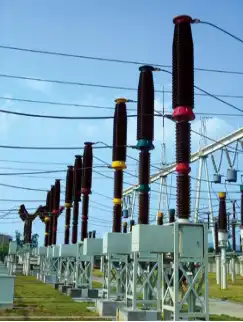
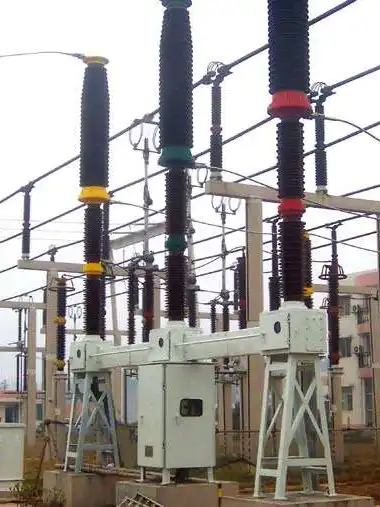
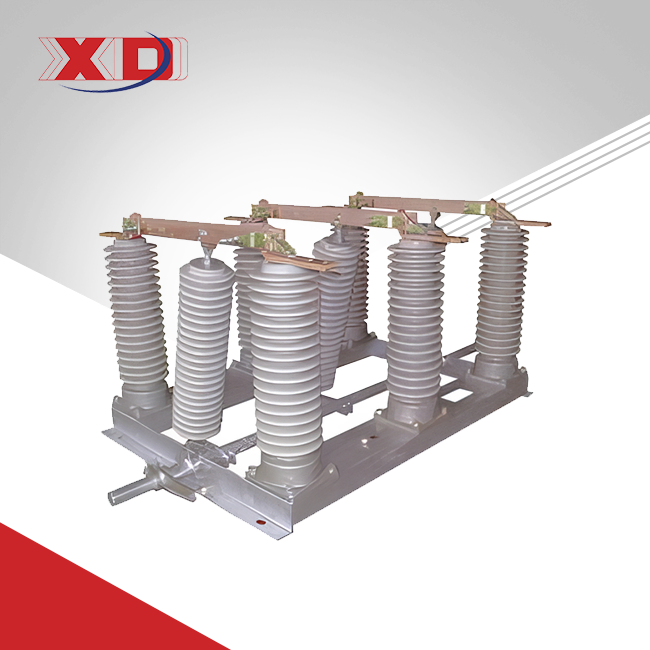
Well-known companies in the market include Schneider Electric, Siemens, ABB, and Eaton. They are known for having a wide range of products and using cutting-edge technologies. Each company targets a different group of customers and makes a wide range of goods that can be used in business, industry, and utilities. One way that regional companies like Xi'an Xidian show they can compete is by making specialised goods that can work in harsh conditions. The LW25-/Y4000-50 high-voltage SF6 circuit breaker is a great example of modern engineering. It has good stoppage performance, low noise, and easy installation.
Selection Criteria and Best Practices
To choose the right tools, you need to carefully look at its voltage ratings, trip characteristics, ability to work in different environments, and operational needs. Creating detailed specifications that meet current needs and allow for future growth is good for engineering and procurement businesses. Certification requirements, like meeting 3C, CE, and UL standards, make sure that technology is in line with local laws. Facilities that work in more than one area must carefully check their certification coverage to stay in compliance and keep their insurance eligibility.
Procurement Trends and Supply Chain Considerations
Online procurement sites and bulk purchasing agreements make it easier to get things for big projects and save money at the same time. Digital procurement tools make it easier to compare detailed specifications and speed up the review of vendors. Distributor dependability is still very important for keeping supply chains running smoothly and finishing projects on time. When you have long-term relationships with reputable suppliers, you can get technical help, training materials, and spare parts for as long as the equipment lasts.
Conclusion
The Circuit Breaker business is still changing quickly as we move toward 2026. Electrical security equipment is getting a lot better thanks to smart technologies, new materials, safety systems powered by AI, and eco-friendly design principles. These changes directly meet the main needs of engineering firms, factories, and energy companies that want security solutions that are reliable, effective, and cost-effective. Modern protection systems have real benefits, such as lower maintenance costs, better operating efficiency, and better safety performance. When digital technologies are combined, planned preventive repair can be done. This cuts down on unplanned breakdowns and lowers the total cost of ownership.
FAQ
1. What are the main components of modern smart circuit breakers?
There are five main parts that make up modern smart circuit breakers: intelligent trip units with built-in sensors, advanced working mechanisms, reinforced molded frames, effective arc chutes, and different types of contacts, such as main, arcing, and secondary contacts. The trip unit is the brain of the system; it constantly checks the electrical factors and works with the working mechanism to quickly respond to faults.
2. How do AI-powered protection systems improve facility operations?
Protection systems that are driven by AI look at both past data and current conditions to improve the accuracy of problem detection and lower the number of unnecessary trips. These systems can change the way a building normally works and tell the difference between short-term problems and real ones. When factories use intelligent safety technologies, they report up to 35% lower repair costs and 40% fewer unexpected power outages.
3. What environmental benefits do modern circuit breakers provide?
Modern circuit breakers use insulation substances that are better for the environment, alternatives to SF6, and manufacturing methods that use less energy. Through dynamic power optimization, smart load control features help buildings cut their energy use by 8–15%. Longer service lives and modular designs cut down on the number of replacements needed and the amount of electricity trash that is made.
Ready to Upgrade Your Electrical Protection Systems?
Xi'an Xidian is ready to help you with your next electrical Circuit Breaker safety project by providing you with cutting-edge circuit breaker options made for tough industrial uses. We have a wide range of products, such as high-voltage SF6 circuit breakers, vacuum circuit breakers, and smart safety systems that are designed to be as reliable and efficient as possible. As a top maker of circuit breakers, we offer custom solutions that are backed by ISO-certified production methods and thorough testing by a third party. Get in touch with our expert team right away at serina@xaxd-electric.com, amber@xaxd-electric.com, or luna@xaxd-electric.com to talk about your needs and find out how our cutting-edge protection technologies can help your building run better.
References
1. International Electrotechnical Commission. "Smart Grid Protection Systems: Technology Trends and Market Analysis 2025-2026." IEC Technical Report Series, 2025.
2. IEEE Power Engineering Society. "Artificial Intelligence Applications in Electrical Protection Systems: A Comprehensive Review." IEEE Transactions on Power Systems, Vol. 41, No. 3, 2025.
3. Global Energy Research Institute. "Circuit Breaker Technology Evolution: Materials Science and Design Innovation Report 2026." Energy Infrastructure Quarterly, 2025.
4. American National Standards Institute. "Cybersecurity Standards for Smart Electrical Protection Equipment." ANSI/IEEE Standard 2030.5-2025.
5. Environmental Protection Agency. "Sustainable Electrical Equipment Manufacturing: Industry Best Practices and Regulatory Compliance Guide." EPA Industrial Guidelines Series, 2025.
6. International Association of Electrical Manufacturers. "Market Trends in High-Voltage Circuit Breaker Technologies: Global Industry Analysis 2026." IAEM Market Research Division, 2025.
_1774404811357.png)