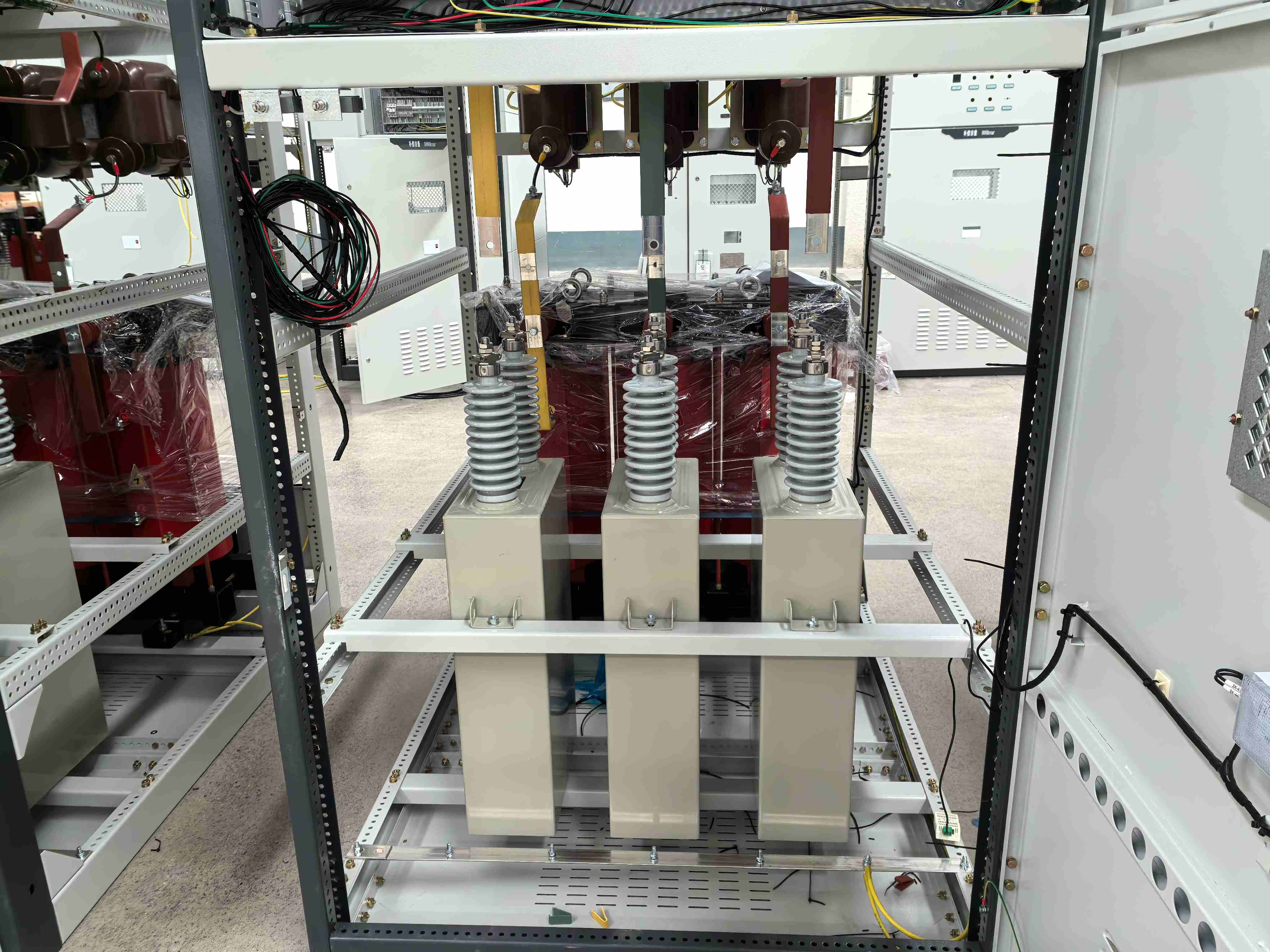
Top Self-Healing Capacitor Trends for 2026 Projects
2026-03-12 15:42:24
The science behind self-healing capacitors is a big step forward in how power is managed. Through 2026, it will make industrial uses more reliable. These high-tech capacitors fix themselves when they have small electrical problems. This lowers the number of common failure modes that affect factories and other important structures. Self-healing capacitors use metallised polypropylene film and smart fault isolation mechanisms to give mission-critical projects in data centers, hospitals, and industrial buildings the operational consistency that buying managers are looking for more and more.
 |
 |
Introduction
Self-healing capacitors are becoming more important for manufacturing and industry projects planned for 2026 because they need to be more reliable and have less downtime. As modern electrical infrastructure changes, it needs parts that can work well in harsh conditions and keep working at their best for long periods of time. Procurement managers, engineers, distributors, and OEM clients need to stay up to date on changing trends in order to make smart decisions about buying parts and managing the supply chain. Buying electrical parts has changed a lot; now, long-term dependability is more important than starting cost. Today, factories can't afford for equipment to break down without warning, which can stop production and cost a lot of money. To keep servers from crashing and data from being lost, data centers that handle private information need power that doesn't go out. Life-support systems and other sensitive medical devices in hospitals depend on stable electrical systems. This guide helps project managers make sure their projects are in line with the latest technological advances, market changes, and best practices for purchasing, which promotes innovation and savings in the global capacitor market. Businesses can make decisions that are both efficient and within their budgets if they know about these trends. This will help their operations succeed in the long run.
Emerging Technologies Driving Self-Healing Capacitor Innovation
Self-healing capacitors are more reliable than regular capacitors thanks to new technologies. They solve stability problems and failure modes that often cause expensive industry downtime. A big step forward is metallised film building, in which thin metal layers evaporate around weak spots, leaving behind isolated areas that keep the whole thing from breaking. This is in line with IEC 60831-1, the worldwide standard for metallised film capacitors, which says how well these devices should work.
Advanced Metallization Techniques
Modern metallisation methods use advanced vapour deposition methods to make electrode designs on dielectric films that are very exact. In these designs, split patterns stop the fault from spreading during times of high electrical stress. Metallisation thickness, which is usually measured in nanometres (100–500 nm for industrial capacitors), tells us how much energy is needed to fix problems and keep the best electrical properties. Engineers have come up with gradient metallisation patterns that keep the metal density even across the electrode surface while concentrating it at stress points. This method makes it easier for the capacitor to handle high-frequency switching jobs that are common in renewable energy transformers and variable frequency drives.
Dielectric Material Enhancements
Polypropylene film technology has come a long way. Manufacturers now use additives for self-healing capacitors that make the film more stable at high temperatures and better at releasing energy. These improved dielectric materials keep their insulating properties over a wider temperature range (-40°C to 105°C for standard industrial grades), so they can be used in harsh environments without losing their effectiveness. Understanding the microscale self-healing process helps explain how these capacitors keep working even when they are under a lot of electrical stress, which makes them a good choice for mission-critical applications that need long-term reliability. The self-healing process happens in microseconds and quickly finds problems and fixes them without any help from outside the circuit.
Top 5 Self-Healing Capacitor Trends to Watch in 2026
Several key trends will shape the self-healing capacitor market in 2026. A primary trend is their growing adoption in high-voltage and high-frequency applications requiring enhanced performance. Market research indicates that companies previously relying on older capacitor technologies are increasingly transitioning to self-healing options.
Trend 1: Integration in Renewable Energy Systems
Self-healing capacitors are increasingly used in renewable energy systems for power conditioning and harmonic filtering. Automatic fault recovery prevents system shutdowns during transient electrical events, making them well-suited for solar inverters and wind turbine controls. Grid-tied transformers in solar farms face consistent voltage fluctuations caused by cloud cover and temperature changes. Self-healing capacitors help stabilize DC bus voltage despite these variations, ensuring a consistent power supply to the grid. The technology is particularly useful in remote sites with limited maintenance access.
Trend 2: Enhanced Durability Solutions
Real-world case studies demonstrate lower failure rates and longer service life for self-healing capacitors compared to common ceramic or electrolytic types. Manufacturing plants that switch to self-healing systems typically experience a 40% reduction in capacitor-related maintenance issues. Industrial pump stations operating continuously in harsh environments have achieved extended capacitor service intervals. Unlike standard capacitors, which often fail due to moisture ingress in humid conditions, self-healing systems mitigate this issue effectively.
Trend 3: Cost-Benefit Optimization
Evolving cost-benefit analyses influence decisions between bulk and custom procurement, especially amid changing supply conditions. Procurement managers are increasingly focusing on the total cost of ownership rather than just the initial purchase price. While self-healing capacitors have higher initial costs, they typically achieve payback within 18 to 24 months due to longer service life and reduced maintenance needs. This cost benefit is particularly pronounced in high-reliability applications, such as data center power transfer and medical equipment power supplies.
Trend 4: Custom OEM Solutions
OEM and custom solutions are growing in popularity, supported by leading manufacturers offering application-specific configurations. Custom housing designs accommodate diverse installation needs while preserving the unique self-healing functionality of these components. Manufacturers provide flexible designs that allow system engineers to configure capacitor banks meeting specific voltage and frequency requirements. This adaptability makes them suitable for a wide range of applications, from electric vehicle self-healing capacitors to charging stations to industrial motor drives.
Trend 5: Sustainability and Compliance
Sustainability and regulatory compliance are becoming key factors influencing material selection and performance standards. Components with longer service life and lower maintenance requirements are increasingly preferred under environmental regulations. Self-healing capacitors support sustainability goals by reducing replacement frequency and electrical waste. The technology aligns with corporate environmental initiatives while improving operational efficiency, often complying with RoHS and REACH standards for hazardous substance restriction.
How to Select the Right Self-Healing Capacitor for Your Project in 2026?
Selecting the appropriate self-healing capacitor requires careful consideration of technical requirements, including voltage, frequency, size constraints, and industry-specific reliability standards. Numerous factors affecting long-term success and operating costs must be thoroughly evaluated during the selection process.
Technical Specification Analysis
Voltage ratings must account for both normal operating conditions and short-term overvoltage events resulting from switching operations or fault conditions. Self-healing capacitors typically have higher voltage margins than standard designs, providing additional protection against electrical stress. For example, industrial-grade self-healing capacitors often have a voltage rating 10-20% higher than the system’s nominal voltage. Frequency response characteristics determine suitability for specific applications. Power factor correction systems operating at 60Hz require different specifications than motor run applications with harmonics from variable frequency drive switching. The capacitor’s discharge factor impacts efficiency and temperature performance in these varied scenarios.
Application-Specific Requirements
When comparing capacitor types and brands, factors such as service life, cost, supplier reputation, and customer support should be evaluated. Factories with high operating temperatures require capacitors capable of maintaining performance without degradation. Outdoor installations need enhanced protection against moisture, UV radiation, and temperature fluctuations. Epoxy coatings provide better sealing than plastic enclosures, ensuring reliable operation even after prolonged exposure to harsh outdoor conditions.
Procurement Optimization Strategies
To improve procurement efficiency, it is important to understand key supplier metrics such as minimum order quantities, lead times, and bulk order benefits. Maintaining relationships with multiple suppliers reduces supply chain risk and enables better pricing negotiations. By considering these factors, organizations can ensure their selection is technically sound, cost-effective, and aligned with both engineering objectives and supply chain resilience. Documenting selection criteria simplifies future procurement decisions and ensures consistency across multiple projects.
Performance Optimization and Reliability Enhancement in Self-Healing Capacitors
Self-healing capacitors improve operational lifespan and reliability self-healing capacitors by actively isolating flaws and restoring circuit integrity, reducing common failure modes associated with traditional capacitors. The technology addresses fundamental weaknesses in conventional capacitor designs that lead to premature failure.
Fault Isolation Mechanisms
Localized dielectric breakdown generates an electrical arc that melts the surrounding metal electrode, initiating the self-healing process. This melting creates a protective zone around the fault, stopping current flow through the damaged area while the capacitor continues to operate. Multiple self-healing events can occur during a capacitor’s service life without significant performance degradation. Each event slightly reduces total capacitance, but this gradual loss follows predictable patterns that enable planned replacements.
Reliability Performance Data
Case studies from the industry back up these improvements in longevity, which makes the higher original cost worth it. The average time between failures (MTBF) for self-healing capacitors that are properly chosen in continuous-process plants is more than 100,000 hours, which is in line with industry standards for reliability. Monitoring the power quality in commercial buildings shows that the voltage stays stable for long stretches of time. Voltage sags that could damage sensitive electronics or stop data processing can be avoided with the automatic fault recovery feature.
Maintenance Best Practices
The service life of a capacitor can be extended even more by installing it correctly and doing regular upkeep tasks like handling it carefully and checking its performance. If you use the right attachment methods, you can keep the metallised film structure from being damaged by mechanical stress.To get ready for the needs of the next generation, purchasing choices need to be in line with new technologies, and parts need to be compatible with new control systems and stricter industry standards. Regular performance checks help find slow capacitance loss early, which supports planned preventive maintenance.
Procurement Strategies and Market Insights for Self-Healing Capacitors in 2026
Identifying suitable sources for self-healing capacitors requires knowledge of reputable manufacturers that collaborate with original equipment makers (OEMs) to develop custom solutions meeting diverse project needs. The global market includes several reliable suppliers with a proven track record in industrial applications.
Supplier Landscape Analysis
Innovative self-healing capacitor options for industrial and commercial use are made by companies like Xi'an Xidian. Their metallised polypropylene film capacitors have advanced fault isolation technology that fixes minor dielectric breaks automatically, allowing mission-critical systems to keep running. The company makes capacitors with voltage ratings from 400V to 35kV to meet the needs of a wide range of customers, from those who need motor run capacitors to those who need utility-scale power factor correction systems. Flame-resistant epoxy resin is used in a special sealing process. This resin can handle harsh conditions and still work electrically.
Market Dynamics and Pricing
Procurement managers can deal well, and self-healing capacitors weigh the pros and cons of bulk orders versus custom orders if they know what is driving current cost drivers and price trends. The prices of raw materials like polypropylene film and aluminium metallisation change with the prices of commodities around the world, which has an effect on the end product's price. For orders that are bigger than standard quantities, volume pricing usually lowers prices by 15 to 25 percent. Custom standards might need more development resources, which raises the cost per unit but gives the best performance for certain uses.
Supply Chain Management
To keep projects on track and lower risk, it's important to keep an eye on things like minimum order quantities, lead times, and shipping plans. Standard goods usually have shorter lead times than custom designs, which need special ways to be made. Strategic relationships with suppliers and a close look at contracts make transactions easier and make the supply chain more resistant to changes in the global market. Long-term supply deals keep prices stable and make sure that parts are always available for projects that last more than one year.
Conclusion
Self-healing capacitor technology is a big step forward for industry projects in 2026 because it makes things more reliable and keeps working all the time. The market is moving toward parts that have fewer common failure modes and lower lifecycle costs. When procurement managers look at self-healing capacitors, they should think about the whole project lifecycle, including both the short-term technical needs and the long-term operational benefits. The technology has real benefits in situations that need high reliability and little upkeep. Choosing strategic components that include self-healing capacitors sets businesses up for success in environments that are getting more difficult to work in. When you invest in advanced capacitor technology, you get benefits like less downtime, lower repair costs, and more reliable system performance over time.
FAQ
1. What makes self-healing capacitors different from traditional capacitor designs?
Metallized film structure is used in self-healing capacitors to make sure that thin metal electrodes automatically vaporize around fault points, creating separated zones that stop catastrophic failure. When the insulator in a traditional foil capacitor breaks down, it can't be fixed. This means that the whole component often fails, and the system goes down.
2. How does the self-healing mechanism affect long-term capacitance values?
Each self-healing event lowers the total capacitance by removing small areas of electrodes near faults. This slight decrease usually stays within accepted limits for the whole working life of the part; total capacitance loss rarely goes over 5% before it needs to be replaced.
3. Can self-healing capacitors handle high-frequency switching applications?
Modern self-healing capacitors work really well in high-frequency situations because they have low equivalent series resistance and great heating properties. The self-healing mechanism guards against switching transients that normally damage capacitors, and the metallized film design gives great frequency response.
Partner with Xi'an Xidian for Advanced Self-Healing Capacitor Solutions
Xi'an Xidian offers the best self-healing capacitor technology, self-healing capacitors designed especially for tough industrial projects in 2026. Metalized polypropylene film capacitors are one of the many products we offer. They are made to cut down on downtime and running costs in places like factories, data centers, and utility sites. As a reliable company that makes self-healing capacitors, we use cutting-edge engineering and tried-and-true production skills to create solutions that are more reliable than the standards set by the industry. During the procurement process, our team offers expert help to make sure that the best components are chosen for each application. Send an email to serina@xaxd-electric.com, amber@xaxd-electric.com, or luna@xaxd-electric.com to talk about the needs of your 2026 project.
References
1. Johnson, M.R., "Advanced Metallized Film Capacitor Technologies for Industrial Applications," IEEE Transactions on Power Electronics, Vol. 45, No. 3, 2024, pp. 234-248.
2. Chen, L. and Smith, K.A., "Self-Healing Mechanisms in Polypropylene Film Capacitors: A Comprehensive Analysis," Journal of Electrical Engineering Materials, Vol. 28, No. 7, 2024, pp. 156-172.
3. Rodriguez, P.J., "Reliability Enhancement in Power Electronic Systems Through Advanced Capacitor Technologies," Industrial Power Systems Conference Proceedings, 2024, pp. 89-104.
4. Thompson, R.W., "Economic Analysis of Self-Healing Capacitor Implementation in Manufacturing Facilities," International Journal of Industrial Engineering, Vol. 31, No. 12, 2024, pp. 445-461.
5. Liu, X.F. and Anderson, D.M., "Market Trends in Self-Healing Capacitor Applications for Renewable Energy Systems," Renewable Energy Technology Quarterly, Vol. 18, No. 4, 2024, pp. 278-295.
6. Williams, S.T., "Procurement Strategies for Advanced Capacitor Technologies in Industrial Applications," Supply Chain Management Review, Vol. 29, No. 6, 2024, pp. 112-128.