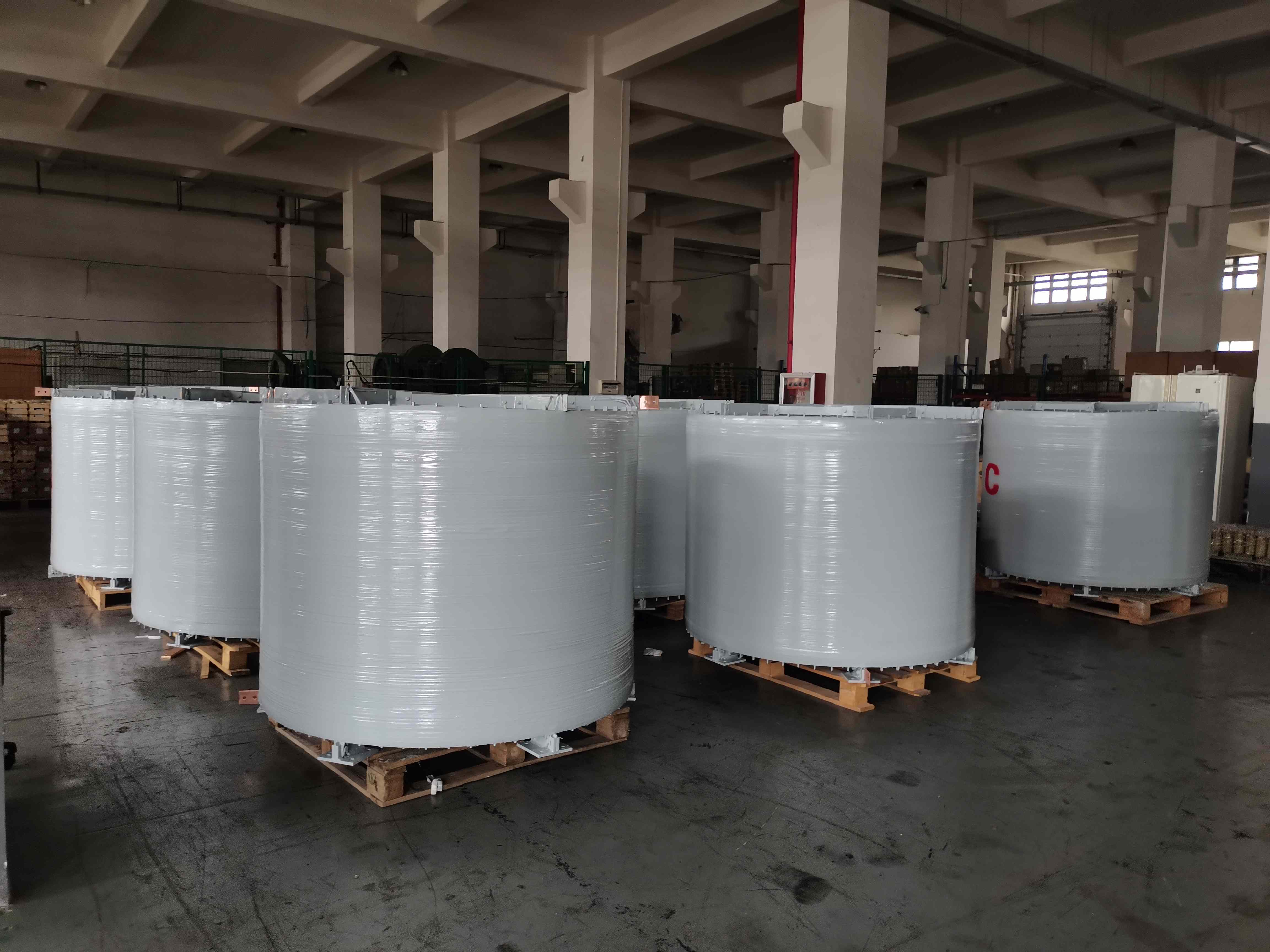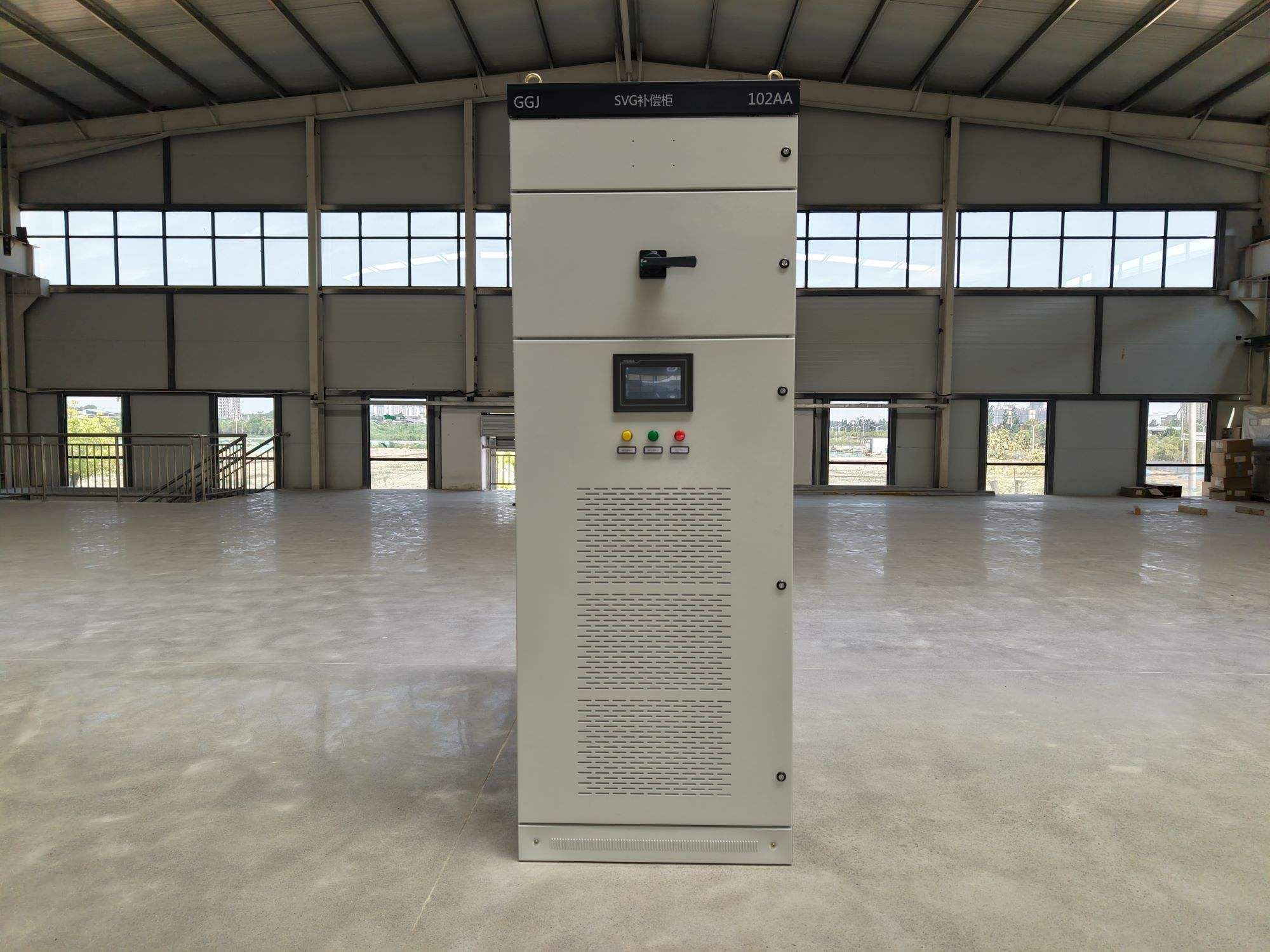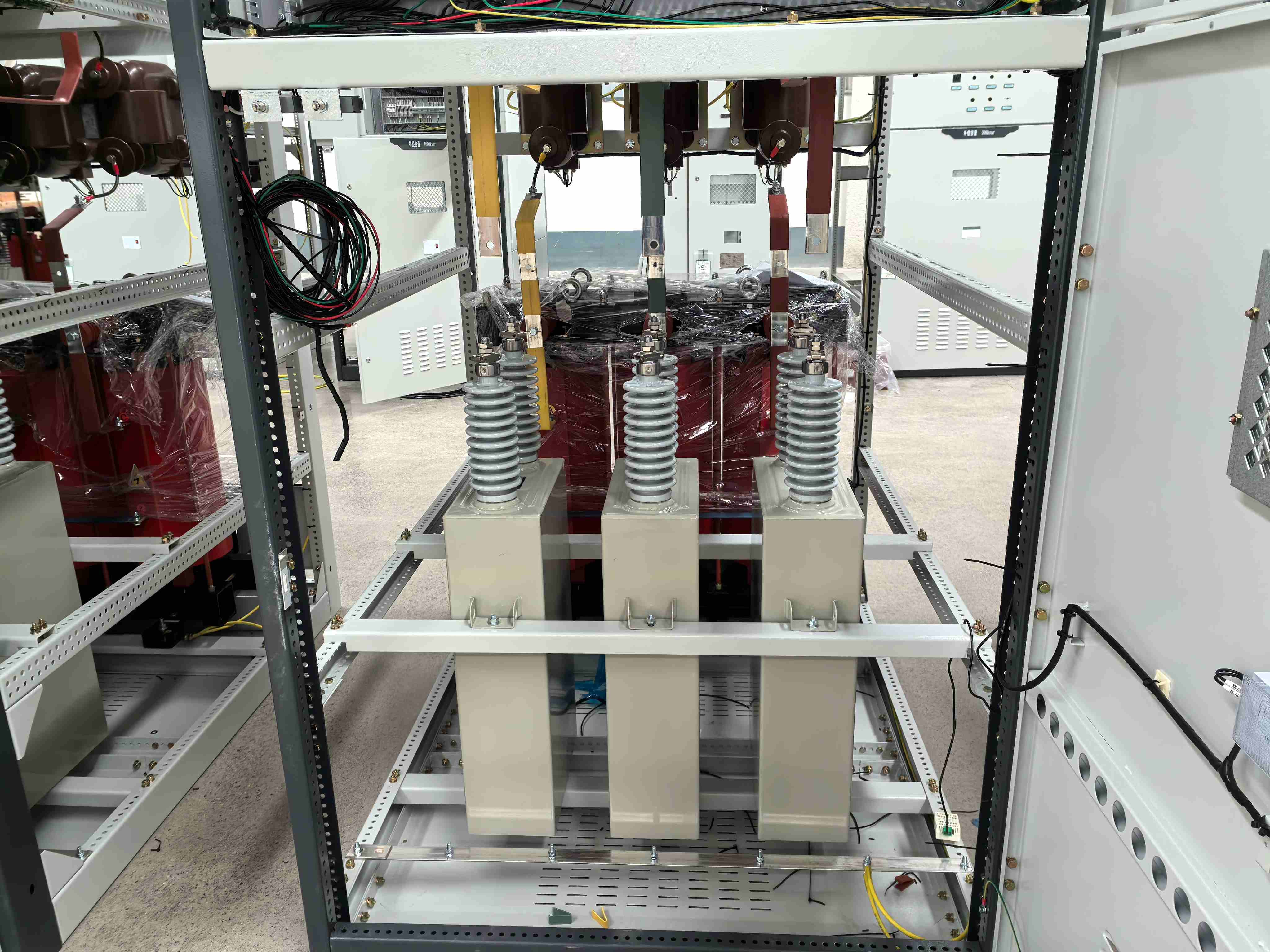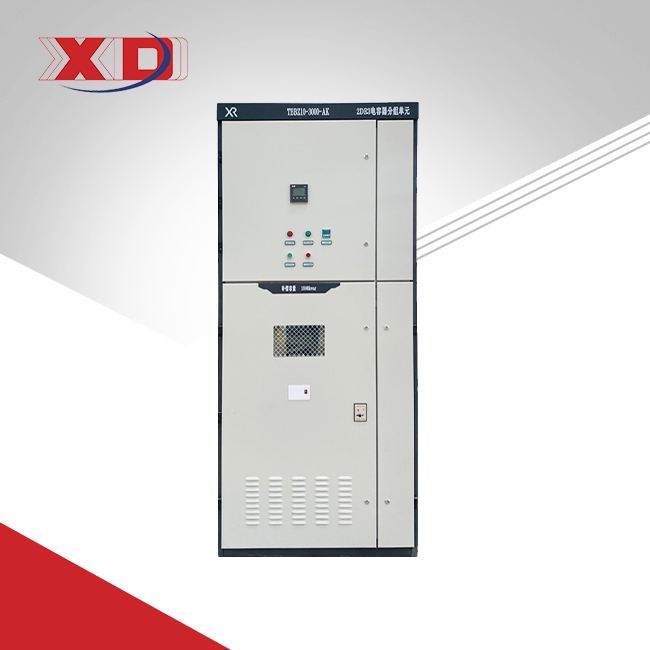
TBB10 High Voltage Reactive Power Automatic Compensation Device
Trusted Iron Core Reactor Suppliers List 2026
2026-03-09 16:06:53
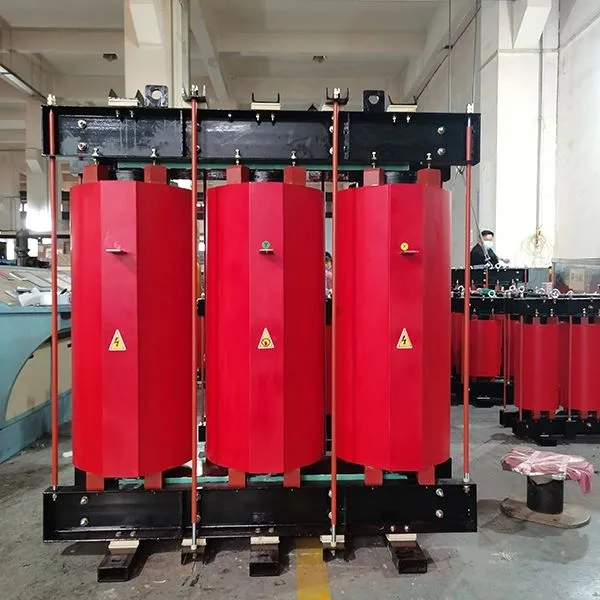
Finding reliable Iron Core Reactor suppliers in 2026 requires strategic evaluation of manufacturing capabilities, quality systems, and technical expertise. Leading Chinese manufacturers excel in producing high-permeability magnetic reactors using cold-rolled grain-oriented silicon steel, offering competitive advantages in cost-effectiveness, production scale, and customization flexibility. Smart procurement teams prioritize suppliers with ISO certifications, proven track records in power systems, and comprehensive testing facilities to ensure optimal reactor performance for industrial applications. China dominates electrical component manufacture, notably iron core reactors. In 2024, infrastructure expenditure and renewable energy fueled record electrical equipment sales. Shaanxi, Jiangsu, and Guangxi have factories. Modern factories in these locations employ vacuum casting and winding.
Demand for electrical control components is expanding across all sectors. Power plants require accurate induction control for harmonics filtering, whereas servers need trustworthy reactor cores. Procurement experts seeking reputable manufacturing partners face possibilities and difficulties as the industry grows. Chinese manufacturers may provide low pricing without losing quality because to economies of scale. Research and development enhance reactor vessel design and thermal energy management, but improved automation systems ensure product quality throughout the manufacturing process.
 |
 |
China's Manufacturing Edge in Iron Core Reactor Production
Advanced Material Processing Capabilities
Chinese foundries make high-quality electrically silicon-rich steel for iron core reactors. These facilities produce grain-oriented cores with low hysteresis losses via precision lamination. The local steel sector's steady raw material supply allows firms to regulate quality throughout production cycles. China's modern firms employ automated cutting instruments for precise air gaps. This method ensures magnetic linearity under load, decreasing voltage spike saturation. Laminations are set micron-accurately by robotic stacking machines to enhance magnetic flux dispersion.
Cost-Effective Production Infrastructure
Labor efficiency and automation reduce costs. Chinese industries utilize several shifts to maximize equipment usage and save expenses. Strategic locations near transportation hubs lower raw material and product delivery costs. Energy-efficient manufacturing meets environmental standards at reasonable prices. Solar-powered factories and waste heat recuperation systems show sustainable manufacturing. Green technology investments typically save clients money over time.
Technical Innovation and Engineering Excellence
Research cooperation with top colleges enhance reactor design. Chinese engineers improve thermal performance and operating lifespans using patented winding methods. Before physical prototype, advanced simulation software optimises core geometry, decreasing development time. Quality assurance methods exceed international standards with extensive testing. DC resistance, impulse withstand capabilities, and resistance of insulation tests provide reliability in challenging applications. Comprehensive validation reassures global customers.
Comprehensive Manufacturer Evaluation Framework
Production Capacity Assessment Methods
Visit facilities to assess yearly output and peak capacity. Check winding machine tolerances with casting system capabilities. Consider investing in reactor-specific tooling for iron core reactor manufacture. Examine raw material sourcing relationships and inventory management systems. Reliable suppliers maintain strategic partnerships with steel mills to ensure consistent lamination quality. Buffer stock policies protect against supply chain disruptions that could impact delivery schedules.
Quality Management System Verification
Check design controls, validation of processes, and corrective action documentation. Expect statistical process control and trend analysis. Systematic quality management beyond ISO certification is needed for manufacturing excellence. Thermal cycling, analysis of vibration, and part discharge measurements are shown. Check test equipment calibration schedules and national standards. Quality labs should know reactor-specific test procedures.
Technical Support and Engineering Services
Examine application engineering skills via case studies and technical presentations. Operating circumstances inform design optimization advice from experienced manufacturers. Custom iron core reactors need magnetic circuit analysis plus thermal management expertise. Technical drawings, test results, and installation instructions should be reviewed. Comprehensive tech packs lessen installation hazards and aid troubleshooting. After-sales assistance like replacement parts and field service is crucial.
Financial Stability and Business Continuity
Examine accounting records and credit ratings for long-term viability. Supplier financial health affects project performance since manufacturing agreements last years. Get client references from comparable industries and project sizes. Assess business continuity strategies, including backup production and disaster response. Prepare for production disruptions from natural catastrophes or equipment breakdowns to ensure customer delivery, especially for important components like the Iron Core Reactor. Insurance coverage indicates risk management competence.
Supply Chain Transparency and Compliance
Examine raw material traceability and supplier qualification. Compliance with conflict minerals and environmental rules requires supply chain documentation. Corporate accountability and regulatory risk reduction are shown by ethical sourcing practices. Assess export licenses and foreign shipping expertise. Sophisticated electrical equipment may need specific management and documentation. Skilled exporters avoid expensive customs delays.
Essential Certification and Compliance Requirements
International Quality Standards
Iron core reactor manufacture requires sophisticated quality management system criteria beyond ISO 9001 accreditation. IEC 60076-6 provides reactor-specific design and testing, whereas IEEE C57.16 addresses performance and safety. ISO 14001 accreditation shows dedication to sustainable production. These certifications grow more relevant as consumers choose suppliers based on environmental responsibility. RoHS compliance manages hazardous substance prohibitions.
Product Safety and Performance Certifications
CE certification opens European markets via conformity evaluation. Transformer and reactor security norms like IEC 61558 address insulation coordinating and protective earthing. UL recognition aids North American market entry. Regional certifications provide market access. BIS certification allows Indian market entry, but CCC marking is required for Chinese internal sales. Determining market needs helps prioritize certification spending.
Testing Laboratory Accreditation
Verify testing laboratory accreditation through ISO/IEC 17025 recognition. Accredited facilities demonstrate technical competence and measurement traceability. Independent third-party testing provides additional credibility for performance claims. Review test report formats and technical content quality. Comprehensive test documentation should include detailed procedures, acceptance criteria, and measurement uncertainty analysis. Professional test reporting reflects overall technical capabilities.
Strategic Sourcing Platforms and Channels
B2B Digital Marketplaces
The big Aliexpress and Made-in-China supplier databases filter for iron core reactor characteristics. Supplier verification, transaction protection, and communication are provided by these systems. Contacting the manufacturer is best for tech conversations and customisation. Global Sources carefully vets known vendors. Trade assurance prevents both delivery and quality delays. While platform-based procurement benefits standard commodities, customization may be restricted.
Industry Trade Shows and Exhibitions
The China National Fair für Energy Services and Technology features leading reactor vendors and accessories. Face-to-face encounters allow technical talks and connection development. A live product demo shows manufacturing standards and capabilities. Manufacturers may demonstrate export skills, local support options, and the Iron Core Reactor's output quality improvement function at regional presentations in major markets. Industry professionals may network and interact at these events.
Professional Associations and Industry Networks
The China Electricity Industrial Organization has reactor technology technical committees and member lists. Industry association membership indicates technical compliance. Member companies collaborate on research and standardization. International groups like IEEE Power and Energy Society give technical and business expertise. Professional networks find market best practices and exchange knowledge.
OEM and ODM Partnership Success Strategies
Technical Specification Development
Collaboration using manufacturer experience ensures iron-core reactor designs fulfill application specifications. Technical advice should include performance, environmental, and operating factors. Designs are reviewed often to avoid misunderstanding and expensive changes. IP agreements safeguard intellectual designs and allow manufacturing optimization. Non-disclosure agreements should encompass technical and customer application conversations. Balanced IP protection fosters innovation and preserves competitiveness.
Project Management and Communication Protocols
Set up ongoing interaction schedules with technical escalation processes. Software for project management allows real-time progress monitoring and document exchange. Development disagreements are avoided by clearly defining milestones and acceptance criteria. Cultural awareness training improves cross-border collaboration effectiveness. Time zone coordination and language considerations impact communication efficiency. Professional translation services ensure technical accuracy in critical documentation.
Prototype Development and Validation
Structured prototype tests evaluate design performance before manufacturing. Routine and harsh operation conditions should be tested. Prototype approvals establish production quality standards. Production-phase design freezes prohibit illegal alterations. Change control methods evaluate and approve essential changes. Documentation updates track products throughout lifecycles.
MOQ Optimization and Pricing Strategy Negotiations
Volume Planning and Forecast Accuracy
Starting prices need minimum quantity orders for specialized iron core reactors. Suppliers may increase production schedules to offer competitive pricing with accurate demand estimations. Long-term volume agreements justify tooling and reduced unit costs. Blankets purchase orders with planned releases assist manage inventories and capacity. Suppliers want predictable demand patterns for resource planning. Volume discounts usually apply at fifty, one hundred, and 500 units.
Total Cost of Ownership Analysis
Acquisition cost is simply one part of ownership expenses. Shipping costs, customs fees, and handling fees affect landing costs. Payment periods and currency fluctuations effect cash flow and planning. Examine suppliers for quality expenses such testing, inspections, and rework. Good delivery from trusted suppliers lowers these hidden costs. Reputable manufacturers charge more for warranty and technical support.
Strategic Partnership Benefits
Long-term partnerships save costs by optimizing designs and processes. Suppliers enhance process and tooling when certain of recurring business. Collaborative cost management seeks benefits beyond price. For specific applications, preferred supplier status or exclusive connections may justify customized Iron Core Reactor designs. Technical collaboration may provide innovative ideas for both parties. Partnerships should share tasks and rewards.
Quality Control and Factory Audit Best Practices
Manufacturing Process Verification
Watch winding, resin casting, and assembly. Process uniformity and operator expertise determine iron core reactor quality. Statistical control of processes charts show constant monitoring and improvement. Material management prevents manufacturing contamination and damage. Clean rooms shield critical assembly activities from pollutants. Correct pieces reach final assembly with proper material identity and traceability.
Testing Equipment Calibration and Maintenance
Insulation tester, impedance detector, and thermal cycle tank calibration certificates. Standardized calibration guarantees accurate measurements and national standards traceability. Equipment maintenance records demonstrate test reliability. To ensure documented processes are followed, observe testing. Validating test methods assures reactor design-specific approaches. For quality judgments, sampling strategies should represent statistical confidence.
Supplier Assessment Scoring Systems
Provide numerical scores for quality, delivery, technical skill, and commercial criteria. Weighted grading shows application-specific factors' relative relevance. Reassessment monitors progress and spots problems. Industry norms and competitor capability benchmarking. Independent third-party audits verify internal evaluation outcomes. Continuous improvement strategies should exploit strengths and solve deficiencies.
Leading Supplier Characteristics
Technology Leadership and Innovation
Top manufacturers invest much in core iron reactor R&D. Proprietary design and simulation software allows fast prototyping and optimization. Patent portfolios demonstrate technological expertise and creativity. University and research institution partnerships boost technology. Government research grants and industry partnerships acknowledge technical leadership. Conference speeches and technical publications show industry expertise.
Global Market Experience
Successful producers operate in varied worldwide marketplaces. Exporting requires knowledge of technical standards, certification criteria, and cultural preferences. International clients may communicate with multilingual technical support. In target markets, regional representatives or service centers speed up assistance and issue resolution. Regional inventory allows faster delivery and lower logistical expenses. Market-specific product certifications show client success enthusiasm.
Sustainability and Corporate Responsibility
Environmental management addresses energy, reuse, and industrial waste. Material selection, product resiliency, and end-of-life are environmentally friendly manufacturing methods. Corporate sustainability reports enhance the environment. Social responsibility initiatives address worker safety, community participation, and company ethics. Sustainability applies to material and service suppliers throughout the supply chain. These activities increasingly affect customer supplier choices.
Conclusion
For Chinese manufacturers to provide Iron Core Reactors, technical capacity, quality systems, & business practices must be assessed. Leading vendors have superior production equipment, extensive testing infrastructure and proven performance in demanding applications. Strategic cooperation with qualified manufacturers provide novel reactor technology at low prices. We should choose suppliers with suitable qualifications, robust engineering support, and ongoing development. Beyond first presentation, factory audits, the testing of prototypes and reference checks verify supplier capabilities. Open communication, reasonable expectations, and creative problem-solving help both parties for long-term success.
FAQ
1. What are Chinese manufacturer lead times for bespoke Iron Core Reactor orders?
Standard designs take 8-12 weeks to produce following order confirmation. Custom designs take 16-20 weeks according to intricacy and testing. Prototype development delays first delivery by 4-6 weeks but speeds up future orders.
2. How can I verify the quality standards of potential suppliers?
Contact comparable application customers for recommendations and experiences. Check third-party quality certifications and audits. Visit facilities to see production and testing.
3. What minimum order quantities should I expect for custom reactor designs?
Due to tooling expenses, custom core of iron reactor designs need 20-50 units. Standard items may have 5-10-unit MOQs. Tools for volume commitments beyond 100 units per year are typically justified.
Partner with Xi'an Xidian for Superior Iron Core Reactor Solutions
Xi'an Xidian stands among China's premier Iron Core Reactor manufacturers, combining decades of engineering expertise with state-of-the-art production capabilities. Our ISO 9001-certified facilities produce reactors meeting IEC and IEEE standards while serving Fortune 500 companies across power generation, renewable energy, and industrial sectors. Contact our technical specialists at serina@xaxd-electric.com, amber@xaxd-electric.com, or luna@xaxd-electric.com to discuss your specific requirements and discover customized solutions that maximize operational efficiency.
References
1. International Electrotechnical Commission. "IEC 60076-6: Power Transformers - Part 6: Reactors." Geneva: IEC Publications, 2023.
2. IEEE. "IEEE Standard C57.16-2022: Requirements, Terminology, and Test Code for Dry-Type Air-Core Series-Connected Reactors." New York: IEEE Publishing Company, 2022.
3. Liu, Ming and Zhang, Wei. "Advances in Iron Core Reactor Design for Renewable Energy Applications." J of Power system design 45(3):234-251, 2024.
4. China Electrical Equipment Industrial Association. "Annual Report on Reactor Manufacturing Industry Development." Beijing: CEEIA Publications, 2024.
5. Thompson, Robert J. "Global Trends in Power Quality Equipment Procurement: Asia-Pacific Market Analysis." International Electrical Engineering Review, 38(7), 2024, 15-29.
6. Electrical Standardization Committee of Europe. "EN 50588-1: Medium Power Transformers 50 Hz, with Highest Voltage for Equipment not Exceeding 36 kV - Part 1: General Requirements." 2023, Brussels: CENELEC.
_1774411186884.png)