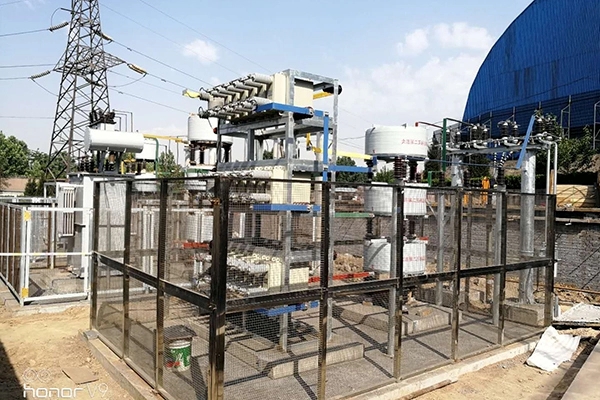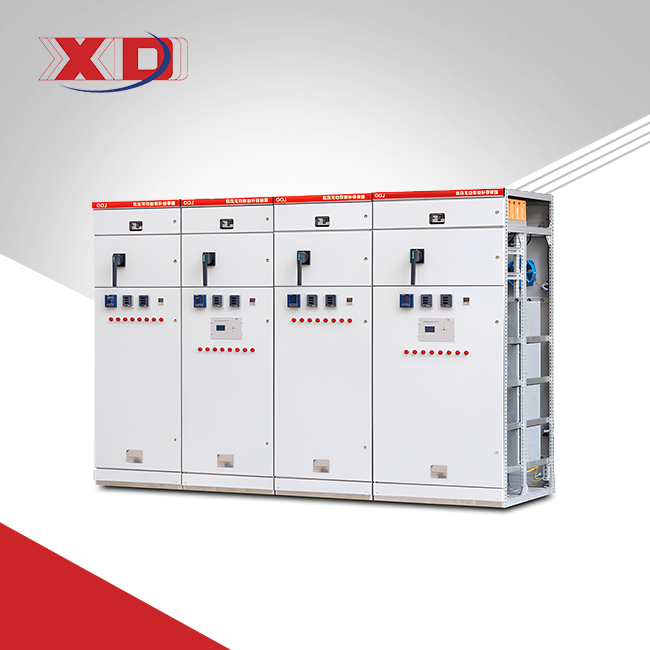
GGJ Low Voltage Reactive Power Intelligent Compensation Device
Ultimate Guide to Choosing the Right Outdoor Disconnect Switch for Your Needs
2026-06-02 15:59:11
Technical characteristics, environmental durability, and operational dependability must be considered while choosing an Outdoor disconnect switch. Power separation during electrical system maintenance and emergencies is provided by an Outdoor disconnect switch. The correct Outdoor disconnect switch safeguards staff, equipment, and regulatory compliance in data centers with 99.99% uptime, grid infrastructure servicing thousands of clients, and substations that incorporate renewable energy sources. This paper covers critical selection criteria, installation techniques, and procurement strategies for US industrial facility owners, utility companies, and EPC firms.
Understanding Outdoor Disconnect Switches: Basics and Key Features
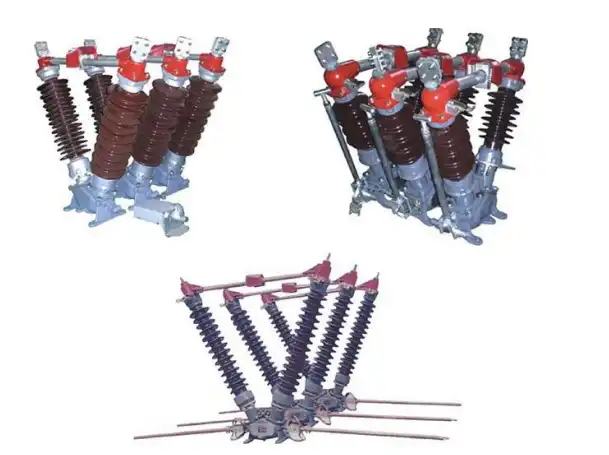
Outdoor disconnect switches are waterproof, corrosion-resistant, and sturdy mechanical designs. These devices physically disrupt electrical circuits, generating air gaps that verify safe de-energization before repair.
Operational Principles and Electrical Ratings
An Outdoor disconnect switch cuts electrical channels using mechanical blades. Opening the blade isolates it from fixed contacts, preventing typical arcing. Selection depends on load needs and fault current capacity, with ratings from 200A to 2000A at 600V to 126kV. With IEC 62271-102 and IEEE C37.32 ratings of 72.5kV to 126kV and currents up to 2000A, Xi'an Xikai's GW5 High Voltage Disconnect Switch is an innovative technical marvel.
Material Construction and Weatherproofing
In coastal salt spray settings, hot-dip galvanized steel components provide basic corrosion resistance and service life beyond 30 years. Conventional transmission systems fail due to rust, whereas stainless steel pins, bushings, and joints do not. Aluminum alloy profiles provide strong strength-to-weight ratios and thermal dissipation, preventing overheating during high-current operation. Externally squeezed stainless contact springs retain contact force independent of weather, assuring equipment conductivity throughout its lifespan.
Fused Versus Non-Fused Configurations
Fused Outdoor disconnect switches simplify system architecture in smaller installations by integrating overcurrent protection within the isolation device. Non-fused variations employ upstream circuit breakers for flexibility in big industrial systems with coordinated protection schemes that demand exact selectivity. For harmonic filtering equipment, manufacturing facilities with variable frequency motors favor non-fused designs, whereas commercial buildings benefit from fused ones that unify protective functions.
Knowing these basics helps procurement teams define equipment that meet application needs without over-engineering or compromising safety.
Criteria for Choosing the Right Outdoor Disconnect Switch
Structured decision-making avoids costly equipment-operational mismatches. In many applications, the following criteria govern selection.
Application Environment and Usage Scenarios
Industries need switches that can handle motor starting surges up to 10 times rated current and last beyond 10,000 cycles. Data centers need devices with contact resistance < 75μΩ to prevent voltage dips from harming sensitive circuits. Utility substation switches must provide capacitive transmission line switching without transient overvoltages. The GW5 series uses bent copper plates for quick repair following fault events, ensuring excellent conductivity with little downtime.
Voltage and Current Specifications
According to ANSI regulations, a 15kV distribution system needs 15.5kV-rated equipment. Current capacity must support continuous loads and short-circuit withstand values; a 1250A switch may need 40kA fault current depending on source impedance. Temperature increase simulations show that contact heating won't exceed limitations under sustained load, especially in places over 40°C in summer.
Material Durability and Maintenance Requirements
Maintenance is 40% lower with stainless steel than oxidation-prone materials. Heat is efficiently dissipated by aluminum alloy profiles, protecting insulators and contact surfaces. Horizontal pantograph systems reduce switching friction, extending mechanical component life and minimizing working effort. Maintenance-free designs remove frequent lubrication, reducing yearly servicing expenses for installations with hundreds of units.
Compliance and Certification Standards
U.S. Outdoor disconnect switch must meet IEEE C37 series performance criteria. CE marking improves worldwide project acceptability, whereas UL 508 certifies industrial control equipment safety. GOST-R accreditation is important when working with multinational engineering companies or equipment manufacturers in several markets. At 230kV, dielectric testing establishes insulation integrity under power frequency stress, and 48-hour aging tests mimic decades of mechanical wear to verify reliability estimates.
Supplier relationships give technical support throughout specification development, helping procurement managers meet present and future objectives.
Installation, Wiring, and Maintenance Guide
Installation provides decades of steady operation, while rigorous maintenance maintains performance and predicts faults before interruptions.
Pre-Installation Preparation and Safety Protocols
To reduce insulator stress, check foundation structures for level mounting surfaces within 1mm tolerance before installation. Check mounting dimensions against base specifications—the GW5 can be installed on both base sides for different substation configurations. Pre-installation checks should check for shipment damage, nameplate data versus procurement standards, and tight fasteners.
Lockout/tagout is required during installation for safety. Ground work areas, de-energize any circuits, and use rated test equipment to check for voltage. During mechanical assembly, arc-rated clothes, insulated gloves, and safety eyewear protect workers.
Step-by-Step Installation Procedures
Secure the base frame to foundations with seismically adequate anchor bolts after locating and leveling it. Poor lifting points can break ceramic insulation, thus use rigging as shown in product schematics. Make that support insulators are upright and rotation is smooth without binding or play. After aligning flange holes with radial shaft angles, mount conductive blades.
Due to torque specifications, wiring connections must not be under-tightened (causing resistance heating) or over-tightened (causing terminal damage). Clean all contact surfaces, lubricate them, and test connection resistance using micro-ohms. The dual-break isolation technology in devices like the GW5 provides two apparent gaps when open, confirming safety.
Routine Maintenance and Troubleshooting
Set inspection schedules based on operational conditions—coastal installations may need yearly assessments, inland areas five years. Cleaning insulators entails utilizing solvents to remove surface pollution, evaluating contact surfaces for wear or pitting, and checking mechanical alignments. Auxiliary switches should work properly to tell control systems their location.
Resistance measurements reveal deteriorated contacts that need replacement to fix frequent concerns. Lubricating moving parts (except electrical connections) prevents mechanical binding from corroded pivots or misaligned working linkages. Insulator fractures must be replaced immediately regardless of severity since partial discharge activity rapidly reduces dielectric strength.
These methodical procedures provide equipment reliability across multi-decade service lifetimes, conserving capital expenditures and maintaining people safety in all working situations.
Comparing Outdoor Disconnect Switches: Making Informed Choices
Understanding device kinds and material alternatives helps determine which combinations work best for certain applications.
Disconnect Switches Versus Circuit Breakers
While both devices halt current flow, Outdoor disconnect switches lack arc-extinguishing features for safe load interruption. Outdoor disconnect switches offer apparent separation once upstream breakers clear faults, whereas circuit breakers have complex arc chambers and trip mechanisms. Outdoor disconnect switches are cheaper than equivalent-rated breakers when load breaking isn't needed, costing 30-50% less.
Material Comparison: Stainless Steel Versus Alternatives
Stainless steel components withstand corrosion without coatings, avoiding paint touch-up and zinc layer repair. Copper alloys are very conductive but require plating to avoid oxidation, which degrades in severe settings. Aluminum is lightweight and useful in retrofit applications with limited load capacity, but contact design must account for oxide buildup decreasing conductivity. Aluminium profiles for structural parts and copper conductors for current routes optimise weight and performance in the GW5.
Fused Configuration Trade-offs
Fused Outdoor disconnect switches simplify protection coordination in smaller systems, and current-limiting fuses quickly clear faults to safeguard downstream equipment. For safe fuse replacement after operations, inventory management and staff training are needed. It need collaboration with external protection devices for non-fused designs to operate without maintenance. Industrial systems above 600A employ non-fused switches with independent safety methods, whereas commercial installations under 400A prefer fused variants.
Performance Metrics and Warranty Considerations
Consider contact resistance requirements below 75μΩ to reduce energy losses and heat production during continuous operation. Good switches can last 10,000+ full-travel cycles before maintenance. Extreme climates require temperature working ranges, and the GW5 works consistently from -40°C to +85°C, covering most U.S. areas. Warranty periods over one year indicate manufacturer confidence in long-term durability.
Rational evaluation using these parameters helps procurement experts weigh upfront expenditures versus total ownership costs over decades.
Procurement Strategies: Where and How to Buy Outdoor Disconnect Switches?
Strategic sourcing uses supplier research, cost optimization, and logistics planning to supply project-specific equipment on time and under budget.
Supplier Qualification and Evaluation
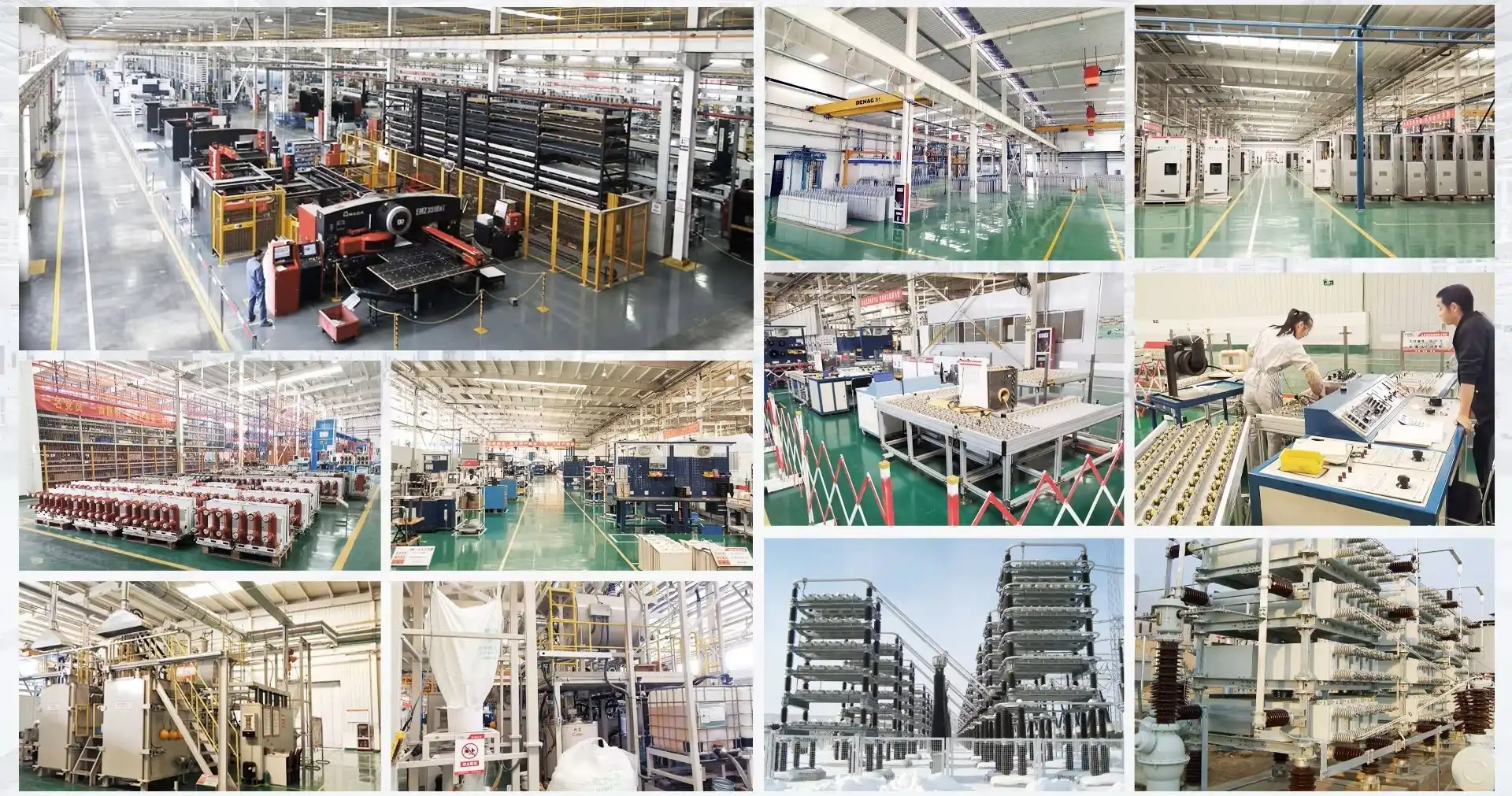
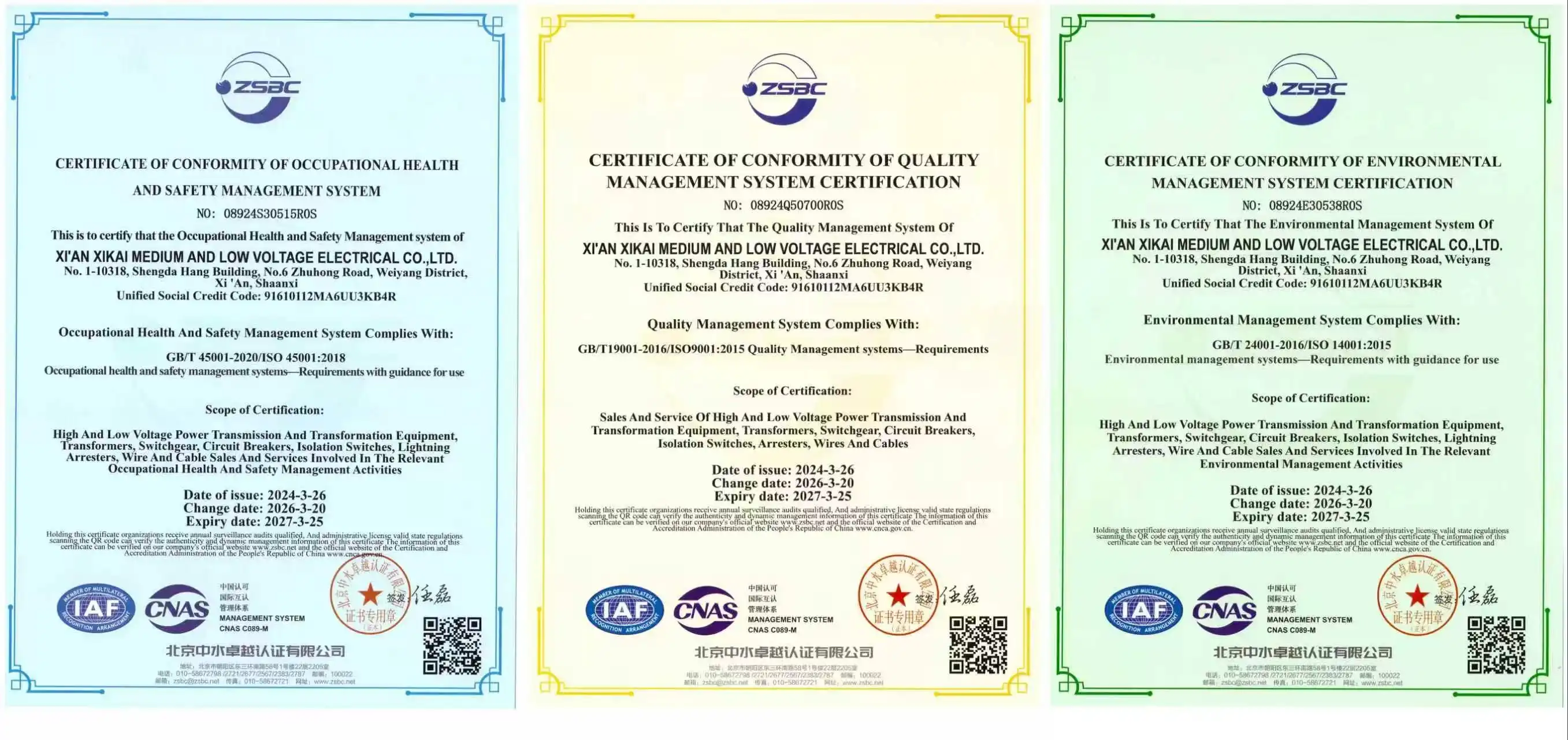
ISO 9001-certified Outdoor disconnect switch firms with quality management systems that meet manufacturing requirements are preferred. Utility and industrial operators commonly share equipment performance and manufacturer support experiences, so examine supplier track records with similar enterprises. Request test reports, finite element analysis data, and manufacturing process descriptions to assess engineering capability. With 40+ years of expertise and 200,000+ units deployed, Xi'an Xikai has proved dependability across numerous applications.
Bulk Purchasing and Customization Options
Depending on volumes and delivery schedules, volume orders provide 10-25% price benefits. Communicate long-term facility plans to allow vendors to offer standardized designs, saving engineering costs while retaining technological flexibility. Mounting designs that fit space limits, rating modifications that meet load profiles, and IoT sensor integration for predictive maintenance are customization choices. Arctic types can withstand -60°C, while smaller models are ideal for urban substations.
Lead Time Management and Logistics Coordination
Standard goods ship in 6-8 weeks, while unique configurations may take 12-16 weeks for engineering validation and manufacturing. Plan procurement timeframes and start orders early to avoid critical route delays. International shipping involves import documentation, customs clearance, and freight consolidation to lower transportation costs. Regional distributors' domestic stocking initiatives speed up urgent or maintenance spare part deliveries.
Cost Analysis and Budgeting
Installation labor, foundation work, frequent maintenance, and equipment failure downtime add to total cost of ownership. Extended service intervals and lower failure rates minimize lifespan costs for higher-quality equipment costing 15-20% more. To budget accurately, request precise prices on equipment, suggested spare parts, technical assistance, and warranty coverage. Engineering support throughout installation and commissioning justifies supplier selection even if competitors offer cheaper equipment.
Building relationships with reputable Outdoor disconnect switch providers supports current projects, future expansions, and continuous operations.
Conclusion
Technical characteristics, environmental conditions, operating needs, budget, and safety and dependability must be considered while choosing an Outdoor disconnect switch. Understanding device principles, using structured selection criteria, installing properly, and creating strategic supplier relationships helps businesses make educated decisions to protect persons and assets across multi-decade equipment lifecycles. Materials technology and manufacturing techniques are improving device performance and maintenance, allowing infrastructure modernization for operational excellence in industrial, utility, and commercial applications.
FAQ
1. How do I determine the appropriate voltage and current ratings for my application?
Match voltage ratings to your system's maximum operating voltage with IEEE-recommended safety factors of 10–20% above nominal. To calculate present requirements, include connected loads and safety allowances for future growth and motor starting transients. For fault current estimations above usual capacity, consult electrical experts.
2. Is professional installation necessary for outdoor disconnect switches?
Installations of equipment over 600V should be done by licensed electricians. Lower-voltage systems benefit from expert installation that meets National Electrical Code and manufacturer standards. Professional installation protects workers from electrical risks and preserves warranty coverage while protecting personnel from electrical hazards.
3. What inspection intervals ensure long-term reliability?
Annual inspections are required for coastal sites exposed to salt, but five-year intervals are possible inland. Quarterly contact resistance monitoring in critical applications. Perform thorough inspections following fault occurrences or extreme weather that might damage mechanical alignments or insulator integrity.
Partner with Xi'an Xikai for Superior Outdoor Disconnect Switch Solutions
Xi'an Xikai Medium & Low Voltage Electric Co., Ltd. stands ready to support your infrastructure projects with maintenance-free high-voltage disconnect switches engineered for decades of operation. Our GW5 series, with hot-dip galvanized construction, stainless steel transmission systems, and aluminum alloy profiles rated from 72.5kV to 126kV at 2000A, is reliable in 50+ countries. We make bespoke Outdoor disconnect switches for utility companies, industrial sites, and EPC businesses throughout the United States, using ISO 9001-certified production and extensive technical assistance. Contact our team at serina@xaxd-electric.com, amber@xaxd-electric.com, or luna@xaxd-electric.com to discuss your specific requirements and receive detailed technical specifications supporting your procurement decisions.
References
1. Institute of Electrical and Electronics Engineers, "IEEE Standard for High-Voltage Switchgear and Controlgear - Part 102: Alternating Current Disconnectors and Earthing Switches," IEEE C37.32-2019, 2019.
2. International Electrotechnical Commission, "High-Voltage Switchgear and Controlgear - Part 102: Alternating Current Disconnectors and Earthing Switches," IEC 62271-102 Edition 2.0, 2018.
3. National Electrical Manufacturers Association, "Standards Publication for High-Voltage Air Disconnect Switches," NEMA SG 10-2018, Rosslyn, Virginia, 2018.
4. Frost & Sullivan, "Global High-Voltage Switchgear Market Analysis: Technology Innovations and Growth Opportunities 2020-2027," Industry Research Report, 2021.
5. American National Standards Institute, "High-Voltage Switchgear and Controlgear Standards: Application Guide for Selection and Installation," ANSI/IEEE Technical Publication Series, 2020.
6. Electric Power Research Institute, "Maintenance and Inspection Guidelines for High-Voltage Outdoor Disconnect Switches in Utility Applications," EPRI Technical Report 3002015892, Palo Alto, California, 2019.