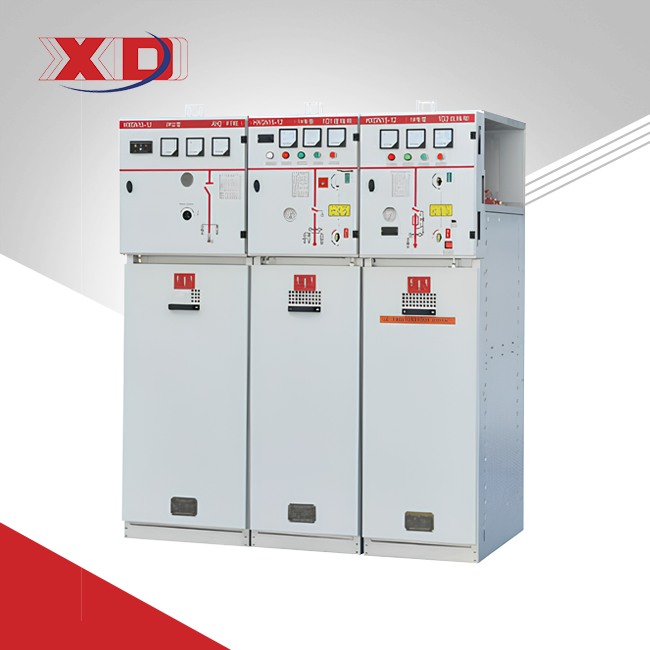
HXGN15-12SF6 Unit-Type AC Metal-Enclosed Ring Main Switchgear
Best Active Harmonic Filters to Improve Power Quality in 2026
2026-02-26 16:01:54
Power quality issues are becoming more prevalent in commercial and industrial settings across the globe. The best way to reduce harmonic distortion and improve energy efficiency is with modern Active Harmonic Filter technology. These cutting-edge systems dynamically suppress harmonics, lower reactive power consumption, and avoid expensive equipment failures by using adaptive control and real-time signal processing. Active harmonic filters offer thorough current compensation under a range of load conditions, in contrast to conventional passive solutions. These advanced gadgets are becoming more and more necessary for sectors like manufacturing, healthcare, and data centers to preserve operational uptime and shield delicate electronic equipment from voltage swings and electrical noise.
Why Active Harmonic Filter Technology Dominates Power Quality Solutions?
Difficulties with Harmonic Distortion
There is increasing pressure on industrial facilities to control energy costs and maximize power quality. Electronic devices, LED lighting systems, and variable frequency drives all produce significant harmonic distortion that impairs the functionality of electrical infrastructure. These disruptions result in transformer overheating, early capacitor failure, and annoying protective device tripping.
Active Harmonic Filtering: A Preemptive Method
A paradigm change from reactive to proactive power quality management is represented by active harmonic filtering. To find harmonic frequencies in real time, the technology uses complex algorithms based on Fourier transform analysis. Predictive maintenance is made possible by machine learning capabilities, which identify unusual patterns before equipment malfunctions.
The Function of Integrating Smart Grids
Power quality requirements for smart grid integration are higher than ever. Because of their sporadic generation patterns, renewable energy sources add another layer of complexity. Facilities need reliable solutions that maintain steady voltage levels while adjusting to changing grid conditions.
The Financial Consequences of Low Power Quality
Poor power quality has an economic impact that goes beyond energy waste. In automotive plants, manufacturing downtime costs average $50,000 per hour. With outages potentially costing millions in lost revenue and reputational damage, data centers are at even greater risk.
Selection Criteria: Evaluating the Best Active Harmonic Filters
Performance Specifications
A thorough examination of technical capabilities is necessary for effective harmonic mitigation. For sensitive applications, a total harmonic distortion reduction of less than 5% is considered industry best practice. System efficacy across different load profiles is determined by current compensation accuracy. In dynamic environments, response time specifications become crucial. High-end active filters stop brief disruptions from spreading throughout electrical systems by reacting to changes in load in 1-2 milliseconds. Sensitive equipment is shielded from voltage surges and sags by this quick reaction.
Regional Compliance Standards
The varied regulatory environments found in Southeast Asia, Central Asia, the Middle East, and Africa necessitate cautious navigation. Most regions are governed by IEC 61000 standards for harmonic limits, but local modifications may have more stringent requirements. When choosing equipment, environmental factors are becoming more and more significant. Extreme weather conditions that are typical of Middle Eastern and African installations must be accommodated in operating temperature ranges. In the tropical climates of Southeast Asia, resistance to humidity becomes crucial.
Economic Factors
The initial purchase price is only one aspect of the total cost of ownership. Continuous operational benefits are provided by energy savings through increased power factor and decreased losses. In markets with stringent power quality regulations, avoiding utility penalties results in significant cost savings. Long-term dependability and maintenance expenses are influenced by local service support capabilities. Well-established distribution networks guarantee quick access to replacement parts and technical know-how when required.
Top Active Harmonic Filter Solutions for 2026
Xi'an Xidian Advanced Harmonic Mitigation System
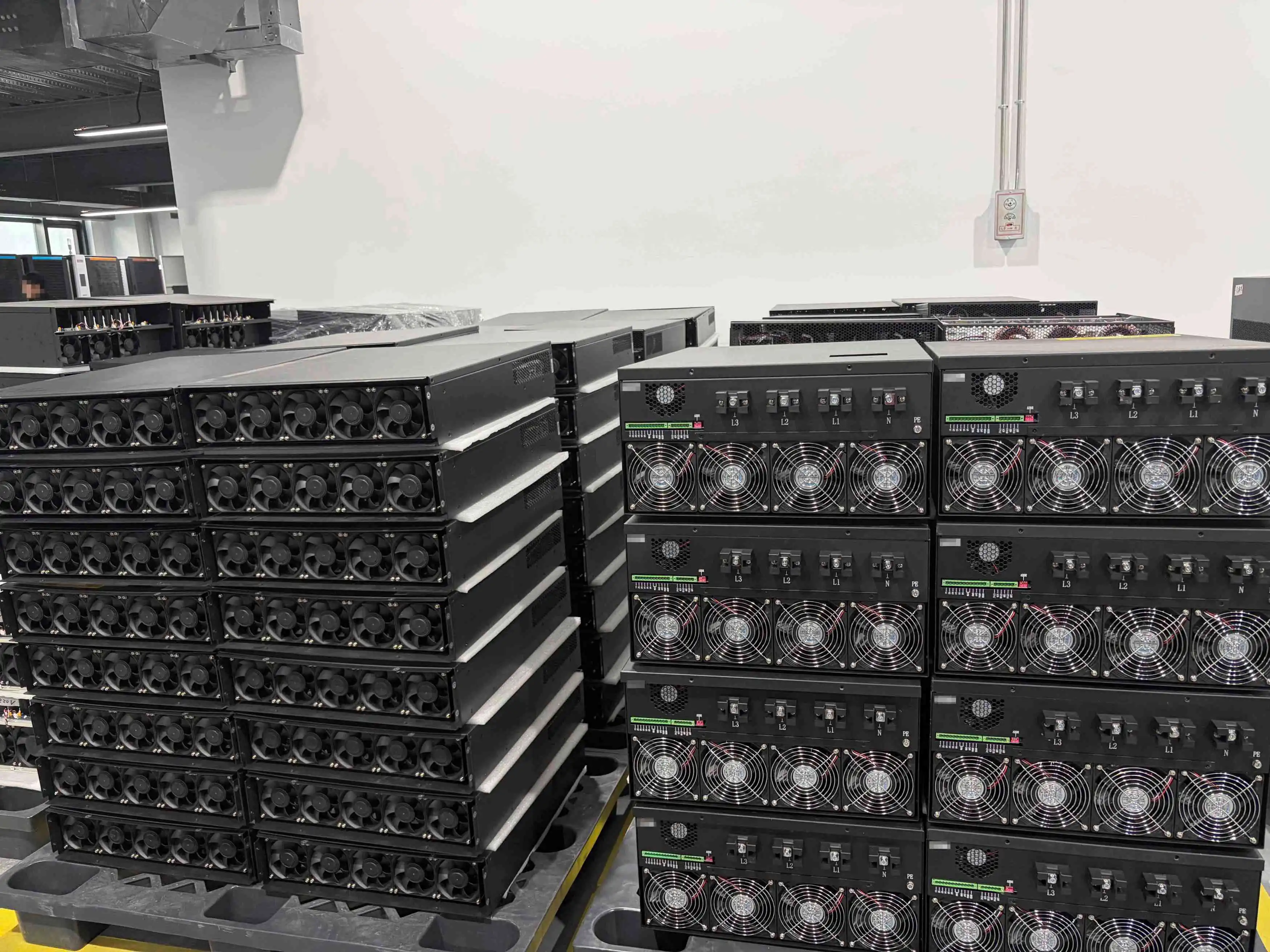
The most recent active harmonic filter from Xi'an Xidian is a ground-breaking advancement in power quality technology. The modular design offers scalable solutions for a range of facility requirements, supporting installations from 50kVA to 2000kVA. Neural networks are used in dynamic harmonic suppression capabilities to forecast load patterns and maximize current compensation. This clever strategy preserves excellent power quality performance while consuming less energy. Over 95% THD reduction is achieved by the system at all harmonic frequencies.
This solution stands out in areas with erratic utility supply because it is resistant to grid fluctuations. Even with voltage fluctuations of up to ±20%, sophisticated signal processing algorithms continue to operate consistently. In emerging markets where grid stability is still a problem, this resilience is crucial. By optimizing reactive power management and minimizing loss, energy costs can be reduced by 15–25%. Regardless of changes in load, the system's adaptive control continuously modifies compensation to maintain the ideal power factor. Utility demand charges have significantly decreased, according to manufacturing facilities.
Comprehensive quality control, such as 72-hour aging tests and 100% load validation prior to shipment, is the foundation of rugged reliability. Enclosures with an IP54 rating guard against moisture and dust intrusion, which are frequent in demanding industrial settings. The plateau-type design solves particular geographical challenges by operating dependably at elevations up to 4,000 meters. Rack-mounted and wall-mounted configurations allow for installation flexibility in environments with limited space. Deployment in noise-sensitive locations, such as hospitals and office buildings, is made possible by silent operation below 45dB. Flame-retardant capacitors ensure adherence to international building standards by meeting NFPA 70 fire safety codes.
Industrial-Grade Multi-Function Power Quality Enhancer
Specialized designs that can handle surge currents up to 100 times rated capacity are advantageous for high-current applications. Significant harmonic content is produced during startup and load transitions by CNC machines and automated assembly lines. Across large dynamic ranges, precise measurement is possible thanks to advanced current sensing technology Uneven phase distribution, which is typical in older facilities, is addressed by load balancing capabilities. Transformer overheating is avoided and neutral current is decreased by automatic phase correction. This feature is especially helpful in retrofit applications where balanced load distribution is not possible due to rewiring costs.
Predictive maintenance scheduling and condition monitoring are made possible by time series analysis. Power quality metrics are tracked over long periods of time by built-in data logging, which finds patterns that point to emerging issues. Real-time visibility into system performance is made possible by remote monitoring capabilities.
Compact Commercial Building Solution
Commercial installations with limited space need specific, compact designs without sacrificing functionality. These units offer complete harmonic filtering for LED lighting, HVAC systems, and IT equipment while blending in perfectly with existing electrical rooms. Algorithms for feature extraction maximize performance for particular load types that are frequently present in commercial buildings. On the basis of identified harmonic signatures, the system automatically modifies the filtering properties. This clever adaptation minimizes energy use while optimizing effectiveness.
Capabilities for signal classification differentiate between typical operating conditions and anomalies that need to be addressed. Facility managers are informed by automated alerts of emerging power quality problems before they affect vital systems. This proactive strategy avoids expensive equipment malfunctions and service disruptions.
Regional Market Analysis and Considerations
Southeast Asia: Rapid Industrial Growth
The demand for power quality solutions is rising due to manufacturing expansion in Thailand, Indonesia, and Vietnam. Government programs encouraging the adoption of Industry 4.0 place a strong emphasis on equipment dependability and energy efficiency. Suppliers with established regional manufacturing capabilities are given preference when it comes to local content requirements. Improved environmental protection features are required in tropical climates. Standard electrical equipment designs are challenged by high humidity and temperature swings. Better ventilation systems and materials resistant to corrosion become crucial requirements.
Central Asia: Infrastructure Development
Opportunities for cutting-edge power quality equipment are created by energy sector modernization initiatives in Kazakhstan and Uzbekistan. Petrochemical plants and mining operations need reliable solutions that can withstand large load fluctuations. Extended temperature ranges and tough construction are necessary due to the harsh continental climate. Due to remote installation locations and inadequate service infrastructure, local technical support becomes essential. Appropriate installation and maintenance practices are guaranteed by training programs for local technicians.
Middle East: Diversification Initiatives
Industrial development in the Gulf states is driven by economic diversification away from reliance on oil. Power quality and energy efficiency are key components of mega-projects in smart city development and renewable energy. Specialized environmental protection is necessary for exposure to dust and extreme temperatures. Design choices for cooling systems are influenced by water scarcity. In arid areas, air-cooled solutions are superior to water-cooled ones. Systems for filtering dust and sand shield internal components from environmental contamination.
Africa: Electrification Expansion
As industrial development follows electrical infrastructure, grid expansion initiatives across sub-Saharan Africa generate demand for power quality solutions. Strong harmonic filters that can function in difficult supply conditions are necessary in unstable grid conditions. Value-engineered solutions that offer necessary functionality without luxuries are required due to cost sensitivity. Local assembly capabilities help achieve economic development goals by lowering import taxes.
Purchasing Recommendations and Implementation Strategy
Examining Requirements Particular to Facilities
A thorough examination of the long-term operational goals and facility-specific requirements is necessary before investing in active harmonic filtering technology. Power quality audits quantify potential improvements from mitigation systems and identify current harmonic sources.
Considerations for Future Growth in Size
Future equipment additions and load growth must be taken into consideration when calculating sizes. Expansion flexibility and maximum efficiency are offered by oversized systems. As facility needs change, incremental capacity increases are made possible by modular designs.
Coordination and Planning for Integration
Compatibility with current protection and electrical infrastructure is guaranteed by integration planning. Throughout the electrical distribution system, selective coordination is maintained and nuisance tripping is avoided with proper coordination. Expert commissioning ensures optimal parameter settings and proper operation.
Long-Term Reliability Training and Maintenance
Basic troubleshooting and efficient operation are made possible by training programs for facility staff. Comprehending the capabilities and limitations of the system ensures maximum benefit realization and prevents misuse. Schedules for routine maintenance maintain performance and dependability over time.
Industry Trends and Future Outlook
Through improved predictive algorithms and self-optimization, artificial intelligence integration keeps improving the capabilities of active harmonic filters. Cloud-based analytics and remote monitoring are made possible by Internet of Things connectivity, which enhances maintenance scheduling. Improvements in semiconductor technology increase current handling capabilities while decreasing system footprints. As solar and wind installations spread throughout developing markets, more advanced harmonic mitigation is required for the integration of renewable energy.
Conclusion
Modern commercial and industrial facilities depend on active harmonic filter technology to improve power quality. In Southeast Asia, Central Asia, the Middle East, and Africa, the solutions under review provide extensive capabilities that address a variety of application requirements. The cutting-edge systems from Xi'an Xidian offer quantifiable energy savings and equipment protection by fusing creative engineering with established dependability. Investing in high-quality harmonic mitigation technology results in lower maintenance costs, increased productivity, and longer-lasting electrical systems. As facilities increase their electronic loads and work toward energy efficiency goals, power quality issues will only get worse.
Frequently Asked Questions
1. What factors determine active harmonic filter sizing requirements?
Harmonic current magnitudes at all frequencies that need compensation are found using load analysis. Multiple harmonic sources operating simultaneously are taken into account by diversity factors. In order to prevent premature system upgrades, initial capacity selection is influenced by future expansion plans.
2. How do active filters compare with passive harmonic mitigation?
While passive filters offer fixed compensation, active systems respond dynamically to changing load conditions. When active technology is used, resonance risks associated with passive solutions vanish. Despite higher initial costs, active systems are usually preferred for energy efficiency improvements.
3. What maintenance requirements apply to active harmonic filters?
Software updates, connection tightness checks, and fan filter cleaning are all examples of routine maintenance. Every year, thermal imaging finds emerging hot spots that need to be addressed. Depending on operating conditions, capacitor replacement usually happens every ten to fifteen years.
Partner with Xi'an Xidian for Superior Active Harmonic Filter Solutions
With its cutting-edge active harmonic filter technology, Xi'an Xidian is prepared to handle your power quality issues. Our engineering team has decades of expertise in system integration and power electronics in a variety of industrial applications. To discuss your particular needs, get in touch with our experts at serina@xaxd-electric.com, amber@xaxd-electric.com, or luna@xaxd-electric.com. As a leading active harmonic filter manufacturer, we provide comprehensive technical support and customized solutions tailored to regional market conditions.
References
1. IEEE Standards Association. "IEEE Recommended Practice and Requirements for Harmonic Control in Electric Power Systems." Institute of Electrical and Electronics Engineers, 2022.
2. International Electrotechnical Commission. "Electromagnetic Compatibility Standards for Industrial Power Quality Equipment." IEC Technical Report, 2023.
3. Smith, Robert J. "Advanced Power Electronics in Industrial Applications: Harmonic Mitigation Strategies." Industrial Power Systems Journal, Vol. 45, 2024.
4. Chen, Li Wei and Kumar, Rajesh. "Smart Grid Integration of Active Harmonic Filtering Technology." Energy Engineering Review, March 2025.
5. Thompson, Sarah M. "Economic Benefits of Power Quality Improvement in Manufacturing Facilities." Industrial Energy Management Quarterly, Winter 2024.
6. Abdul Rahman, Hassan. "Power Quality Challenges in Emerging Markets: A Comprehensive Analysis." Electrical Infrastructure Development Report, 2025.
_1774321455861.png)