High Voltage Disconnect Switch Applications in Modern Substations
2026-09-07 17:16:23
Modern substations rely on a network of interconnected devices to maintain power flow, protect equipment, and safeguard personnel. Among these essential components, the High Voltage Disconnect Switch stands out as a fundamental device used to physically isolate sections of electrical circuits during maintenance, inspections, or emergency shutdowns. Unlike circuit breakers designed to interrupt load currents, disconnect switches provide a visible air gap that confirms electrical isolation, ensuring crews can work safely on de-energized equipment. Understanding their applications, technical selection criteria, and operational best practices is vital for EPC contractors, project managers, and electrical engineers managing substation projects—especially those involving aging infrastructure requiring rapid retrofits within tight outage windows.


Understanding High Voltage Disconnect Switches in Substations
Core Functionality and Operating Principles
Simple disconnect switches remove energised cables from downstream devices. They open to reveal a circuit break. Repair crews may plainly verify isolation. This capability is crucial at substations, where personnel must switch off all equipment for safety. However, the switches only operate without load. They can't stop troublesome currents or huge loads; circuit breakers and isolators do that.
Designs vary, but it generally features rotating or moving contacts. A blade travels away from fixed contact jaws in linear designs, whereas insulated columns revolve to sever the conductive path in rotational designs. Keeping a safe distance between live conductors and isolated parts is critical either way. Following IEC 62271-102 and IEEE C37.32 ensures these devices fulfil rigorous dielectric strength, mechanical lifespan, and thermal stability standards.
Types and Configurations
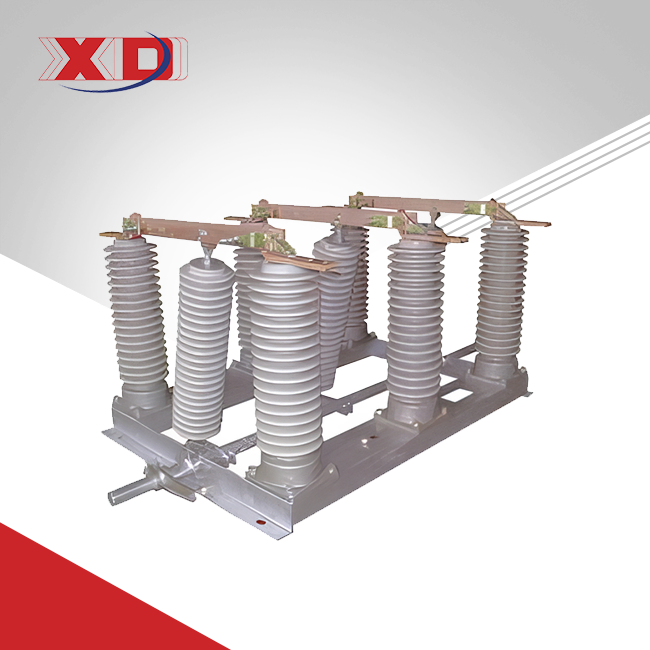
Disconnect switches are divided into several groups based on the material they are insulated with and where they are installed. Because they are easy to use and don't cost much, air-insulated designs are still popular for outdoor substations. Because these units use air in the atmosphere as their insulating medium, they need enough space between them to avoid flashover. Vacuum and SF6 gas-insulated versions have smaller sizes, which makes them good for urban substations or indoor switchgear setups that don't have a lot of room.
For indoor use, enclosed versions that can be mounted through the wall are common. This lets workers control switches from outside the high-voltage room. Outdoor units need to be strong enough to handle UV rays, extreme temperatures, ice buildup, and corrosive atmospheres. To do this, they need materials like hot-dip galvanized steel and weather-resistant insulators. Knowing these differences helps procurement teams choose the right technology for each project's specific needs.
Key Applications of High Voltage Disconnect Switches in Modern Substations
Safe Maintenance and Equipment Isolation
A break switch's principal purpose is to keep workers safe during scheduled repairs. The switch prevents accidental power restoration while working on transformers, circuit breakers, or bus sections. Because integrated earthing switches link disconnected parts to the ground, eliminate residual charges, and provide a short-circuit route in case upstream equipment shuts accidentally, this is safer. This two-layer shielding reduces electrocution danger significantly and passes occupational safety regulations.
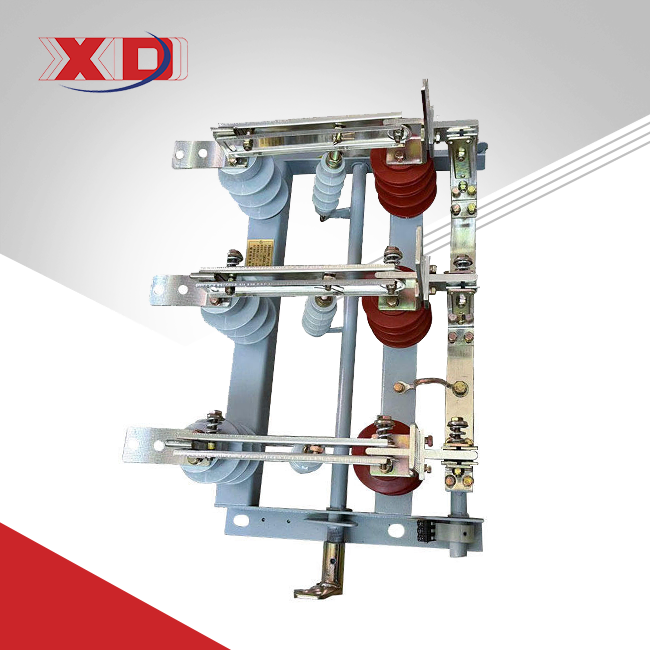
Retrofitting old substations can be hard in some ways. Space issues and the way base anchors are set up often limit the types of tools that can be used. With switches that can be mounted in a variety of ways, like the GN2 series rated at 40.5kV devices, engineers can add new equipment to existing infrastructure without having to do a lot of civil work. This compatibility speeds up the installation process and cuts down on the need for expensive outage extensions.
Grid Stability and Operational Flexibility
In addition to being useful for upkeep, disconnect buttons like the High Voltage Disconnect Switch help the grid work in different ways. They let managers change how the busses are set up, separate broken parts, and send power through different lines in case of an emergency. During planned switching operations, they work with circuit breakers to make sure that safe sequences of turning on and off power are carried out. This planning is very important in ring-bus or breaker-and-a-half setups that have a lot of parallel routes.
Supporting distributed production and green integration are also needs of today's grid. Power flows in both directions and voltage changes happen in solar farms and wind farms, so they need protective systems that can adapt to these changes. Disconnect switches make it easy to quickly cut off power to production sources during grid disturbances. This stops failures from spreading and keeps important loads powered.
Automation and Smart Grid Integration
Since smarter substations are more widespread, disconnect switch technology has evolved. Motorised controls that interact with SCADA systems provide remote control and monitoring of more contemporary machines. Position sensors, operating counters, and diagnostic interfaces provide real-time switch status data for maintenance planning. These characteristics integrate with smart grid designs that automate processes, reduce human participation, and speed up problem-solving.
IoT-enabled versions that are available as options send operating data to central maintenance platforms, such as the temperature of the contacts, signs of wear on the mechanism, and the number of switching cycles that have been made. This data-driven method helps asset managers find the best inspection times, spot parts that are breaking down before they break, and keep the reliability of equipment for longer periods of time.
How to Choose the Best High Voltage Disconnect Switch for Your Substation
Evaluating Technical Specifications
Before selecting a switch, check that its voltage and current meet system requirements. Rated voltage determines insulation thickness and conductor spacing. Rated current regulates conductor size and heat loss. The GN2 High Voltage Disconnect Switch for 40.5kV systems includes 400A to 2000A current choices. This makes it suitable for distribution feeders and bulk transmission connections.
Mechanical endurance ratings indicate projected lifespan. For switching-intensive substations, 10,000-mechanical-operation switches are suitable. Low-switching units may demand reduced endurance. Short-circuit withstand capacity, displayed as thermal stability current and dynamic stability current, ensures the device can survive through-faults without harm. Compare these parameters to system fault investigations to prevent under-specification and early breakdowns.
Comparing Switch Technologies
Outdoor substations mostly use air-insulated switches because they are simple to build and maintain. Contacts that are exposed make it easier to find problems because wear and corrosion can be seen. To keep safe clearances, though, they need bigger footprints and higher mounting structures. Corrosion-resistant materials, like coated steel frames and aluminum alloy parts, are useful for coastal sites because they work well in salty air.
Vacuum switches have no exterior insulating since the interrupter is contained in a tiny chamber. This structure reduces size and prevents dirt from getting inside. High dielectric strength allows SF6 gas-insulated units to be tiny and fit in urban substations where real estate is expensive. Procurement managers must balance each technology's initial cost, maintenance demands, and performance against the project's key objectives.
Supplier Considerations and Customization
Supplier skills are also considered during sourcing. Lead times are crucial in upgrading projects with limited outage periods (less tolerance for mistake). Supplier customisation options, such as altering insulator creepage distances for polluted locations or fitting mounting interfaces to ancient foundation designs, reduce field adjustments and installation delays.
Xi'an Xikai Medium & Low Voltage Electric Co., Ltd. satisfies these demands with a broad variety of products and engineering assistance. From humid coastal locations to 4,000-meter plateaus, we have worked on State Grid systems and power engineering projects. It indicates we can endure tough working circumstances. We're continually exploring new concepts, and our ISO 9001 accreditation ensures quality control throughout manufacturing.
Maintenance and Operational Best Practices for Longevity and Safety
Routine Inspection and Preventive Maintenance
Switches require tight maintenance programs that balance inspection frequency with operating volume to be dependable. The insulator should be examined annually for fractures, tracking marks, and dielectric-weakening contaminants. Check contact surfaces for pitting, oxidation, or misalignment that increases resistance and concentrates heating. Conductive grease on contact points reduces friction and improves electrical flow during maintenance.
Lubricate and tune linkages, bearings, and operational mechanisms to keep everything moving smoothly. Self-lubricating bearings save maintenance, but they still need to be examined regularly to ensure alignment and detect wear before it causes locking or malfunctioning. Testing an interlock prevents harmful behaviours like closing a break switch while equipment down the line is still turned on or activating an earthing switch while the main contacts are still current-carrying.
Compliance with Safety Standards
Safety in transformer operations begins with international standards for the High Voltage Disconnect Switch. IEC 62271-102 specifies high-voltage switch mechanical, thermal, and dielectric performance. IEEE C37.32 describes switches and control system connections. Compliance ensures equipment can withstand fault currents, external loads, and last as long as specified. Checking dielectric strength and contact resistance regularly ensures proper operation and identifies deterioration.
Operating rules must ensure strict switching. Upstream circuit breakers should cease load current before disconnect switches open and remain closed until downstream circuits confirm they are off. Grounding switches activate when main connections open after repair. They switch off before the main contacts close to restore electricity. Training programs that emphasise these processes and explain the locking mechanism reduce errors.
Troubleshooting and Performance Optimization
Contact overheating from not enough pressure or surface contamination are common problems. So are mechanical jamming from misalignment or corrosion, and insulator flashover during bad weather. Using thermal imaging during energized checks can find unexpected temperature rises before they get so bad that they cause problems. When there are mechanical problems, they usually show up as extra operating force or incomplete travel, which means they need to be oiled or adjusted. When proactive cleaning plans deal with pollution buildup on insulator surfaces, contamination-related flashovers go down.
To improve performance, you need to look at trends in operational data. Keeping track of the number of switching cycles helps predict how parts will wear out, so they can be replaced before they stop working and cause problems. By keeping an eye on contact resistance over time, you can see how it slowly decreases, indicating that upkeep is needed. These strategies change maintenance from fixes that are needed when something goes wrong to condition-based, predictive methods that make things more reliable while keeping costs low.
Future Trends and Innovations in High Voltage Disconnect Switch Technology
Digitalization and Condition Monitoring
Information technologies and power systems are merging, changing substation equipment. Modern disconnect switches often include sensors and communication connectivity. This makes them smart assets from mechanical gadgets. Temperature sensors in the contacts warn of overheating before harm. Mechanical vibration sensors check for odd patterns that may indicate wear or misalignment. Integrating diagnostics checks operating counters, insulation resistance, and contact. They provide this data to asset management systems using IEC 61850.
Cloud-based analytics look at old operational data with machine learning algorithms to find trends that show when something is about to go wrong. With this feature, utilities can plan maintenance for planned downtime instead of having to fix problems as they happen, which would interrupt service. Digital twins, which are virtual copies of real equipment, simulate operational scenarios so that switching sequences can be made better and protection coordination can be tested without putting real assets at risk.
Environmental and Efficiency Improvements
Because of worries about the environment, eco-friendly insulation options to SF6 gas are being made. SF6 gas has a high potential to cause global warming. Manufacturers are looking into dry air, vacuum, and new gas mixtures that have the same dielectric strength but don't harm the environment. In line with environmental goals, new materials focus on making parts that can be recycled and using less energy in production.
The goal of efficiency improvements is to cut down on energy loss that happens naturally. Contact designs with better pressure distribution lower resistive heating, which in turn lowers thermal dissipation. Modern coats stop rusting, so the low contact resistance stays the same over time. These improvements make the grid more efficient as a whole, which saves a lot of energy across big utility teams.
Supply Chain Dynamics
Getting parts from around the world and geopolitical issues are having a bigger impact on procurement strategies. Variable lead times and changing material costs mean that planning needs to be fluid, and suppliers need to be different. Manufacturing in the United States makes the supply chain more stable by lowering reliance on foreign logistics that can be affected by problems. Manufacturers who control the whole production process, from handling raw materials to putting them together, offer more consistent quality and more reliable delivery.
Changing safety standards and environmental laws are some of the regulatory changes that affect how products are made and where they can be bought. Keeping up with these changes is the best way to make sure that purchase specs match new needs. This way, you can avoid items becoming obsolete too soon or having to pay a lot of money to fix things to meet new rules.

Conclusion
Disconnect switches are an important part of modern substations for safety and operation, especially the High Voltage Disconnect Switch. They allow for safe repair, flexible grid configurations, and reliable power supply. To choose the right devices, you need to carefully look at the technical specs, the environment, and the supplier's abilities. The GN2 High Voltage Disconnect Switch is an example of an engineering solution that meets these needs. It has a strong build, built-in safety features like earthing switches, and flexible mounting options that work for retrofit projects with limited space. International standards-based, disciplined maintenance methods make tools last longer and keep workers safe. As digital transformation changes the way power infrastructure works, smart switches that let utilities check on equipment's health and run operations from afar put them in a good position to meet changing grid needs. Strategic partnerships with experienced manufacturers give you access to tried-and-true technologies, customization know-how, and quick support, all of which are very important when project deadlines are tight and compatibility issues arise during upgrades to older infrastructure.
FAQ
1. What distinguishes a disconnect switch from a circuit breaker in substation applications?
Using vacuum bottles, SF6 gas tanks, or oil baths as arc-quenching devices, circuit breakers stop load currents and fault currents. These stop the plasma arc that forms when contacts separate under load. Disconnect switches can't stop arcs and can only work when there is no load on them. They leave clear holes in the circuitry after circuit breakers have stopped the flow of electricity. This working together makes sure safety: switches stop the flow of electricity, and disconnectors make it possible to see when repair needs to be done.
2. How often should maintenance inspections occur on these devices?
How often inspections are done relies on how bad the environment is and how busy the business is. Outdoor units in industrial or coastal areas with a lot of pollution should be inspected once a year to check for insulator contamination and contact condition. Indoor changes in controlled settings can make the time between cycles up to two years. For heavy-duty uses that switch tasks often, mechanical parts should be checked more often—every 1,000 operations or once a year, whichever comes first—so that wear can be found before it leads to failures.
3. Can disconnect switches be customized for unique installation requirements?
Manufacturers with a lot of experience often change standard designs to fit the needs of a specific project. Some of the changes that need to be made are adjusting the insulator creepage distances for areas with a lot of pollution, changing the mounting interfaces to fit existing foundation patterns in retrofit projects, and changing the operating mechanisms to work with older control systems. Suppliers can offer workable tweaks that speed up installation and cut down on field changes if they are made aware of the site's limitations and practical needs during the procurement process.
Partner with Xi'an Xikai for Reliable High Voltage Disconnect Switch Solutions
Substation projects, especially upgrades to old infrastructure, need suppliers who know how hard it can be to install, deliver compatible equipment, and offer quick technical support. Xi'an Xikai has been making things for decades and also does a lot of engineering work. They work with power companies, factories, and green energy facilities in a wide range of tough environments. Our selection of disconnect switches includes tried-and-true models like the GN2 series, which has built-in earthing switches, the ability to be mounted through walls, and current rates of up to 2000A at 40.5kV—specs that meet the strict needs of modern substations.
As a High Voltage Disconnect Switch company that is dedicated to new ideas, we have many patents and make sure that our production processes are ISO 9001-certified so that the quality is always the same. Our plateau-rated equipment works effectively at heights above 4,000 meters, and our materials are resistant to rust, so they can handle environments near the coast and in factories. Our engineering team works together to provide solutions that are easy to install and very reliable, whether you need fast delivery to meet tight project plans or custom changes that work with existing infrastructure.
Get in touch with our experts to talk about your specific substation needs. You can email serina@xaxd-electric.com, amber@xaxd-electric.com, or luna@xaxd-electric.com to ask for technical information, help with an application, or project quotes. You can look through our full list of products at xaxd-electric.com and learn how our experience working with State Grid systems and power engineering projects can help your next substation project.

References
1. Chen, L., & Wang, H. (2021). Design and Application of High Voltage Switchgear in Modern Power Systems. Beijing: China Electric Power Press.
2. International Electrotechnical Commission. (2018). High-Voltage Switchgear and Controlgear – Part 102: Alternating Current Disconnectors and Earthing Switches (IEC 62271-102). Geneva: IEC.
3. Kumar, R., & Patel, S. (2020). Maintenance Strategies for High Voltage Disconnect Switches in Aging Substations. Journal of Electrical Engineering & Technology, 15(4), 1823-1835.
4. Peterson, M. (2019). Substation Automation and Protection Systems: A Practical Guide. Hoboken: Wiley-IEEE Press.
5. Zhang, Y., Li, Q., & Zhao, X. (2022). Performance Evaluation of Disconnect Switches Under Environmental Stress Conditions. IEEE Transactions on Power Delivery, 37(2), 1045-1053.
6. Zhou, T., & Liu, G. (2020). High Voltage Engineering Fundamentals and Equipment Technology. Singapore: Springer Nature.