Indoor Vacuum Circuit Breaker Service Life Guide and Key Factors
2026-07-31 15:20:52
Understanding how long your medium-voltage switchgear will last directly impacts operational uptime, replacement budgets, and grid reliability. An indoor vacuum circuit breaker typically delivers 15 to 30 years of dependable service when properly specified and maintained. Unlike older technologies, vacuum interruption isolates arc energy in a sealed chamber, dramatically reducing contact erosion and extending operational life. This guide explores the technical and practical factors that determine longevity, helping facility operators, utility companies, and engineering firms make informed procurement decisions that balance performance with total cost of ownership.


Understanding Indoor Vacuum Circuit Breaker Service Life
Service life is the amount of time that a breaker works reliably before it needs to be replaced or fixed up in a big way. This schedule is based on both the device's mechanical endurance (number of switching actions) and its electrical endurance (number of fault current delays it can handle over time).
How Service Life Is Measured in Electrical Equipment
Manufacturers use operation cycles to rate the life of machines. A good indoor vacuum circuit breaker that is rated for 10,000 to 30,000 mechanical operations can last for decades in places where switching doesn't happen very often, like transformer feeders. The breaking capacity of an electrical device tells you how many times it can stop short-circuit currents at rated levels. IEC 62271-100 E2 class standards are met by high-performance models, which means they can handle multiple full-capacity fault interruptions without any maintenance.
Key Technical Specifications Affecting Durability
Lifespan is directly related to voltage ratings, current limits, and breaking current ratings. When a device is close to its highest allowed current, it experiences more thermal stress, which speeds up the breakdown of its insulation. Fault-handling power is measured in kiloamperes (kA), which stands for "breaking capacity." The ZN63-VS1 series from Xi'an Xikai has rated currents of 630A to 3150A and breaking capacities of up to 40 kA, making it suitable for industrial and utility uses. Following IEC and IEEE standards protects the integrity of the design, and features such as embedded poles keep environmental contaminants from damaging sensitive vacuum interrupters.
Working Principle of Vacuum Interruption and Its Contribution to Longevity
Arc control has been changed forever by vacuum cutoff technology. During a fault, when the contacts separate, the arc starts in a vacuum where dielectric recovery happens in microseconds. Compared to air or oil breakers, this fast arc extinction reduces the loss of energy and wear on the contact. Modern vacuum interrupters use contact materials that don't weld, which are often copper-chromium alloys. These materials keep their low resistance over thousands of processes. The sealed vacuum chamber stops oxidation and moisture from getting in, which are two major problems that shorten the life of regular switchgear.
Major Factors Influencing Indoor Vacuum Circuit Breaker Longevity
How long your switchgear works at its best depends on a number of factors that work together. By being aware of these factors, proactive tactics can be used to increase service intervals and stop unexpected downtime.
Electrical Stress: Load Cycles and Fault Current Magnitude
When heavy loads are switched on and off often, the moving parts and touch areas wear out faster. Breakers in factories with arc furnaces or a lot of motor starts may be cycled dozens of times a day, which wears out parts faster than in substations with static loads. It doesn't matter how big the fault current is; stopping currents close to their stated capacity create strong electric and thermal forces. Even though vacuum interrupters are better at handling these stresses than older technologies, high-magnitude faults that happen over and over again still cause wear.
Environmental Conditions: Temperature, Humidity, and Contaminants
The operating setting has a big effect on how long a component lasts. The ZN63-VS1 indoor vacuum circuit breaker works well in temperatures ranging from -15°F to +40°F and up to 95% RH on a daily average. If you go over these limits, the insulation could break down, and the metal parts could rust. Dust, corrosive gases, and salt spray in the air can damage exterior insulation and lubricant systems. Facilities near the coast and chemical plants need breakers with sealed enclosures and coatings that don't rust so they stay in good shape for decades.
Installation Quality and Site Preparation
Installing something correctly sets the stage for long-term dependability. If the positioning isn't done right, the contact pressure will be uneven, which will increase resistance and heat production. When cable terminations aren't done right, voltage stress concentrations happen that speed up insulation ageing. As part of preparing a site, it's important to make sure that the environmental conditions are right for the equipment. For example, altitude affects dielectric strength; standard models work best below 1000m, while plateau-type designs can handle installations up to 4000m without degrading.
Maintenance Practices: Inspections, Cleaning, and Timely Interventions
Preventative repair makes things last a lot longer. Regular checks find early signs of wear, like contact erosion, deteriorating lubrication, or strange operation sounds, before they get worse and cause breakdowns. When you clean external insulators, you get rid of conductive buildup that could lead to flashovers. When you grease moving parts, you lower friction and mechanical stress. Xi'an Xikai offers thorough maintenance plans that are in line with IEC guidelines. These plans specify inspection times based on how often the equipment is used and how harsh the environment is. Buildings that follow these rules usually have service lives longer than 25 years.
Comparing Indoor Vacuum Circuit Breakers with Other Circuit Breaker Types
Taking a look at indoor vacuum circuit breakers next to other kinds of circuit breakers. Picking the right delay technology can change both the initial costs and the costs over the life of the system. Knowing the comparative advantages of different options helps procurement teams make the best specifications.
Vacuum vs. Air Circuit Breakers: Arc Quenching and Maintenance Requirements
Air circuit breakers use the pressure in the air and mechanical arc chutes to stop problems. This method makes noise that can be heard, takes up more space, and needs arc chutes and contacts to be maintained often. Vacuum technology provides better arc quenching in small enclosures with little sound impact. Maintenance gaps are three to five times longer than with air breakers, which saves money on labour and increases service. For low-voltage uses, air breakers are still a good value, but for medium-voltage uses, vacuum technology is clearly the best choice because it is reliable and takes up less space.
Vacuum vs. SF6 Circuit Breakers: Environmental Impact and Simplicity
SF6 breakers have great insulating strength, but they are getting more and more attention from regulators because SF6 is a strong greenhouse gas. Monitoring for leaks and eventually getting rid of the gas adds to the work and costs. With vacuum interrupters, you don't have to worry about any of these things: handling gas, making emissions, or following rules. Since there is no pressure tracking or gas refilling, maintenance tasks are easier. To meet sustainability goals and make operations easier, engineering firms that are planning new installations are increasingly choosing vacuum technology.
Vacuum vs. Oil Circuit Breakers: Safety and Operational Limitations
Oil circuit breakers, which were common in older substations, can catch fire and need to be tested and replaced on a regular basis. Regular repair is needed because of things like oil degradation, thermal growth, and possible leaks. Vacuum technology gets rid of the risks of flammability and dangerous material handling. Replacing old oil breakers with new vacuum units improves safety while lowering environmental risk, which is important for hospitals, data centers, and other vital facilities where fire risk needs to be kept as low as possible.
Brand Considerations: Manufacturer Expertise and After-Sales Support
Well-known brands like Siemens, ABB, and Schneider Electric have been around for a long time and have service networks all over the world. Regional manufacturers often offer competitive prices and better customer service because they are closer to the customer. Xi'an Xikai combines thirty years of engineering experience with the ability to make changes and quick technical support. Our ZN63-VS1 line uses special, proprietary contact materials and goes through a lot of tests, such as dielectric tests at 65 kV, seismic approval to MSK-8 strength, and temperature cycling, to make sure it meets international standards for performance. After the sale, full help, such as on-site setup and operator training, keeps your investment safe for as long as it works.
Best Practices for Extending the Operational Life of Indoor Vacuum Circuit Breakers
To make indoor vacuum circuit breakers last longer and keep them working well, you need to use a method that includes upkeep, monitoring, and planned upgrades.
Scheduled Inspections Aligned with Manufacturer Recommendations
The frequency of inspections should be based on how busy the operations are and what the environment is like. Light-duty uses may need checks once a year, while heavy industrial settings benefit from reviews every six months. Checklists for inspections include counting wear on contacts, making sure over-travel parameters are correct, checking insulation resistance, and looking at parts of the operating mechanism. Xi'an Xikai offers full maintenance guides that include information on how to lubricate mechanical bolts, how to do diagnostic tests, and the right torque values for each. By following these rules, small problems can be stopped before they become expensive failures.
Condition Monitoring and Predictive Diagnostics
These days, condition tracking systems keep real-time records of things like working time, contact temperature, and vibration patterns. Predictive analytics algorithms find changes from the normal level of performance and send maintenance alerts before problems happen. IoT-enabled versions of the ZN63-VS1 allow for remote tracking integration, which lets a central control center keep an eye on many spread substations. When compared to reactive repair methods, these technologies help data centers and utilities cut down on unplanned outages by 40 to 60%.
Operator Training and Proper Handling Procedures
Well-trained staff can spot strange working characteristics and follow the right switching processes. Incorrect hand operations, like forcing mechanisms that are stuck or going over the stated switching frequency, speed up wear and damage the equipment. Normal operation steps, emergency measures, and basic troubleshooting should all be covered in training classes. Xi'an Xikai offers customised training packages that include both classroom instruction and hands-on exercises using real equipment. This makes sure that operational staff stays skilled.
Strategic Upgrading and Retrofitting Decisions
Targeted retrofits are a cost-effective way to extend the life of assets instead of replacing them all. Breakers can be brought back to life for 30–50% of the cost of new equipment by replacing worn contacts, upgrading the working mechanisms, or adding modern safety switches. Retrofitting is easier when the switchgear frame is compatible with normal ones, like the KYN28A-24. Engineers who are in charge of big companies regularly check the state of their assets and decide which changes to make based on how important they are, how much life they still have, and the operational risk. This step-by-step method minimises the cost of capital while keeping the grid reliable.
Procurement Considerations for Indoor Vacuum Circuit Breakers
To make sure long-term organisational success, good procurement of indoor vacuum circuit breakers combines technical needs, budget limits, and suppliers' abilities.
Aligning Specifications with Application Requirements
Voltage levels, breaking capacities, and current ratings must all match the system's parameters while still leaving enough room for error. If you don't specify enough, the equipment could break down early during fault situations, and if you specify too much, the costs will go up without reason. Ratings for environmental factors like temperature range, humidity tolerance, and altitude capability should match the real conditions of placement. Facilities in places with harsh climates or high elevations need higher standards. The engineering team at Xi'an Xikai works together with clients to create specifications that make sure the best equipment is chosen for each task.
Evaluating Pricing, Lead Times, and Warranty Terms
The total cost of ownership includes the price of the item, the cost of installation, the cost of maintenance, and the effects of any downtime. While a competitive price is important, warranty support and the availability of parts have a much bigger impact on lifecycle costs. Depending on how you want it customised, standard lead times are between 8 and 16 weeks. Bulk buying deals lock in good prices and production slots, which are helpful for big projects. The warranty should cover problems with the way the product was made for at least 18 to 24 months, and for important installations, it should be possible to get longer coverage.
Supplier Reputation and Comprehensive After-Sales Service
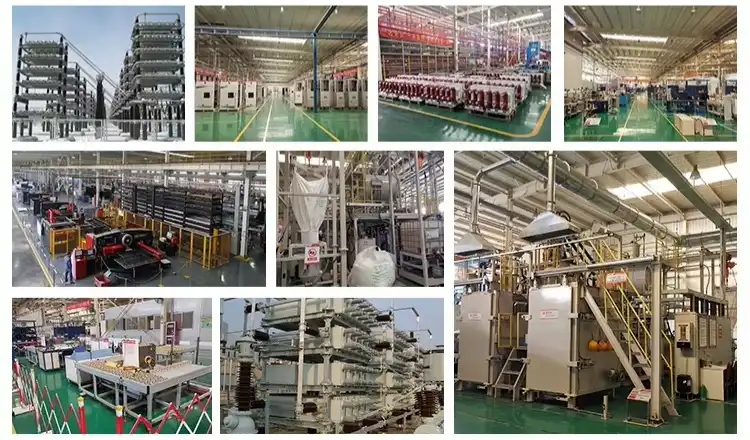
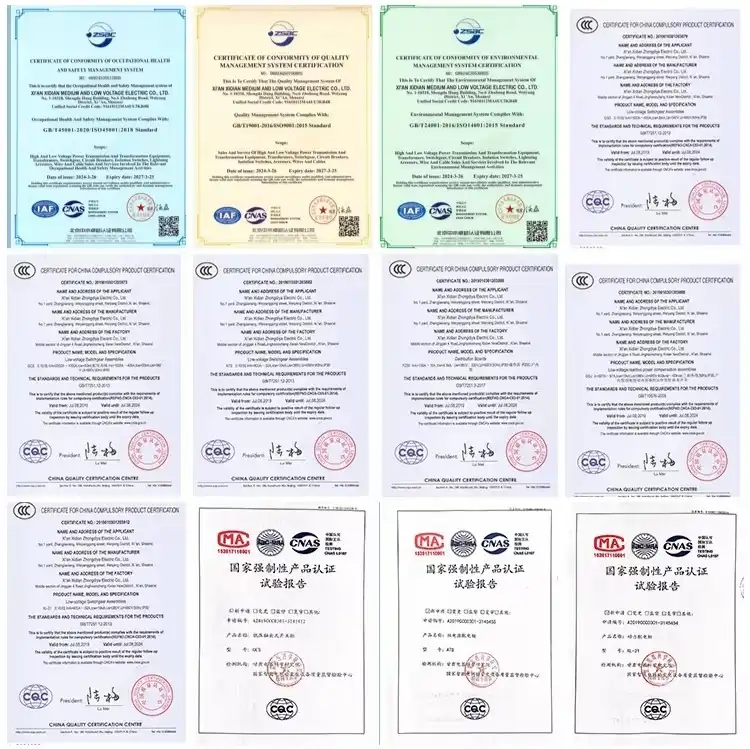
Supplier selection is more than just choosing a good product. It also includes choosing a supplier with good technical support, clear documentation, and quick service. Established providers offer thorough technical instructions, promises that spare parts will be available, and the ability to do repair work in the field. Xi'an Xikai has ISO 9001, ISO 14001, and ISO 45001 standards, which show that they are dedicated to quality, protecting the environment, and keeping workers safe. Our expert support team, which you can reach at serina@xaxd-electric.com, amber@xaxd-electric.com, and luna@xaxd-electric.com, helps with application advice, commissioning, and debugging for as long as your equipment is in use.
Customization for Large-Scale Projects and Specialized Applications
Customised solutions are often needed for complicated projects, like changing the size for installations with limited space, using special coatings in corrosive environments, or integrating monitoring systems for smart grid uses. Xi'an Xikai's manufacturing is flexible enough to accommodate custom configurations without lowering quality or speeding up delivery times. For example, projects that use a lot of renewable energy might need to work together better with inverter-based generation. Our engineering team creates safety plans that keep the grid in sync and protect the equipment that moves power.
Conclusion
To make medium-voltage switchgear last as long as possible, you need to know its basic specs, how it works in different environments, and the best ways to maintain it. If you choose, install, and take care of your indoor vacuum circuit breaker correctly, it will protect you for decades. Vacuum interruption technology has many benefits over regular air, SF6, and oil breakers, including better arc cooling, less upkeep, safety for the environment, and a small size. Strategic choices about what to buy that focus on the knowledge of the maker, full support, and customisation for the particular application protect operational efficiency and keep lifetime costs low. Using current condition monitoring and proactive maintenance plans can help facilities get the most out of their capital investments by extending the life of their assets.
FAQ
1. How does altitude affect indoor vacuum circuit breaker performance?
How does the height of a building affect how well an indoor vacuum circuit breaker works? Up to 1000 meters above sea level, standard measures work accurately. As you go up in elevation, the air density drops, which makes the outside insulation less effective. For installations between 1000m and 4000m, you need plateau-type designs with wider insulation margins. For safe operation in hilly areas, Xi'an Xikai offers models that have been adjusted for altitude and tested to national standards.
2. What causes premature contact wear in vacuum interrupters?
When there are heavy loads, too much switching frequency causes repeated thermal cycling. Running close to the highest rated current makes stress worse. When environmental contaminants get into the mechanism, they make it work more slowly. Contact pressure drops when over-travel decline is caused by poor upkeep. Regular checks that measure contact wear signs keep failures from happening out of the blue.
3. Can existing switchgear be retrofitted with modern vacuum breakers?
Many setups can be retrofitted with equipment whose chassis measurements and mounting patterns are compatible. KYN28-series cabinets usually work with normal breaker sizes. Before placement, the secondary wiring must be made sure to work with the main wire. Retrofitting improves safety, increases defence, and stretches the life of a substation more cheaply than replacing it completely.
Partner with a Trusted Indoor Vacuum Circuit Breaker Manufacturer
Xi'an Xikai Medium & Low Voltage Electric Co., Ltd. has been a leader in engineering for more than 30 years and specialises in medium-voltage power delivery systems. Work with a reliable company that makes indoor vacuum circuit breakers. The ZN63-VS1 indoor vacuum circuit breaker blends tried-and-true vacuum interruption technology with strict quality control measures, such as production that is ISO 9001-certified, thorough testing methods, and patented improvements in contact materials. Power generation, mining, data centers, and renewable energy are just some of the industries that utility companies, industrial facilities, and EPC firms work with. For example, plateau-type equipment is used for setups at high elevations, seismic-rated designs are used in areas prone to earthquakes, and IoT-ready versions are available for preventative maintenance programs. Our expert team works together on developing specifications, commissioning, and continued support to make sure that your equipment works at its best for as long as it's in use. Get in touch with serina@xaxd-electric.com, amber@xaxd-electric.com, or luna@xaxd-electric.com to talk to experienced indoor vacuum circuit breaker suppliers about your needs.
References
1. International Electrotechnical Commission, "High-Voltage Switchgear and Controlgear – Part 100: Alternating Current Circuit Breakers," IEC 62271-100 Standard, 2021.
2. IEEE Power and Energy Society, "IEEE Guide for the Application of Indoor Vacuum Circuit Breakers in Medium Voltage Power Systems," IEEE Std C37.015, 2018.
3. Johnson, R.M., "Vacuum Arc Phenomena and Contact Material Performance in Medium Voltage Circuit Breakers," IEEE Transactions on Power Delivery, Vol. 34, No. 2, 2019, pp. 876-885.
4. National Electrical Manufacturers Association, "Medium-Voltage Switchgear: Specifications and Testing Protocols for Industrial Applications," NEMA SG-3 Publication, 2020.
5. Zhang, H. and Liu, W., "Environmental Impact Assessment of SF6 Alternatives in Medium Voltage Switchgear Applications," Journal of Electrical Engineering Technology, Vol. 15, No. 4, 2020, pp. 1567-1578.
6. Anderson, P.K., "Predictive Maintenance Strategies for Extending Circuit Breaker Service Life in Critical Infrastructure," Electric Power Systems Research, Vol. 195, 2021, pp. 107-118.