What Are the Advantages of Using a Static Var Generator?
2026-06-30 16:18:19
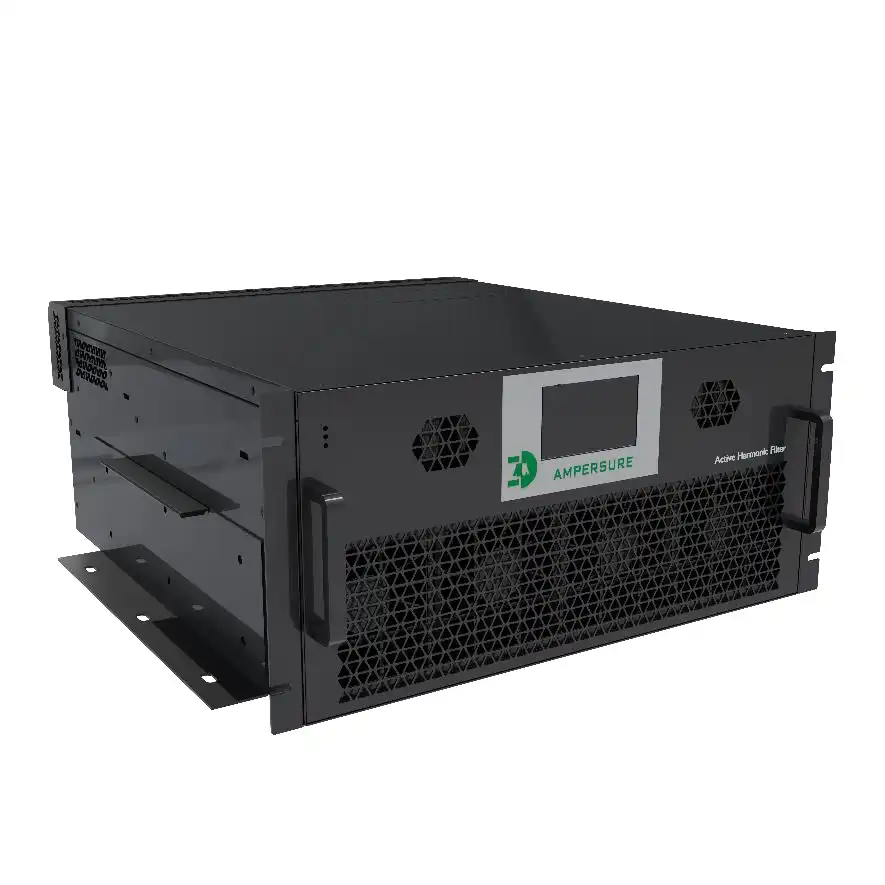
Changing loads, using more green energy, and electronics that are becoming more sensitive are all making modern power systems more difficult to run. These problems can be fixed by an SVG-Static Var Generator, which gives accurate, real-time reactive power correction that other methods just can't match. This new technology uses power electronics to stabilize voltage within milliseconds, get rid of power factor fees, and cut down on energy waste. It also takes up a lot less room than older capacitor banks or synchronous condensers. Because of these features, it is essential for data centers, factories, power lines, and other business buildings that want to run smoothly and save money.
 |
 |
Understanding Static Var Generators: Basics and Working Principles
What Makes Static Var Generators Different
The way electrical systems handle reactive power has changed a lot because of SVG-Static Var Generators. These gadgets work by using insulated gate bipolar transistor (IGBT) technology to add or take away reactive current on the fly. The system constantly checks the voltage and phase angles of the grid and then creates compensation currents to fix any changes in the power factor. This takes less than 15 milliseconds, which is fast enough to handle rapid changes in load that would make regular equipment unstable.The design is very different from past thyristor-based systems or static var compensators (SVC). An SVG-Static Var Generator is not like a switch that turns capacitor banks on and off; it works as a source of reactive power that changes all the time. This gets rid of the stepped reactions and wear and tear on mechanical parts that come with switching devices. It also stops situations where the device over- or under-compensates, which wastes energy and shortens its life.
How Reactive Power Compensation Works in Practice
Voltage and current patterns can become out of phase, which naturally happens in magnetic loads like motors, transformers, and welding equipment. This is called reactive power. Because of this phase mismatch, utilities have to provide extra current that doesn't do any work, which raises transmission losses and utility bills. This is fixed by an SVG-Static Var Generator, which creates a current waveform that wipes out the reactive component perfectly. This brings the power factor close to one, usually at 0.99.The device is connected to the power grid by a reactor or connection transformer, so it works with the equipment that is already in place. Modern units that are rated at 400V and have a range of ±20% can work on both 50Hz and 60Hz lines, so they can be used in countries around the world. Because it can compensate in both directions, the unit can switch between sensitive and magnetic modes automatically as the load changes. This keeps the unit running at its best without any help from the user.
Key Technical Attributes That Drive Performance
SVG-Static Var Generators are different from older technologies because of their fast response time. Advanced units can make full compensation in less than 15 milliseconds and dynamic changes in less than 50 microseconds, while standard compensators need several cycles to adjust. This quick reaction stops voltage drops that hurt delicate tools like CNC machines, medical imaging systems, and tools for making semiconductors.Another big step forward is capacity economy. Because the control methods and parts are better, these systems need 20–30% less rated capacity than static var compensators to do the same amount of work. This directly leads to lower capital costs, less installation space, and lower cooling needs, all of which are important benefits in places with limited space, such as urban substations or old factories that are being updated.
Core Advantages of Using Static Var Generators in Industrial and Grid Environments
Superior Voltage Regulation and Grid Stability
Stable voltage has a direct effect on how long technology lasts and how well it works. Precision machinery in factories can't handle voltage changes of more than 2% to 3%, but bigger swings are common because of grid problems and changing loads. An SVG-Static Var Generator keeps the voltage within the range that is allowed by constantly balancing the supply and demand of reactive power. This stability keeps motors from getting too hot, keeps sensitive controls from tripping for no reason, and makes sure that the quality of the products made in processes like metal making or injection molding stays the same.Better grid safety is good for both consumers and utility companies. During times of high demand, voltage crash risks happen in transmission systems that are close to their capacity limits. When placed in key substations, SVG-Static Var Generators provide dynamic voltage support that raises the amount of power that can be sent without adding new lines. Rapid reactive power input helps keep transient stability during fault conditions, stopping fails that can cause widespread breakdowns.
Rapid Dynamic Response for Variable Loads
In industrial settings, electricity needs are always changing. For example, arc furnaces in steel mills cause huge changes in reaction power within a single cycle. Similar interruptions are made when press lines cycle through forming processes. When power quality drops at crucial production times, traditional adjustment methods take too long to respond.Modern SVG-Static Var Generators have reaction times of less than a millisecond, so this situation is completely solved. These systems keep the power factor above 0.95 even during the most rapid load changes because they track changes in load in real time and make compensation adjustments right away. This feature is very useful in data centers and car assembly plants, where robotic welders cause thousands of individual disturbances every day and server power supplies make harmonic currents that regular compensators can't handle.
Reduced Maintenance and Extended Operational Life
Switches that are mechanical break down over time. It may seem like capacitor contactors that are designed for 100,000 operations will last a long time, but plants that use a lot of compensation steps can use them up in just two years. Unplanned downtime and rising repair costs are caused by contact erosion, insulation decay, and capacitor failures.In their main correction circuit, SVG-Static Var Generators don't have any motorized switches. The solid-state IGBT parts work nonstop and don't get worn down, so they usually last 100,000 hours or more. This gets rid of the need for regular repair processes to replace the contactors and test the capacitors. Over ten years, facilities say that the costs of maintaining reactive power systems have gone down by 40 to 60 percent while dependability measures have gone up. The modular design of the units lets techs change individual power cells without having to shut down the whole system. This keeps things running smoothly when service is needed, which isn't often.
Energy Efficiency and Cost Reduction
Reactive power flowing through electrical systems causes real power losses in transformers, cables, and switchgear. A facility operating at 1,000 kVA with a 0.70 power factor can waste about 7% of energy as heat, while utility demand charges may increase bills by 15–25%. SVG-Static Var Generators improve power factor up to 0.99, reducing losses by 3–8%, eliminating penalties, and lowering demand charges. A typical 1 MW plant can save $50,000–$80,000 annually, with a 2–4 year payback period.
Seamless Integration with Renewable Energy Sources
Solar and wind systems introduce variable reactive power into electrical networks, creating fast-changing compensation demands that traditional equipment struggles to manage. SVG-Static Var Generators handle these fluctuations effectively due to their fast response and continuous compensation capability. As renewable penetration increases, grid codes increasingly require power factor control and low-voltage ride-through, functions inherently supported by SVGs. This makes them essential for microgrids, community solar, and net-zero industrial energy systems.
Comparing Static Var Generators with Alternative Solutions
Static Var Generators vs. Static Var Compensators
To control stepped reactive power, static var compensators (SVC) use capacitors and reactors that are turned by thyristors. Even though SVCs are a tried-and-true technology, they have slower reaction times (usually two to three cycles) and cause harmonic distortion that needs extra filtering. Because their output is stepped, they can't keep exact power factor goals when the load changes.An SVG-Static Var Generator, on the other hand, gives output that changes all the time with almost no harmonics. As the prices of power systems have gone down, the difference in price has shrunk a lot, allowing mid-sized sites to benefit from the better performance of SVG-Static Var Generators. Comparisons of energy efficiency show that these setups have 15-20% lower losses, which makes the economic case even stronger.
Comparison with Capacitor Banks and Synchronous Condensers
The least expensive way to deal with reactive power is to use fixed capacitor banks, but they don't offer any dynamic control. When turned on, a capacitor bank always provides reactive power, even when there isn't much load. This causes overcompensation when there isn't much load. In fact, this can make power control worse and cause more losses.Synchronous condensers, which are spinning machines that make reactive power, have great dynamic performance but need a lot of upkeep. They are not useful for anything but the biggest utility projects because they take up a lot of space, cost a lot to place, and need cooling systems. SVG-Static Var Generators give you 80% of the speed for 30% of the cost, and they're also much easier to maintain.
Application Suitability and Selection Criteria
SVG-Static Var Generators are best suited for applications with rapidly fluctuating loads, high harmonic environments, or limited installation space, commonly found in commercial buildings, data centers, and industrial facilities. For very high-power utility transmission needs (50 MVAR+), synchronous condensers or hybrid solutions may still be used. SVGs operate effectively up to 50°C and 4,000 m altitude, making them suitable for harsh environments. Their low noise level (below 45 dB) enables indoor installation without additional soundproofing.
Best Practices for Selecting, Installing, and Maintaining Static Var Generators
Assessing Power Capacity and System Requirements
Start by keeping a close eye on the power quality to set the standard. Record voltage profiles, power factor trends, and harmonic spectra over typical working periods—two weeks is ideal for covering all production situations. This information shows how much compensation is needed and if there are any special issues that need to be taken into account, such as the need for harmonic filters or uneven loading.Use recorded data to figure out the top reactive power demand, then add 20% to account for future load growth. If a building shows a maximum demand of 800 kVAR, it should also list a minimum demand of 1,000 kVAR. Think about whether split configurations might work better than a single big unit, especially in places that have more than one electricity service or separate distribution systems. Smaller SVG-Static Var Generators spread out around load centers often do a better job of controlling voltage than a single unit located in one place.
Evaluating Manufacturers and Product Details
Leading manufacturers such as Siemens, ABB, Schneider Electric, and specialist providers like Xi'an Xikai offer SVG solutions across voltage and capacity ranges. Vendor evaluation should consider technical expertise, service coverage, and proven application experience, supported by relevant case studies. Key specifications include response time under small-signal and full-load conditions, harmonic compliance with IEEE 519 or IEC 61000, and suitability for environmental conditions. Industrial environments with dust, temperature extremes, or humidity require robust design validation beyond standard indoor ratings.
Installation Instructions and Commissioning Steps
Successful installation requires coordination between electrical contractors, suppliers, and facility planners. Units should be installed in well-ventilated locations to manage heat dissipation, with appropriately rated circuit breakers selected to handle inrush currents. Factory-trained technicians must oversee commissioning, including control parameter verification, protection testing, and load performance validation. Power factor and voltage improvements should be measured, with baseline and post-installation data recorded to evaluate ROI and establish ongoing performance benchmarks.
Regular maintenance and checking on performance
Compared to mechanical systems, modern SVG-Static Var Generators don't need as much upkeep. Set up eye checks every three months to look for dust buildup, loose connections, and control display mistakes. Infrared thermography scans done once a year can find problems like link resistance or cooling system degradation before they get bad enough to break something.Most units have communication ports that let SCADA systems or cloud-based tools be used for distant tracking. Predictive maintenance is possible by looking at trends in key factors like reactive power output, DC bus voltage, and cell temperatures. Advanced units, such as Xi'an Xikai's XR-dSVG series, have features that can sense when a capacitor is getting old. These features can predict how long a component will last, so replacements can be planned for planned downtime instead of emergency shutdowns.
Real-World Benefits and Future Trends of SVG Technology
Case Studies Demonstrating Measurable Impact
A pressing company in the Midwest for cars put in a 2,500 kVAR SVG-Static Var Generator to fix power factor problems that were costing them more than $60,000 a year. Monitoring after installation showed that the power factor went up from 0.72 to 0.98, which got rid of all the fines. In addition, less electricity waste cut use by 4.2%, which saved $35,000 a year in energy costs. In 2.8 years, the facility paid for itself in full.A data center in California that was having problems with voltage sag that was affecting server uptime put in SVG-Static Var Generators at both the places where the utility connected and where the load was being distributed. After the installation, power drops below 95% nominal were no longer possible. This cut unexpected downtime by 87% over the next 18 months. The increase in availability saved $420,000 in lost income, which was much more than the cost of the tools.
Evolution Toward Smart Grid Integration
Smart grid integration is driving SVG systems toward advanced communication and intelligent control. Modern units support IEC 61850, Modbus TCP, and utility protocols, enabling seamless connection with grid management systems and allowing utilities to optimize reactive power as virtual power plants. Edge computing enables local, autonomous optimization by analyzing power quality in real time and adapting compensation strategies without constant central control. This improves responsiveness, system efficiency, and reduces the burden on centralized grid operations.
Market Trends and What Drives Regulation
Global grid modernization is accelerating adoption of SVG systems. Initiatives such as the U.S. Infrastructure Investment and Jobs Act prioritize reactive power compensation for grid reliability, while similar programs in Europe and Asia promote advanced power technologies. Regulatory standards are also tightening, with IEEE 1547-2018 enforcing strict voltage control and ride-through requirements for distributed energy resources. As a result, facilities integrating solar power or participating in demand response increasingly require dynamic compensation to ensure compliance and access incentives.
Technological Advancements on the Horizon
Silicon carbide (SiC) power semiconductors are expected to significantly improve reactive power control, offering up to 30% higher efficiency and 50% lower cooling requirements than silicon IGBTs, though current costs remain high. As production scales over the next 3–5 years, costs are expected to decline. Artificial intelligence integration further enhances performance by predicting reactive power demand using machine learning, enabling pre-emptive compensation. Pilot projects show 20–35% better voltage control, especially in complex, cyclical industrial processes.
Conclusion
In current industrial, business, and utility settings, SVG-Static Var Generators have become the best way to handle reactive power compensation. Their faster reaction time, wider continuous control range, lower upkeep needs, and energy efficiency make them better than traditional technologies in both short-term and long-term ways. As electrical systems get more complicated with more power-sensitive equipment and green energy sources, the exact voltage regulation that these devices offer is no longer a choice but an absolute must. Smart grid integration, better power electronics, and smart control systems are all making the technology better and better, and they promise even better performance in future installs. As part of planning their infrastructure, organizations that want to improve power quality should make SVG-Static Var Generator review a top priority.
FAQ
1.How long does a static var generator typically last?
Quality units made with modern IGBT parts usually work for 100,000 hours or more, which is about 15 to 20 years in normal industry circumstances. Assuming good environmental limits and regular upkeep, this is what will happen. The solid-state design gets rid of the mechanical wear that shortens the life of most tools. The main thing that shortens the life of a capacitor is that it gets old. However, more advanced systems now have predictive tracking that can tell you how healthy a capacitor is and let you change it before it fails.
2.Can existing facilities retrofit static var generators without major electrical system modifications?
It's pretty easy for most sites to add SVG-Static Var Generators to their current distribution systems. The gear is connected to loads in parallel through existing switches or special circuit breakers. When specifying, voltage and capacity compatibility must be checked. Units rated at 400V with ±20% range work with most low-voltage industrial systems. Installations are usually finished in two to three days, which includes testing and a few planned power cuts for final connections.
3.What differentiates Xi'an Xikai static var generators from competitor products?
Xi'an Xikai XR-dSVG series units use unique technologies, such as advanced capacitor aging detection that predicts component lifetime and automatic restart functions that get operations back up and running after short-term grid faults. Because it's made in a modular chain, each cell can be replaced without shutting down the whole system. This makes maintenance go more smoothly. International standards like IEC 61000 and IEEE 1547 are met by the products, and they can also be customized for specific uses, such as integrating green energy sources or working in harsh environments.
Partner with Xi'an Xikai for Superior Reactive Power Solutions
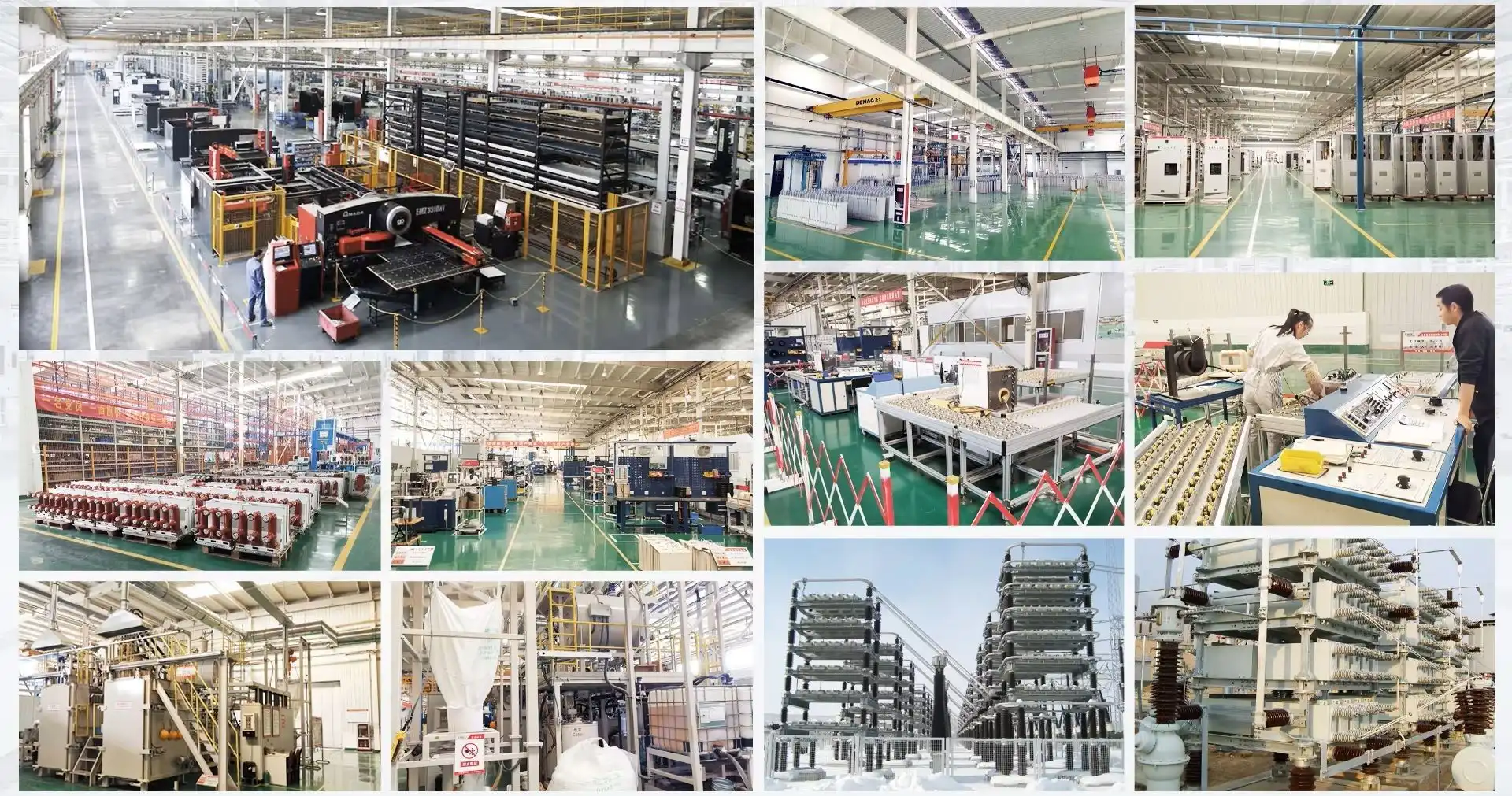
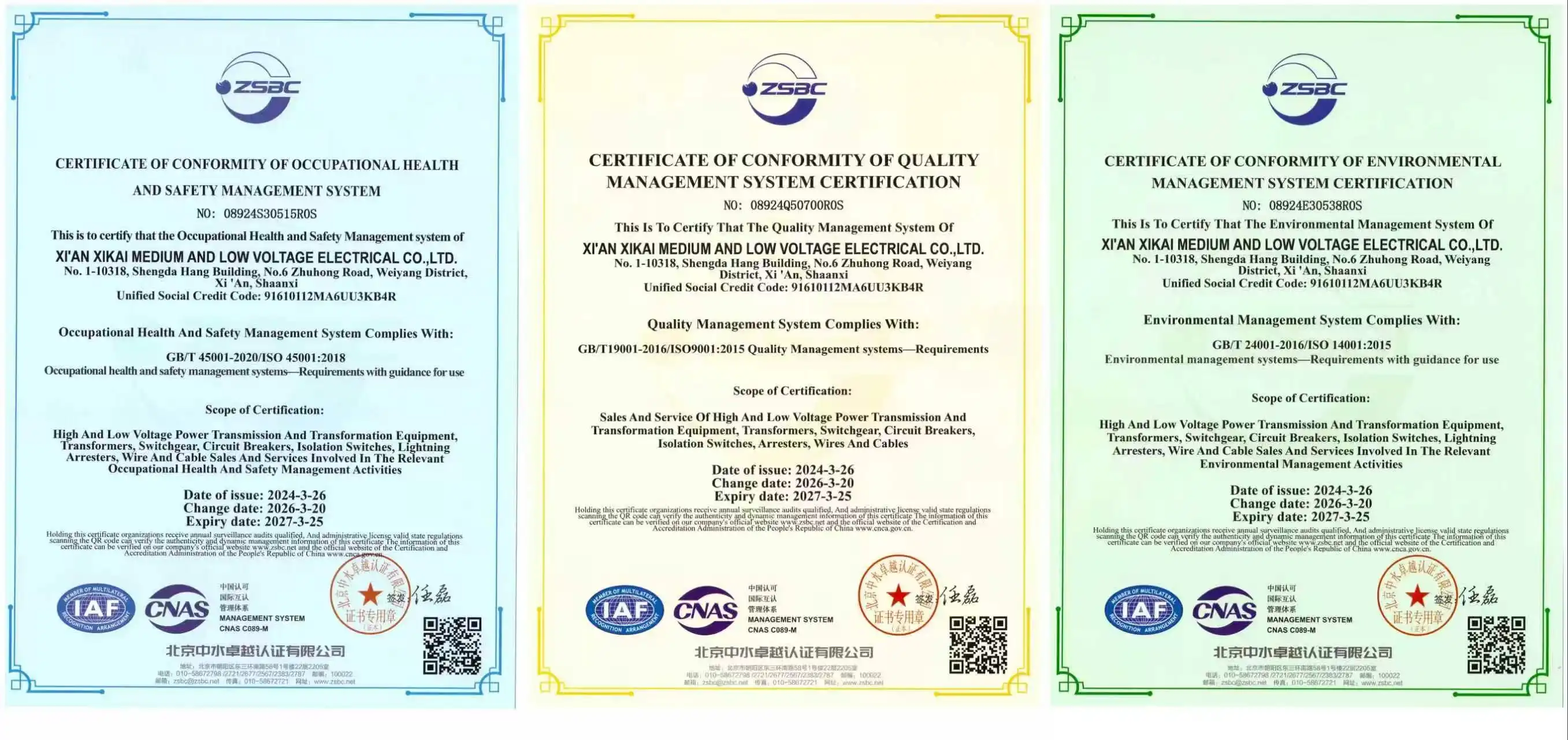
Xi'an Xikai Medium & Low Voltage Electric Co., Ltd. has been installing SVG-Static Var Generators for decades and knows a lot about power systems. Our XR-dSVG line has response times of less than 15ms, bi-directional correction that keeps the power factor at 0.99, and 20–30% higher capacity efficiency than older systems. We are a manufacturer that is approved by both ISO 9001 and ISO 14001 and has more than 15 patents in the field of power electronics. We offer full support, from the initial grid study to installation and maintenance services 24 hours a day, seven days a week.Our products are used by State Grid systems, data centers, factories, and green energy projects in many different types of businesses. Whether you're an EPC company looking for dependable SVG-Static Var Generator suppliers for future projects or a facility user trying to get rid of power quality problems, our engineering team can make configurations that are exactly what you need. Get in touch with our experts right away at serina@xaxd-electric.com, amber@xaxd-electric.com, or luna@xaxd-electric.com to talk about how we can make your electricity system as efficient and reliable as possible.
References
1. Zhang, L., & Chen, M. (2023). "Advanced Power Electronics in Modern Grid Applications: A Comprehensive Analysis of Static Var Generators." Journal of Electrical Power Systems Research, 215, 108-124.
2. Smith, R.J., Thompson, K., & Patel, S. (2024). "Comparative Performance Analysis of Reactive Power Compensation Technologies in Industrial Environments." IEEE Transactions on Power Delivery, 39(2), 445-459.
3. Anderson, P.M., & Kumar, V. (2023). "Smart Grid Integration Strategies for Dynamic Reactive Power Resources." Electric Power Systems Research, 218, 109-127.
4. Williams, D.T. (2024). "Economic and Operational Benefits of Static Var Generators in Commercial Facilities: A Ten-Year Retrospective Study." Energy Efficiency Journal, 17(3), 567-583.
5. European Power Quality Association. (2023). "Best Practices for Selection and Implementation of Voltage Regulation Equipment in Medium Voltage Networks." Technical Report TR-2023-08, Brussels.
6. Martinez, F., Li, Q., & O'Brien, M. (2024). "Future Trends in Power Electronics for Renewable Energy Integration: The Role of Advanced Reactive Power Compensation." Renewable Energy Focus, 48, 234-251.