-square BKMJ_1758505876091.webp)
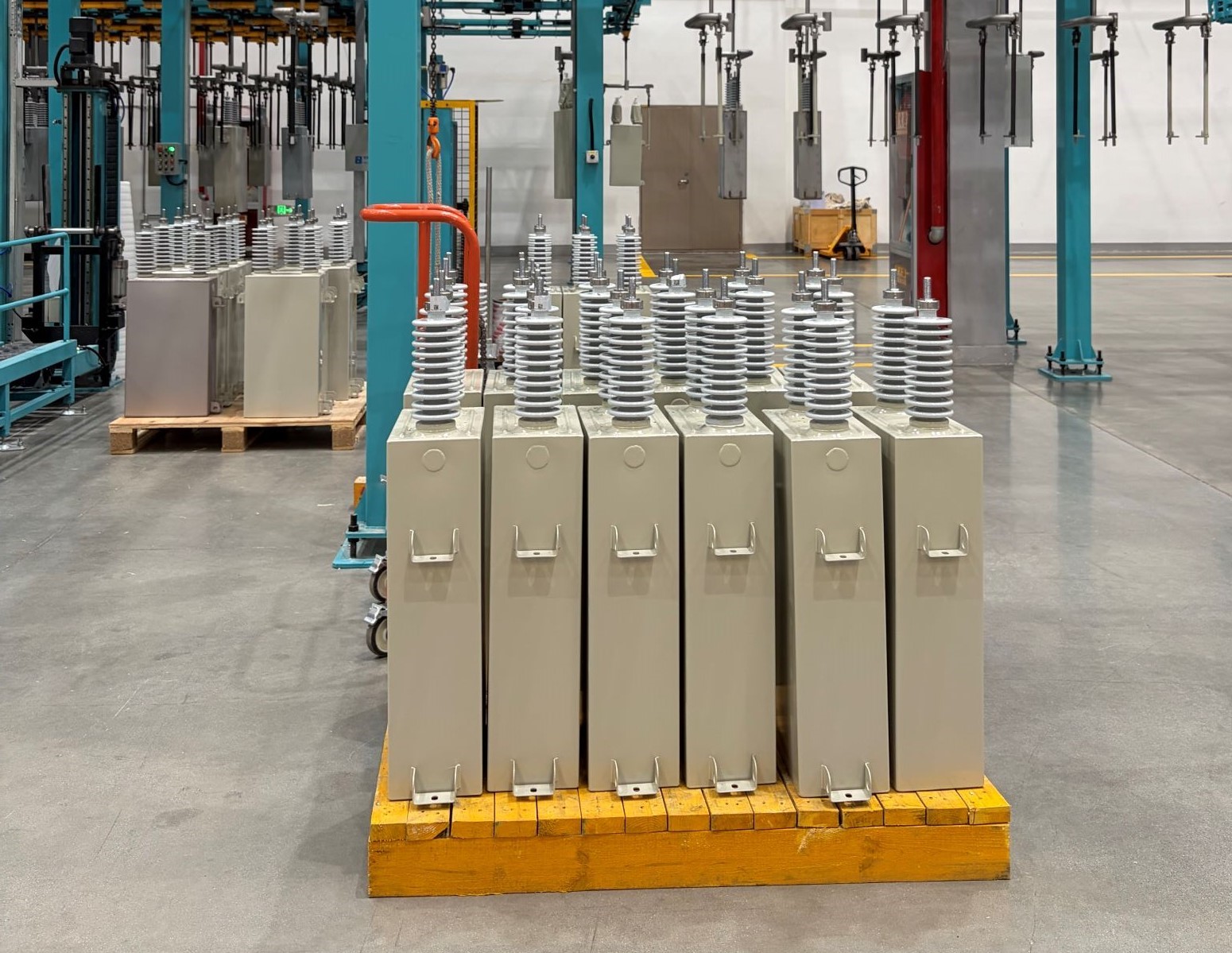
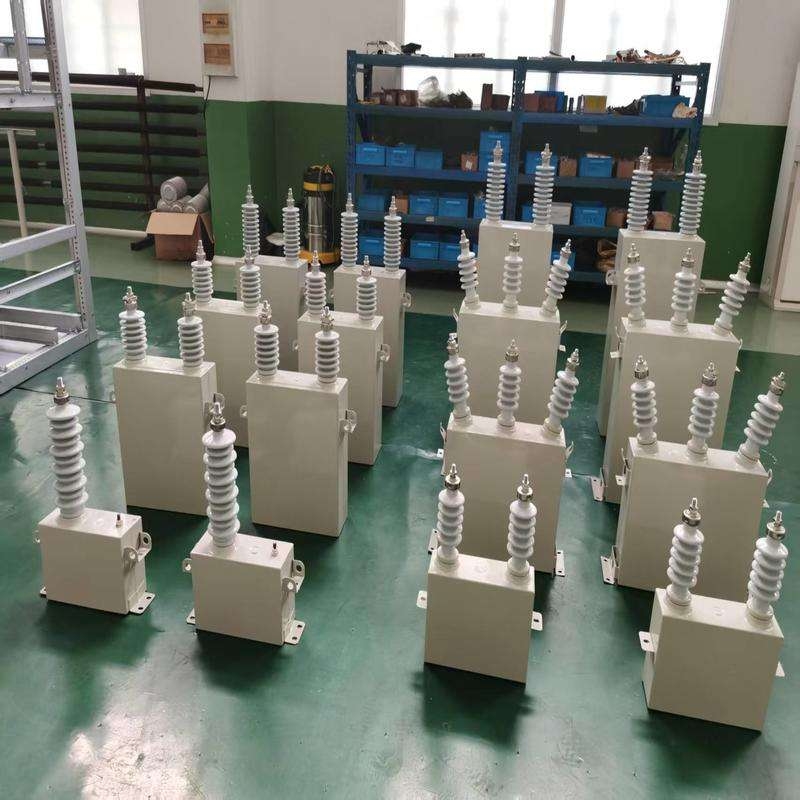
50KVAR Self-healing Capacitor for PFC(Power factor correction)-square BKMJ
What Does a Outdoor disconnect switch Do? Functions and Application
2026-05-26 15:59:19
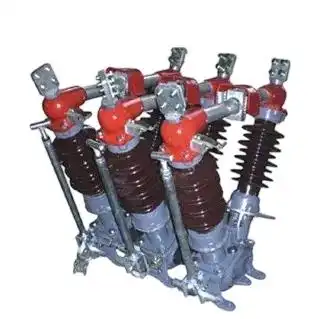
Outdoor disconnect switches are essential safety devices that physically terminate and separate power distribution system electrical circuits. Technicians can interrupt electrical paths using these switches before servicing transformers, circuit breakers, or transmission lines. Outdoor disconnect switches can endure rain, snow, UV radiation, and temperatures from -40°C to +85°C due to their weatherproof casings and corrosion-resistant materials. Substations, industrial sites, and utility networks with exposed equipment need this functionality.
 |
 |
Understanding Outdoor Disconnect Switches: Definition and Functionality
What Distinguishes Outdoor Disconnect Switches from Indoor Models?
Main differences include building materials and ingress protection ratings. Outdoor disconnect switches include hot-dip galvanized steel frames and aluminum alloy profiles to withstand rust and corrosion. In my experience with data center operators, coastal facilities benefit most from stainless steel transmission systems, which resist salt-air corrosion. NEMA 3R and IP65 ratings protect against windblown dust and water jets, fulfilling NEC Article 230.82 disconnecting methods standards.
Operational Principles and System Integration
Mechanical blade separation provides an air space between conductors in these devices. Rotating insulators separate contact blades from fixed terminals as the switch opens, creating an apparent detachment. The horizontal pantograph mechanism of the 72.5kV–126kV GW5 High Voltage Disconnect Switch reduces switching friction. Bending copper plates wear less and are easy to replace after years of use.
Support insulators and conductive lines must be aligned during installation. Mounting bases must be level within ±1mm tolerance to avoid unequal contact pressure. Operating mechanisms link to manual handles or motorized actuators, and auxiliary switches notify SCADA systems of condition.
Compliance with Electrical Codes and Standards
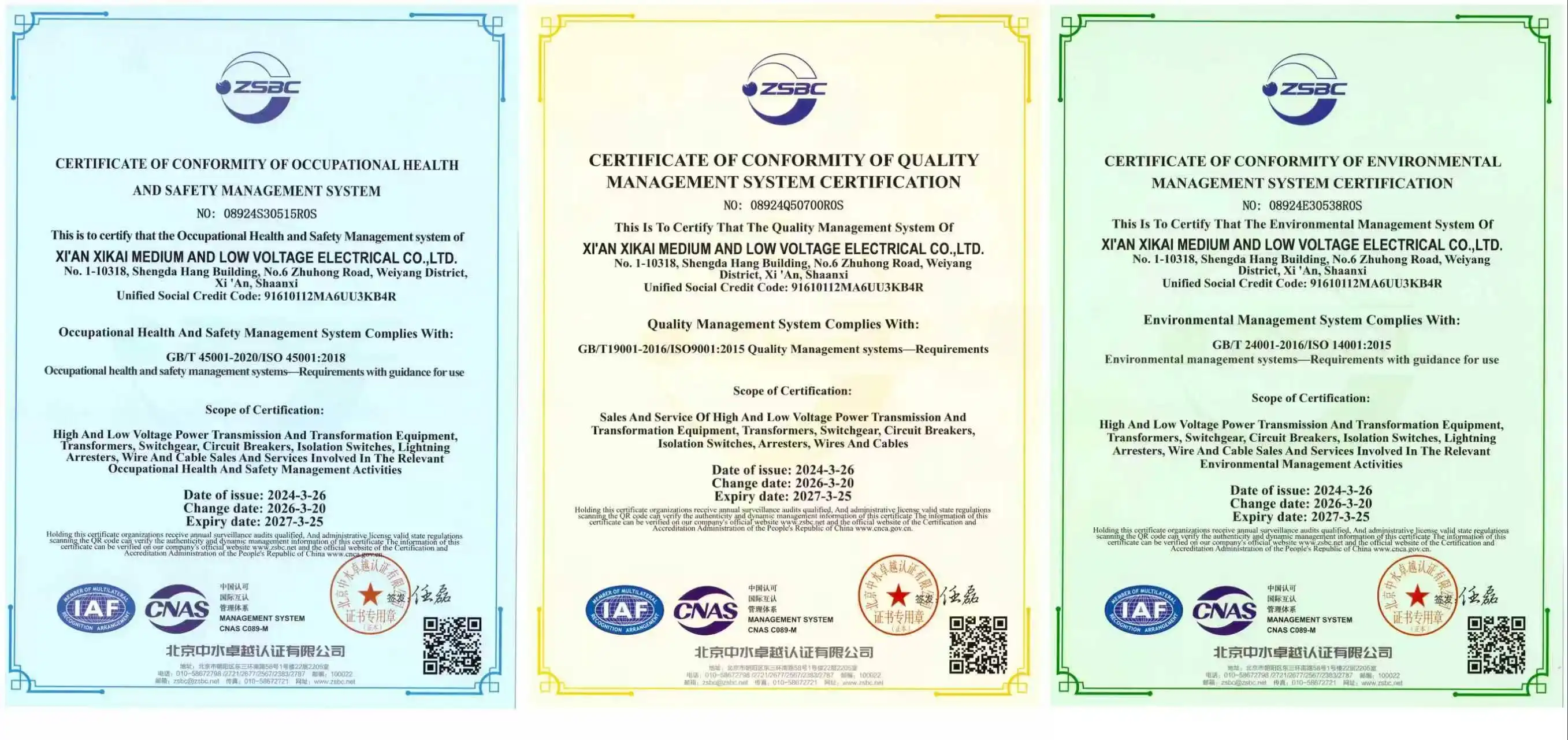
IEC 62271-102 specifies dielectric withstand voltages and mechanical endurance cycles for high-voltage Outdoor disconnect switches. Industrial plant medium-voltage applications are covered by IEEE C37.32. Xi'an Xikai's production techniques include 48-hour aging tests that replicate 20 years of mechanical activities and one-minute dielectric testing at 230kV. Each shipment includes material traceability paperwork, meeting ISO 9001 quality management standards for project compliance needed by procurement teams.
Types and Key Features of Outdoor Disconnect Switches
Design Categories and Technical Characteristics
Three-column rotary and double-column pantograph high-voltage Outdoor disconnect switches exist. Rotary variants like the GW7B-363 support spinning blades with three insulator posts, making them appropriate for tiny substations with less than 8 square meters per phase. Pantograph versions like the GW11A use extending arm mechanisms to widen isolation gaps at voltages beyond 252kV.
Transformer protection methods employ fuse-integrated models for disconnection and overcurrent protection. Outdoor disconnect switches lack arc suppression to interrupt fault currents, thus circuit-breaker-coordinated switches physically interlock to avoid load breaking. Weatherproof lockable housings with padlock hasps for up to six locks allow multi-team lockout/tagout during maintenance.
Essential Safety and Technical Features
Choice of material affects service life. The GW5 series utilizes externally compressed stainless steel contact springs for steady force despite temperature variations, achieving contact resistance < 75μΩ. This improved conductivity minimizes insulation-degrading hotspots. Adding a zinc layer over 85 microns thick during hot-dip galvanizing protects against electrochemical corrosion.
At 2000A rated currents, thermal dissipation becomes essential. Aluminum alloy profiles disperse heat better than copper, keeping junction temperatures safe during extended operation. Maintenance-free units save 30% over annual-service models by eliminating routine lubrication.
Lockout/tagout devices fulfill OSHA 1910.147 regulations, with blade positions indicating open status before entering electrified zones. Grounding switches protect main blades from inadvertent energization during work.
Practical Maintenance and Service Intervals
Corrosion-resistant designs only need five-year inspections, whereas ordinary equipment needs three. Maintenance includes washing insulator surfaces with alcohol or gasoline to remove pollutant deposits that lower dielectric strength. Technicians torque M24 fasteners at 150 Nm to check cylindrical pins and bolts. Contact surfaces with conductive grease have low resistance joints.
Mechanical alignment and auxiliary switch functionality are troubleshooted. When handles rotate 100°, limit switches should work. Binding implies operational insulator-rotating shaft misalignment. If fractures form, replace post insulators because moisture infiltration impairs insulation.
Comparing Disconnect Switches with Circuit Breakers and Fuses
Functional Differences in Commercial and Industrial Settings
Circuit breakers automatically interrupt fault currents through arc chutes and SF6 gas chambers, while Outdoor disconnect switches merely isolate loads after disconnecting. Breakers perform regular switching and fault protection, whereas disconnects safeguard technicians during equipment repair. This tiered technique benefits manufacturing operations because Outdoor disconnect switches allow manual isolation during breaker failures.
Fuses provide cheaper single-use overcurrent protection but must be replaced. Hospitals and data centers avoid crucial circuit fuses because failure prediction is difficult. Outdoor disconnect switches and relays give resettable protection without consumables.
Compact versus Standard Models: Space and Installation Trade-offs
Urban substations have limited space, thus three-column pantographs are 40% smaller than double-column ones. Standard models have bigger isolation gaps visible from ground level, facilitating safety verification. EPC businesses use tiny switches for interior substations and conventional ones for outdoor installations where visibility counts during design.
GW5 series dual-side installation options allow retrofitting of existing infrastructure. Base mounting eliminates foundation rework expenses of over $15,000 per installation by accommodating fixed-contact or moving-contact configuration.
Weatherproof Ratings and Durability Considerations
NEMA 3R enclosures exclude rain and ice but admit dust. IP65 variants protect against dust and low-pressure water jets, vital for coastal areas where salt fog promotes corrosion. Comparative testing showed IP65 marine housings last eight years longer.
Transmission operators report that properly anchored galvanized steel frames can withstand hurricane-force gusts above 150 mph. Due to impact-resistant stainless steel pin/bushing systems, one utility reported no failures across 200 installations during a Category 4 hurricane.
Procurement Guide: Sourcing Outdoor Disconnect Switches for Business Use
Global Sourcing Channels and Distributor Partnerships
Authorized distributors offer warranty support and technical documents that generic vendors cannot. Partnering with manufacturers like Xi'an Xikai guarantees project-specific setups. Regional warehouses reduce regular model delivery times to three weeks and engineered-to-order variations to six weeks. Our worldwide network distributes to 50+ countries.
Procurement professionals should check CE, UL 508, and GOST-R certificates for regulatory compliance. Fake items without certificates are unsafe and invalidate project insurance. Material traceability reports verify component validity from raw materials to final assembly.
Pricing Structures and Volume Discount Strategies
Voltage rating, current capacity, and features affect pricing. Basic 15kV versions cost industry-standard, but 126kV units with IoT sensors cost more. Bulk purchase agreements for projects above 50 units unlock 18% bulk savings, greatly affecting project budgets.
Requesting project milestone-based payment conditions and grouping switchgear purchases to increase purchasing power are negotiation strategies. Long-term supply agreements mitigate against commodity price volatility throughout multi-year construction.
Logistics and Custom Configuration Options
North American supplies provide speedier deployment than international shipments needing customs clearance. Custom designs meet particular needs like Arctic-rated insulators for -60°C operation or tiny frames for tight locations. OEM collaborations provide private labeling and control system-compatible SCADA interfaces.
After-sales support distinguishes customer-focused firms. Emergency response within 12 hours by our 24/7 multilingual technical staff reduces heavy industrial downtime costs of $8,000 per hour. ISO 9001-certified production excellence is reflected in 30-year warranties.
Leading Manufacturers and Trusted Market Solutions
Industry-Recognized Brands and Product Portfolios
Well-known brands and products: Square D and Siemens dominate North America with strong service networks and fast parts availability. Their medium-voltage products work with existing switchgear. GE and Eaton offer comprehensive substation solutions for utility-scale transmission equipment over 115kV. Schneider Electric and ABB provide switches with sensors that send vibration and temperature data to predictive maintenance systems.
Leviton specializes on commercial buildings with small footprints and attractive Outdoor disconnect switch enclosures. Each brand has regional service centers with factory-trained specialists to reduce critical failure reaction times.
Xi'an Xikai: Reliable Outdoor Disconnect Switch Supplier
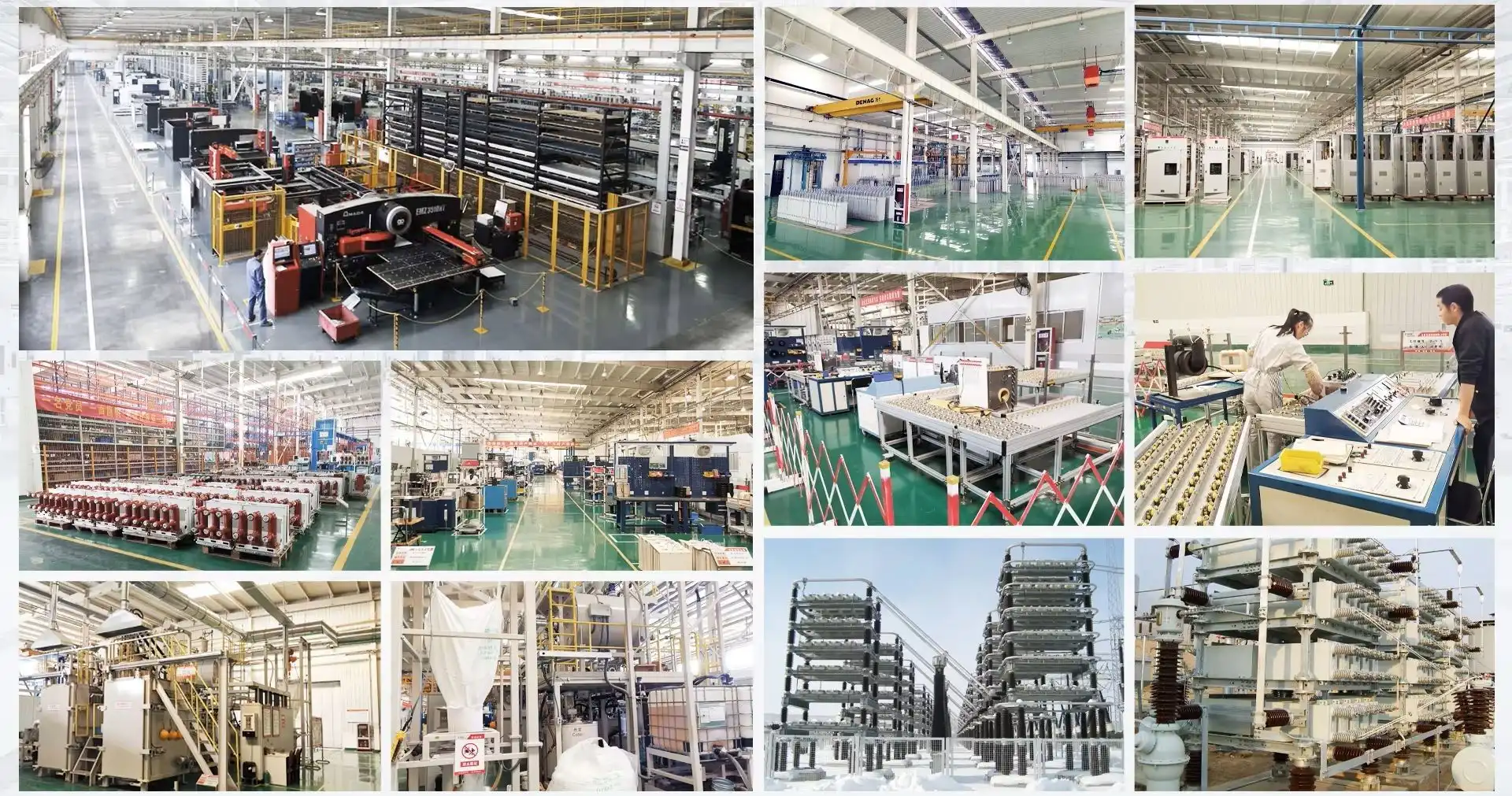
We offer complete power distribution solutions across seven product categories as one of China's biggest medium and low-voltage equipment manufacturers. Our GW5 High Voltage Disconnect Switch has been in over 200,000 installations since 1983, demonstrating 40 years of engineering improvement. The gadget has patent-protected rust-proof stainless steel contact springs and minimal-friction pantograph mechanisms that extend service intervals by 40%.
Quality measures include 100% inspection at each production stage, 48-hour aging tests, and material traceability make manufacturing great. Standard catalogs cannot handle unusual voltage ratings, climatic conditions, and mounting configurations. Custom manufacture can. Our reliability is confirmed by State Grid, petrochemical, and rail transportation system client comments.
Technical support goes beyond equipment delivery. In addition to installation monitoring, our engineers help with commissioning and operator training. EPC enterprises with tight construction deadlines need supply chain efficiency to deliver on time over 96%.
Conclusion
By providing visible separation points that safeguard maintenance staff and enable safe equipment repair, Outdoor disconnect switches play crucial roles in electrical infrastructure. Each application's voltage ratings, climatic conditions, and operating needs must be considered while choosing models. Long-term value and regulatory compliance are maximized via manufacturer alliances, bulk purchasing discounts, and extensive after-sales support. Modern engineering for demanding industrial and utility applications like Xi'an Xikai's GW5 series combines durability, performance, and affordability.
FAQ
1. Can outdoor disconnect switches interrupt load currents safely?
Due to their absence of arc suppression, these devices should never interrupt load currents. Use circuit breakers to de-energize circuits before utilizing Outdoor disconnect switches. Breaking loads under power can create catastrophic arcing that harms equipment and persons.
2. What maintenance frequency keeps outdoor disconnect switches reliable?
Inspections are needed every five years for corrosion-resistant designs and three for ordinary types. Maintenance includes insulator cleaning, fastener torque checks, and contact conductive grease. Units with short-circuits need quick examination regardless of timetable.
3. How do weatherproof ratings affect service life?
IP65 enclosures protect against dust and water jets, extending coastal service life by eight years over NEMA 3R types. Galvanized steel frames and stainless steel components endure hurricane winds and -40°C to +85°C temperatures.
Partner with Xi'an Xikai for Premium Outdoor Disconnect Switch Solutions
Our technical staff can recommend the best disconnect switch layout for your substation, industrial site, or commercial complex. We supply IEC 62271-102 and IEEE C37.32-compliant equipment with 40+ years of manufacturing expertise and ISO 9001 certification. Discuss your project needs with our sales professionals at serina@xaxd-electric.com, amber@xaxd-electric.com. Voltage ratings up to 126kV, affordable bulk pricing, and technical support during installation and commissioning are available. View our Outdoor disconnect switch manufacturer's catalog.
References
1. National Electrical Manufacturers Association (NEMA). Standards Publication 250-2020: Enclosures for Electrical Equipment (1000 Volts Maximum). Rosslyn, VA: NEMA, 2020.
2. Institute of Electrical and Electronics Engineers (IEEE). IEEE Standard C37.32-2020: High-Voltage Disconnect Devices and Switches. New York: IEEE, 2020.
3. International Electrotechnical Commission (IEC). IEC 62271-102:2018 High-Voltage Switchgear and Controlgear – Part 102: Alternating Current Disconnectors and Earthing Switches. Geneva: IEC, 2018.
4. Occupational Safety and Health Administration (OSHA). 29 CFR 1910.147: The Control of Hazardous Energy (Lockout/Tagout). Washington, DC: U.S. Department of Labor, 2022.
5. National Fire Protection Association (NFPA). NFPA 70: National Electrical Code 2023 Edition. Quincy, MA: NFPA, 2022.
6. American National Standards Institute (ANSI). ANSI C37.30-2015: Definitions and Requirements for High-Voltage Air Disconnect Switches. Washington, DC: ANSI, 2015.