Indoor Disconnect Switch vs Circuit Breaker: Key Differences
2026-08-21 16:28:27
When specifying electrical protection equipment for substations or industrial switchgear, understanding the distinction between an indoor disconnect switch and a circuit breaker is essential. An indoor disconnect switch provides visible circuit isolation for safe maintenance, allowing technicians to manually create a physical air gap in the circuit. Circuit breakers, conversely, automatically detect and interrupt fault currents such as overloads or short circuits. Both devices play distinct roles: the disconnect switch ensures personnel safety during servicing, while the circuit breaker protects equipment from electrical damage. Choosing the correct device impacts operational safety, compliance, and long-term reliability in power distribution systems.

Understanding Indoor Disconnect Switches and Circuit Breakers
Understanding how these devices work and where they are usually used is the first step in choosing the right isolation or protection device.
What Is an Indoor Disconnect Switch?
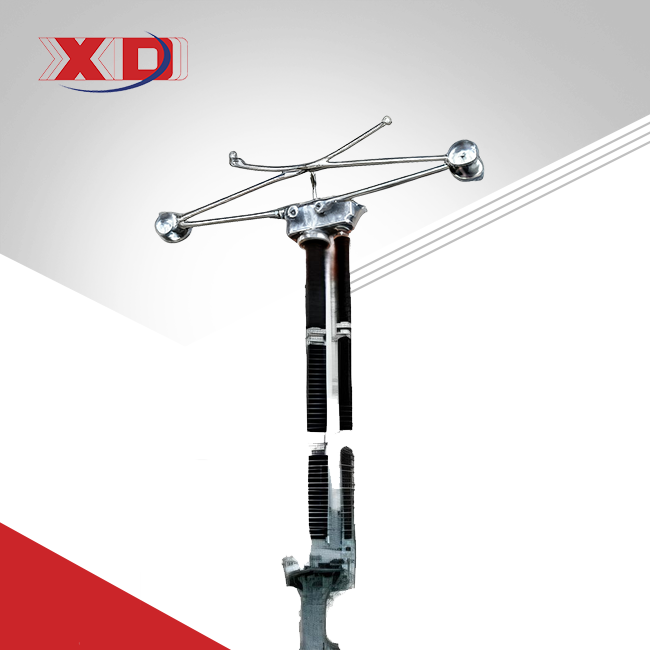
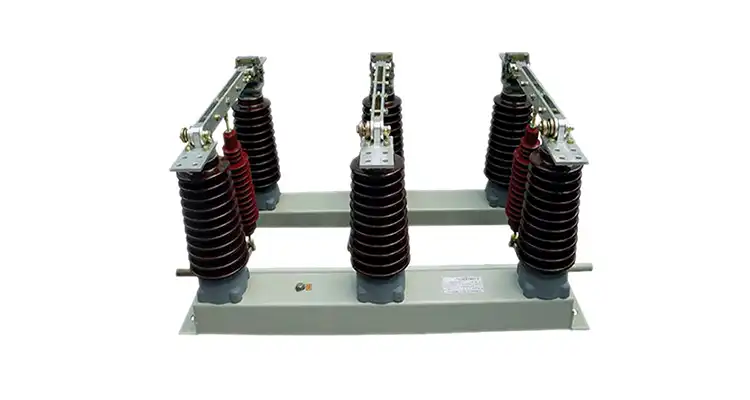
An indoor disconnect switch is a device that is operated by hand and directly cuts off electrical circuits when the power needs to be turned off for repair or an emergency. It doesn't automatically find or stop fault currents like safety devices do. The blade mechanism on the switch can be seen. It makes a clear air gap between the wires, which lets repair workers make sure the circuit is off before they do any work. These switches are usually put in protected switchgear boxes ahead of things like generators, motors, and HVAC systems. Their main job is to provide a safe, verifiable point of disconnection. They often have lockout/tagout features to keep power from being accidentally turned back on.
What Is a Circuit Breaker?
A circuit breaker checks the flow of electricity automatically and cuts the circuit off if it finds problems like overcurrents, short circuits, or ground faults. Circuit breakers, unlike manual disconnect switches, use thermal, magnetic, or electronic trip mechanisms to respond instantly to electrical problems. These are put in places like motor control centers, power distribution panels, and other important structures where faults need to be fixed quickly to avoid damage to equipment or fire risks. Modern circuit breakers can be reset after they trip, which gives you protection and operational flexibility without having to replace any parts.
Operational Principles Compared
The difference in how they work is in how they respond. To open or close the circuit, an indoor disconnect switch needs to be touched by a person, and it can't safely stop load current. Arcing can happen if you try to use a disconnect switch while it is loaded. However, circuit breakers are designed to put out sparks that are created when a fault is interrupted. This can be done thru arc chutes, magnetic blowout coils, or vacuum/SF6 gas tanks. They do different things because of this basic difference: disconnect switches separate circuits, while circuit breakers protect them actively. Professionals in charge of buying things need to know that these devices work best when used together in complete electricity systems, not when used alone.
Key Functional Differences Between Indoor Disconnect Switches and Circuit Breakers
Understanding the differences in how these devices work and how they are built helps buying teams choose the right tools for each job.
Circuit Isolation vs Fault Protection
The main difference lies in operational intent. An indoor disconnect switch makes a separation point that can be seen and checked, but it doesn't protect against overcurrent or short-circuit. It can't be opened until the load current has been cut off by the circuit breaker. Circuit breakers can isolate power and automatically find faults. They do this by using complex trip units that can respond within milliseconds to electrical problems. This dual functionality makes circuit breakers more complicated and costly, but essential in situations where unattended operation is needed. Disconnect switches excel in scenarios where manual isolation with visual confirmation is mandated by safety protocols.
Safety Features and Compliance Standards
Different types of devices have very different safety features. Indoor disconnect switches have blade positions that can be seen, mechanical interlocks that stop them from working when they're loaded, and the ability to be padlocked in the open position to support lockout/tagout procedures as required by OSHA 1910.147. Circuit breakers have ground fault detection, arc flash mitigation, and thermal-magnetic or electrical trip units that are set to specific current values. Both devices must comply with relevant codes: disconnect switches usually meet NEMA KS1 and IEC 60947-3 standards, while circuit breakers conform to UL 489, IEC 60947-2, and NEC Article 240 requirements. These standards must be included in the procurement specs to make sure they follow the rules and are accepted by insurance companies.
Installation and Maintenance Considerations
Total cost of ownership is affected by how hard it is to install and how much upkeep is needed. Since indoor disconnect switches don't sense or operate automatically, they need easier mounting structures and less wire. Maintenance includes cleaning the insulators on a regular basis, checking the contacts for pitting or oxidation, and lubricating the mechanical linkages. Circuit breakers need more complex installation, such as coordination studies to make sure selective tripping, integration with control systems, and testing of trip units on a regular basis using primary current injection equipment. As part of routine maintenance for circuit breakers, contact resistance tests, thermal imaging surveys, and vacuum interrupter integrity checks are done. These differences have a big effect on lifetime costs and the training that employes need.
Use Cases and Application Scenarios in B2B Procurement
Procurement choices are based on real-life application situations that balance technical needs with budget and operational limitations.
When to Specify Indoor Disconnect Switches
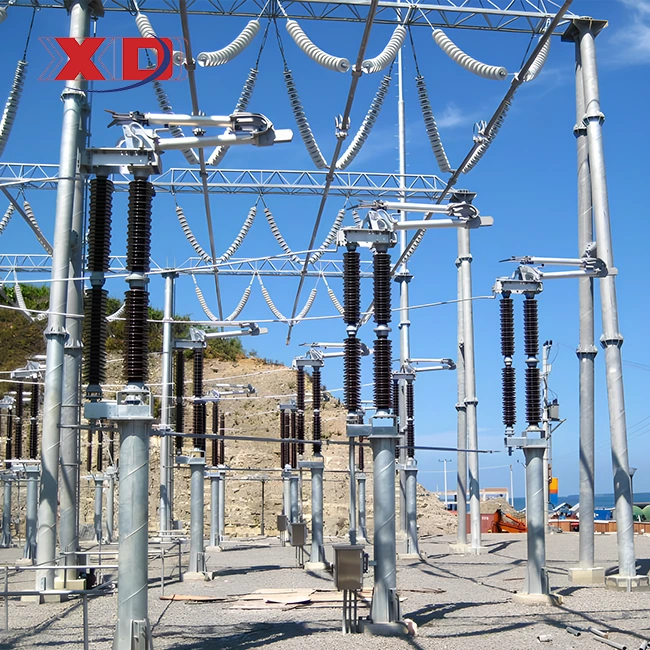
When visible circuit isolation is needed for worker safety during maintenance, indoor disconnect switches are the best choice. Disconnect switches placed near equipment in industrial motor installations help technicians make sure that the equipment is de-energized before they do any mechanical work. These switches are used by business HVAC systems to separate rooftop units while they are being serviced during certain times of the year. Transformer main circuits have disconnect switches built in so that repair can be done safely without turning off the power to the whole center. Disconnect switches are used in renewable energy systems, especially solar inverter arrays, to make safe work areas while panels are being cleaned or parts are being replaced. Because they don't offer automatic protection, these devices aren't good for main protection but are perfect for their original role as an isolation.
When Circuit Breakers Are Essential
When automatic fault detection and quick current interruption are necessary to keep the system safe, circuit breakers are needed. Data centers rely on circuit breakers to protect sensitive IT devices from voltage transients and overload situations. Automatic production lines in factories need faults to be fixed right away so that failures don't spread to other machines that are connected to them. In order to keep life safety systems running when there are electrical problems, healthcare facilities require circuit breakers to be installed on lines that carry critical care equipment. Circuit breakers that are certified for explosive atmospheres are needed for petrochemical plants that work in classified, dangerous areas. The reaction time that comes with manual disconnect buttons is too long for these uses.
Comparative Decision Matrix
| **Evaluation Factor** | **Indoor Disconnect Switch** | **Circuit Breaker** |
|---|---|---|
| Fault Protection | None | Automatic |
| Isolation Verification | Visual blade position | Requires testing |
| Cost | Lower initial investment | Higher upfront cost |
| Maintenance Frequency | Annual inspection | Quarterly testing recommended |
| Compliance Standards | IEC 60947-3, NEMA KS1 | UL 489, IEC 60947-2 |
| Lifespan | 10,000+ mechanical operations | 5,000-10,000 interruptions |
Market Insights: Brands, Pricing & Procurement Tips
To find your way around the global market for electrical isolation and protection equipment, you need to know what each manufacturer can do, how much they charge, and how to judge their products.
Established Global Manufacturers
There are a few main companies that make indoor disconnect switches and circuit breakers, and each one offers something different. ABB offers full solutions with a focus on digital connectivity and working with smart grids. Siemens focuses on modular designs that make installation quick and allow for future growth. Eaton specializes in making goods that take up little room and can be used to fix up old infrastructure. Schneider Electric puts a lot of emphasis on its ability to integrate energy management and do predictive maintenance. General Electric makes designs that are tough for use in harsh industrial settings, and Square D (a Schneider brand) makes affordable products for use in commercial construction.
Emerging Solution Providers
With its competitive options to standard providers, Xi'an Xikai Medium & Low Voltage Electric Co., Ltd. has become a major place to make medium and low-voltage electrical equipment. We sell high- and low-voltage switchgear, dry-type transformers, and vacuum circuit breakers that are made to meet international standards and work in difficult installation conditions. Our technical skills are shown by the GN19 High Voltage Disconnect Switch, which can handle currents from 400A to 1250A and is controlled by a manual lever. This device has coatings that are resistant to smog for industrial areas, the ability to adapt to high altitudes up to 4000 meters, and possible built-in voltage readings. The GN19 is made of corrosion-resistant metals and high-strength insulators, and its IP67 grade means it can handle tough jobs in the mining, metallurgy, and green energy sectors.
Pricing Dynamics and Value Analysis
Prices for indoor disconnect switches depend on their voltage grade, how much power they can handle, and how well they work in different environments. Standard 12kV models with a 400A rating usually fall in the moderate to mid-range price range. Changes for pollution resistance or high-altitude use make the prices go up. The price of a circuit breaker shows how complicated it is; electronic trip units cost more than thermal-magnetic designs. Cost is greatly affected by certification—items that meet UL standards are more expensive than similar goods that only meet IEC standards. The total cost of ownership should be looked at by procurement professionals. This includes installation work, commissioning needs, and upkeep costs over the expected 20–25 year service life.
Supplier Evaluation Criteria
Procurement strategies that work go beyond the initial purchase price. Warranty terms of one to three years show that the company that made the product is sure it will work. Lead times are very important for keeping projects on schedule, and domestic suppliers can usually get things to you faster than international names that need to ship things from abroad. Bulk purchase deals can save you a lot of money, especially if you use the same manufacturer for all stages of a project. Technical support, such as on-site commissioning help and access to spare parts, keeps expensive downtime from happening when equipment breaks down. References from similar industries can tell you a lot about long-term performance and how responsive a supplier is.
Installation Best Practices and Maintenance Guidelines for Indoor Disconnect Switches
The safety performance and operating life of isolation equipment are directly affected by how well it is installed and maintained over time.
Compliant Installation Procedures
When installing indoor disconnect switches, you must follow the instructions that come with the switch and NEC Articles 230 and 408. Mounting structures need to be strong enough to hold the weight of the device and withstand fault-level electromagnetic forces, which are usually 20 to 31.5kA for 4 seconds. For electrical connections, the right amount of torque must be applied according to the manufacturer's instructions. For main lead lugs, this is usually between 40 and 60 Nm, and this must be checked with a certified torque wrench. NEMA spacing rules say that there must be at least 140 mm of space between phases and to ground for 12kV equipment in controlled indoor settings. Copper conductors that are the right size according to NEC Table 250.66 must be used to properly ground enclosures and mounting frames to the facility ground grid. Keeping the temperature between -10°C and +40°C and the relative humidity below 95% non-condensing are environmental factors that need to be taken into account.
Maintenance Protocols for Longevity
The maker should tell you how often to do routine maintenance, which is usually once a year for standard duty-cycle uses. Using micro-ohm meters to test contact resistance makes sure that values stay below 50 micro-ohms and finds contact breakdown before heat problems happen. Visual inspections check insulators for damage like tracking, cracks, or contamination that needs to be cleaned with allowed agents. Tests of mechanical operation show that the blades move smoothly and don't get stuck. They are also lined up correctly when they are closed and when they are open, and the latching mechanisms have enough spring tension. Using electrical-grade grease to grease pivot points and linkages stops corrosion and makes sure the machine works consistently. When thermal imaging is used under rated load conditions, hot spots are found that show bad connections or contact wear that needs to be fixed.
Safety Procedures and Personnel Training
Lockout/tagout procedures are the most important part of safety rules for disconnect switches. According to OSHA 1910.147, facilities must set up written processes that name approved people and describe steps for checking for isolation. Arc flash dangers, the right way to choose PPE based on incident energy estimates, and how to handle an emergency should all be covered in training classes. Before starting repair work, people must use properly rated test tools to make sure there is no voltage. Regular repeat training makes sure that people keep their skills up to date and are aware of new safety standards. Keeping notes of all maintenance tasks, such as test results and replacing parts, is important for legal audits and figuring out how reliable something is.
Conclusion
The main difference between indoor disconnect switches and circuit breakers is how they work: disconnect switches let you safely isolate a circuit by hand and can be seen, while circuit breakers protect against electrical problems automatically. When choosing equipment for substations, industrial facilities, or commercial installations, people who work in procurement need to keep these functions in mind. Technical needs, like voltage ratings, current capacity, and environmental adjustments, should be weighed against lifetime costs, which include installation, upkeep, and compliance factors. Knowing the right standards, like IEC 60947-3 for disconnect switches and UL 489 for circuit breakers, is important for following the rules and making sure the system works well. A good procurement strategy looks at the capabilities of the manufacturer, the warranty terms, and the technical support available, along with the initial cost of the equipment. This improves safety and operational performance across a range of electrical architectures.
FAQ
1.Can an indoor disconnect switch replace a circuit breaker in my application?
Indoor disconnect switches cannot replace circuit breakers where automatic fault protection is required. Disconnect switches provide only manual isolation without overcurrent detection capabilities. They must be used in conjunction with circuit breakers or fuses that interrupt fault currents before the disconnect switch is operated. Attempting to open a disconnect switch under load creates dangerous arcing that can destroy equipment and cause injuries.
2.What standards must indoor disconnect switches comply with for industrial use?
Industrial indoor disconnect switches must meet IEC 60947-3 international standards or NEMA KS1 for North American markets. These standards specify performance requirements including rated voltage, current capacity, mechanical endurance (typically 10,000 operations), and dielectric strength testing (42kV for 12kV rated devices). Equipment installed in classified hazardous locations requires additional certifications per NEC Article 500 or IEC 60079. Procurement specifications should explicitly reference these standards to ensure compliant equipment selection.
3.How does NEMA rating affect disconnect switch selection for different environments?
NEMA ratings define environmental protection levels for electrical enclosures. NEMA 1 suits clean indoor locations with minimal moisture. NEMA 3R accommodates outdoor installations with rain protection. NEMA 4X provides corrosion resistance for chemical processing environments. Disconnect switch selection must match the installation environment—indoor switchgear typically requires NEMA 1 or 12 ratings, while substation applications may demand NEMA 3R outdoor enclosures. Matching NEMA ratings to environmental conditions prevents premature equipment failure and maintains safety compliance.
Reliable Indoor Disconnect Switch Solutions from Xi'an Xikai
Xi'an Xikai Medium & Low Voltage Electric Co., Ltd. is one of China's biggest factories for making medium and low-voltage electrical equipment. It offers full power distribution options to industry markets around the world. With ratings of up to 12kV and 1250A, our GN19 High Voltage Indoor Disconnect Switch has been used in substations, mines, and renewable energy installations and has been shown to be reliable. To meet the needs of each project, we can make setups that are unique, such as those with pollution-resistant coatings, high-altitude adaptations, and built-in voltage signs. Our ISO 9001-certified factory makes sure that the quality is always high by using strict testing methods like 42kV dielectric tests and mechanical endurance verifications that go thru 10,000 cycles or more. If a purchasing manager is looking for an experienced indoor disconnect switch provider, they can email our team at serina@xaxd-electric.com, amber@xaxd-electric.com, or luna@xaxd-electric.com to talk about technical details, bulk prices, and delivery times.

References
1. National Electrical Manufacturers Association. (2021). NEMA KS1-2021: Enclosed and Miscellaneous Distribution Equipment Switches. NEMA Standards Publication.
2. International Electrotechnical Commission. (2020). IEC 60947-3: Low-voltage switchgear and controlgear – Part 3: Switches, disconnectors, switch-disconnectors and fuse-combination units. IEC Standards.
3. National Fire Protection Association. (2023). NFPA 70: National Electrical Code (NEC). NFPA Publications.
4. Institute of Electrical and Electronics Engineers. (2019). IEEE 1584: Guide for Performing Arc-Flash Hazard Calculations. IEEE Standards Association.
5. Occupational Safety and Health Administration. (2022). OSHA 1910.147: The Control of Hazardous Energy (Lockout/Tagout). U.S. Department of Labor.
6. Underwriters Laboratories. (2021). UL 489: Standard for Safety for Molded-Case Circuit Breakers, Molded-Case Switches, and Circuit-Breaker Enclosures. UL Standards & Engagement.